
From plant antitoxin to anti-aging star resveratrol
Resveratrol is one of nature's most interesting polyphenolic substances. Plants made it as a way to protect themselves from things in their surroundings that could hurt them. This plant antitoxin is found in large amounts in peanuts, grapes, and berries. It has become a sought-after ingredient in the food, cosmetics, nutraceuticals, and pharmaceutical businesses. As more and more B2B procurement workers focus on natural compounds backed by data, it becomes important to know how resveratrol went from being a plant protection to a powerful anti-aging compound.
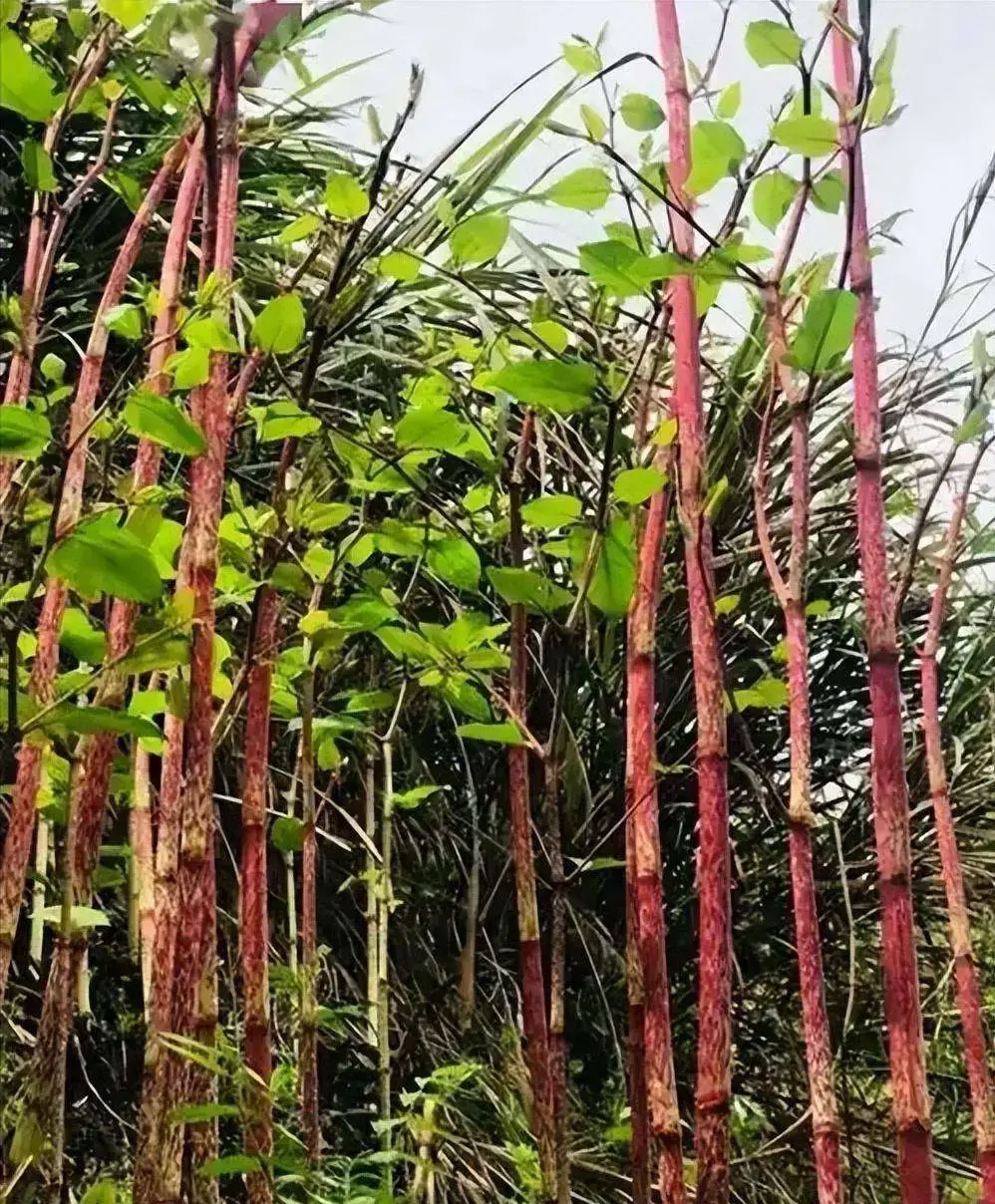
Botanical source: Polygonum cuspidatum Sieb, Grape
Other Names: trans-3,4,5-trihydroxystilbene
CAS NO.: 501-36-0
Specs Available: 50%, 98%, 99%(HPLC)
Part of used: Root
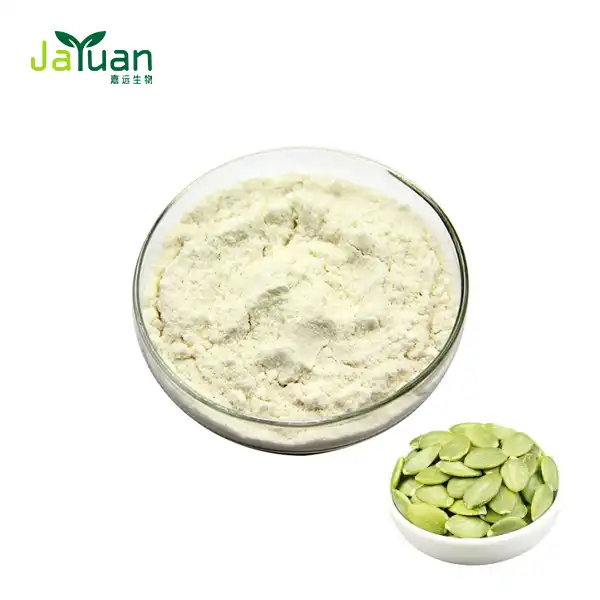
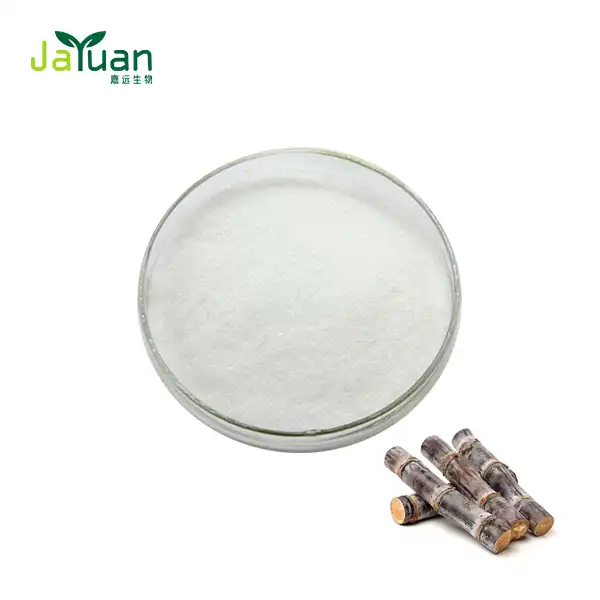
Appearance: White to off-white fine powder
Molecular Weight: 228.24
Molecular Formula: C14H12O3
MOQ: 500G-1KG
Inventory: in stock
Customized service: Support adjusting purity (50%-99%) according to customer needs
GMP standard production lines.
Payment: 100% TT in advance
Certificaions: FSSC2000/ISO2000/HALAL/KOSHER/HACCP
Delivery terms: FedEx, DHL, EMS, UPS, TNT, all kinds of the airline, international shipping companies.
Free sample is available.
We do not sell retail quantities to individuals.
Understanding Resveratrol – From Plant Antitoxin to Health Powerhouse
Botanical Origins and Biochemical Mechanisms
Resveratrol is made by plants as a phytoalexin through the phenylpropanoid pathway. This is a defensive substance that is released when plants are infected with fungi, exposed to UV light, or suffer physical damage. This natural defense system is mostly found in grape skins, Japanese knotweed (Polygonum cuspidatum), and different kinds of berries. The chemical comes in two isomeric forms: trans-resveratrol, which is biologically active, and cis-resveratrol, which is not very useful for medicine.
We get trans-resveratrol from Polygonum cuspidatum using Jiayuan Bio-Tech's extraction methods, which take advantage of the plant's high concentration levels. The molecular structure has a stilbene backbone with three hydroxyl groups. This gives it strong antioxidant action by getting rid of free radicals. The structure of the molecules makes it possible for the chemical to easily pass through cell membranes and interact with several biological processes at the same time.
Antioxidant and Anti-Inflammatory Properties
Resveratrol's polyphenolic structure makes it very good at giving electrons, which neutralizes reactive oxygen species (ROS) that speed up the aging process of cells. Clinical study shows that this substance turns on sirtuins, especially SIRT1. Sirtuins are a group of proteins that control metabolism, DNA repair, and cell longevity. By changing these routes, the ingredient has a basic effect on how mitochondria work and how energy is used.
Resveratrol is an antioxidant that also has strong anti-inflammatory properties by blocking cyclooxygenase and lipoxygenase enzymes. These processes lower the production of prostaglandins and inflammatory cytokines, which helps with the ongoing low-grade inflammation that comes with metabolic diseases and aging too quickly. Multiple peer-reviewed studies have confirmed these effects in a wide range of biological systems. This makes the substance useful for formulas that aim to improve overall health.
Key Resveratrol Benefits and Applications for Anti-Aging and Beyond
Skin Regeneration and Protection Mechanisms
Cosmetic-grade Resveratrol that is at least 95% pure is used as a multipurpose ingredient in skin care products that fight photoaging and reactive damage. The substance stops tyrosinase activity, which is the enzyme that slows down the process of making melanin. This makes it useful for whitening products. Most of the time, concentrations between 0.5% and 2% in blood bases are recommended. However, liposomal encapsulation technologies allow for greater effectiveness at lower concentrations.
When buying things for skin care uses, buyers should focus on resveratrol derivatives that dissolve in water or micronized forms that spread out evenly in emulsion systems. Our pharmaceutical-grade powder is ≥98% pure and mixes easily into both water and fat. This means that you don't have to deal with the texture problems and color changes that come with using extracts that aren't as pure. The lack of moisture (below 0.5% of the mixture) provides stability over long periods of time.
Cardiovascular and Metabolic Health Applications
Resveratrol is added to circulatory support products by supplement companies at doses of 150 mg to 500 mg per day, based on results from published human studies. Because the substance supports healthy inflammatory reactions and oxidative balance, it can be used in combination with goods that aim to improve metabolic health. When combined with coenzyme Q10, omega-3 fatty acids, or other antioxidants like quercetin, they have benefits that are stronger than when they are alone.
New study looks into metabolic health uses, especially when it comes to managing glucose levels and weight. Researchers have found that resveratrol turns on AMPK, a cellular energy regulator that affects how fat is burned and how much glucose is taken in. These processes attract companies that make food and drinks that want to make useful products for health-conscious customers who want ingredients that are good for the metabolism.
Choosing the Right Resveratrol Supplement for B2B Procurement
Form Factor Comparisons and Bioavailability
Choosing between powder, encapsulated, or complexed types relies on what the final application needs and how the product can be made. When it comes to preparation, pure resveratrol powder gives you the most options. It can be used with a wide range of delivery methods and can be precisely dosed. Pharmaceutical companies that are making uniform dosage forms usually like this style because it makes it easier to keep track of quality and make regulatory paperwork clear.
Resveratrol is naturally hydrophobic, but water-soluble resveratrol derivatives make it easier to use in beverages and water-based vitamins. These changed forms use cyclodextrin complexation or glycosylation to improve their stability while keeping their biological function. These special forms stay stable in acidic pH conditions without precipitating, which is good for beverage companies that want to make healthy drinks.
Comparative absorption studies show that the choice of delivery method has a big effect on plasma concentration patterns. Particles that are less than 10 microns in size dissolve more quickly and are better absorbed than regular solid powder. Liposomal preparations that contain resveratrol in phospholipid vesicles show changes in bioavailability of 3 to 5 times, which supports the high price of high-efficacy forms.
Natural Versus Synthetic Source Evaluation
Natural extraction from Polygonum cuspidatum extract helps with identification and gives products a clean label look that customers want more and more. C14 radiocarbon research proves botanical origin, separating material obtained from plants from synthetic materials made from petroleum. This proof is very important for brands that stress getting their ingredients from natural sources and being open about their supply chain practices.
Protocols for quality control must take into account possible flaws that are unique to plant sources. Emodin is a naturally occurring anthraquinone chemical in Polygonum cuspidatum, and for Resveratrol, it needs to be measured and controlled below regulatory limits, which are usually less than 0.5%. Our two-part quality control method uses near-infrared spectroscopy for real-time tracking and HPLC verification to make sure that pharmaceutical-grade batches always have above 98% trans-resveratrol concentration and emodin clearance.
Procurement and Bulk Purchasing Considerations for Resveratrol Products
Sourcing Channels and Pricing Structures
Direct links with manufacturers are the best way to save money and make sure quality. Pharmaceutical-grade Resveratrol (≥98% purity) costs between $280 and $450 per kilogram when bought in bulk (100 kg or more), while cosmetic-grade resveratrol (≥95% purity) costs between $180 and $320 per kilogram, based on the size of the order and the terms of the contract. These standards are based on how the market is right now for trans-Pacific buying from well-known Chinese makers.
Through direct cultivation deals near the Qinling Mountains, Jiayuan Bio-Tech's fully linked supply chain keeps the prices of raw materials from changing too much. This geographical benefit cuts down on shipping costs and ensures that the quality of the plants stays the same because they are grown in controlled circumstances. The ability to produce 10 tons per year allows for low prices that smaller workshops can't match. This saves procurement partners 40 to 60 percent on costs.
When negotiating for bulk purchases, you should talk about quality licenses, analytical testing methods, and promises of stability. GMP and ISO 13485 certifications show that the production process meets the international standards for pharmaceuticals that are needed for regulatory applications in the US and Europe. Our paperwork packages come with full batch records, stable data for up to three years when stored in nitrogen-sealed containers, and full impurity profiles that meet the requirements of the EP/USP pharmacopoeia.
Regulatory Compliance and Documentation
When you share plant extracts with other countries, you need to know a lot about their rules. Under DSHEA, the US FDA considers resveratrol to be a food ingredient that only needs to be tested for contaminants and identification before going on the market. The European markets need a Novel Food status review based on the levels of concentration and types of planned use. Our regulatory affairs team supports both systems with paperwork, which speeds up the customs clearance process.
Polycyclic aromatic hydrocarbon (PAH) testing with benzo(a)pyrene levels below 2ppb, pesticide residue screening according to USP<561> standards, and heavy metal verification are all part of safety profiles. Testing by a third party in a recognized lab gives quality assurance teams performing supplier checks an independent confirmation that they value. We keep working with SGS, Eurofins, and other similar testing companies to make sure the quality is clear.
Future Trends and Strategic Outlook for Resveratrol in B2B Markets
Advanced Extraction and Purification Technologies
Simulated moving bed chromatography (SMB) is the latest technology in continuous purification methods. It keeps the purity at 98% or higher while using 40% less fluid than batch chromatography. Our investment in SMB systems allows us to make pharmaceutical-grade products that meet strict legal standards and are better for the environment. Dynamic countercurrent extraction is 30–50% more efficient than standard ways. This means that procurement partners can save money on the cost of raw materials.
Ultrasound-assisted extraction makes it easier for compounds to be released from plant materials while working at lower temperatures that protect polyphenols, which break down when they get too hot. With this technology, extraction time can be cut from 8 to 12 hours to 2 to 3 hours, which increases output and saves energy. The DCS (Distributed Control System) integration makes sure that exact parameter control is maintained across pH, temperature, and fluid ratios. This reduces batch variation and increases yield consistency, which is very important for pharmaceutical applications that need to follow strict rules.
Market Demand Evolution and Consumer Preferences
Clean label trends push buyers to focus on natural sources of extraction for Resveratrol with few processing agents. Transparency regarding cultivation practices, extraction solvents, and quality verification methods increasingly influences purchasing decisions. Brands that want to stand out by being transparent about their supply chains work with makers to provide full tracking from the botanical source to the final delivery of ingredients.
Plant-based health categories are still growing, and Resveratrol is at the center of both research into aging and consumer tastes for natural products. Claims that are backed up by scientific evidence and clinical study allow for premium pricing and higher price points in supplement markets that are very competitive. When purchasing strategies are in line with marketing strategies that are based on facts, market penetration and brand trust measures go up.
Strategic Manufacturing Partnerships
Long-term supply deals with qualified makers help keep prices stable, guarantee quality, and work together on technical issues to support innovation pipelines. Our dedication to environmentally friendly production methods, such as MVR evaporation crystallization with zero liquid discharge and trash composting programs, meets the needs of companies that have to meet sustainability requirements that are becoming more and more a part of the review process for purchasing goods. Environmental, health, and safety (EHS) certifications and compliance make supplier scorecards and audit performance better.
Collaborative product creation relationships go beyond just buying something; they can also be effective partnerships where people share information about the market and formulation knowledge. Our collection of patents in the areas of purification methods and derivative development gives us intellectual property benefits that help us stand out from our competitors. People who work in procurement who want to be at the forefront of innovation can benefit from relationships with manufacturers that offer exclusive technologies and custom solutions that can't be found through commodity buying channels.
Conclusion
Resveratrol has changed from a plant defense chemical to a proven anti-aging ingredient. This is part of a larger shift in the pharmaceutical, nutraceutical, and cosmetic industries toward natural goods that are backed by proof. Successful buying strategies find a balance between purity requirements, following the rules, and keeping costs low. They also work with producers who can show they have the right technology and quality systems in place. The substance is used in many different areas of health care, which means that demand will continue to grow. Choosing a source and managing your relationships with them are very important for staying competitive. Even though extraction methods are getting better and solubility research is moving forward, resveratrol is still a key ingredient in many anti-aging and health products around the world.
FAQ
1. What is the most absorbable form of resveratrol?
Liposomal encapsulation and micronized particle formats demonstrate superior bioavailability compared to standard crystalline powder. Liposomal preparations put the substance inside phospholipid spheres, which protect it from being broken down quickly and make it easier for cells to take it in. Micronized particles below 10 microns improve dissolution rates in gastrointestinal fluids. Using cyclodextrin complexation to make water-soluble products also improves absorption, especially in beverage uses. Pharmaceutical companies doing bioavailability studies should be clear about the delivery method they need during the buying process, so that it fits with the designs of clinical studies.
2. How does resveratrol work in anti-aging formulations?
The chemical turns on sirtuin proteins, especially SIRT1. These proteins control how cells age by changing how mitochondria work and how DNA is repaired. Free radicals damage cell structures, but antioxidants get rid of them. Anti-inflammatory properties lower chronic inflammation, which speeds up the aging process. In skin care, it keeps fibroblasts from getting damaged by UV light, helps collagen be made, and stops enzymes from breaking down parts of the extracellular matrix. Because it works on multiple pathways, Resveratrol is a complete anti-aging ingredient that can be used in both dietary supplements and skin care products.
3. Is resveratrol water-soluble in standard formulations?
Native trans-resveratrol doesn't dissolve well in water, which makes it hard to formulate in water-based devices. Standard powder dissolves easily in ethanol and other organic liquids, but for goods that are based on water, you need to come up with ways to make it dissolve. Modified forms, including cyclodextrin complexes and glycosylated derivatives, achieve enhanced water solubility while maintaining biological activity. When buying ingredients, beverage and supplement companies usually ask for water-soluble forms to make sure the formula stays stable, and there are no problems with precipitation during the product's shelf life.
Partner with Jiayuan Bio-Tech for Premium Resveratrol Supply
Jiayuan Bio-Tech provides pharmaceutical-grade and cosmetic-grade Resveratrol that meets the high standards of top companies in the food, cosmetics, and nutritional industries. Our cutting-edge extraction methods, thorough quality control systems, and fully integrated supply chain guarantee constant purity above 98%, low bulk prices, and reliable delivery plans that meet your production needs. As a reliable resveratrol manufacturer, we provide a range of customization choices, OEM development support, and full regulatory paperwork to make it easy for customers in all countries to access our products. You can email our purchasing agents at sales@jayuanbio.com or sales1@jayuanbio.com to talk about the ingredients you need, ask for technical data sheets, or look into ways to work together to make your product line stronger.
References
1. Baur JA, Sinclair DA. Therapeutic potential of resveratrol: the in vivo evidence. Nature Reviews Drug Discovery, 2006; 5(6):493-506.
2. Smoliga JM, Baur JA, Hausenblas HA. Resveratrol and health – a comprehensive review of human clinical trials. Molecular Nutrition & Food Research, 2011; 55(8):1129-1141.
3. Berman AY, Motechin RA, Wiesenfeld MY, Holz MK. The therapeutic potential of resveratrol: a review of clinical trials. NPJ Precision Oncology, 2017; 1:35.
4. Breuss JM, Atanasov AG, Uhrin P. Resveratrol and its effects on the vascular system. International Journal of Molecular Sciences, 2019; 20(7):1523.
5. Ramírez-Garza SL, Laveriano-Santos EP, Marhuenda-Muñoz M, et al. Health effects of resveratrol: results from human intervention trials. Nutrients, 2018; 10(12):1892.
6. Truong VL, Jun M, Jeong WS. Role of resveratrol in regulation of cellular defense systems against oxidative stress. BioFactors, 2018; 44(1):36-49.