
Ergothioneine Supplement Buyer’s Guide for Beginners
To find your way around the ergothioneine supplement market, you need to know about this special antioxidant's molecular qualities and how it can be used in business. Ergothioneine is a unique amino acid derivative that is mostly found in mushrooms and some bugs. It has become popular in medicinal, cosmetic, and nutritional products. This guide talks about important things you should think about when choosing ergothioneine as an ingredient for your business. It covers everything from quality standards and sourcing methods to legal compliance and strategies for integrating the ingredient that fit your production goals.
Other Name: L-Ergothioneine,2-thio-imidazole
Appearance: White fine powder
CAS No.: 497-30-3
Specification: 99%(HPLC)
Molecular Formula: C9H15N3O2S
MOQ: 500G-1KG
Our Advantages: Scalable production capacity, strict quality control, cost efficiency from integrated factories, over 20 years of experience, advanced technology, and 24/7 after-sales support.
Certificaions: FSSC2000/ISO2000/HALAL/KOSHER/HACCP
Delivery terms: FedEx, DHL, EMS, UPS, TNT, all kinds of the airline, international shipping companies.
Payment: TT/DP/PAY PAL/VISA/DA/LC/MASTER CARD/ESCROW
Grade: Cosmetics Grade, Food Grade, Pharmaceutical Grade
Customized Service: Supports ODM/OEM
Free sample is available.
We do not sell retail quantities to individuals.
Understanding Ergothioneine Supplements: Key Knowledge for Buyers
What Makes Ergothioneine a Unique Antioxidant
Ergothioneine is different from other antioxidants because it only enters cells in certain ways. Vitamin C and NAC are found all over the body. Ergothioneine, on the other hand, enters cells through the OCTN1 transporter protein and mainly stays in tissues that are under oxidative stress. Because it only builds up in certain places, it's very useful for formulas that aim to protect cells and keep metabolism healthy. The molecule is more stable than glutathione in physiological settings. It can keep its antioxidant action even when the temperature and pH levels change. Biochemical journals have released research that shows ergothioneine can eliminate hydroxyl radicals and protect mitochondrial function. These are two ways that it is different from other antioxidants found in supplements.
Natural Sources and Production Methods
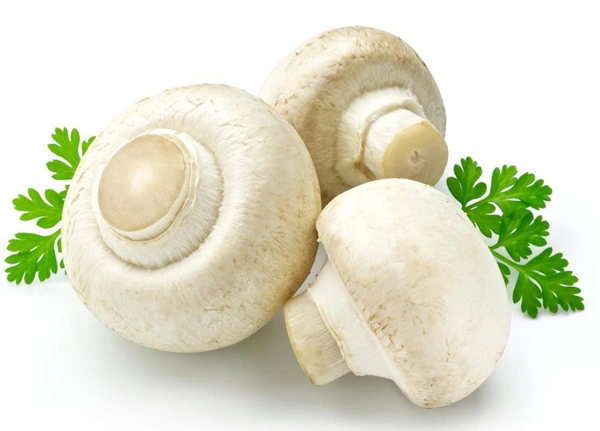
The main food source of ergothioneine is still mushrooms, with king oyster, shiitake, and porcini types having the biggest amounts. Conditions of cultivation have a big effect on the amount of ergothioneine present; changes in substrate makeup, growth temperature, and harvest timing can change concentrations by 200 to 3000%. Significant amounts are also added by fermented foods that contain certain bacterial types, but variation is still a problem for normal extraction. Fungal fermentation and manufactured routes are now both used in modern production. Ergothioneine supplement that comes from fermentation is usually between 95% and 98% pure, but pharmaceutical-grade ergothioneine can be made using modern synthetic methods that get it to levels higher than 99%. The purchasing teams need to decide if getting materials from natural or manmade sources fits better with how they market their products and meet government standards.
Clinical Evidence and Safety Profile
A good safety rating for ergothioneine in humans has been shown by studies using doses up to 25 mg per day. The European Commission found that daily doses of up to 30 mg for people and 20 mg for kids pose a very low risk. Pharmacokinetic studies show that peak plasma concentrations happen one to two hours after intake, and bioavailability varies from 20% to 35% based on the formulation. Clinical studies have shown that ergothioneine helps skin health by boosting collagen production and protecting against UV damage. In controlled studies, inflammation markers went down by measured percentages. This makes the ingredient appealing for use in supplements and on the skin. Long-term studies have not found any negative effects, which makes it more appealing to product makers who want well-tolerated active ingredients.
Choosing the Right Ergothioneine Supplement for Your Business Needs
Evaluating Purity Standards and Quality Markers
Purity levels are the best way to tell if ergothioneine powder or other forms are of good quality. Pharmaceutical-grade standards require at least 99% purity, which can be shown by HPLC and mass spectrometry tests. Cosmetic-grade materials usually meet purity standards of 95%, making them good for skin formulas where small differences don't matter much. Heavy metals, microbial limits, and leftover liquids should all be included in the contaminant screening process. This is especially important when natural extraction methods are used. We've seen that providers who use virtual moving bed chromatography are more consistent than those who use traditional column chromatography, keeping batch-to-batch differences below 2%. A moisture level below 0.5% ensures a longer shelf life, which is an important thing to keep in mind when planning inventory management for production processes.
Product Format Selection for Different Applications
Your finished product design will determine whether you use powder, capsule, or liquid forms. When making custom formulations, bulk powder gives you the most freedom because you can precisely control the amount in everything from drink mixes to tablet cores. Encapsulated types make them easier to handle, but they can't be changed in terms of dose once production starts. Pharmaceutical businesses that are making medical-grade goods usually like micronized powders with particles smaller than 100 microns because they help the powder dissolve faster and mix more evenly. Cosmetic companies often ask for water-soluble versions of ergothioneine supplement that can be mixed into serums and creams without separating the phases. Nutraceutical brands can choose standard mixes that combine ergothioneine supplement with vitamins that work well together. This makes the process of making the blends easier.
Certification Requirements and Regulatory Compliance
GMP approval is the minimum standard for any ergothioneine provider who wants to do business seriously. In addition to this, ISO 13485 approval shows that a company can make medical devices and pharmaceutical ingredients, which is important for businesses that sell to controlled markets. Registration with the FDA and agreement with the European Pharmacopoeia make it possible to get into the most selective sales channels. Third-party testing from separate labs gives you more confidence than proof of analysis from the maker. Audits of production plants every three months help find process change before it hurts the quality of the products. Suppliers who use two quality control systems—one that checks for changes in real time using spectroscopy and the other that checks for consistency later on using chromatography—deserve to be paid more.
Procurement Strategies: How to Buy Ergothioneine Supplements Effectively
Identifying Reliable Supply Channels
Specialized business-to-business (B2B) platforms for pharmaceutical and nutraceutical materials offer source networks that have been checked out and protect transactions. When you work directly with a manufacturer, you don't have to pay markups to middlemen. However, you do have to do more research on their output skills and quality systems. Trade shows in the same industry are still a good way to meet people in person and make links that can lead to long-term relationships. Ask possible suppliers for building certifications, recent audit reports from a third party, and customer references from businesses in the same line of work as you. Suppliers who are ready to give small samples for testing purposes before committing to large orders show that they are sure of the quality of their goods. Clear information about wait times, minimum order amounts, and pricing structures is a sign of a skilled business that can help your growth.
Negotiating Bulk Purchase Agreements
When people commit to buying a lot of ergothioneine supplement, they can get big price breaks. When compared to small-quantity prices, orders over 100 kg often get 15–25% off, and annual contracts can get even bigger savings. Payment terms can be discussed based on past orders and the security of the business. Terms can range from needing to be paid in advance to net-30 or net-60 terms. Talking to providers about production schedules helps get priority manufacturing spots during times of high demand. Price security terms in long-term contracts can protect buyers from changes in the cost of raw materials, which is very helpful in volatile commodity markets. Some sellers let customers who buy a lot of items use contract inventory, which lowers the amount of working capital needed and makes sure that materials are always available.
Managing Supply Chain Logistics
For pharmaceutical-grade ergothioneine, the smallest amount that can be ordered is usually 1 kg, but some sellers need at least 5–10 kg, based on their purity requirements. Lead times range from two to four weeks for stock items to six to eight weeks for things that are made to order and need special production runs. International shipping takes an extra one to two weeks, and faster freight choices are available for an extra fee. Packaging affects both how stable the product is and how easy it is to handle. Powders that absorb water are best kept safe in nitrogen-flushed, aluminum-sealed bags inside fiber drums. Double-containment systems keep things clean while they are being stored in a building or moved from one place to another in a factory. Labels that are easy to read and include batch numbers, factory dates, and retest dates make it easier to keep track of supplies and quality.
Integrating Ergothioneine Supplements Into Your Product Line or Business Offering
Application Opportunities Across Industry Sectors
More and more, ergothioneine is used in nutraceuticals as a top ingredient for cellular health. It is often mixed with CoQ10, resveratrol, or astaxanthin to provide full antioxidant protection. Consumers are becoming more interested in taking charge of their health, so marketing these goods around healthy aging, metabolic support, or physical recovery makes sense. The usual amount of inclusion is between 5 and 15 mg per serve, taking into account the cost and the claims of effectiveness. The skin-protecting qualities of ergothioneine are used in anti-aging serums, UV defense formulas, and recovery items after surgery. Topical uses with concentrations between 0.5 and 2% show measurable benefits without any manufacturing problems. Because the ingredient is stable in water-based systems, it can be easily added to current product lines without having to go through a lot of changes to the recipe.
Custom Formulation and OEM Partnership Strategies
In busy markets, standing out can be achieved by creating unique mixes that combine ergothioneine with ingredients that work well together. Contract makers who know a lot about formulation can find the best amounts for specific health claims, stability profiles, and cost goals. OEM partnerships speed up the time it takes for brands to get their goods to market without having to buy expensive production equipment. When you're looking for formulation partners for an ergothioneine supplement, be clear about your goal market placement, quality standards, and regulatory requirements. Misunderstandings that cause delays in development can be avoided by giving clear specs. Intellectual property deals should include who owns the recipe, the rules of exclusivity, and ways to keep unique blends secret.
Synergistic Combinations and Co-Supplementation Trends
When you combine ergothioneine with other nutrients that help the mitochondria, it protects cells even more. Putting alpha-lipoic acid and acetyl-L-carnitine together makes multi-pathway metabolic formulations that are famous in the brain health and sports nutrition areas. Antioxidant stacks that contain ergothioneine, vitamin E, and selenium can effectively handle reactive stress. New study shows that ergothioneine may make some polyphenols more bioavailable by interacting with transporters. This is a synergy that is being looked into for next-generation formulations. Combining probiotics is a new area of research, and some types may be able to increase the production of ergothioneine naturally in the gut bacteria. These new ideas put forward-thinking companies at the top of their categories.
Conclusion
To successfully add ergothioneine supplement to your product line, you need to carefully look at the skills, quality processes, and application strategies of your suppliers. Unique cellular uptake processes and stability properties of the chemical make it useful in formulations for medicinal, cosmetic, and nutraceutical uses. Your brand's image will be protected and product quality will be consistent if you only work with suppliers who have strong certifications, clear testing methods, and reliable supply lines. Strategic relationships with experienced makers give you access to technical know-how and the ability to customize products, which speeds up the time it takes to make a product and make it successful on the market.
Frequently Asked Questions
1. How should bulk ergothioneine powder be stored long-term?
To keep ergothioneine stable, you need to limit its contact to wetness and temperature. Keeping it at 15–25°C in sealed, nitrogen-flushed containers stops it from going bad, and putting it in the fridge makes it last longer than three years. Materials that absorb moisture should stay in their original package until they are used, and they should be handled with little contact to air. Desiccant packs inside storage bins help keep wetness out even more in damp places.
2. What distinguishes natural from synthetic ergothioneine sources?
Natural ergothioneine that comes from mushrooms is good for clean labeling, but supply problems and batch differences can happen. Synthetic production keeps the quality the same all year and has less of an effect on the earth per kilogram made. Fermentation methods are in the middle because they use biological processes to classify things naturally while still being able to be used on a large scale in industry. When pure requirements are met, regulatory acceptance stays the same for all sources.
3. Can ergothioneine be combined with other active ingredients safely?
It is very easy for ergothioneine to work with most vitamins, minerals, and plant products. Physical conflicts are still pretty rare, but strong reducing agents could possibly stop it from working as an antioxidant. Stability testing during recipe creation makes sure that the ingredients will work well together. Ergothioneine can be added to most multi-ingredient products without any problems as long as standard research procedures are followed.
Partner With a Trusted Ergothioneine Supplement Manufacturer
Jiayuan Bio-Tech sells ergothioneine powder that is suitable for use in medicine and cosmetics. Their powder is more than 95% pure and has GMP and ISO certifications that show they follow world safety standards. Our cutting-edge extraction technology is 30–50% more effective than old-fashioned ways. This means that our prices are cheap without lowering the quality. As a seller of ergothioneine supplement with a lot of experience, we can accommodate orders ranging from research samples to multi-ton contracts. We also offer full technical support and help with customs clearance for both the US and European markets. Our team works together on OEM projects and unique formulations, giving you the ingredient knowledge you need for product creation. Get in touch with our experts at sales@jayuanbio.com or sales1@jayuanbio.com to talk about your unique needs, ask for certificates of analysis, or set up sample shipments that show how committed we are to quality.
References
1. Cheah, I.K., & Halliwell, B. (2021). Ergothioneine, recent developments. Redox Biology, 42, 101868.
2. Goleniowski, M., Bonfill, M., Cusido, R., & Palazón, J. (2022). Ergothioneine: A review of its production and use. Biotechnology Letters, 44(1), 1-17.
3. Hseu, Y.C., Huang, Y.C., Thiyagarajan, V., & Mathew, D.C. (2020). Ergothioneine, a natural antioxidant: Applications in food, cosmetics, and pharmaceuticals. Food Science and Nutrition, 8(8), 4092-4107.
4. Servillo, L., D'Onofrio, N., & Balestrieri, M.L. (2020). Ergothioneine antioxidant function: From chemistry to cardiovascular therapeutic potential. Journal of Cardiovascular Pharmacology, 76(3), 266-280.
5. Tang, R.M.Y., Cheah, I.K., Yew, T.S.K., & Halliwell, B. (2018). Distribution and accumulation of dietary ergothioneine and its metabolites in mouse tissues. Scientific Reports, 8(1), 1601.
6. Wen, L., Gong, A., & Yao, N. (2023). Ergothioneine and its potential application in skincare and dermatology. Journal of Cosmetic Dermatology, 22(4), 1145-1155.