
Ergothioneine Supplement Absorption: Boost Its Effects
For an ergothioneine supplement to be as bioavailable as possible, its absorption routes must be understood and smart formulation methods must be used. Ergothioneine is different from other antioxidants because it depends on a special protein called OCTN1 to send this amino acid product only to tissues that are under a lot of oxidative stress. Proper dosing, improved delivery systems, and synergistic nutrient mixtures greatly improve cellular uptake. This is what makes the difference between small health benefits and big health gains in supplement recipes made for pharmaceutical, cosmetic, and nutraceutical uses.
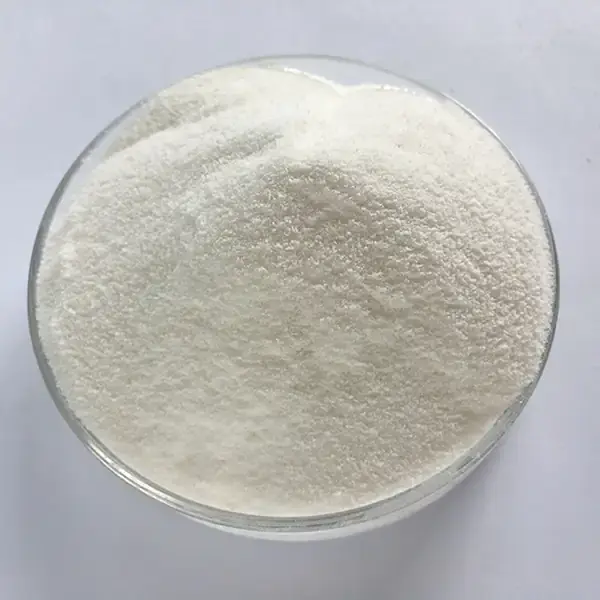
Other Name: L-Ergothioneine,2-thio-imidazole
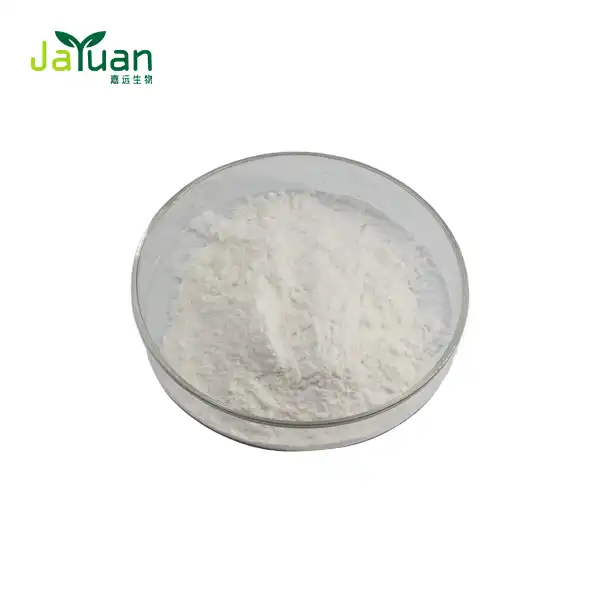
Appearance: White fine powder
CAS No.: 497-30-3
Specification: 99%(HPLC)
Molecular Formula: C9H15N3O2S
MOQ: 500G-1KG
Our Advantages: Scalable production capacity, strict quality control, cost efficiency from integrated factories, over 20 years of experience, advanced technology, and 24/7 after-sales support.
Certificaions: FSSC2000/ISO2000/HALAL/KOSHER/HACCP
Delivery terms: FedEx, DHL, EMS, UPS, TNT, all kinds of the airline, international shipping companies.
Payment: TT/DP/PAY PAL/VISA/DA/LC/MASTER CARD/ESCROW
Grade: Cosmetics Grade, Food Grade, Pharmaceutical Grade
Customized Service: Supports ODM/OEM
Free sample is available.
We do not sell retail quantities to individuals.
Understanding Ergothioneine and Its Role in Supplements
What Makes Ergothioneine Unique Among Antioxidants
Ergothioneine is different from more well-known chemicals like glutathione and N-acetylcysteine because of how it works in the body. Because it stays stable at different pH levels and doesn't oxidize, it lasts a very long time during both production and digestion. Ergothioneine is important to the body, so it has a special transport system called the OCTN1 transporter that actively pulls it from the digestive tract into the bloodstream and then concentrates it in tissues that are having trouble with oxidative stress.
Primary Sources and Natural Occurrence
When it comes to food, mushrooms, especially shiitake, maitake, oyster, and king oyster mushrooms, have the most of this substance. There are also good amounts in black beans, red beans, oat bran, and some organ foods. The amount of ergothioneine supplement in these foods depends a lot on how they were grown, the health of the soil, and the substrates they were grown on. This is one reason why stated nutrient levels are so different between studies and production regions.
Health Benefits Relevant to B2B Applications
Ergothioneine has been shown to help many different biological processes through research. In terms of skin health, it protects against UV damage and helps collagen stay strong. This makes it a good ingredient for anti-aging and photoprotection cosmetics. It may help athletes and other busy people because it lowers reactive stress caused by exercise and supports mitochondrial function. For these reasons, ergothioneine is a very good nutrient for ergothioneine supplement companies making products for high-end health markets and specific medical uses.
Because the substance can cross the blood-brain barrier, it could also be used in preparations for cognitive health, though this area is still changing as clinical research continues. When purchasing managers are looking for new antioxidants, they know that ergothioneine's tailored delivery and cellular buildup patterns are better than those of other antioxidants.
Challenges in Ergothioneine Supplement Absorption
Bioavailability Limitations in Oral Delivery
The OCTN1 carrier system is specific and works well, but it can only carry so much. Absorption efficiency goes down when supplement doses go over the transporter's saturation level. Conditions in the intestines, like changes in pH, the activity of stomach enzymes, and the make-up of the gut bacteria, make uptake even harder. People whose gut health isn't good or whose transporters aren't expressed as much may have less absorption no matter what amount they take.
Formulation Type Impact on Absorption Rates
The way an ergothioneine supplement is made—powder, pill, tablet, or liquid—has a direct effect on how quickly it dissolves and how long it takes to move through the stomach. In order for the active chemical to reach absorption sites in the small intestine, standard pills and tablets must first break down. This delay can make the compound less bioavailable, especially if it is taken with foods that change how quickly the stomach empties or bind to the compound. Powder versions dissolve more quickly, but they are harder to keep stable and move around while they are being made and shipped.
Interaction Effects with Other Nutrients
Putting ergothioneine together with antioxidants that work well with it, like vitamin C, selenium, or alpha-lipoic acid, can improve the way the antioxidant network works generally, but they need to be carefully balanced. It's possible for some nutrients to block ergothioneine intake by changing the pH of the gut or competing for absorption routes. Product makers need to test these relationships in the real world to make sure that the formulation works best without affecting the bioavailability of individual nutrients.
Strategies to Boost Ergothioneine Supplement Absorption
Evidence-Based Dosage Recommendations
A daily amount of between 5 mg and 25 mg has been shown in clinical tests to be safe and effective in improving health. Based on the information they have, the European Commission says that people can take up to 30 mg per day without worrying about safety. Spreading doses out over several daily treatments may help transporters work better and keep plasma levels more stable throughout the day.
When making formulas for different market groups, pharmaceutical-grade uses usually need higher purity standards (≥99%), while cosmetic-grade formulations may work fine with ≥95% purity. These differences affect not only effectiveness but also following the rules and figuring out where to place your product in the market.
Timing and Co-Administration Strategies
Taking ergothioneine supplements on an empty stomach or in between meals helps the body absorb them better by reducing competition from food and promoting the best pH levels in the stomach. Taking selenium with vitamin C improves the recycling of the antioxidant network, and selenium helps other defense systems in cells. More and more, formulators are making products that combine these nutrients in ways that are backed by studies on metabolism.
Advanced Delivery Technologies
There are a number of new methods that make ergothioneine supplement much more bioavailable than the usual pill forms. Liposomal encapsulation covers the active chemical with two layers of phospholipids that protect it during digestion and make it easier for cells to take it in by fusing the membranes. Sustained-release formulas keep therapeutic levels steady for longer amounts of time by extending the time that drugs are absorbed. Even though these technologies are harder to use and cost more to adopt, they work much better in healthcare and business settings.
At Jiayuan Bio-Tech, our production powers show the high level of technical skill needed to make ergothioneine supplements work as well as possible. We use high-efficiency extraction methods that get 30% to 50% more yield than standard immersion methods while using 30% to 50% less fluid. For constant production, our chromatographic processing uses simulated moving bed chromatography (SMB), which keeps purity levels above 98% all the time. Because of this technological base, we can give makers of drugs, cosmetics, and nutraceuticals raw materials that meet the highest performance standards.
Quality of Raw Material Sources
The effectiveness of a vitamin depends on how pure and stable the ergothioneine ingredients are. When paired with nitrogen-filled packaging, a moisture level below 0.5% increases the shelf life beyond three years while keeping the bioactivity. Suppliers who offer full quality control, such as watching live with near-infrared spectroscopy and checking offline with HPLC and GC-MS, provide the paperwork and tracking that is needed for regulatory compliance.
Our two-level quality control system makes sure that every batch meets the standards of both the EP and USP pharmacopoeias before it is shipped. Our GMP and ISO 13485 licenses show that we are dedicated to meeting the needs of customers in China, Europe, and the US. In the competitive wellness market, these credentials are important not only for getting governmental approval, but also for building a brand's image and gaining customers' trust.
Comparing Ergothioneine Supplement Options for Different B2B Needs
Ergothioneine vs. Glutathione and NAC
Glutathione and N-acetylcysteine are still famous antioxidants, but ergothioneine is better at staying stable and getting to the right places. Glutathione breaks down slowly in the digestive system, so liposomal formulation or precursor replenishment methods are often needed. NAC gives cysteine for making glutathione, but it doesn't have ergothioneine's unique transport system or tissue-specific patterns of buildup.
Ergothioneine may help products that are meant to improve sports performance by protecting mitochondria and lowering reactive stress caused by exercise. Products that focus on skin health use its photoprotective and dermal-accumulation qualities to their advantage. Knowing these differences helps match the choice of ingredients to the placement of the product and what customers expect.
Format Selection: Powder, Capsules, and Liquid Formulations
OEMs that are making their own mixes or new delivery methods like bulk powder forms for ergothioneine supplement because they give them the most freedom in developing custom formulations. For store supplement makers, capsules make dosing easy and accurate. Liquid versions are technically difficult because they need to be stable, but they appeal to people who want quick absorption and easy use.
There are big differences in how these types are manufactured. To keep powder from absorbing water and sticking, it needs to be handled in places with controlled humidity. For capsule filling to work, the flow and mass must be precisely controlled. To make sure that the shelf life of liquid formulations meets business needs, they need to be pH stable, control microbes, and work with different types of packing.
Vegan and Organic Certification Trends
Clean-label goods that are certified as organic or vegan are becoming more and more popular with consumers. Ergothioneine from mushrooms naturally fits these tastes as long as the growing methods are clean and the processing doesn't use any ingredients that come from animals. Suppliers who can offer certified organic ergothioneine and proof that claims are vegan put their B2B customers in a better position in markets where these factors affect buying choices.
Our production ability is flexible enough to handle both big pharmaceutical orders and small custom development projects. We keep track of different product specs, such as pharmaceutical-grade, cosmetic-grade, and food-grade, so customers can choose the purest level that works best for them without having to pay extra for extra polish. This flexibility, along with patent-protected cleaning processes, gives the company a competitive edge that is hard for other sellers to copy.
How to Source and Purchase Ergothioneine Supplements Efficiently
Volume Purchasing and Cost Optimization
In the making of plant extracts, economies of scale have a big effect on unit prices. By spreading out fixed costs and making the best use of resources, a 10-ton-per-year production line can cut unit costs by 40% to 60% compared to small-scale operations. When buyers commit to bigger quantities or long-term supply deals, they can often get better prices and make sure there is inventory available when the market is tight.
Our all-around method to using raw materials gets multiple high-value parts from the same plant material, which lowers the cost of production as a whole. With solvent recovery methods that can collect up to 90% of the ethanol and methanol, these improvements make prices affordable without lowering the quality of the product. We give these cost savings to our customers while still meeting the technical standards needed for governmental approval and good product performance.
Supplier Evaluation Criteria
Besides cheap pricing, credible suppliers have additional qualities. Production safety is ensured by GMP certification and international quality requirements. Technical assistance after the sale helps clients solve recipe issues and get the most out of items like ergothioneine supplement. Our proximity to the Qinling Mountains, a key plant production area, provides high-quality raw materials and boosts biotech research. This geographical advantage stabilises raw material costs and ensures quality throughout manufacturing cycles. Our tightly connected supply chain, including direct agriculture agreements, reduces market volatility and ensures long-term availability.
Certification and Documentation Requirements
Full paperwork packages speed up the approval process by regulators and boost customer trust. Certificates of Analysis (COA) should have full HPLC chromatograms, reports from microbial tests, heavy metal screening, and data on stability. Batch traceability systems that connect produced goods to the sources of their raw materials show that the supply chain is open and help with quality reviews when they are needed.
We offer full technical dossiers that help with regulatory applications in a number of different areas. Our environmentally friendly production methods, such as MVR evaporation crystallization for zero liquid discharge and waste composting that returns nutrients to the soil for planting, meet the EHS standards that more and more global companies and brands that care about the environment are asking for.
Conclusion
By making it easier for the body to absorb ergothioneine supplements, this amazing vitamin goes from being a hopeful ingredient to a high-performance part of advanced health products. Strategic dosing, new delivery methods, and finding high-quality raw materials are some of the things that affect whether or not a product delivers real benefits. More and more B2B users in the research, cosmetics, nutraceuticals, and pharmaceutical industries know that choosing the right provider has a direct effect on how well a product works, how well it does with regulators, and how competitive the market is. The level of technical know-how needed to make regularly high-quality ergothioneine, from extracting it to making sure it is stable, sets industry leaders apart from commodity suppliers. This makes choosing a relationship a very important strategic choice.
Frequently Asked Questions
1. What is the safe daily dose for ergothioneine supplements?
Manufacturers usually say that you should take between 5 mg and 20 mg every day. Doses up to 25 mg have been used safely in clinical tests. Based on what we know now, the European Commission says that up to 30 mg per day for adults and 20 mg per day for kids seems safe. Since there isn't enough clinical data to say what the best doses are for certain health results yet, formulations should stay within these safe ranges until more study comes out.
2. How does ergothioneine absorption compare to other antioxidants?
Ergothioneine uses the unique OCTN1 transporter to get to tissues that are under a lot of stress, which is different from other antioxidants. This selective process gathers the compound where it's needed most for oxidative protection, which could make it more effective than compounds that rely on passive diffusion or uptake routes that aren't as specific.
3. What factors most influence ergothioneine bioavailability in supplements?
Absorption is strongly affected by the amount of purity, the technology used in the formulation, the time in relation to meals, and the expression of specific transporters. When compared to regular capsules, advanced transport methods like liposomal encapsulation greatly improve uptake. Product makers do better when they work with sellers who know about these factors and can suggest the best ways to formulate the product.
Partner with Jiayuan Bio-Tech for Superior Ergothioneine Solutions
Jiayuan Bio-Tech is an expert at making high-quality ergothioneine powder that meets the exact needs of research institutions, pharmaceutical businesses, cosmetic brands, and nutraceutical makers. Our cutting-edge technologies for extraction and processing consistently produce purity levels above 98%. This is backed up by detailed quality documentation that meets EP/USP standards. We offer a fully integrated supply chain, GMP and ISO certifications, and flexible production capacity that can handle both large orders and custom formulations. This makes us the perfect technical partner for turning buying ingredients into a competitive edge. Our team has the knowledge and dependability that picky B2B customers need, whether they need pharmaceutical-grade materials for clinical use or cosmetic-grade ingredients for skin care formulas. Get in touch with us at sales@jayuanbio.com or sales1@jayuanbio.com to talk about your needs as an ergothioneine supplement maker and find out how our services can help your product line.
References
1. Cheah, I.K., and Halliwell, B. (2012). "Ergothioneine; Antioxidant Potential, Physiological Function and Role in Disease." Biochimica et Biophysica Acta, Vol. 1822, Issue 5, pp. 784-793.
2. Gründemann, D., et al. (2005). "Discovery of the Ergothioneine Transporter." Proceedings of the National Academy of Sciences, Vol. 102, Issue 14, pp. 5256-5261.
3. Kalaras, M.D., Richie, J.P., Calcagnotto, A., and Beelman, R.B. (2017). "Mushrooms: A Rich Source of the Antioxidants Ergothioneine and Glutathione." Food Chemistry, Vol. 233, pp. 429-433.
4. Paul, B.D., and Snyder, S.H. (2010). "The Unusual Amino Acid L-Ergothioneine is a Physiologic Cytoprotectant." Cell Death & Differentiation, Vol. 17, Issue 7, pp. 1134-1140.
5. Servillo, L., D'Onofrio, N., and Balestrieri, M.L. (2017). "Ergothioneine Antioxidant Function: From Chemistry to Cardiovascular Therapeutic Potential." Journal of Cardiovascular Pharmacology, Vol. 69, Issue 4, pp. 183-191.
6. Weigand-Heller, A.J., Kris-Etherton, P.M., and Beelman, R.B. (2012). "The Bioavailability of Ergothioneine from Mushrooms and the Acute Effects on Antioxidant Capacity and Biomarkers of Inflammation." Preventive Medicine, Vol. 54, Supplement, pp. S75-S78.