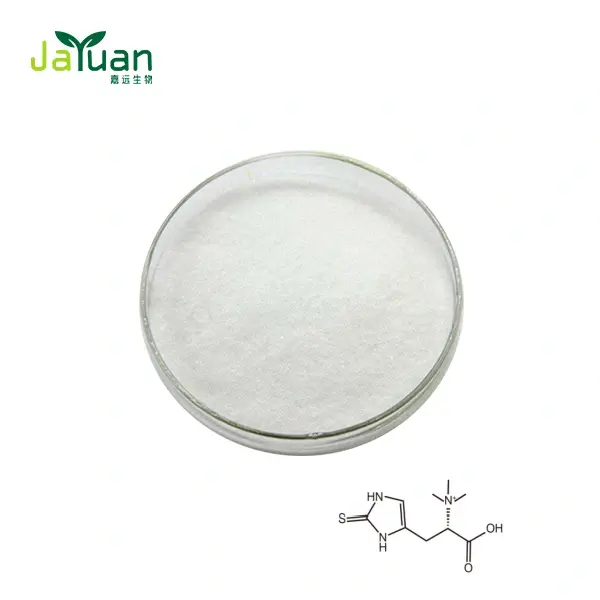

Ergothioneine Powder for Antioxidant Support: How It Works
L-Ergothioneine, or EGT, is a naturally occurring sulfur-containing amino acid derivative that has received significant interest in cosmetic formulation and nutraceutical component sourcing. Unlike traditional antioxidants, which rapidly lose their activity in aqueous settings, ergothioneine powder is stable throughout a broad pH range (3.0–9.0) and is resistant to auto-oxidation because of its tautomeric affinity for the thione form. Its focused transportation via the OCTN1 transporter enables it to concentrate precisely in high-oxidative-stress tissues, making it a technically better raw material for formulators and procurement teams looking at next-level antioxidant compounds.
Understanding Ergothioneine Powder: What It Is and Why It Matters
Chemical Identity and Natural Origin
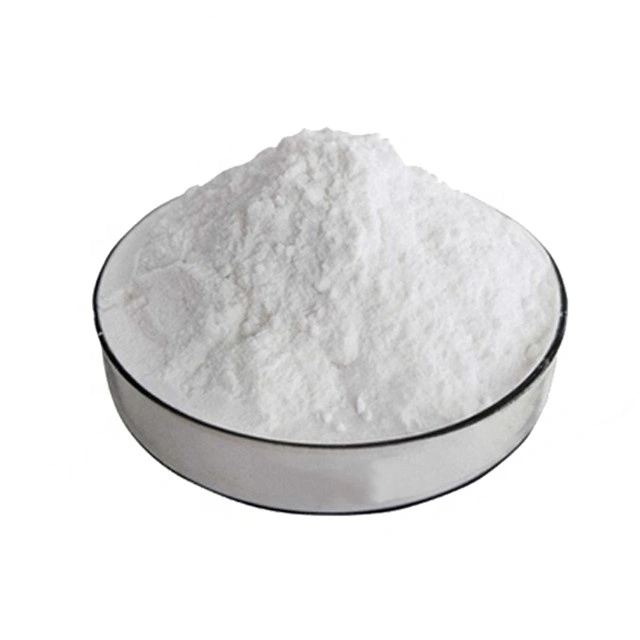
Ergothioneine powder consists of molecules with a molar mass of 229.3 g/mol and a chemical formula of C9H15N3O2S. It is naturally produced by mushrooms and certain kinds of mycobacteria; Also, large quantities may be generated by fermenting food with bacteria. The powder is white to off-white and crystalline. It decomposes between 257°C and 275°C, hence it is relatively stable at high temperatures during processing.
What Makes Its Antioxidant Structure Unique
The usefulness of ergothioneine powder comes from the thiourea ring on the molecular scale. Its form is substantially more stable against random oxidation than ascorbic acid or glutathione. It stops the Fenton reactions generated by free radicals and chelates divalent metal ions such as copper. This gives cells an extra layer of protection.
Safety and B2B Application Scope
Safety groups in the US, EU, and Asia have all agreed that L-ergothioneine is a safe ingredient to use in supplements. When a company buys an ingredient, they know it will be good for serums, face creams, vitamins you take internally and valuable meals. If there is documentation saying an item is safe for cosmetic or pharmaceutical usage then it may be included in a recipe. This complies with EU Cosmetics Regulation EC 1223/2009 and corresponding regulations in the US.
How Ergothioneine Powder Supports Antioxidant Health
Neutralizing Reactive Oxygen Species at the Cellular Level
Reactive oxygen species (ROS) are made when cells breathe and when they are exposed to UV light. Ergothioneine powder lowers ROS levels. ROS can't do any harm because they can only build up in mitochondria and nuclei; this stops them before they can do any damage. Studies published in respected science journals show that parts like the skin, liver, and eyes that have a lot of OCTN1 have a clear buildup of EGT. This supports EGT's role in protecting cells.
Skin Aging and Photooxidative Stress
The fact that EGT can slow down the aging process is a big plus for makeup ingredients. There is reactive harm from UV light that breaks down collagen structure and speeds up the aging process. In published in vitro studies, ergothioneine powder has been shown to lower oxidative marker levels by a large amount when added to topical serums in the right amounts. This helps the people who make the goods back up what they say about it.
Comparison to Glutathione and NAC
Two recognized antioxidants are glutathione and N-acetyl cysteine (NAC). However they are difficult to manufacture, since they decompose rapidly in water, their solubility varies, and they are influenced by pH. Ergothioneine powder is soluble in water at normal pH over 100 mg/mL, and it is transported by a specific transporter, not by passive diffusion. Such discrepancies reveal a significant discrepancy in performance that buying managers might use to justify why the firm needs to acquire better ingredients.
Practical Guide to Ergothioneine Powder Usage and Dosage
Recommended Use Levels in Cosmetic Formulations
Ergothioneine powder is usually mixed in at levels between 0.1% and 1.0% w/w when it is used on the skin. In this range, it adds a lot of antioxidant action without changing the color or taste of the final product. It is simple to add to water phases during the emulsion making process because it dissolves quickly in water (about 0.9M at 25°C).
Oral Supplement and Functional Food Dosing
In trials on humans the quantity of supplement taken by mouth each day has varied from 5 mg to 30 mg. This ingredient is expensive but a little goes a long way to make a serving better for B2B purchasers that produce functional beverages, capsules or tablets.
Quality Indicators Procurement Teams Should Verify
These rules protect both the product's usefulness and the money that was spent making it.
- Purity: ≥99% (pharmaceutical grade) or ≥95% (cosmetic grade), verified by HPLC
- Optical rotation: +122° to +128° (confirming L-isomer specificity and biological activity)
- Moisture content: ≤0.5% to prevent degradation during storage
- pH stability range: 3.0–9.0, confirmed by supplier data sheets
- Packaging: Sealed, nitrogen-filled to extend shelf life beyond three years
These specifications protect both product efficacy and formulation investment.
How to Source and Procure High-Quality Ergothioneine Powder
Certification and Regulatory Compliance Checklist
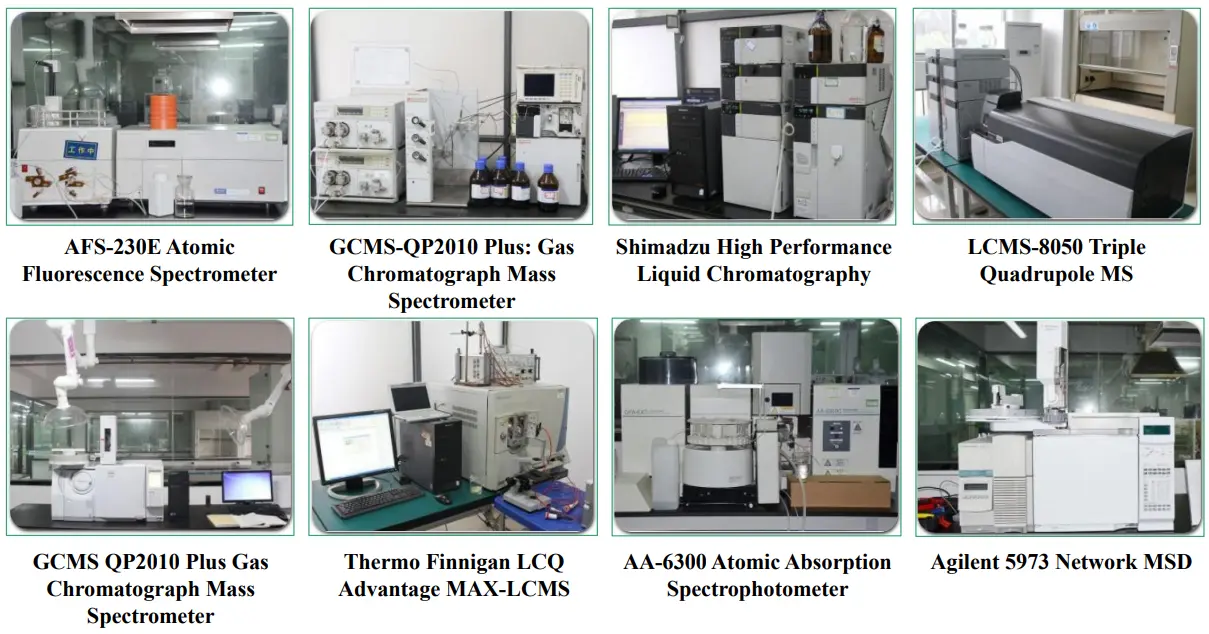
A good company that sells ergothioneine powder should at least have GMP approval and ISO paperwork. Following the EC 1223/2009 cosmetics law, people who want to sell their goods in the EU must make sure that the ingredient is free of certain impurities and comes with a full safety document. A third party should check each shipment using HPLC and give a batch certificate of analysis (CoA).
MOQ Flexibility and Bulk Pricing Considerations
Formulation labs and regional distributors can test ergothioneine powder in small amounts (usually at least 1 kg). This lowers their financial risk during the development phase. How cheap your prices are at a large scale is just as important. When compared to small-batch workshop production, a supplier with a 10-ton production line can spread fixed overhead costs out very well, lowering unit costs by 40% to 60%. This arrangement of costs helps the people who are in charge of planning for ingredients, the buying managers.
Evaluating Supplier Transparency and Technical Support
People who sell B2B ingredients won't stay in business for long if price is the only thing that draws them in. People who are buying should see if the company gives detailed technical data sheets, help with formulating, and quick sample programs. When suppliers use automated production controls, like DCS systems that manage pH, temperature, and solvent ratios, they make batches that are more consistent. This saves the buyer money on the cost of redoing work.
Making the Right Decision: Ergothioneine Powder in Your Product Line
Applications Across Cosmetics, Nutraceuticals, and OEM Manufacturing
Ergothioneine powder works well in high-end vitamin pills, creams that fight aging, eye care products, and serums. The element can be used by both OEM and ODM companies since it can be changed in several ways. Most emulsification settings can handle it, it mixes well with water, and it doesn't change the color of light formulas. It works with a lot of different kinds of finished goods because of these features.
Differentiation Value for Brand Owners and Distributors
As people in the US and Europe learn more about cellular antioxidants, companies that use active ingredients like EGT that have been proven to work can make their product stories stronger. Ergothioneine powder has been discussed in respected papers and at trade shows like in-cosmetics Global, which aids formulators and marketing teams in making wise choices.
Why Early Adoption Matters for B2B Buyers
L-ergothioneine is slowly becoming more famous in supplements and beauty items all over the world. Setting up a supply relationship now, before prices go up because of rising demand, can help distributors and brand owners get ahead of the market. Prices are more likely to stay stable for suppliers who get their own raw materials and use green ways to make their products than for suppliers who buy on the spot market.
Conclusion
Ergothioneine powder is an antioxidant that has been shown to work by science. It makes up for some of the problems with other ingredients. It's easy for OCTN1 to take, doesn't change when the pH level changes, and works with both supplement and makeup types. Because of these things, formulation directors and buying managers who work in places with a lot of competition should choose it. This ingredient can improve many types of goods if it has the right licenses, info on its clarity that has been checked, and a trustworthy supply chain.
FAQ
1. What purity level of ergothioneine powder should I specify for cosmetic use?
For cosmetic-grade applications, a minimum purity of ≥95% verified by HPLC is the accepted industry standard. For pharmaceutical or high-end supplement use, ≥99% is required. Always request a batch-specific CoA and confirm optical rotation to verify the biologically active L-isomer.
2. Is ergothioneine powder stable in aqueous serum formulations?
Yes. Its tautomeric preference for the thione form means it does not auto-oxidize in water-based systems at physiological pH. It remains stable across pH 3.0–9.0, making it suitable for most serum and emulsion formats.
3. How does ergothioneine powder differ from glutathione as a raw material?
Glutathione degrades rapidly in aqueous formulations without stabilization. Ergothioneine powder maintains inherent stability, does not require special packaging modifications for short-term aqueous stability, and delivers active molecules via a specific cellular transporter rather than passive diffusion.
Partner with Jiayuan Bio-Tech for Certified Ergothioneine Powder Supply
They sell ergothioneine powder that is pure enough to be used in drugs and products, and they have GMP and ISO certifications to back it up. Since we make our own ergothioneine powder, we can make sure it is of high quality. We have a flexible bulk price and a minimum order size of 1 kg. The powder is packed in nitrogen-sealed bags that keep it fresh for three years. It's up to our logistics team to clear customs in the US and EU. We can be reached at sales@jiayuanbio.com or sales1@jiayuanbio.com, or you can visit jayuanbio.com.
References
1. Halliwell, B., Cheah, I. K., & Tang, R. M. Y. (2018). Ergothioneine – a diet-derived antioxidant with therapeutic potential. FEBS Letters, 592(20), 3357–3366.
2. Cheah, I. K., & Halliwell, B. (2012). Ergothioneine; antioxidant potential, physiological function and role in disease. Biochimica et Biophysica Acta – Molecular Basis of Disease, 1822(5), 784–793.
3. Grundemann, D., Harlfinger, S., Golz, S., Geerts, A., Lazar, A., Berkels, R., … & Schömig, E. (2005). Discovery of the ergothioneine transporter. Proceedings of the National Academy of Sciences, 102(14), 5256–5261.
4. Paul, B. D., & Snyder, S. H. (2010). The unusual amino acid L-ergothioneine is a physiologic cytoprotectant. Cell Death & Differentiation, 17(7), 1134–1140.
5. Pfeiffer, C., Bauer, T., Surek, B., Schömig, E., & Grundemann, D. (2011). Cyanobacteria produce high levels of ergothioneine. Food Chemistry, 129(4), 1766–1769.
6. Smith, E., Ottosson, F., Hellstrand, S., Ericson, U., Orho-Melander, M., Fernandez, C., & Melander, O. (2020). Ergothioneine is associated with reduced mortality and decreased risk of cardiovascular disease. Heart, 106(9), 691–697.