When to Take Cytisine Supplement for Best Results
If you are searching for the right time to take a cytisine supplement, the short answer is: start before your quit day, follow a graduated 25-day dosing schedule, and space doses evenly throughout waking hours. Cytisine, a plant-derived alkaloid extracted from Sophora alopecuroides and related species, works by binding to α4β2 nicotinic acetylcholine receptors in the brain. This partial agonist action reduces nicotine cravings and eases withdrawal discomfort without delivering addictive dopamine spikes. Timing your cytisine supplement intake correctly is what separates a successful cessation outcome from a frustrating relapse.
Understanding Cytisine Supplement and Its Mechanism
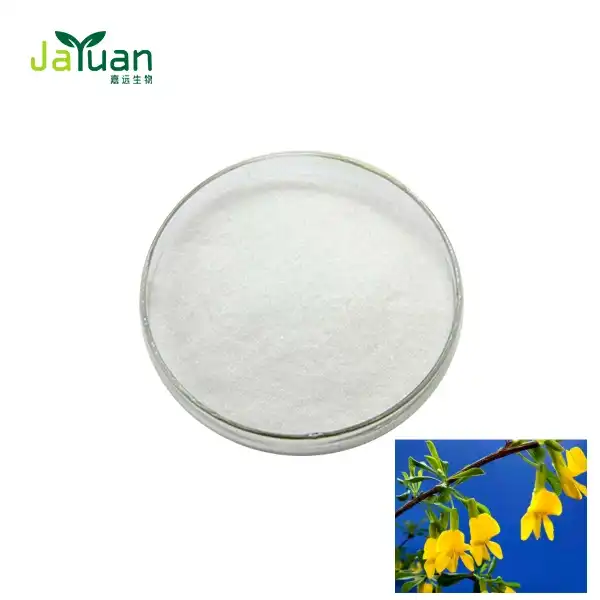
What Is Cytisine and Where Does It Come From?
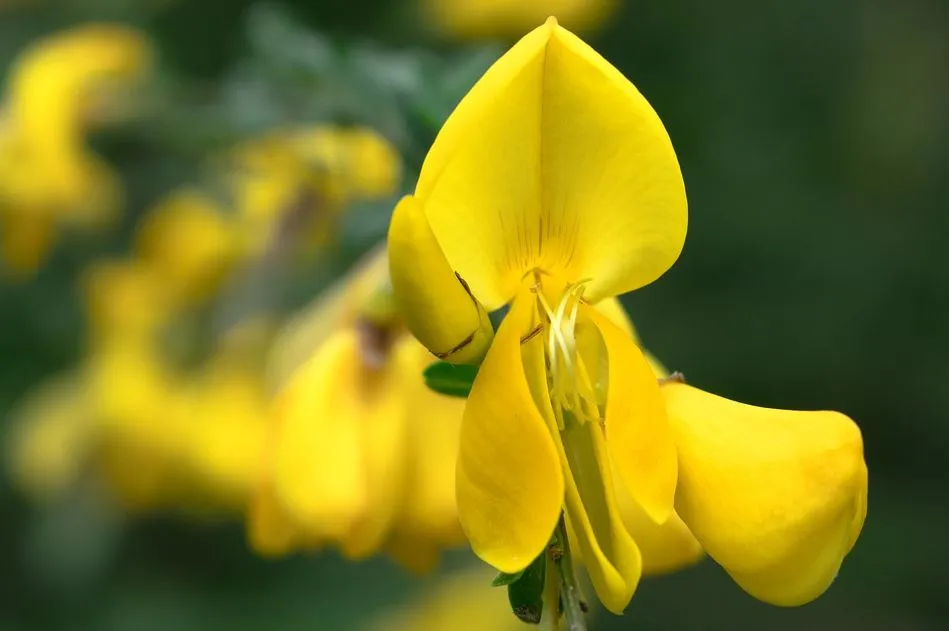
The molecular formula for cytosine is C₁H₁N₂O, and it has a CAS number of 485-35-8. It is a tricyclic quinolizidine alkaloid that weighs 190.24 g/mol. It is found naturally in the seeds of Sophora alopecuroides and Laburnum anagyroides. It occupies the same receptor sites as nicotine because its molecular structure is very similar to nicotine's. However, it only partially activates those receptors. Companies that make health products in the US and Southeast Asia are very interested in the cytisine vitamin because of this biochemical trait.
How Does It Work in the Body?
It is very strong when someone takes a cytisine substance because it binds to α4β2 nicotinic acetylcholine receptors. This partial agonism lessens the severity of nicotine withdrawal symptoms while also lowering the normal reward signal that smoking sends. A major randomized controlled trial released in 2011 in "The New England Journal of Medicine" proved that cytisine worked much better than a sugar pill over a 25-day period and was about as safe as nicotine replacement treatment.
Why Does Timing Affect Receptor Engagement?
Since cytisine has a short plasma half-life, giving it in equal amounts over the course of the day keeps the blood concentration steady, which keeps receptor occupancy fixed. Dosing too often or too little can leave gaps in receptor coverage, which can bring back nicotine cravings. If you are buying ingredients to make finished products like tablets or capsules, knowing about this pharmacodynamic window is very important for planning your dosing intervals and how you will label your products.
Key Factors Influencing the Timing of Cytisine Supplement Intake
The 25-Day Graduated Schedule
Studies in humans always show that a 25-day plan is the best way to go. Higher daily doses are usually taken every two hours from day 1 to 3. Doses slowly decrease from day 4 to 12 and then even more until day 25. Inside the first five days of taking the cytisine pill, users set a date to stop. With this approach, receptor sites are saturated early, which makes it less appealing to smoke before the quit date.
Morning vs. Evening Dosing
The first dose of the day for a cytisine supplement should be taken as soon as you wake up, before your usual morning cigaret, which is when many smokers feel the greatest urge. Some people have minor sleep problems when they take bigger doses in the evening, so they shouldn't be taken more than two hours before bed. For companies making a line of cytisine supplements, making these windows clear on the packaging and in customer education tools can really help people stick to their plans.
Individual Variables That Shift Optimal Timing
How fast cytisine is taken and cleared depends on things like body weight, smoking habit (light vs. heavy user), liver metabolism rate, and taking supplements at the same time. If you smoke more than 20 cigarets a day, you might need the full upper-range dosing density for the first three days. If you smoke less, you might be able to handle a slower ramp-up. Formulators of ingredients who make adjustable-dose forms, like scored pills or variable-count capsule packs, let end users customize the program to their needs.
Comparison of Cytisine Supplement Timing with Other Smoking Cessation Methods
Cytisine vs. Nicotine Replacement Therapy
Nicotine patches and gum keep your body's low-level nicotine supply going all day. This means that they keep your body physically dependent on nicotine even though they make you less likely to smoke. In contrast, a cytisine pill works as a partial agonist, slowly taking the place of nicotine's full effect. It has a shorter schedule—25 days instead of the 8–12 weeks that most NRT programs have—and it doesn't add more nicotine to the body.
Cytisine vs. Prescription Medications
Varenicline (Champix/Chantix) and cytisine work on the same type of receptors, but in the US, there is a "black box" warning about possible mood-related side effects. In a 2014 Cochrane review, it was found that cytisine and varenicline both had similar rates of helping people stop using drugs. Because cytisine comes from plants, supplement brands can use a botanical or "green wellness" story to promote it. This is a big marketing plus in the US market, where people are increasingly interested in plant-based ingredients.
Cytisine vs. Herbal Alternatives
There are a lot of plant goods on the market that claim to help people stop smoking, but they use lobeline or valerian extracts, which have mixed dose-response data. The cytisine supplement stands out because the way it binds to receptors has been well described in peer-reviewed literature. This gives B2B buyers an ingredient story that is backed up by science and can be trusted on both ingredient panels and brand websites.
Procurement Considerations for Cytisine Supplement
Certifications and Quality Standards
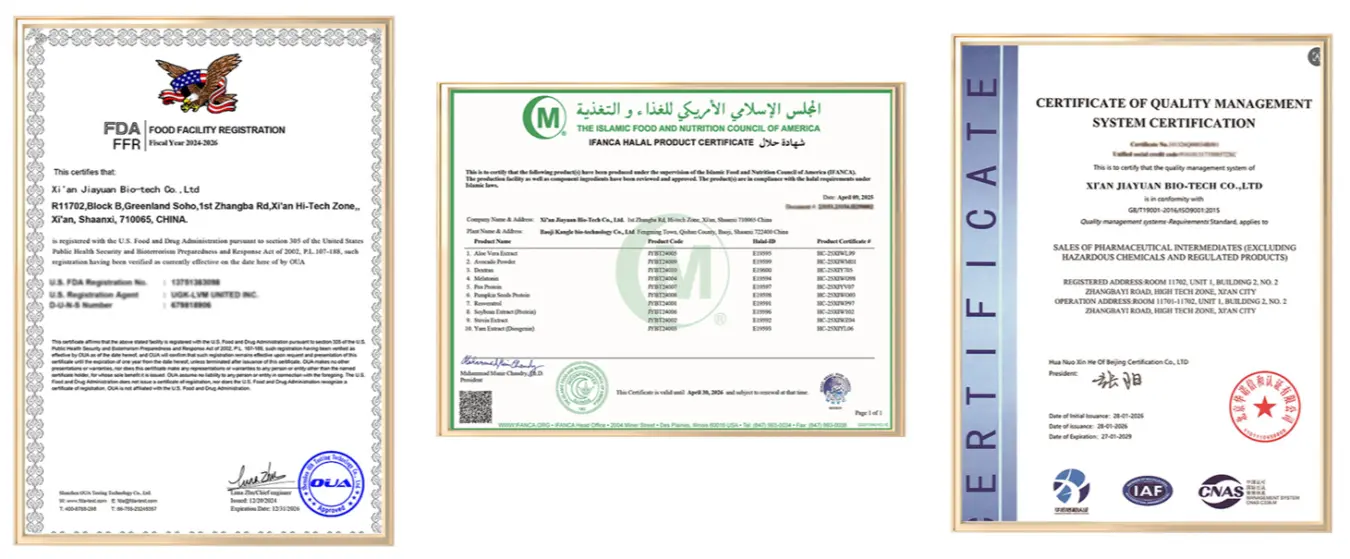
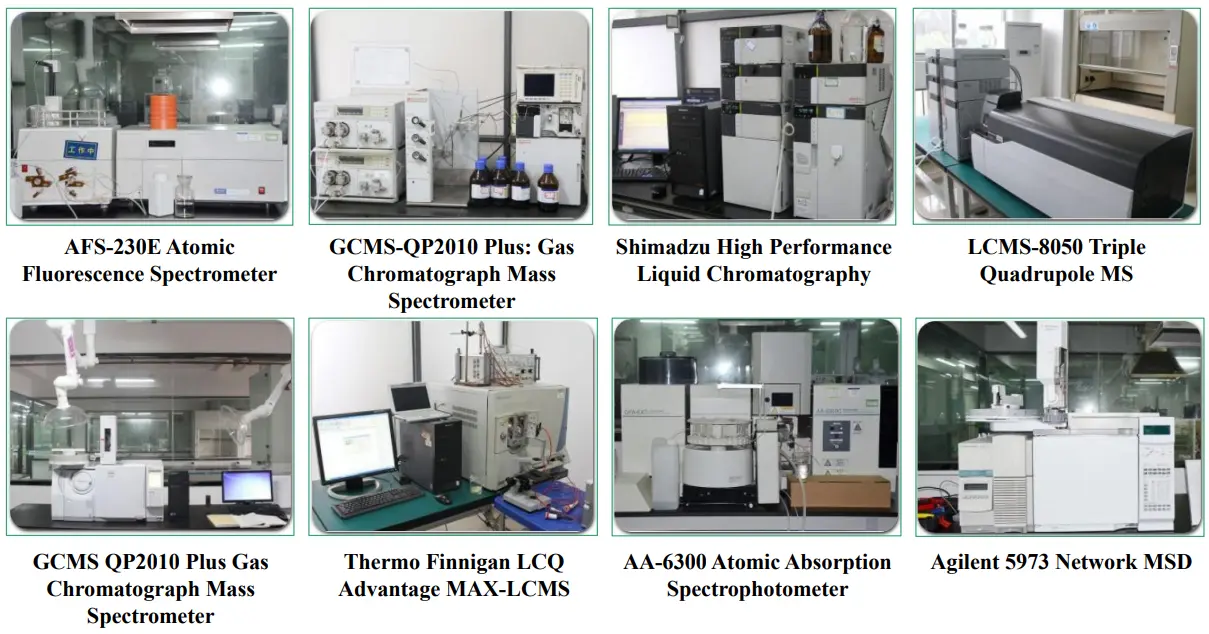
To get into the US market, you must first get a cytisine product ingredient from a company that has GMP and ISO standards. At Jiayuan Bio-Tech, our production facility has two types of quality control. Near-infrared spectroscopy checks the concentration of the extract all the time, and offline HPLC and GC-MS tests make sure that the product meets EP/USP standards. Our purity always gets to or above 98%, and pharmaceutical-grade batches get to or above 99%.
Here are the main benefits of production and quality that B2B buying managers care about the most:
- High-Efficiency Extraction: Dynamic countercurrent extraction and ultrasonic-assisted extraction deliver 30–50% greater extraction efficiency than conventional immersion methods, reducing solvent consumption and batch-to-batch variability.
- SMB Chromatographic Purification: Simulated moving bed chromatography enables continuous production with stable purity above 98%, minimizing downtime and ensuring consistent API quality across large orders.
- Solvent Recovery System: A multi-effect evaporator with condensation recovery for a cytisine supplement achieves ≥90% ethanol/methanol recovery, lowering the cost per kilogram significantly compared to smaller workshops.
- Vertically Integrated Supply Chain: In-house cultivation agreements near the Qinling Mountains secure raw material supply and buffer against commodity price swings, translating to more predictable pricing for buyers.
Because of these structural benefits, Jiayuan Bio-Tech can give unit costs that are 40–60% cheaper than those of small-scale producers while still meeting the standards for purity and stability set by regulated markets.
Dosage Forms and Customization
The cytisine supplement ingredient works well in both capsules and tablets. Cytisine is stable at high temperatures and stays solid even when compressed, which is good for tablets. Capsules work well for brands that want to have a "clean label" look. Jiayuan Bio-Tech can handle small-batch OEM orders, which lets new brands test formulas before committing to full production runs. Our moisture control (≤0.5%) and nitrogen-filled sealed packaging make the shelf life longer than three years, which helps meet the deadlines for international shipping.
Regulatory and Compliance Landscape
Claims about the intended use have a lot to do with how cytisine-based goods are regulated in the US. Under DSHEA rules, goods with cytisine can be sold in the US as long as they are marketed as an ingredient in food supplements and don't make any drug claims. Jiayuan Bio-Tech helps brand founders make sure that their product claims are in line with what the FDA wants. This way, they can avoid the advertising restrictions that can happen when drug-like language appears on packaging.
Best Practices and Case Studies on Taking Cytisine Supplement
Adherence Is the Strongest Predictor of Success
A study published in 2021 in the journal Addiction found that sticking to the full 25-day cytisine schedule was the best predictor of staying sober for six months. There are consistently higher satisfaction scores and lower return rates for brands that educate their customers with clear dosing cards, reminder apps, or printed schedules that are built into the packaging.
Common Pitfalls to Avoid
Most people who return say they missed doses between days 4 and 8, which is a very important time for stopping. To fix this, brands can put the cytisine supplement in daily blister packs that are numbered by day. This makes it easy to keep track of doses. Giving clear instructions on how important it is to keep going even after a "slip" day also keeps people from quitting too soon.
Real-World Brand Outcomes
Several European companies that made cytisine supplements in the 2010s reported six-month abstinence rates of 40–47% in post-market surveillance data. This is a lot higher than the 5–7% rate of people quitting on their own. These numbers have become a big deal for US and Southeast Asian brand owners who want to start their own cessation pill companies.
Conclusion
The most important thing for successful quitting is to take a cytisine supplement at the right time, starting before the quit date, spreading out doses evenly, and following the 25-day graduated procedure. This dosing science directly affects how brands are designed, with scored tablets for flexible dosing, blister-pack forms to help people stick to their schedules, and clear schedules on the package for customers to see. Your business will have the confidence it needs to compete in the growing plant-based health market if it gets its cytisine ingredient from a manufacturer whose extraction technology has been tested and whose supply chain is stable.
FAQ
1. How soon does a cytisine supplement begin to work?
Most users report a noticeable reduction in craving intensity within the first three to five days of starting the regimen. Receptor saturation builds during the high-dose early phase, and the urge to smoke generally weakens before the formal quit date arrives on day five.
2. Is it safe to take a cytisine supplement alongside other supplements?
Current evidence shows no major interactions with standard vitamins or mineral supplements. Individuals taking prescription medications—particularly those affecting the central nervous system—should consult a healthcare professional before beginning any cessation supplement containing cytisine.
3. Can brands order cytisine supplement ingredient in small trial quantities?
Yes. Jiayuan Bio-Tech supports small-batch OEM orders specifically for brands in the validation phase. This allows founders to test formulations and packaging before scaling.
Partner with Jiayuan Bio-Tech for Your Cytisine Supplement Supply
Your brand needs an ingredient partner that can help you with both technical and business issues. Jiayuan Bio-Tech sells cytisine supplement manufacturer-grade material that is GMP- and ISO-certified and has a purity level of 98% or higher. They have patented processes for purification and a supply chain that is vertically integrated, which keeps prices stable. Small test orders, OEM customization, and door-to-door logistics clearance to the US are all things we can do. Get in touch with our team right away to ask for a sample or talk about your recipe needs: Email addresses that work: sales@jiayuanbio.com, sales1@jiayuanbio.com, and jayuanbio.com.
References
1. West, R., Zatonski, W., Cedzynska, M., et al. — New England Journal of Medicine, 2011
2. Cahill, K., Lindson-Hawley, N., Thomas, K. H., et al. — Cochrane Database of Systematic Reviews, 2016
3. Hajek, P., McRobbie, H., & Myers, K. — Addiction, 2013
4. Tutka, P., & Zatonski, W. — Pharmacological Reports, 2006
5. Leaviss, J., Sullivan, W., Ren, S., et al. — Health Technology Assessment, 2014
6. Walker, N., Howe, C., Glover, M., et al. — JAMA Internal Medicine, 2014