Ergothioneine Powder Buyer’s Guide: Choose the Best
Purchasing ergothioneine powder is not like purchasing any commodity antioxidant. Get the purity incorrect and your recipe fails the stability tests. If you choose a supplier who doesn’t have the required certifications, your regulatory submission will be delayed. This tutorial is provided by the team at Jiayuan Bio-Tech, manufacturers of pharmaceutical quality L-ergothioneine via controlled fermentation. We know what tripwires first-time purchasers encounter and what differentiates a solid shipment from a compliance issue. Our objective is simple: to provide you with a clear framework for assessing ergothioneine powder providers so that your next purchase is on spec, on time and with the documentation your QA team need.
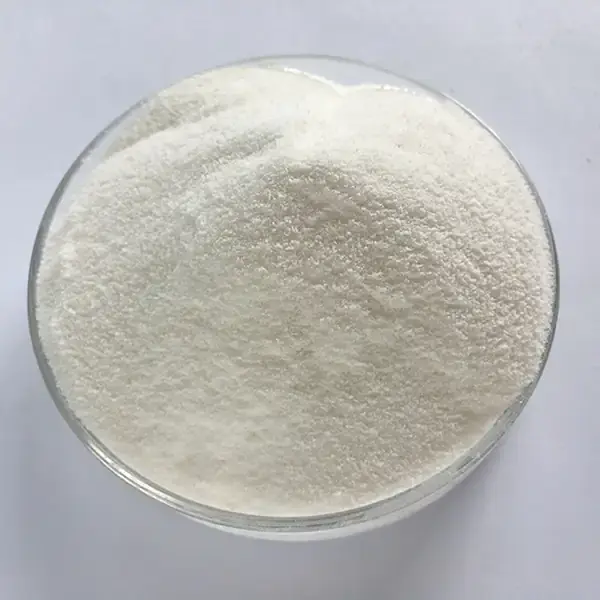
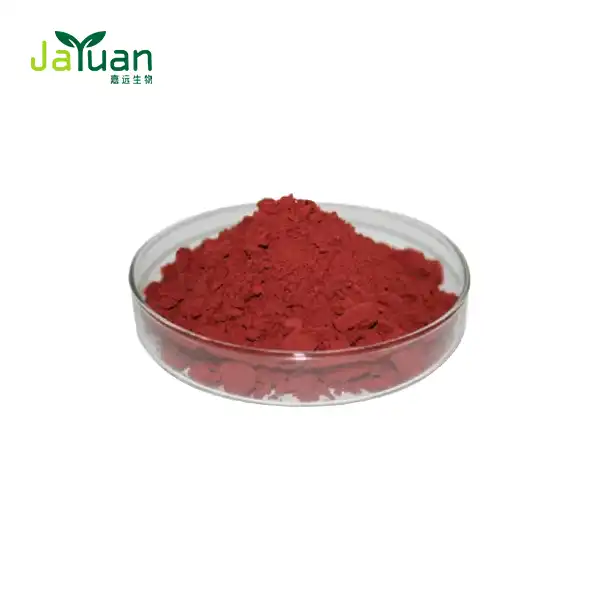
Purity: 1%-10%
Appearance: Dark red powder
CAS NO.: 472-61-7
Molecular Weight: 596.85
Molecular Formula: C40H52O4
MOQ: 500G-1KG
Inventory: in stock
Our Advantages: Scalable production capacity, strict quality control, cost efficiency from integrated factories, over 20 years of experience, advanced technology, and 24/7 after-sales support.
Certificaions: FSSC2000/ISO2000/HALAL/KOSHER/HACCP
Delivery terms: FedEx, DHL, EMS, UPS, TNT, all kinds of the airline, international shipping companies.
Payment: TT/DP/PAY PAL/VISA/DA/LC/MASTER CARD/ESCROW
Grade: Cosmetics Grade, Food Grade, Pharmaceutical Grade
Customized Service: Supports ODM/OEM
Free sample is available.
We do not sell retail quantities to individuals.
Introduction
The antioxidant need in nutraceuticals, cosmetics and medicines has changed. Buyers don’t want only vitamin C or glutathione anymore. Those substances spoil quickly. Vitamin C is oxidised within hours in aqueous environments unless properly stabilised. Glutathione taken by mouth is mostly destroyed by digestion [1]. Formulators need something that can survive production, storage and bioavailability hurdles.
That’s where ergothioneine powder comes in. This sulfur-containing amino acid derivative is preferentially taken up by tissues under oxidative stress, e.g. skin, liver, eyes and kidneys [2]. It was discovered in 1909 and subsequently identified as a substrate for a specific human transporter protein (OCTN1). Three features are compelling for B2B buyers: it tolerates a broad pH range, withstands heat processing beyond 100 °C, and is significantly more stable in aqueous solution than traditional antioxidants. These qualities immediately translate into a longer shelf life and fewer reformulation cycles.
Understanding Ergothioneine Powder: What It Is and Why It Matters
The Chemical Nature and Biological Significance
L-ergothioneine (CAS 497-30-3, chemical formula C₉H₁₅N₃O₂S) is a derivative of histidine betaine. What makes it unique among other dietary antioxidants is the presence of a thiourea group in the imidazole ring. The sulphur atom imparts redox properties unlike any typical antioxidant -- it quenches singlet oxygen, scavenges hydroxyl radicals and chelates metal ions without forming reactive intermediates that harm lipids or DNA [3].
The biological piece that matters for formulators is the OCTN1 transporter (solute carrier family 22 member 4). Humans absorb ergothioneine from food -- mushrooms are the primary dietary source -- but we do not make it ourselves. Cells that face heavy oxidative load express OCTN1 at high levels and aggressively clear ergothioneine from circulation [2]. So your end-product is not simply another floating free-radical sponge. It is supplied where the harm is really occurring. That tailored distribution is the difference between a captivating promise and a forgettable recipe, whether you are talking about a topical anti-aging lotion or an oral lifespan supplement.
Production Methods and Quality Considerations
Ergothioneine powder may be obtained by two methods: extraction from mushroom biomass and production by fermentation. Mushroom extraction provides trace levels (usually <0.1% dry weight), takes huge quantities of organic solvent and results in uneven potency batch to batch. In 2026 the majority of serious customers deal solely with fermentation produced product [4].
The ergothioneine biosynthetic pathway -- genes egtA to egtE -- is expressed in engineered microorganisms (usually yeast or E. coli strains) in controlled bioreactors for fermentation. In downstream processing the biomass is removed and the product is concentrated and purified by chromatography. A good fermentation line will provide you HPLC purity of 98.0% or more, and medicinal grades of 99.0%+. The white to off-white powder is soluble in water (>100 mg/mL at 25 °C) and has a specific rotation [α]D²° of +122° to +128°, establishing the L-isomer as the physiologically active form.
When checking a supplier’s CoA (Certificate of Analysis) look for three numbers: assay purity (HPLC), moisture content (preferably ≤0.5%), heavy metals (Pb ≤1 ppm, As ≤1 ppm, Hg ≤0.1 ppm). Low moisture equals longer shelf life. "Tight heavy metal specs show the purification system is working." If a provider cannot provide you with those three digits quickly, continue your search.
Comparing Ergothioneine Powder to Other Popular Antioxidants
Bioavailability and Cellular Uptake Mechanisms
Procurement teams compare ingredients by cost per kilo. But cost per kilo means nothing if half your active degrades before the consumer opens the bottle. Let us look at the three antioxidants you are probably also buying:
Vitamin C (ascorbic acid) oxidizes rapidly in water. Without chelating agents, pH buffering, and oxygen-barrier packaging, it turns brown in weeks. Glutathione, while essential for intracellular redox balance, breaks down in the stomach. Oral bioavailability hovers around 10-15% even with protective coatings [1]. Coenzyme Q10 (ubiquinone) is lipid-soluble and poorly absorbed unless formulated with oil carriers or emulsified.
Ergothioneine powder bypasses these problems on three fronts. First, its thiourea structure resists auto-oxidation -- the molecule simply does not degrade the way ascorbate does. Second, it survives gastric acid and reaches the small intestine intact, where OCTN1 transporters actively pull it across the gut wall and into the bloodstream [2]. Third, once absorbed, the body retains it. Plasma half-life in humans runs approximately 30 days, hundreds of times longer than vitamin C or glutathione [3]. Those numbers are not marketing claims. They come from pharmacokinetic studies. For a formulator, they mean you need less active per dose to achieve sustained protection.
Synergistic Potential and Formulation Compatibility
Ergothioneine doesn't compete with other antioxidants. It supplements them. Laboratory findings demonstrate that the combination of ergothioneine with glutathione or N-acetylcysteine offers more protection against oxidative damage than the sum of the individual components [3]. The probable mechanism: ergothioneine handles hydroxyl radicals and singlet oxygen (routes where glutathione is poor), while glutathione sustains the cellular thiol pool that ergothioneine neglects.
This synergy is practical from a formulation perspective. You may lower the amount of pricey, delicate components like CoQ10, and still make a stronger label claim. Ergothioneine powder also makes production easier since it does not need to be stored under a nitrogen blanket, in light-protected containers or with cold-chain logistics – expenditures that rapidly mount with ascorbic acid or resveratrol formulations.
How to Choose the Best Ergothioneine Powder Supplier: Key Procurement Criteria
To vet a supplier, more than browsing the website is needed. You need to check what comes to your dock, not what is in their marketing PDF. These are the three biggest areas, at least in terms of what our own QA team examines for when onboarding new raw material providers.
Technical Specifications and Analytical Documentation
A trusted ergothioneine powder provider will supply a thorough CoA with every batch. The minimal data set includes: HPLC purity (area normalisation, chromatogram available on request), moisture by Karl Fischer titration, heavy metals by ICP-MS (lead, arsenic, cadmium, mercury), total aerobic microbial count and residual solvent profile.
For pharmaceutical or food supplement purposes, ask for EP or USP reference grade paperwork. If your formulation is making no medicinal claims, but you do require comprehensive safety data -- skin irritation, ocular irritation, and sensitisation panels -- cosmetic grade product at 95%+ purity may be acceptable. Request stability data in accelerated conditions (40 °C / 75% RH, minimum 6 months). Products packaged in heat-sealed foil laminate flushed with nitrogen should be potent for 36 months at 25 °C. If the supplier is not able to give you with real-time stability data, do your own testing on the pilot batch prior to placing a production order.
Certification and Compliance Infrastructure
Every market sector requires its own paperwork trail. Pharmaceutical buyers need ISO 13485 (medical device quality management) or compliance with 21 CFR Part 211. Food supplement buyers need GMP certification recognized in their target market -- NSF/ANSI 455 for the US, EU according to EFSA GMP. Cosmetic consumers should look for ISO 22716 (Cosmetic GMP). Organic certification (NOP, EU Organic, or JAS) is important if your finished product makes an organic claim.
Jiayuan Bio-Tech's manufacturing lines are ISO 9001, GMP and HALAL certified. Before you place an order with any provider, ask to see the genuine certificate – not just the logo on their website – with the issuing body, certificate number, scope statement and expiry date. If the provider is not willing to give certificate data, it almost probably means they are not fully compliant.
Production Capacity and Supply Reliability
Questions Every Buyer Should Ask About Capacity: How much ergothioneine powder do you produce each year? How much of the capacity is already contracted on a long-term basis? What is your normal lead time for an order of 500kg? What is the impact on lead time if I double order? Are there any safety stocks of completed product or is each batch made to order?
A provider with one or more fermentation lines with an annual capacity of >10 metric tonnes can often absorb demand surges without affecting supply schedules. Vertical integration is also important. Suppliers who manage their own strain development and raw material procurement, rather than outsourcing fermentation to a CMO, have less single-point-of-failure concerns in the supply chain.
Procurement Strategies for Ergothioneine Powder: Maximizing Value and Security
Beyond qualifying the supplier, how you structure the commercial relationship makes a big difference to total cost and supply security. Here is what has worked for our long-term B2B partners.
Geographic Sourcing Considerations
China has been developing infrastructure for fermentation-based speciality biochemicals in stages. Chinese manufacturers are generally 30-50% lower than US or European rivals for similar purity products, because to lower energy costs, extensive biotech talent pools and government subsidies for bio-manufacturing parks. Jiayuan Bio-Tech, based in Xi’an, benefits from its proximity to agricultural raw resources and strong transportation corridors to key ports.
But pricing should not be dependent only on location. Lead time, ease of onsite audits and knowledge with regulatory issues make a difference. Many Western purchasers operate on a dual-source strategy, with a main supplier in China for cost-competitive volume, and a secondary source in the EU/US for urgent orders and supply chain redundancy. This technique often offers the best total cost of ownership and removes the single-region reliance.
Volume Optimization and Pricing Strategies
Tiered pricing is standard in the ergothioneine powder market. Typical breakpoints fall at 10 kg, 50 kg, 100 kg, and 500 kg. Unit price drops by 15-25% between each tier. Annual supply agreements (ASAs) usually achieve an additional 8-12% discount over spot pricing, plus guaranteed allocation during production peaks.
Before signing an ASA, calculate your economic order quantity (EOQ) using: carrying cost (warehousing + cost of capital + spoilage risk) versus ordering cost (shipping + customs brokerage + testing). For most mid-size supplement brands buying 200-500 kg annually, the EOQ sits around 50-100 kg per shipment. Jiayuan Bio-Tech offers first-order trial pricing and multi-SKU consolidation discounts.
Verification Protocols and Quality Assurance
If you buy ergothioneine powder that’s contaminated or under-potent, it might cost you a batch, a customer or a regulatory finding. Put verification into your purchase process before the issues reach the factory floor.
Step 1. Ask for a pre-shipment sample and submit it to an impartial third-party lab. HPLC purity test, particular rotation, heavy metals. Compare the findings to the supplier’s CoA. Any variance beyond 2% in purity or any heavy metal exceedance will be disqualified.
Step 2. Develop a quality agreement including test techniques, approval criteria and processes for rejection of each batch for continuous supply. Third: audit essential suppliers at least every 24 months. A half day onsite visit will tell you more about process control than years of paper based documentation. Transparency is what you need in a key ingredient partner, so choose a supplier that is open to audits and discloses their records of failure investigation (CAPAs).
Future Outlook and Trends in Ergothioneine Powder Market
Expanding Application Scope
The ergothioneine powder market is growing at the same time in three segments. In cosmetics, L-ergothioneine is now a standard addition to premium anti-aging formulations alongside proven actives such as retinol and peptides. Recent clinical investigations have shown meaningful improvements in epidermal barrier function and decrease of UV-induced erythema at inclusion rates of 0.1-0.5% for topical formulations.
Longevity and cellular health segment drives nutraceuticals demand. Consumers who understand mitochondrial function – and more of them do every year – especially look for items with OCTN1-mediated delivery [3]. Pharmaceutical research is now examining ergothioneine for neuroprotection, nephroprotection and preeclampsia prevention, however these uses are still in early clinical stages.
For B2B buyers, the practical implication is supply assurance. Establish relationships with qualified manufacturers now, before published clinical data drives demand past current production capacity.
Technological Innovation and Production Advances
Metabolic engineering and process optimisation have raised the ergothioneine fermentation output by fivefold in the last decade [4]. Batch column purification has been replaced by continuous chromatography methods that reduce solvent usage by 40-60% and narrow purity ranges. These developments result in cheaper per-kilogram prices for purchasers and less variance from batch to batch for formulators.
At Jiayuan Bio-Tech, we deploy distributed control systems (DCS) for real-time fermentation monitoring and use inline quality checks using near-infrared (NIR) spectroscopy. This is why not only end-point testing is conducted, but also process analytical technology (PAT) monitoring on every batch. For regulated items whose regulatory clearance is based on batch uniformity, that level of process control is worth the premium above spot-market price.
Sustainability and Ethical Sourcing
Sustainability has shifted from a marketing checkbox to a procurement necessity. From an environmental perspective, fermentation beats mushroom extraction hands down: no deforestation for wild harvesting, no solvent-intensive biomass processing, and a far reduced land footprint per kilogram of production. Modern facilities have closed-loop water systems, biogas extraction from fermentation off-gas and zero-liquid-discharge wastewater treatment.
When considering ergothioneine powder providers enquire for their environmental management certification (ISO 14001 is a minimum) and any carbon footprint or life cycle assessment statistics. Even if your business does not currently issue sustainability reports, the data can assist future-proof your supply chain as ESG regulations tighten across EU, UK and North American markets.
Conclusion
There are three important facts about the provider of ergothioneine powder you should verify: purity verified by third-party HPLC data, certificates matching the regulatory requirements of your target market, and manufacturing capacity that can grow with your company. All the rest – price levels, delivery times, location convenience – is derived from those basics.
We have articulated the scientific justification (why we care about OCTN1-mediated delivery), the quality standards (what constitutes an authentic CoA), and the business approaches (tiered pricing, dual sourcing, continuing audits) that distinguish a seamless procurement process from a compliance event.
FAQ
1. Is long-term supplementation with ergothioneine products safe for consumer applications?
Yes. L-ergothioneine occurs naturally in mushrooms, which humans have eaten for thousands of years. No established upper tolerable intake level exists because toxicity studies at doses far exceeding typical supplementation levels have not identified adverse effects [3]. The European Food Safety Authority (EFSA) and US FDA have not issued specific restrictions on ergothioneine use in food supplements. That said, manufacturers should conduct product-specific safety assessments, especially for combinations with other bioactives or for populations outside the general adult demographic.
2. How can I verify the authenticity and purity of ergothioneine powder from potential suppliers?
Three checks will catch most problems. First, request a pre-shipment sample and send it to an ISO 17025-accredited lab for independent HPLC purity testing and specific rotation measurement. The [α]D²° should fall between +122° and +128° for pure L-ergothioneine. Second, compare the supplier's batch CoA against your third-party results. Any purity discrepancy beyond 2% or a heavy metal exceedance is a hard stop. Third, ask for full batch traceability documentation -- raw material lots, fermentation run records, and QC release data. Reputable producers like Jiayuan Bio-Tech provide all three without hesitation.
3. What certifications should qualified ergothioneine powder suppliers possess?
The answer depends on your end market: pharmaceutical customers need ISO 13485 or cGMP (21 CFR 211) compliance. Food supplement buyers should require GMP certification (NSF/ANSI 455-2 or equivalent) plus HACCP. Cosmetic formulators need ISO 22716. HALAL and/or KOSHER certifications matter for markets in Southeast Asia and the Middle East. Organic certifications (NOP, EU Organic) apply only if the final product carries an organic claim. Across the board, ISO 9001 provides the baseline quality management framework. Ask to see actual certificates, not logos. Jiayuan Bio-Tech's ISO, GMP, and HALAL certificates are available for review upon request.
Partner With Jiayuan Bio-Tech for Premium Ergothioneine Powder Supply
Xi'an Jiayuan Bio-Tech specializes in fermentation-derived natural extracts, with ergothioneine powder as a core product line. Our production facility runs two GMP-certified lines under DCS control with NIR in-process monitoring, delivering batch-to-batch purity consistency that meets both USP and EP pharmacopoeia standards.
We supply two standard grades: pharmaceutical-grade (≥99.0% HPLC purity) for capsule, tablet, and injectable applications, and cosmetic-grade (≥95.0% purity) for creams, serums, and masks. Custom specifications -- particle size distribution, bulk density adjustment, or excipient-free packaging -- are available for orders above 50 kg.
Every shipment includes a full CoA (HPLC chromatogram, moisture, heavy metals by ICP-MS, microbial limits, residual solvents), and we maintain retained samples from each batch for three years for retrospective testing. Product is packed under nitrogen in vacuum-sealed foil laminate bags, with 25 kg as the standard unit. Shelf life under recommended storage (cool, dry, away from direct light) exceeds 36 months.
For international buyers, we handle all export documentation -- Certificate of Origin, commercial invoice packing list, and any market-specific regulatory paperwork. We ship via FedEx, DHL, UPS for express orders and partner with major ocean freight carriers for bulk shipments. Consolidation across multiple SKUs is available to reduce per-kilo freight cost.
To request a sample, receive a tailored quote, or discuss a custom specification, reach our sales team at: sales@jayuanbio.com or sales1@jayuanbio.com.
Typical response time: one business day. Include your target volume, purity requirement, and delivery destination for the fastest quote.
References
1. Cheah, I.K., and Halliwell, B. (2012). "Ergothioneine; antioxidant potential, physiological function and role in disease." Biochimica et Biophysica Acta - Molecular Basis of Disease, 1822(5), 784-793.
2. Gründemann, D., et al. (2005). "Discovery of the ergothioneine transporter." Proceedings of the National Academy of Sciences, 102(14), 5256-5261.
3. Paul, B.D., and Snyder, S.H. (2010). "The unusual amino acid L-ergothioneine is a physiologic cytoprotectant." Cell Death & Differentiation, 17(7), 1134-1140.
4. Halliwell, B., Cheah, I.K., and Tang, R.M.Y. (2018). "Ergothioneine - a diet-derived antioxidant with therapeutic potential." FEBS Letters, 592(20), 3357-3366.
5. Obayashi, K., et al. (2017). "Commercial production of ergothioneine by fermentation." Journal of Bioscience and Bioengineering, 124(4), 398-403.
6. Servillo, L., et al. (2016). "An uncommon redox behavior sheds light on the cellular antioxidant properties of ergothioneine." Free Radical Biology and Medicine, 79, 228-236.