Cytisine Supplement vs Nicotine Patch: Which Is Better?
When comparing smoking cessation aids, the choice between a cytisine supplement and nicotine patches depends on several critical factors including mechanism of action, efficacy rates, and procurement considerations. Cytisine, a plant-derived alkaloid extracted from Cytisus laburnum, offers a natural alternative to synthetic nicotine replacement therapies by acting as a partial agonist at nicotinic acetylcholine receptors. Unlike nicotine patches that deliver controlled nicotine doses transdermally, cytisine works by blocking nicotine binding sites while providing mild receptor stimulation to reduce withdrawal symptoms. Both approaches have demonstrated effectiveness in clinical trials, though their suitability varies based on patient demographics, compliance factors, and market-specific regulatory requirements.
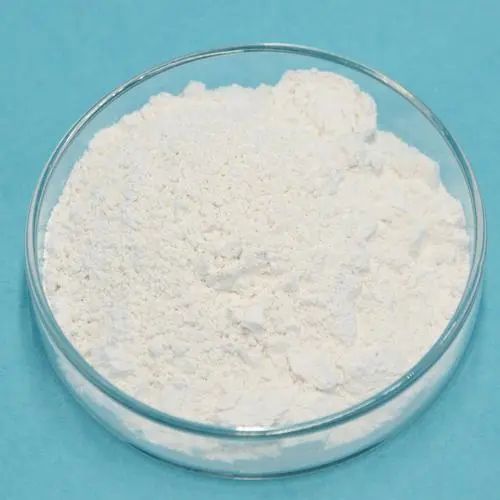
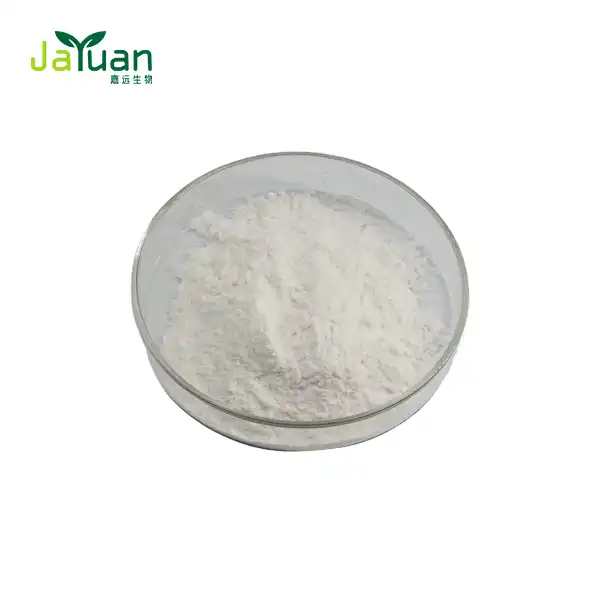
Product Name: Cytisine 98%
CAS NO.: 485-35-8
Molecular formula: C11H14N20
Molecular weight: 190.24
Specification content: 98%(HPLC)
Product Description: Diagonal Prism Powder
Physical properties: Melting point of 98-99 ℃, soluble in water, ethanol, methanol, insoluble in petroleum ether.
MOQ: 500gG-1KG
Our Advantages: Scalable production capacity, strict quality control, cost efficiency from integrated factories, over 20 years of experience, advanced technology, and 24/7 after-sales support.
Certificaions: FSSC2000/ISO2000/HALAL/KOSHER/HACCP
Delivery terms: FedEx, DHL, EMS, UPS, TNT, all kinds of the airline, international shipping companies.
Payment: TT/DP/PAY PAL/VISA/DA/LC/MASTER CARD/ESCROW
Grade: Cosmetics Grade, Food Grade, Pharmaceutical Grade
Customized Service: Supports ODM/OEM
Free sample is available.
We do not sell retail quantities to individuals.
Understanding Smoking Cessation Aids: Cytisine Supplement and Nicotine Patch
Quitting smoking is a difficult physical and mental process that affects millions of people around the world. As healthcare systems focus on preventive medicine and cost-effective intervention methods, the global market for quitting smoking keeps growing. It's important for procurement managers and wholesalers looking for the best options for their target markets to understand the basic differences between the different cessation aids.
Mechanism of Action for Cytisine
Cytisine acts as a partial agonist at α4β2 nicotinic receptors, delivering about 40% of nicotine’s activation. It reduces cravings without full dopamine stimulation. The compound crosses the blood-brain barrier efficiently, reaching peak plasma levels within 1–2 hours after oral intake, supporting fast therapeutic action.
Nicotine Replacement Therapy Through Patches
Nicotine patches use transdermal delivery to release controlled nicotine over 16–24 hours, ensuring stable plasma levels without first-pass liver metabolism. They typically follow step-down dosing over 8–12 weeks, gradually reducing dependence while minimizing withdrawal. Modern designs improve comfort and adherence with rate-control layers and skin-friendly materials.
Comparative Analysis: Cytisine Supplement vs Nicotine Patch
Comparing these quitting tools based on evidence shows that they each have different pros and cons that affect buying decisions for different groups of people. For B2B buyers looking for solid ingredients to help people stop smoking, clinical efficacy data, safety profiles, and user experience factors all add to the total value offer.
Efficacy and Clinical Outcomes
Cytisine supplement formulations achieve 6-month abstinence rates of 8.4–15.8% versus 2.4–4.9% in controls, with NNT of 12–20. Nicotine patches show 9.7–17.3% versus 3.2–6.1%, with NNT of 10–18. Cytisine may offer lower long-term relapse due to no nicotine exposure, though adherence affects real-world outcomes.
Safety and Tolerability Profiles
Cytisine has a favorable safety profile, with mild side effects like nausea, dry mouth, and stomach discomfort in 15–25% of users. It avoids nicotine-related risks but is unsuitable for pregnancy or serious heart conditions. Patches may cause skin irritation, sleep issues, and potential cardiovascular concerns in sensitive individuals.
Administration and Compliance Factors
Cytisine requires multiple daily doses, from six tablets initially to 2–3 during maintenance, allowing flexible adjustment but reducing adherence. Nicotine patches are applied once daily, improving convenience and compliance. However, adhesive issues, skin sensitivity, and lifestyle factors may affect consistent use and treatment success.
Procurement Considerations for B2B Buyers
To buy smoking cessation products strategically, you need to look at a supplier's skills, make sure they follow the rules, and know what the market needs. B2B sellers need to find a balance between cost, quality assurance, and the dependability of the supply chain to make sure that new products start well and stay on the market.
Supplier Qualification and Quality Assurance
When buying cytisine ingredients, procurement teams should give priority to sellers who have a track record of extracting and purifying plant alkaloids. Dynamic countercurrent extraction and ultrasonic-assisted methods are two examples of new extraction technologies that can be 30–50% more effective than old methods while using less fluid.
Online tracking tools, like near-infrared spectroscopy, and offline analytical tools, like HPLC and GC-MS tests, must both be part of quality control systems. Suppliers who can keep purity levels above 98% using virtual moving bed chromatography show they have better technical skills and can make sure that each batch is the same.
Different target markets have different regulatory compliance needs. EP/USP pharmacopoeia guidelines are used as guides for pharmaceutical-grade ingredients. With GMP and ISO 13485 standards, you can be even more sure that the products you make are of high quality and will be accepted by regulators in European and American markets.
Cost Structure and Economic Considerations
The economic benefits of cytisine supplement ingredients come from the fact that they are extracted efficiently and all of their raw materials are used fully. Suppliers who can get high-value co-components, like antioxidants, from the same plant material at the same time can offer more competitive prices.
Solvent recovery systems that can collect 90% or more of the ethanol or methanol they use cut down on production costs and damage to the environment by a large amount. When production output goes over 10 tons per year, scale effects become clear. At this level, fixed cost reduction can lower unit costs by 40 to 60 percent compared to small-scale operations.
Long-term supply deals with trusted sources can keep prices stable and make sure that ingredients are always available. Teams in charge of buying things should look at how sellers get their raw materials, such as whether they use vertically integrated farming programs that keep prices stable in the market.
Market Trends and Future Outlook in Smoking Cessation Solutions
The market for ingredients that help people quit smoking is always changing because of new technologies and new rules. When procurement professionals understand these trends, they can look ahead to future possibilities and make sure that their sourcing methods match the needs of new markets.
Innovation in Cytisine Formulation Technology
New formulation methods are used to improve absorption and the patient experience in cytisine administration systems. The goal of extended-release versions is to lower the number of times you need to take a dose while keeping therapeutic plasma levels steady throughout the day. Taste-masking technologies solve problems with taste that might make patients less likely to take oral forms as prescribed.
New growth possibilities exist in combination treatment methods that use cytisine along with other ingredients that work well together, like compounds that help with behavior or mild anxiety. These formulations deal with both the physical habit and the psychological causes that lead to nicotine addiction.
More work is being done on cytisine derivatives and structural changes, which could lead to better drug delivery and better receptor specificity. When it comes to new cytisine formulas, patent landscapes open up chances for differentiating products and getting a competitive edge.
Digital Health Integration
More and more, standard drug-based interventions are being combined with digital health tools in modern programs to help people stop smoking. Mobile apps that offer real-time support, tracking of progress, and personalized teaching work with the body's effects of quitting aids like cytisine supplement formulas.
Personalized dose suggestions can be made based on a person's smoking habits, the intensity of their withdrawal symptoms, and biological markers. This method to precision medicine raises the success rate of treatments and gives useful information for making products better.
Telemedicine integration makes it easier to keep an eye on people who are trying to quit from afar, so doctors can change treatment plans and step in quickly when repeat risks rise. These changes in technology give food sellers new ways to get their products to customers and new ways to work together.
Strategic Decision-Making: Which Is Better for Your Business?
To choose the best materials for quitting smoking, you need to make sure that the product's features match the needs of the target market, government rules, and your company's competitive placement strategy. B2B decision-makers have to look at a lot of different factors to figure out which method will help them reach their business goals the best.
Market Segmentation and Target Demographics
Different groups of patients react differently to cessation treatments, which affects which medication, nicotine-based or cytisine-based, is best. Younger people tend to like natural, plant-based options, which makes cytisine supplement formulations appealing for goods aimed at Gen Z and millennials.
Cost-effective healthcare systems may prefer cytisine because its ingredients usually cost less and the treatment lasts less time. European markets are especially open to plant-based medicines because regulators like natural ingredients and people want to buy items that are good for the environment.
Wellness programs and worker health efforts in the workplace are growing markets that are affected by discrete and easy-to-use management methods. Different cessation aids must have dose instructions and ways of giving them that are in line with workplace rules and employee choices.
Competitive Positioning Strategies
In the market for quitting smoking, brand difference depends more and more on where the ingredients come from, how well they are made, and clinical proof. Suppliers who provide detailed records of the mining methods, practices that protect the environment, and social responsibility programs have an edge over their competitors.
When you get a patent on certain formulations or delivery methods, you can make exclusive relationships and charge higher prices. When choosing ingredient sources and making product roadmaps, intellectual property settings should be carefully looked at.
Market education and training programs for healthcare providers help new products get into the market and stay there. For B2B partnerships to be more valuable, suppliers who offer strong clinical data packages, training tools, and professional support services should be considered.
Conclusion
Choosing between cytisine supplement and nicotine patch ingredients relies on the needs of the market, the people you want to sell to, and your business goals. Cytisine has benefits in terms of natural placement, cost-effectiveness, and the possibility of lower return rates. On the other hand, nicotine patches are known to work and have easier instructions for how to use them. To be successful at procurement, you need to carefully consider the skills of the seller, their ability to follow regulations, and the possibility of a long-term relationship. As the market moves toward individualized medicine, digital integration, and natural ingredients, new cytisine formulations could become more popular as the environment for quitting smoking changes.
FAQ
1. What are the main differences between cytisine and nicotine patches?
Cytisine supplement ingredients work by partly activating nicotine receptors without actually providing nicotine. Patches, on the other hand, offer controlled nicotine replacement therapy. When compared to patch methods, which last 8 to 12 weeks, cytisine is based on plants and has a shorter treatment time, usually 25 days. Since cytisine doesn't contain nicotine, there are no worries about long-term nicotine exposure and the heart risks that come with it.
2. How do procurement teams evaluate cytisine supplier quality?
When evaluating a supplier, you should pay attention to their extraction technology, their ability to meet pure standards of more than 98%, and their thorough quality control systems. GMP and ISO licenses show that the company follows the rules, and scientific testing methods like HPLC and GC-MS make sure that the quality of the products is always the same. Environmentally friendly methods and liquid collection systems show that a business is good at what it does and can compete on price.
3. What regulatory considerations apply to cytisine ingredients?
The ingredients in cytisine must meet pharmacopoeia standards, such as EP/USP requirements for pharmaceutical uses. Manufacturing sites need to get the right licenses for the markets they want to sell to. For example, standards are different for making dietary supplements than for making medicines. To support regulatory applications, documentation packages should have stability statistics, analytical methods, and safety ratings.
Partner with Jiayuan Bio-Tech for Premium Cytisine Supplement Solutions
Jiayuan Bio-Tech is an expert at making high-quality cytisine supplement manufacturing through advanced extraction technologies and strict quality control systems. Our factory is close to the Qinling Mountains, which gives us direct access to high-quality raw materials. Our GMP-certified production lines also make sure that the purity levels are always higher than 98%. To meet the needs of a wide range of markets, we offer full customization services that include pharmaceutical-grade and cosmetic-grade specs.
When compared to traditional suppliers, our integrated supply chain method cuts costs by 40–60% while keeping high quality standards. Get in touch with our purchasing agents at sales@jayuanbio.com or sales1@jayuanbio.com to find out about bulk prices and to talk about your unique needs for a cytisine supplement supplier. These are meant for business-to-business partnerships in the research, nutraceutical, and pharmaceutical markets.
References
1. Walker N, Howe C, Glover M, et al. Cytisine versus nicotine for smoking cessation. New England Journal of Medicine. 2014;371(25):2353-2362.
2. Hajek P, McRobbie H, Myers K. Efficacy of cytisine in helping smokers quit: systematic review and meta-analysis. Thorax. 2013;68(11):1037-1042.
3. Tutka P, Vinnikov D, Courtney RJ, Benowitz NL. Cytisine for nicotine addiction treatment: a review of pharmacology, therapeutics and an update of clinical trial evidence for smoking cessation. Addiction. 2019;114(11):1951-1969.
4. Stead LF, Perera R, Bullen C, et al. Nicotine replacement therapy for smoking cessation. Cochrane Database of Systematic Reviews. 2012;11:CD000146.
5. West R, Zatonski W, Cedzynska M, et al. Placebo-controlled trial of cytisine for smoking cessation. New England Journal of Medicine. 2011;365(13):1193-1200.
6. Silagy C, Lancaster T, Stead L, et al. Nicotine replacement therapy for smoking cessation. Cochrane Database of Systematic Reviews. 2004;3:CD000146.