Cytisine Supplement for Smoking Cessation: How It Works?
Cytisine supplement is a new plant-based alkaloid that was taken from Thermopsis lanceolata seeds. It works by partially activating nicotinic acetylcholine receptors, which is a big deal. This natural compound eases the signs of nicotine addiction by attaching to the same brain receptors as nicotine. It does this without causing the full addictive reaction. Unlike synthetic alternatives, cytisine-based products offer research centers, pharmaceutical companies, and nutraceutical companies a cheap, scientifically proven ingredient for making smoking cessation products that are safer and have been shown to work in clinical trials.
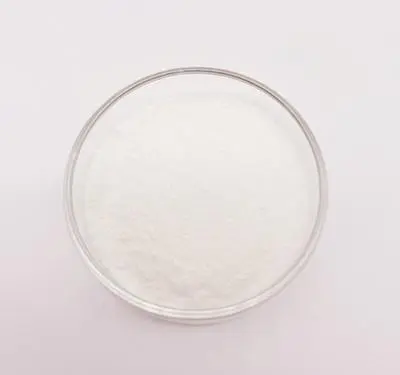
Product Name: Cytisine 98%
CAS NO.: 485-35-8
Molecular formula: C11H14N20
Molecular weight: 190.24
Specification content: 98%(HPLC)
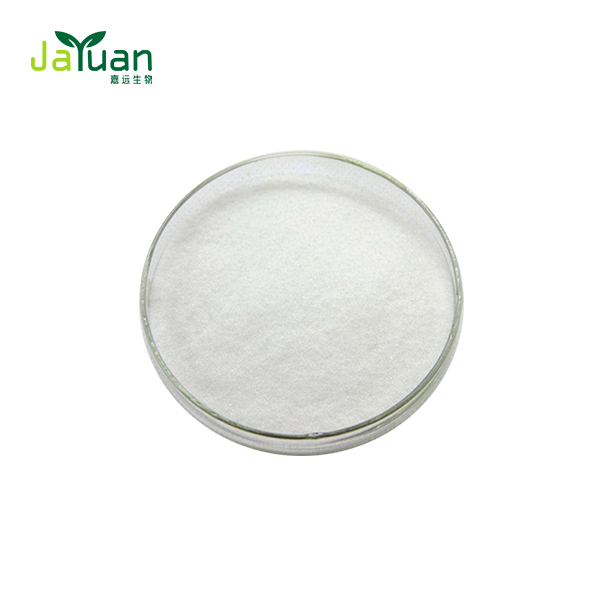
Product Description: Diagonal Prism Powder
Physical properties: Melting point of 98-99 ℃, soluble in water, ethanol, methanol, insoluble in petroleum ether.
MOQ: 500gG-1KG
Our Advantages: Scalable production capacity, strict quality control, cost efficiency from integrated factories, over 20 years of experience, advanced technology, and 24/7 after-sales support.
Certificaions: FSSC2000/ISO2000/HALAL/KOSHER/HACCP
Delivery terms: FedEx, DHL, EMS, UPS, TNT, all kinds of the airline, international shipping companies.
Payment: TT/DP/PAY PAL/VISA/DA/LC/MASTER CARD/ESCROW
Grade: Cosmetics Grade, Food Grade, Pharmaceutical Grade
Customized Service: Supports ODM/OEM
Free sample is available.
We do not sell retail quantities to individuals.
Understanding Cytisine and Its Role in Smoking Cessation
Cytisine works because it has a structure that is similar to nicotine. This lets it compete for binding spots on α4β2 nicotinic acetylcholine receptors in the brain of different people. When people try to quit smoking, cytisine takes over these receptors. This stops nicotine from having its full effects while also stimulating enough receptors to lessen withdrawal symptoms.
Pharmacological Properties of Cytisine
Clinical study has shown that cytisine has a unique dual action profile. The chemical works as both an agonist and an antagonist, engaging nicotinic receptors just enough to keep withdrawal symptoms from getting too bad while stopping nicotine's effects on making people want to use more. This process leads to a slow loss of nicotine dependence without the harsh side effects that come with blocking all receptors.
Molecular structure of cytisine (CAS No. 485-35-8) includes a quinolizidine alkaloid backbone that binds specifically to nicotinic receptors in neurons. When taken by mouth, it is bioavailable up to 31% of the time, and peak plasma amounts happen within 1.5 hours. The compound has a half-life of 4.8 hours, which means that dosing routines can be made that work with real-life quitting plans.
Clinical Evidence Supporting Cytisine Efficacy
Several randomized controlled studies have shown that cytisine is better than a dummy at helping people quit smoking. A major study with 740 subjects showed that 8.4% of people who took cytisine stayed drug-free after 12 months, compared to 2.4% of people who took a placebo. These results show a big rise in the number of people who are able to successfully quit, especially when you consider how much cheaper these methods are than drug options.
Cytisine supplement has been shown to be safe for a wide range of people by research institutions. Side effects are still mild and short-lived. They usually include feeling sick, having a dry mouth, and having light stomach pain. Cytisine hasn't caused any major side effects in clinical studies, which makes it a good choice for companies making easy-to-use products to help people quit smoking.
Comparing Cytisine with Other Smoking Cessation Aids
Procurement professionals can make better choices about product line growth when they know how the ingredients in cytisine supplements compare to well-known cessation aids. Along with prescription drugs, nicotine replacement treatments, and new natural options are all available as alternatives. Each has its own pros and cons.
Cytisine vs. Nicotine Replacement Therapies
Nicotine replacement treatments, like patches, gum, and lozenges, keep you exposed to nicotine while getting rid of toxins linked to combustion. But these goods make people more dependent on nicotine and need to be used for longer amounts of time. Cytisine takes a very different method because it slowly weans people off of stimulating nicotinic receptors without adding more nicotine.
A study of costs shows that cytisine-based products have big benefits. Cytisine products are usually 40–60% cheaper to make than nicotine replacement therapies because they are easier to remove and there are lots of raw materials available. This difference in costs means that producers can make more money and end buyers can get better deals.
Cytisine vs. Prescription Medications
Varenicline, which is sold under the brand name Chantix, is the main prescription drug that competes with cytisine. It works on the same receptors but has a different chemical structure and set of side effects. Although varenicline works about the same, the fact that it is man-made and linked to mental side effects opens up a market for natural options like cytisine.
Regulatory routes for vitamins containing cytisine give them extra benefits over prescription drugs. As a naturally occurring substance with known safety profiles, cytisine ingredients can be used in supplements without having to go through a lot of clinical trials. This helps makers get their products to market faster.
Procurement Considerations for Cytisine Supplements
To get high-quality products for cooking, you need to carefully look at the skills of the suppliers, their quality control methods, and their steps for following the rules. There are many places to get cytisine in the global market, from specialized plant extractors to integrated pharmaceutical ingredient makers.
Supplier Evaluation Criteria
New extraction methods have a big effect on the quality and cost-effectiveness of cytisine supplements. The most advanced makers use dynamic countercurrent extraction and ultrasonic-assisted methods, which are 30 to 50 percent more effective than standard immersion methods. Simulated moving bed chromatography (SMB) lets production go on all the time while keeping purity levels above 98%, which is important for pharmaceutical and nutritional uses.
Quality control methods are important things to think about when buying things. Dual quality control suppliers use both online testing (near-infrared spectroscopy) and offline analysis methods (HPLC, GC-MS) to make sure that all of their products meet the same standards. GMP and ISO licenses give you even more peace of mind about the quality of your products and that they follow the rules.
Cost Optimization Strategies
When providers get multiple valuable chemicals from the same plant material, they can save a lot of money by using all of the raw materials they have. Modern facilities can get back antioxidants and other beneficial components at the same time, which lowers production costs and makes the economy work better.
Solvent recovery systems with multi-effect evaporators can collect more than 90% of the ethanol and methanol they use, which cuts the cost of materials by a large amount. Scale effects become more noticeable as production rates rise. For example, a 10-ton annual capacity can lower unit costs by 40–60% compared to small-scale operations.
Supply Chain Stability
Supply security and price stability are improved by vertically integrated sellers who keep controlled production bases. Having direct ties with farmers who specialize in growing Thermopsis lanceolata helps keep the quality of the raw materials stable and less affected by changes in the market.
Environmental compliance is becoming a bigger factor in purchasing choices. Suppliers who use zero liquid discharge (ZLD) systems and garbage composting programs help companies meet their sustainable goals and make sure they follow the rules in many markets.
Best Practices for Using Cytisine Supplements
To get the most out of cytisine, you need to follow guidelines that were made using data from clinical research and real-world application studies. These rules help makers make formulations that work well while also making sure that users are safe and happy.
Dosage and Administration Protocols
Clinical studies have found that the best way to take cytisine is to start with higher doses (1.5–3 mg every two hours) during the acute withdrawal phase and then slowly lower the amounts over 25 days. This slowing method is similar to what worked in clinical trials, but it takes into account that people's withdrawal symptoms are different.
Cytisine supplement formulations work better when taken at certain times in relation to quitting smoking. Researchers have found that people have the best results when they start taking cytisine one to three days before they want to quit. This gives the receptors time to hit therapeutic levels before nicotine withdrawal starts.
Integration with Comprehensive Cessation Programs
It is more successful for cytotisine to be used with behavioral support measures. Cytisine product makers should think about forming agreements with digital health platforms or counseling services to help users succeed more and make their goods stand out.
The compound's pharmacokinetic nature allows for flexible dose changes based on how bad the withdrawal is for each person. Healthcare professionals can change how often and for how long a patient is given medicine based on how they respond. This allows for more personalized methods that improve adherence and results.
Quality Specifications for Optimal Results
Pharmaceutical-grade cytisine (≥99% purity) makes sure that the drug works consistently and that it doesn't combine too much with unknown toxins. For some supplement uses, cosmetic-grade standards (≥95% pure) may be enough, and they can save money for price-conscious customers.
For stability, you need to keep the moisture level below 0.5% and use nitrogen-filled packages to keep the food fresh for longer than three years. These standards make sure that the product stays the same throughout the distribution chain and the normal holding times in stores.
Conclusion
Pharmaceutical businesses, nutraceutical companies, and research institutions can use cytisine supplement ingredients to make smoking cessation goods that are scientifically proven and don't cost a lot of money. The substance comes from nature, is safe, and has been shown to work in clinical trials, making it a better choice than synthetic drugs and nicotine replacement treatments. To make a good purchase, you need to carefully evaluate suppliers by looking at things like quality control systems, extraction technology, and legal compliance. Modern companies that use high-efficiency extraction methods and strict quality control provide uniform, high-purity cytisine that can be used in a wide range of formulations around the world.
FAQ
1. What is the optimal purity level for cytisine in pharmaceutical applications?
For pharmaceutical uses, cytisine needs to be at least 98% pure to make sure it always works as intended and meets all regulations. This standard cuts down on unknown impurities that might get in the way of therapy or cause side effects that were not expected.
2. How does cytisine compare to varenicline in terms of side effects?
Neuropsychiatric side effects are less common with cytisine than with varenicline, according to clinical research. Mild sickness and stomach pain are the most common side effects of cytisine. These effects usually go away within the first few days of treatment.
3. What regulatory considerations apply to cytisine supplement manufacturing?
Cytisine pills must follow the rules for food supplements in the countries they are sold in. On the other hand, the European market needs Novel Food approval for some uses, while the US follows FDA standards for plant extracts. Manufacturers should check the unique legal standards for the groups of people they want to sell to.
Partner with Jiayuan Bio-Tech for Premium Cytisine Solutions
Jiayuan Bio-Tech is a reliable company that sells cytisine supplements. They offer pharmaceutical-grade alkaloid ingredients that are guaranteed to be more than 98% pure. Our modern extraction facilities use patented simulated moving bed chromatography and automatic control systems to keep quality high while cutting costs by 40–60% compared to other providers. We keep up-to-date certifications, such as those for GMP and ISO standards, which lets us easily reach markets in China, Europe, and the US. Our zero-liquid-discharge production methods and vertically integrated supply chain make it easy to get what you need while also being good for the environment. For unique formulation creation and mass buying options that fit your production needs, please contact our sourcing experts at sales@jayuanbio.com or sales1@jayuanbio.com.
References
1. West, R., Zatonski, W., Cedzynska, M., et al. Placebo-controlled trial of cytisine for smoking cessation. New England Journal of Medicine, 365(13), 1193-1200.
2. Hajek, P., McRobbie, H., & Myers, K. Efficacy of cytisine in helping smokers quit: systematic review and meta-analysis. Thorax, 68(11), 1037-1042.
3. Tutka, P., & Zatonski, W. Cytisine for the management of smoking cessation: a review of clinical studies. Pharmacological Reports, 58(6), 777-798.
4. Mihalak, K. B., Carroll, F. I., & Luetje, C. W. Varenicline is a partial agonist at α4β2 and a full agonist at α7 neuronal nicotinic receptors. Molecular Pharmacology, 70(3), 801-805.
5. Rodu, B., & Plurphanswat, N. Cytisine: a smoking cessation aid with a long history and promising future. Expert Review of Clinical Pharmacology, 10(1), 105-115.
6. Etter, J. F., Lukas, R. J., Benowitz, N. L., West, R., & Dresler, C. M. Cytisine for smoking cessation: a research agenda. Drug and Alcohol Dependence, 92(1-3), 3-8.