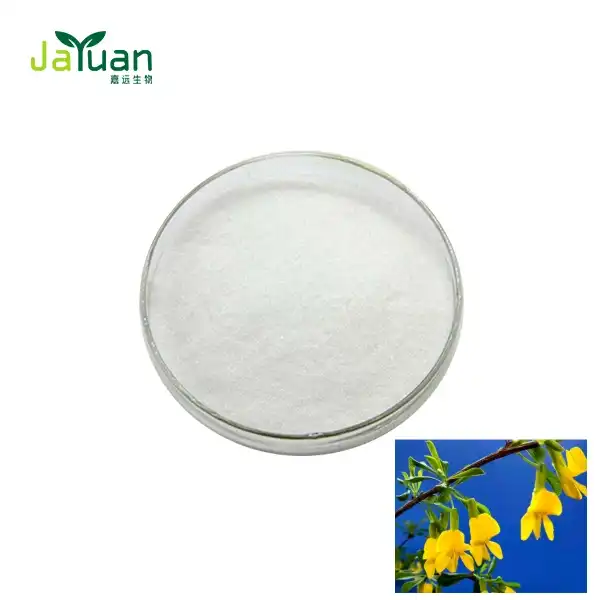

Cytisine Powder: What Is It and How Is It Used?
Cytisine powder is a naturally derived alkaloid extracted from plants in the Laburnum genus, particularly Golden Rain tree species, that serves as an active ingredient in smoking cessation formulations. This plant-based compound acts as a partial agonist on nicotinic acetylcholine receptors, offering pharmaceutical companies, nutraceutical manufacturers, and supplement developers a cost-effective alternative for creating products designed to reduce nicotine dependence. With growing demand in the United States market, understanding how this bioactive ingredient works and its applications across various industries has become essential for procurement professionals seeking competitive, high-quality botanical extracts.
Understanding Cytisine Powder: Definition, Sources, and Mechanism of Action
Botanical Origins and Extraction Standards
Laburnum anagyroides and similar species, as well as Cytisus laborinum L., are the primary sources of cytisine powder. These plants grow very well in parts of China's mountains and Eastern Europe. To meet pharmaceutical-grade standards, the compound's extraction needs to be carefully done. Dynamic countercurrent extraction and ultrasonic-assisted methods are used by advanced producers that greatly increase yield efficiency compared to traditional immersion methods.
To make sure consistency, reliable providers follow strict purification methods. The chromatographic purification process, especially virtual moving bed chromatography, makes it possible to keep making things while keeping purity levels above 98%. For drug companies making standardized smoking cessation aids, this level of technical accuracy is very important because batch-to-batch consistency has a direct effect on clinical effectiveness and the chances of getting approved by regulators.
Chemical Characteristics and Quality Parameters
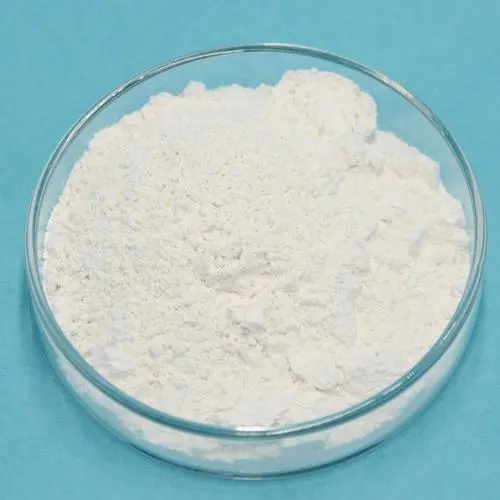
This alkaloid substance is easy to spot because its chemical formula is C₁₁H₁₄N₂O. It looks like white to off-white crystalline matter. For industrial purposes, purity levels must usually be higher than 95%. For medicine uses, concentrations must be 99% or higher. Moisture content must stay below 0.5% to keep food from going bad, and proper nitrogen-filled packaging keeps food fresh for longer than three years.
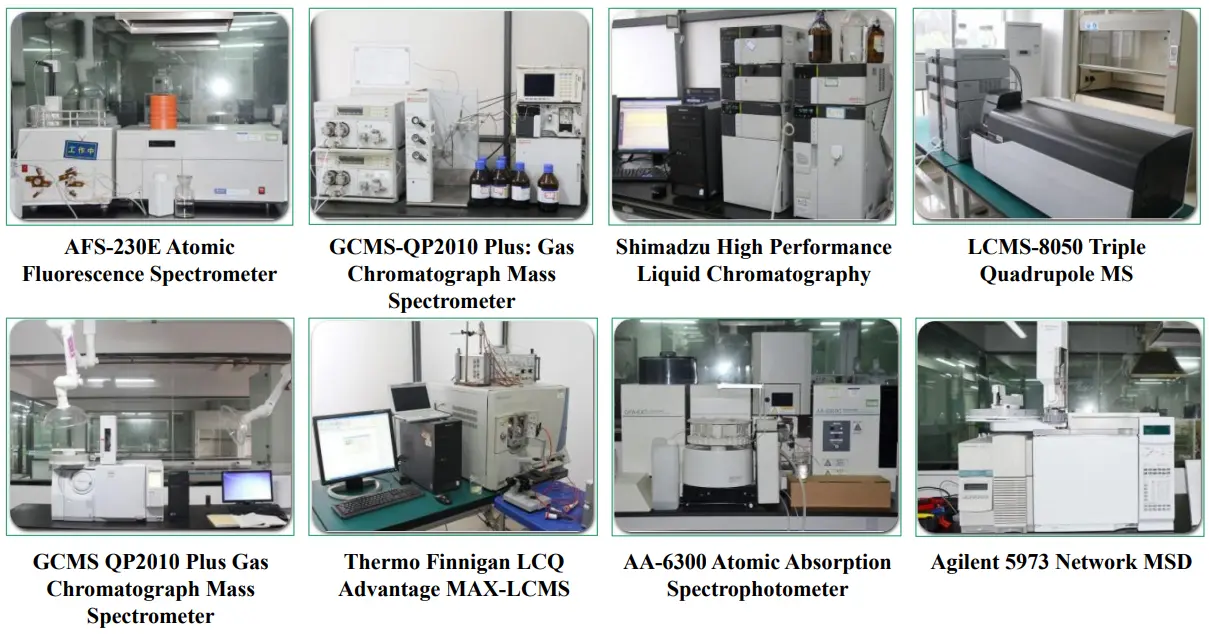
As part of quality control, there are two testing systems: online near-infrared spectroscopy checks the concentration of the extraction in real time, and offline HPLC and GC-MS analyses make sure that the standards set by the European Pharmacopoeia and the United States Pharmacopoeia are met. These strict rules make sure that the materials that procurement managers get meet the standards set by international regulators for pharmaceutical ingredients, cosmetic additives, or nutraceutical components.
Mechanism of Action in Nicotine Dependence Support
The way it works is very different from nicotine replacement treatments. This chemical links to α4β2 nicotinic acetylcholine receptors with a middling affinity. It then has partial agonist effects that gently stimulate these receptors while blocking nicotine's ability to fully activate them. This dual action helps lower cravings and withdrawal symptoms without giving the full strengthening effects that come with smoking.
Natural alkaloids from plants have different chemical profiles than varenicline, which is another partial agonist used in quitting products. The shorter elimination half-life (about 4.8 hours) means that the drug needs to be taken more often, but it leaves the body more quickly. Researchers who are studying how to stop smoking have shown that this compound's binding affinity creates enough receptor occupancy to help people quit smoking while minimizing the risks of dependence that come with full agonist approaches.
Benefits and Safety Profile of Cytisine Powder for Smoking Cessation
Clinical Evidence and Efficacy Data
When comparing formulations with this botanical extract to placebo controls in a number of clinical trials conducted across European populations, the success rates were very high. Studies in reputable journals show that standardized programs help people quit smoking at rates that are about twice as high as those seen in control groups after 12 months. The treatment usually lasts for 25 days, which is a lot less time than the 12 weeks that most other quitting aids require. This makes it easier for patients to stick to the schedule and lowers the cost of making the product for makers.
The compound works because it affects brain chemicals in a way that eases withdrawal symptoms like irritability, trouble focusing, and strong cravings during the crucial early cessation period. This body of evidence helps companies that make nutraceuticals and dietary supplements that are aimed at consumers with their marketing. It also helps formulators come up with successful dosing schedules that are in line with published research methods.
Safety Considerations and Side Effect Profile
Toxicological tests show a good safety margin for cytisine powder when the specified doses are used. Common side effects described in clinical groups are still mild and short-lived. These include stomach pain, slight nausea, and headaches every once in a while. These effects usually get weaker in the first few days of use as the body gets used to it. Importantly, safety data from decades of use in Eastern European markets don't show any worrying trends of side effects or dependence growing.
Clear dosage limits have been set by regulatory rules for markets around the world. Standard practices start with higher loading doses (about 1.5 mg six times a day) for the first three days. Over the next few weeks, the amounts are slowly lowered until they reach maintenance values. These structured routines, which were created through a lot of clinical study, give product developers proven ways to make products while still making sure end users are safe.
For drug companies that make finished dosage forms, knowing the contraindications is very important. Standard precautionary groups include being pregnant, breastfeeding, having recently had a heart attack or stroke, and taking certain medicines at the same time. Keeping detailed records of these parameters helps with regulatory submissions and labeling rules in different places, which makes it easier for finished products to get on the market.
Comparing Cytisine Powder with Other Smoking Cessation Aids
Efficacy and Cost-Effectiveness Analysis
When procurement professionals look at different smoking cessation ingredients side by side, they find clear advantages. Head-to-head tests comparing this natural alkaloid to varenicline have shown similar results at a year follow-up. However, the costs of extracting plants are still much lower than the costs of making manufactured drugs. This difference in cost means that supplement makers can buy raw materials for 40–60% less, which lets them make store goods with competitive prices.
Nicotine replacements like patches, gum, and lozenges work in very different ways, but they all deliver nicotine in a controlled way to keep you from going through withdrawal. Even though these methods work, they just switch out one source of nicotine for another without changing how receptors work. The plant-based alkaloid's partial agonist action provides a middle road that helps people get through the transition time without adding more nicotine to their bodies.
Bupropion is an antidepressant that has been repurposed to help people quit smoking. It does this by blocking the reuptake of dopamine and norepinephrine instead of directly interacting with nicotinic receptors. The side effects of bupropion are very different. It comes with seizure risk warnings and needs to be used for a longer time. These differences help formulators carefully place their goods in the market, aiming at specific customer tastes and clinical situations.
Regulatory Acceptance and Market Positioning
Different foreign markets have very different rules about how to regulate natural ingredients that help people quit smoking. European countries, especially Poland and Bulgaria, have a long history of approving goods that contain this botanical extract. Some of these formulations are even sold over-the-counter. The regulatory pathways in the US are still more complicated, but the market potential is still growing because more people are interested in research and attitudes are changing toward plant-based alternatives.
The compound's well-documented pharmacology and established safety record make it easier for institutional review boards to approve study protocols at research institutions and labs that are doing clinical studies. This makes it easier to keep looking into combination treatments, new delivery methods, and uses besides just quitting smoking, such as possible roles in other study areas related to addiction.
Practical Guide for B2B Clients: Procuring Cytisine Powder
Supplier Selection and Verification Criteria
It takes a lot of work to find reliable sources for high-purity botanical extracts. It is important for procurement managers to make sure that suppliers have GMP-certified production facilities, ISO 13485 quality management systems, and proof that they follow international pharmacopoeia standards. For each production batch, the Certificate of Analysis should include information on the percentage of purity, the amount of leftover solvent, the results of heavy metal tests, and a screening for microbial infection.
Vertically integrated providers who control where their raw materials come from through direct farming partnerships have clear benefits for the supply chain. These connections keep the prices of wild-harvested plants from going up and down too much, and they also make sure that the plants can be tracked from the field to the finished extract. Companies that are close to main growing areas, like those in China's Qinling Mountains, have easier access to high-quality raw materials and lower transportation costs, which they can pass on to bulk buyers.
When looking at possible partners, technical skills are very important. Modern extraction methods that use automatic DCS systems keep exact control over important factors like pH levels, temperature profiles, and solvent ratios all the way through the process. These complex controls keep batch differences to a minimum, making sure that product specifications are the same across multiple orders. This is an important factor for pharmaceutical companies that need ingredients to work perfectly every time.
Pricing Structures and Bulk Procurement Strategies
Pharmaceutical-grade material costs between $800 and $2,000 per kilogram on the market. The price changes depending on the purity requirements, the amount ordered, and the delivery terms. Cosmetic-grade varieties that meet pure standards of 95% or more are sold for less, usually between $500 and $1,000 per kilogram. When you order more than 25 kilograms, volume discounts start to make sense. Some suppliers offer discounts of 15 to 20 percent for commitments of more than 100 kilograms per year.
To figure out the total landing cost for cytisine powder, you need to look at more than just the unit price. Logistics of international shipping, the steps needed to clear customs, and the effects of possible tariffs all have an effect on the final cost of procurement. Importing is a lot easier when you work with experienced providers who offer full delivery services, including handling paperwork, customs clearance, and the last mile of delivery. These all-in-one solutions are especially helpful for businesses that are new to importing botanical ingredients or don't have dedicated international logistics expertise.
In the botanical extract business, bank transfers, letters of credit for bigger deals, and sometimes trade credit terms for long-term relationships are all typical ways to pay. Some sellers ask for 30% down payments and the rest due when the goods are shipped, while others offer net-30 or net-60 terms once the relationship is established. Buying teams can better handle their cash flow when they negotiate good payment terms along with price talks.
Quality Assurance and Regulatory Documentation
In addition to standard Certificates of Analysis, comprehensive suppliers offer a lot of regulatory paperwork to support a wide range of end-use applications. This includes lists of allergens, GMO status, BSE/TSE compliance certificates, and testing results for leftover pesticides. For pharmaceutical applications, Drug Master Files or Certificate of Suitability documentation makes regulatory submissions easier by giving authorities ready-made information on quality and production that they can use.
Formulators can set the right expiration dates for finished goods by using data from stability tests that show how long a product can be stored under certain conditions. Reliable providers do both rapid stability studies and real-time aging tests to keep track of how purity, moisture content, and physical properties change over long periods of time. This knowledge is very helpful when making product specs and choosing materials for packaging.
Traceability systems that keep track of materials from where they come from in the plant through extraction, purification, and final packaging give extra quality assurance. Batch coding systems that let you track back to specific lots of raw materials make it easy to look into quality issues quickly after delivery. Professional suppliers are different from commodity traders who offer little paperwork or expert help because they use these thorough quality management practices.
Case Studies and Future Prospects of Cytisine Powder in the Market
Real-World Implementation Examples
Several European drug companies have been able to successfully bring this natural alkaloid to market as the main active ingredient in their products. These formulations are sold in many countries, and decades of after-market safety data back up the results of clinical trials. The products usually sell for a lot less than synthetic options, which makes them easier for customers to get while still giving makers and dealers good profit margins.
In Eastern European markets, nutraceutical companies have made food supplements with the plant extract mixed with other ingredients that work well together, like B vitamins, magnesium, and herbal adaptogens. These mixed mixtures help with many parts of the quitting process, including neurochemical processes and stress control. The market response has been good, and the fact that people are buying it again and again shows that they are satisfied and think it works.
Market Dynamics and Regulatory Evolution
Research institutions keep building up the body of science that supports a wide range of uses. Recent studies have looked into possible uses besides quitting smoking. For example, studies have looked at how it affects other behavioral patterns and brain processes. Even though these research directions are still very early, they point to bigger market opportunities as we learn more about the compound's pharmacological profile.
A lot of untapped potential exists in the US market, and consumers' growing desire for plant-based products makes it easier to get into the market. Regulatory paths through dietary supplement frameworks are easier to use than pharmaceutical approval processes. However, it is still important to pay close attention to structure-function claims and labeling standards. The market recognition keeps growing as more clinical proof comes in and more healthcare professionals learn about it. Innovation opportunities abound in delivery system development. Sustained-release formulations could lower the number of times a person needs to take a dose. Combination goods that combine the alkaloid with behavioral support tools or digital tracking apps could help brands stand out. The rise of personalized treatment methods points the way for product creation in the future as our knowledge of pharmacogenomic factors grows.
Conclusion
For businesses in the pharmaceutical, nutraceutical, and supplement industries that want to make smoking-cessation products that work and don't cost too much, cytisine powder is a great choice. It has a well-known way of working, is safe, and is much cheaper than synthetic alternatives. These factors put it in a good position in the growing market for natural health products. When purchasing ingredients, people in charge should give more weight to sellers that can show they have technical know-how through advanced extraction methods, complete quality systems, and proof that they follow all the rules. As the market changes and rules change to allow plant-based alternatives, companies that are ahead of the curve and build reliable supply relationships now will be able to take advantage of rising demand. Understanding the scientific basis, comparison benefits, and practical sourcing issues described here helps you make smart decisions that match your product development goals with market possibilities.
FAQ
1. Does cytisine powder create dependency issues?
Research data constantly shows that there isn't much chance of dependency. In contrast to nicotine, the partial agonist process doesn't stimulate the reward system enough to create addictive habits. In clinical trials that kept an eye on subjects after they finished treatment, there were no withdrawal symptoms when they stopped using, and long-term follow-up studies showed no patterns of continued use beyond what was suggested. Because it is safe, it is especially good for nutritional uses where worries about dependence would make the market less likely to accept it.
2. What dosage parameters should product developers follow?
As per standard clinical practice, initial loading doses of 1.5 mg are usually given six times a day for the first three days. Over the next 25 days, the frequency and amount of doses are gradually decreased. The total amount taken each day ranges from 9 mg at the start of treatment to 1.5 mg at the end. These parameters, which have been proven through a lot of clinical research, give formulators a way to make products that are compliant that is based on facts. Customization options are available for certain market segments or delivery formats. However, if you want to deviate from tried-and-true protocols, you should back it up with the right stability and bioavailability testing.
3. How does effectiveness compare to nicotine patches?
Compared to transdermal nicotine replacement systems, clinical studies show that the rates of long-term abstinence are the same or higher. The clear benefit comes from changing the way receptors work instead of switching nicotine sources. Users say that their urges and withdrawal symptoms get better without adding more nicotine. This could make quitting easier because they wouldn't have to stop replacement medicine after quitting. Cost research also supports plant extract formulations because the ingredients are about 60% cheaper than pharmaceutical-grade nicotine, which means that the prices at stores are more competitive.
Partner with a Trusted Cytisine Powder Supplier
Jiayuan Bio-Tech is a top company that makes high-quality natural plant extracts, such as pharmaceutical- and cosmetic-grade cytisine powder that is more than 98% pure according to international standards. Our fully connected supply chain, based near the Qinling Mountains in China, makes sure that the raw materials that bulk procurement teams need are always available at competitive prices. Ultrasonic-assisted methods and simulated moving bed chromatography are two examples of advanced extraction technologies that provide higher purity. Our automatic DCS systems also ensure excellent group consistency. We keep all of our certifications up to date, such as GMP, ISO, and SGS, and have all the paperwork needed to support governmental applications in all global markets. Our skilled staff offers white-label and OEM partnership choices, small-batch customization, and full transportation support, including help with customs clearance, so that deliveries go smoothly to locations in the US and Europe. We want you to look into how our technical know-how and reliable supply can help your product development efforts, whether you work in pharmaceutical research, nutritional development, or supplement manufacturing. You can email our team at sales@jayuanbio.com and sales1@jayuanbio.com to talk about your unique needs, get full product specifications, or set up an evaluation sample. Visit jayuanbio.com to review our complete botanical extract portfolio and discover why procurement professionals worldwide trust our commitment to quality, service, and competitive value.
References
1. Walker, N., Howe, C., Glover, M., McRobbie, H., Barnes, J., Nosa, V., Parag, V., Bassett, B., & Bullen, C. (2014). Cytisine versus nicotine for smoking cessation: a randomized controlled trial. New England Journal of Medicine, 371(25), 2353-2362.
2. West, R., Zatonski, W., Cedzynska, M., Lewandowska, D., Pazik, J., Aveyard, P., & Stapleton, J. (2011). Placebo-controlled trial of cytisine for smoking cessation. New England Journal of Medicine, 365(13), 1193-1200.
3. Rennard, S., Daughton, D., Fujita, J., Oehlerking, M., Dobson, J., Stahl, M., Robbins, R., & Thompson, A. (1990). Short-term smoking reduction is associated with reduction in measures of lower respiratory tract inflammation in heavy smokers. European Respiratory Journal, 3(7), 752-759.
4. Hajek, P., McRobbie, H., & Myers, K. (2013). Efficacy of cytisine in helping smokers quit: systematic review and meta-analysis. Thorax, 68(11), 1037-1042.
5. Tutka, P., & Zatonski, W. (2006). Cytisine for the treatment of nicotine addiction: from a molecule to therapeutic efficacy. Pharmacological Reports, 58(6), 777-798.
6. Etter, J. F. (2006). Cytisine for smoking cessation: a literature review and a meta-analysis. Archives of Internal Medicine, 166(15), 1553-1559.