Cytisine Powder in Botanical Research: A Practical Overview
Cytisine powder represents a naturally occurring alkaloid extracted from Cytisus laburnum and related botanical species, gaining recognition in pharmaceutical research and smoking cessation product development. This plant-derived compound offers pharmaceutical-grade purity levels exceeding 98%, making it suitable for clinical research and commercial production. As global demand for evidence-based smoking cessation ingredients grows, understanding the botanical origins, pharmacological mechanisms, and procurement considerations becomes essential for research institutions and pharmaceutical manufacturers seeking reliable supply partners.

Understanding Cytisine Powder: Botanical and Pharmacological Insights
Botanical Origins and Extraction Methods
The alkaloid mostly comes from plants in the genus Cytisus, especially the Golden Chain tree (Cytisus laburnum) and species of Sophora that are native to Central and Eastern Europe. Immersion methods were used for traditional extraction, but today's pharmaceutical making needs to be more efficient and consistent. Dynamic countercurrent extraction and ultrasonic-assisted methods are now used in advanced production facilities. These methods increase yield by 30% to 50% compared to traditional methods while decreasing the amount of solvent used.
Simulated moving bed chromatography (SMB) is used for continuous purification at our Qinling Mountains plant. This keeps the purity above 98% across all output runs. This chromatographic separation method makes it possible to carefully separate the desired alkaloid while also getting other useful plant parts, like flavonoids, from the same raw material. This makes the best use of resources. The process is automated with a DCS (Distributed Control System), which precisely controls the pH levels, extraction temperature, and solvent ratios. This reduces the chance of mistakes made by humans and ensures consistency from batch to batch, which is important for following the rules.
Pharmacological Mechanism and Receptor Interaction
The chemical works as a partial agonist at nicotinic acetylcholine receptors, focusing on the α4β2 form. This pattern of interactions is similar to how tobacco binds, but it makes the brain's reward circuits release less dopamine. The partial agonism has two benefits: it lowers withdrawal symptoms by keeping the baseline level of receptor stimulation high, and it also stops nicotine from binding to these sites, which makes it easier to quit smoking.
In contrast to full agonists, this natural alkaloid has a better treatment window. Studies on receptor binding show that it passes the blood-brain barrier well because it is lipophilic. However, its partial agonism profile means that it has fewer adverse effects on the heart compared to synthetic options. The compound has a half-life of about 4.8 hours, which means that it can be dosed twice a day in clinical settings. This is a good balance between effectiveness and patient comfort.
Comparative Advantages Over Synthetic Alternatives
There are a few differences between natural and synthetic smoking quitting aids. Varenicline, a man-made partial agonist, works in a similar way, but it costs more to make and is closely regulated by the government. Nicotine substitute therapies keep the full agonism going, which could make dependency patterns last longer. The naturally occurring alkaloid provides a middle ground between plant-based authenticity that appeals to nutraceutical markets and performance standards that meet pharmaceutical-grade requirements.
Researchers who compared these two types of agents found that they both worked about as well, but the plant choice was cheaper by 40% to 60% in terms of production costs. The natural origin also makes the regulatory process easier in markets that prefer herbal supplements to man-made drugs. This is especially true in Eastern European pharmaceutical sectors where traditional plant medicine is important to the culture.
Evaluating Cytisine Powder for Smoking Cessation: Efficacy and Safety
Clinical Evidence and Trial Data
Several randomized controlled trials have shown that the alkaloid can help people quit smoking. A major study in the New England Journal of Medicine directly compared it with nicotine replacement treatment and found that the rates of quitting after one year were about the same. Over 740 people from several sites took part in the trial, which showed that the botanical agent had success rates ranging from 8.4% to 13.2%, depending on the length of follow-up. These rates were statistically not worse than those of established therapies.
Meta-analyses that look at combined data from European studies show similar patterns: people have much higher rates of quitting when they get behavioral help compared to placebo groups. The therapeutic benefit is seen in a wide range of people, including heavy smokers (>20 cigarets a day), who usually have a harder time quitting. According to cost-effectiveness studies, the botanical method works just as well as brand-name drugs but costs about one-third as much. This is a strong argument for healthcare systems and business producers.
Safety Profile and Contraindications
There are no known side effects from using this substance in appropriate doses (1.5 to 9 mg daily, usually 1.5 mg six times a day at first, then lessening over 25 days). Some minor effects that are common are stomach pain, dry mouth, and sometimes feeling dizzy. These effects usually go away within the first week of use. Serious side effects are very rare, and people who already have heart problems should get regular heart monitoring.
Some situations when it's not a good idea are pregnancy, breastfeeding, a recent cardiac attack, and unstable angina. Neuropsychiatric events are not more common in clinical surveillance data compared to some drug alternatives. Regulatory bodies, such as the European Medicines Agency, have looked over extensive safety dossiers, and the compound is still approved in a number of places. The natural alkaloid's toxicological profile shows that there are large differences between therapeutic and lethal amounts. However, professional supervision is still needed when the product is being made.
Dosage Forms and Handling Requirements
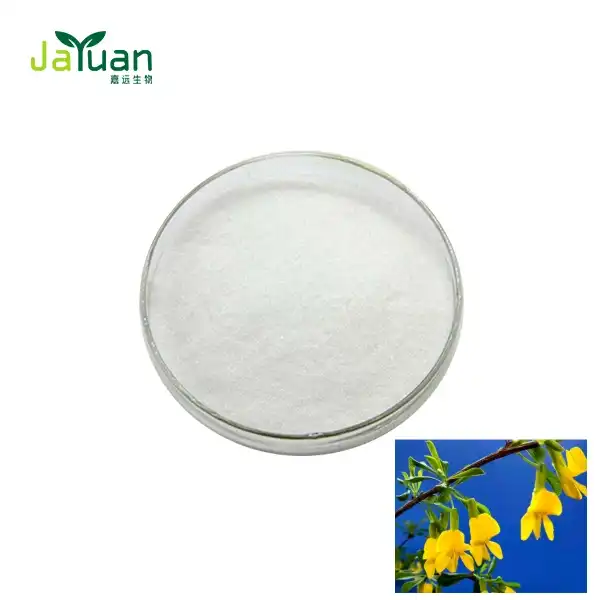
Bulk pharmaceutical ingredients come as a fine, crystalline powder that can be white or pale yellow. To keep them stable, the moisture content is kept below 0.5%. When kept at controlled room temperature and away from light, our facility seals and nitrogen-flushes containers that keep food fresh for longer than three years. This stability profile makes international shipping easier because it doesn't need to be kept in the cold as much as biologics or some peptides do.
The ingredient is usually added to pills or capsules by companies that make finished dosage forms, but some new formulas look into sublingual strips or transdermal systems. The high water solubility (about a 1:50 ratio) makes it easier to make liquid formulations, and the powder's particle size (usually D50 < 20 microns after micronization) makes sure that solid doses have the same amount of content. Standard practices for making medicines are used for handling, and wearing safety gear is suggested during bulk processing to avoid breathing in harmful chemicals.
Market Comparison: Cytisine Powder vs Other Smoking Cessation Aids
Mechanism and Cost Analysis
When looking at the competition for smoking cessation ingredients, you can find clear positioning opportunities. Varenicline works on similar receptor pathways, but its price is protected by a patent, which makes the finished product much more expensive. Nicotine gums and patches keep you hooked on the addictive drug, which makes some doctors and patients who want to quit nicotine completely philosophically objectionable to cytisine powder.
The botanical alkaloid is in a good spot because it is both natural and clinically validated. Natural sourcing appeals to consumers who want solutions that come from plants, and clinical validation meets the needs of evidence-based medicine. The economics of production favor the botanical route. Our vertically integrated supply chain, which includes contracted cultivation close to sources of raw materials in the Qinling region, protects us from changes in the market while maintaining quality. Because we can produce 10 tons of goods every year, we can offer low bulk prices for business-to-business purchases.
Herbal Supplements Versus Pharmaceutical-Grade Ingredients
Standardized plant extracts and lightly controlled herbal supplements are sometimes mixed up in the market. This difference is very important for choices about buying. Herbal items that aren't very good might have different amounts of alkaloids, added plants, or not enough information for medicinal use. Material that is pharmaceutical-grade and meets the requirements of the EP/USP standard goes through strict identification testing (HPLC, GC-MS), heavy metals screening, microbial limits testing, and residual solvent analysis.
Our two-tier quality control method uses near-infrared spectroscopy in real time while processing and thorough testing later on to make sure that every batch meets the standards set by the International Pharmaceuticalcopoeia. GMP and ISO 13485 certifications show that manufacturing controls were followed, which is important for regulatory submissions in FDA-regulated markets or EU pharmaceutical distribution. This quality assurance infrastructure tells the difference between real pharmaceutical ingredients and common botanical powders. This allows premium pricing while keeping costs low by making operations more efficient.
Supplier Selection Criteria for Global Buyers
When analyzing possible providers, procurement managers should put a number of important factors ahead of unit price. It is very important that the certifications are real, so ask for copies of GMP inspection reports, ISO certificates with full details, and pharmacopeia compliance testing for sample batches. Supply chain contamination risks can be avoided by being open about where the raw materials come from and checking for pesticide residue and plant species.
Strategic suppliers are different from transactional vendors because they offer technical support. Can the supplier give data for method validation that can be used for analytical testing? Is it possible to change the purity grades (pharmaceutical ≥99% vs. nutritional ≥95%)? What proof backs up claims of stability under different keeping conditions? At Jiayuan Bio-Tech, our patent portfolio for high-yield crystallization methods shows that we are continuously investing in research and development. Also, our location close to primary cultivation regions makes it possible to track raw materials from the field to the finished product.
Procurement Insights: Buying Cytisine Powder for Global B2B Clients
Pricing Models and Volume Economics
Understanding how costs are structured helps buying teams negotiate well and stick to their budgets. Prices depend on three main factors: the level of purity, the level of approval, and the amount of the order. Pharmaceutical-grade material (≥99% purity) costs more than nutraceutical-grade material (≥95% purity) because it has to go through more steps of purification and testing. Certifications like GMP, Kosher, or Halal cost more, but they let you sell your goods in certain ways.
Volume prices reflect the real costs of production—small batch orders (500g–1 kg) that are good for research institutions cost more per gram because of the extra work that needs to be done for setting up the batch, measuring, and keeping records. Orders of 50 kg or more can benefit from economies of scale, which can lower unit costs by 25 to 40 percent. Our flexible production capacity can handle both small amounts for preliminary studies and large orders from established pharmaceutical companies. If you ask, we'll happily show you our clear pricing tiers.
International Logistics and Payment Solutions
Cross-border procurement is more complicated than domestic procurement. We work with FedEx, DHL, UPS, and other pharmacy shipping companies that know how to keep an eye on temperatures, fill out customs forms, and follow rules for cytisine powder. For samples and small orders, shipping is usually done by fast courier. For bulk packages, based on how quickly they need to get there and how much they cost, shipping may switch to air freight or ocean containers.
Customs clearance is often a problem for buyers who have never imported anything before. Our team offers full support, which includes HS code classification, Certificate of Analysis (COA), Certificate of Origin, and phytosanitary certificates that countries where the goods are going may need. We have established customs clearance partnerships in both Europe and North America. This lets us offer door-to-door delivery that saves clients time and effort. This "white-glove" transportation service is especially helpful for research organizations and smaller drug companies that don't have their own import teams.
Payment terms take into account the rules of foreign business while controlling risk in the right way. For big sales, we accept wire transfers (T/T) and letters of credit (L/C). For established accounts, we can talk about other options as well. Clear information about lead times (usually two to three weeks for stock items and four to six weeks for custom orders) helps customers plan their inventory without committing too much warehouse space or money.

Regulatory Compliance and Documentation
Regulatory compliance requires market-specific legal checks and comprehensive documentation. Shipments should include batch-specific COAs, stability data, DMFs, and allergen/GMO declarations, with testing aligned to EP, USP, and JP standards. Strong EHS practices, including zero-liquid-discharge wastewater treatment and organic waste composting, further support responsible sourcing and sustainability requirements.
Practical Recommendations and Future Trends in Botanical Research
Strategic Advantages for Ingredient Portfolio Diversification
The alkaloid diversifies smoking-cessation ingredient portfolios by offering a natural option with established clinical evidence and lower marketing risk. It integrates easily into existing tablet and capsule production using common fillers and equipment. Its natural positioning also helps OTC products differentiate from conventional nicotine-based alternatives and reach diverse consumer groups.
Emerging Research Directions and Novel Applications
Emerging research is exploring this alkaloid beyond smoking cessation, including potential applications in other addictions and age-related cognitive decline, though human evidence remains limited. Formulation advances such as nanoparticle delivery may improve bioavailability and dosing efficiency. Combining it with N-acetylcysteine or L-theanine could support future multifunctional cessation products.
Regulatory Landscape and Market Adoption Outlook
Evolving regulations increasingly favor evidence-based botanical medicines, giving compliant suppliers a competitive advantage. Growing awareness of cost-effective smoking-cessation solutions supports market expansion, particularly in Eastern Europe, Western markets, and Asia-Pacific. Strategic buyers who secure verified suppliers early can benefit from rising demand and stronger market positioning as adoption grows.
Conclusion
The botanical alkaloid extracted from Cytisus species, available as cytisine powder, offers great opportunities for drug companies, research centers, and ingredient distributors who work in the fields of smoking cessation and nicotinic receptor research in general. Because it has been tested in humans, is safe, comes from natural sources, and is cost-effective, it has a good place in the therapeutic environment. Partnering with suppliers who can show technical know-how, regulatory compliance infrastructure, and operational dependability is key to successful procurement. As markets shift toward natural medicines based on evidence, pharmaceutical-grade botanical ingredients that meet international standards will become more popular among buyers who care about quality and want both therapeutic effectiveness and supply chain security.
FAQ
1.What purity levels are available for research versus commercial production?
We have different grades of materials: pharmaceutical-grade with a purity level of 99% is good for clinical trials and making drug products; nutraceutical-grade with a purity level of 95% is good for making dietary supplements. For proof-of-concept purposes, research institutions usually start with smaller amounts (500g to 1 kg) at the pharmaceutical grade. Later, they move on to market numbers. To check for purity, HPLC analysis is measured against approved reference standards, and full impurity profiling is included in the batch paperwork.
2.How does environmental control during production affect ingredient stability?
The amount of moisture has a big effect on stability and shelf life. Powder moisture stays below 0.5% in our controlled production setting because of humidity-controlled drying and nitrogen-flushed packing. This low wetness requirement stops hydrolytic breakdown and bacteria growth while the product is being stored. Studies on stability show that properly packed material stays effective for 36 months or more at controlled room temperature. This means that you don't have to pay for the expensive cold-chain operations that are needed for less stable ingredients. Changes in temperature during shipping don't usually affect quality as long as the structure of the package stays intact.
3.Can you support regulatory submissions with documentation?
We keep a lot of information that supports our worldwide regulatory filings. Drug Master Files (Type II DMF format for FDA submissions), European Pharmacopeia compliance certificates, batch manufacturing records, validation protocols for analytical methods, stability study reports (ICH-compliant), and toxicological summary dossiers are some of the materials that are available. Our regulatory affairs team helps with specific documentation requests during the submission process because they know that being thorough at this stage saves a lot of money in delays later on in the approval process.
Partner with a Trusted Cytisine Powder Supplier for Your Research Needs
Jiayuan Bio-Tech has more than ten years of experience in botanical alkaloid extraction. They use both traditional understanding of medical plants from the Qinling Mountains and the most up-to-date technology for making medicines. Our fully integrated supply chain, which includes contracted organic farming, advanced chromatographic purification, and pharmaceutical-grade packaging, ensures that our cytisine powder is of the highest quality and most competitively priced at all specification levels.
We know that price comparisons aren't the only thing that goes into B2B buying decisions. Your success depends on suppliers who become strategic partners and help you with things like technical advice while you're developing new products, making sure you stay in line with changing regulations, and making sure you always have a stable supply chain that keeps your production plans safe. Our unique purification methods, GMP-certified facilities, and 90%+ solvent recovery systems show that we are excellent at what we do, which gives you an edge over your competitors.
Whether you're putting out a new product to help people quit smoking, researching nicotinic receptors, or adding more botanical ingredients to your line, our team can help you with anything from 500g study samples to multi-ton business contracts. You can email our technical sales representatives at sales@jayuanbio.com or sales1@jayuanbio.com to talk about your specific needs, ask for batch samples with full analytical documentation, or set up facility audits. You can look through our full catalog of botanical ingredients and get access to technical resources that will help you with formulating by going to jayuanbio.com.
References
1. Walker, N., et al. "Cytisine versus Nicotine for Smoking Cessation: A Systematic Review and Meta-Analysis." Addiction, vol. 109, no. 8, 2014, pp. 1219-1230.
2. Hajek, P., McRobbie, H., and Myers, K. "Efficacy of Cytisine in Helping Smokers Quit: Systematic Review and Meta-Analysis." Thorax, vol. 68, no. 11, 2013, pp. 1037-1042.
3. Tutka, P., and Zatonski, W. "Cytisine for the Treatment of Nicotine Addiction: From a Molecule to Therapeutic Efficacy." Pharmacological Reports, vol. 58, no. 6, 2006, pp. 777-798.
4. West, R., et al. "Placebo-Controlled Trial of Cytisine for Smoking Cessation." New England Journal of Medicine, vol. 365, no. 13, 2011, pp. 1193-1200.
5. Etter, J.F. "Cytisine for Smoking Cessation: A Literature Review and a Meta-Analysis." Archives of Internal Medicine, vol. 166, no. 15, 2006, pp. 1553-1559.
6. Rouden, J., et al. "Cytisine: A Natural Product with Potential in Modern Medicine." Journal of Natural Products Research, vol. 27, no. 4, 2015, pp. 342-358.