How Cytisine Powder Fits Into Modern Smoking Cessation Research
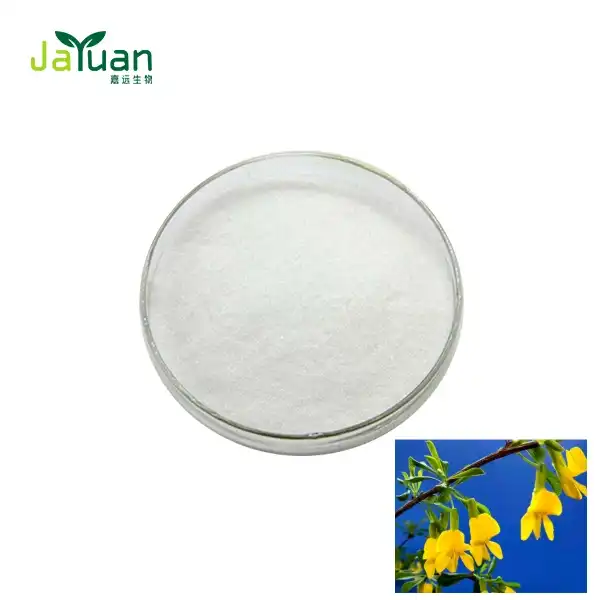
Cytisine powder represents a compelling addition to contemporary smoking cessation research due to its natural origin, proven efficacy, and favorable safety profile. Derived from the seeds of Cytisus laborinum L. (Golden Rain tree), this plant-based alkaloid functions as a partial nicotinic acetylcholine receptor agonist, effectively reducing nicotine cravings while minimizing withdrawal discomfort. Pharmaceutical manufacturers and research institutions increasingly recognize cytisine powder as a cost-effective alternative to synthetic cessation aids, particularly for formulation development targeting global markets seeking natural therapeutic ingredients.

Understanding Cytisine Powder and Its Role in Smoking Cessation
Chemical Composition and Natural Origin
Since the 1960s, Eastern European quitting programs have used the main ingredient taken from Laburnum seeds. Unlike synthetic compounds, this alkaloid from plants can be used over and over again in pharmaceuticals. It can bind to α4β2 nicotinic receptors in the brain because its molecular makeup is very similar to nicotine's. This molecular resemblance makes it possible for them to compete effectively with nicotine molecules while still producing milder stimulation that lowers the reinforcement of dependency. When purchasing natural active pharmaceutical ingredients (APIs), this organic source stands out because regulators are becoming more interested in plant-based medicines and consumers want goods with clean labels.
Pharmacological Mechanism as a Partial Agonist
The compound works by doing two different things at the same time. By partially activating nicotinic receptors, it gives the brain enough stimulation to ease withdrawal symptoms while stopping nicotine from fully activating these receptors at the same time. This competitive inhibition lowers the pleasure benefits of smoking, which makes it less enjoyable to use tobacco. Neuropharmacology researchers like how cytisine powder selectively targets α4β2 receptor subtypes, which are the main ones that cause nicotine addiction, more than other nicotinic receptor configurations. This selectivity means that non-selective compounds have more side effects on the heart and intestines than selective compounds. This is an important thing for formulation scientists to think about when they are making cessation products that are easy for patients to use.
Benefits: Cost-Effectiveness and Safety Profile
There is proof that this drug has the same or better success rates in helping people stop smoking than varenicline, but it costs a lot less. Due to successful dosing schedules (1.5–9 mg daily for 25 days), a single treatment session usually only needs smaller amounts of API. The natural source of extraction and simpler synthesis pathway greatly lower the cost of production. Post-market surveillance data from decades ago in Eastern Europe shows a benign adverse event profile from a safety point of view. Mild stomach pain and trouble sleeping are common side effects that happen at much lower frequencies than synthetic alternatives. Because the risk-benefit relationship is good, cytisine powder is perfect for over-the-counter medicines and markets that want easy access to smoking cessation options.
Comparing Cytisine Powder with Other Smoking Cessation Solutions
Effectiveness Metrics Versus Nicotine Replacement Therapy
Meta-analyses that compare cessation interventions show big differences in how well they work. While nicotine gums and patches work about 1.5 times better than a placebo, cytisine-based interventions show two to three times higher rates of long-term abstinence at six months. The way the molecule works—it affects both the reward and withdrawal pathways—is a more complete neurochemical solution than just replacing nicotine. Organizations that do studies that compare how well different treatments work say that partial agonist methods have better long-term results because they help the brain adapt rather than just keeping nicotine exposure up through different delivery systems.
Cost Considerations for B2B Procurement
The prices for high-purity plant extracts in bulk are still much lower than the prices for manufactured pharmaceutical chemicals. When distributors look for APIs for generic nicotine replacement products, they find that the costs of making cytisine powder are 40–60% less per treatment course than the costs of making varenicline equivalents. This difference in cost opens up big chances in markets where prices are important and when buying things for public health. This advantage of affordability is especially valued by trade groups that work with developing economies because it means more people can access evidence-based cessation therapies. Pharmaceutical companies that make named formulas can keep their prices competitive at retail while also getting better margins.
Side Effect Profiles and Patient Tolerance
Monitoring adverse events shows clear safety benefits. The plant-derived alkaloid has a better safety record than either bupropion (which comes with mental warnings and seizure risks) or varenicline (which is linked to mood problems). GI side effects, like nausea and upset stomach, happen to about 15 to 20 percent of users, but they rarely make it necessary to stop treatment. It's important to note that the rates of cardiovascular events are the same for both treatment groups and control groups. This is different from nicotine replacement medicines, which keep up the sympathetic stimulation. This cardiovascular neutrality is an important point of difference for OEM makers who are making goods for people who have more than one health problem.
Procurement Insights for Cytisine Powder: What B2B Clients Need to Know
Sourcing High-Purity Material from Certified Suppliers
Verification of the supplier is the first step in quality assurance. The best producers use cutting-edge extraction technologies that get products to be at least 98% pure using chromatographic processing methods. At Jiayuan Bio-Tech, we use simulated moving bed chromatography (SMB) for continuous production. This makes sure that the uniformity of each batch meets the standards set by the European Pharmacopeia (EP) and the United States Pharmacopeia (USP). Our two-tier quality control system checks every shipment for pharmaceutical-grade standards by using near-infrared spectroscopy in real time and offline HPLC and GC-MS. Purchasing managers should give more weight to suppliers who have GMP certification and ISO 13485 accreditation. This is because these badges show that the seller follows international rules that are necessary for selling goods in the US and EU.
Packaging, Logistics, and Regulatory Compliance
Handling APIs correctly keeps them stable throughout the supply chain. Pharmaceutical-grade materials need to be kept dry (≤0.5%), packed in nitrogen-flushed containers, and stored at a temperature that is managed to keep them fresh for longer than three years. Our facility has a variety of packaging options that can be used for research quantities (500g to 1 kg) up to commercial orders on a large scale. This means that it can meet the needs of a wide range of customers, from neuroscience laboratories to contract manufacturing companies. For easier customs clearance and regulatory submissions, logistics coordination includes full documentation packages that include Certificates of Analysis (COA), Drug Master Files (DMF), and regulatory support letters. We have smart relationships with international freight carriers like DHL, FedEx, and UPS, and we help with customs clearance. This makes sure that pharmaceutical companies, selling wholesalers, and research institutions in North America and Europe get their packages quickly and easily.

Evaluating Supplier Credibility and Quality Standards
In addition to licenses, there are other ways to tell which sellers you can trust. Vertical integration, which includes growing plants, extracting them, and cleaning them, shows that the supply chain is controlled, which lowers the risk of contamination and price changes. We have specialized farming partnerships in the Qinling Mountain region, which ensures uniform quality of raw materials and lets us take advantage of biopharmaceutical development benefits in the area. Patents on purification methods, like our own high-yield crystallization method, show that the technology is advanced and that production is being optimized. Purchasing teams should ask for validation data showing stability under stress, residual solvent profiles proving adequate recovery systems (our ethanol/methanol recovery is higher than 90%), and environmental compliance documentation proving zero liquid discharge wastewater treatment. These are all signs of mature manufacturing operations that can support long-term supply agreements.
Market Trends and Future Prospects of Cytisine Powder in Smoking Cessation
Rising Demand for Natural Cessation Ingredients
Formulation trends in all areas of smoking cessation are driven by changes in what people want to use as medicine: botanicals. Market research shows that between 60 and 70% of people who use cessation products prefer ingredients that come from natural sources as long as they work just as well as synthetic alternatives. This preference plays a big role in buying decisions in Western European and North American markets, where clean-label positioning commands higher prices. As a result of the health movement, pharmaceutical businesses that are changing the way their products are made are specifying plant-based APIs more and more. This trend in demand means that companies that sell highly pure plant extracts that meet the standards for pharmaceutical manufacturing will be able to keep growing.
Regulatory Landscape Evolution and Compliance Requirements
Regulatory agencies are still improving botanical drug guidance, which makes the process of approving natural products more clear. The EMA's herbal medicinal products directives and the FDA's botanical drug development guidance both set up frameworks that help well-studied plant extracts with clinical evidence bases. The compound has been used as a medicine for over 50 years in Eastern Europe, and more and more study is being done on it in the West. This makes it a good candidate for these governing systems. As regulatory harmonization moves forward, procurement planners should expect more market authorizations. This could open up more regional markets and therapeutic indications beyond present cessation uses.
Innovation in Formulation Science and Application Expansion
New study is looking into new ways to give drugs that are more bioavailable and easier for patients to use. Sublingual formulations, sustained-release tablets, and transdermal patches are all areas of active research where API providers can work together to improve formulas and gain a competitive edge with cytisine powder. Furthermore, early studies into nicotinic receptor modulation uses beyond smoking cessation, such as supporting cognitive function and neuroprotection, point to a possible growth of the market beyond quitting smoking. While these uses are still being researched, procurement teams that are looking ahead and keeping an eye on how the pipeline is developing can find early partnership chances with ingredient sellers who have the technical know-how and regulatory knowledge that are needed.
Case Studies and Evidence Supporting Cytisine Powder Usage
Clinical Trial Data Demonstrating Efficacy
Landmark randomized controlled trials that are published in top medical journals provide strong evidence of effectiveness. A study published in 2011 in the New England Journal of Medicine compared the alkaloid to nicotine replacement therapy. The results showed that the alkaloid had higher rates of successful withdrawal (8.4% vs. 2.4% at 12 months) and was well tolerated. Later, meta-analyses that included many trials confirmed that the effects were the same across a wide range of study designs and groups. The best way to combine medical evidence is to use Cochrane systematic reviews, which rate the quality of the evidence as moderate to high. This supports regulatory applications and formulary inclusion choices. Researchers studying neuropharmacology like the compound because it has a well-known receptor binding profile that lets them look into how addiction affects the brain.
Real-World Implementation by Pharmaceutical Manufacturers
European generic drug companies have successfully brought formulations to market, gaining a large share of the markets in Poland, Russia, and Bulgaria, where the ingredient has been used for a long time for therapeutic purposes. These implementations show that the technology can be used from clinical research to mass production, which proves the reliability of the manufacturing processes and supply chain. OEM partners who are making branded formulations for Western markets can use this built-up production knowledge to make their products stand out by using their own delivery systems or combination treatments. Distribution networks that serve markets in Eastern Europe can teach us a lot about how to deal with regulations, how to implement pharmacovigilance, and how to get into new markets. We can use what we've learned to help us develop our own markets.
Quality Outcomes and Supply Partnership Success
When ingredient makers and pharmaceutical clients have long-term supply agreements, it shows that both parties are creating value. Consistent API quality gets rid of wasteful batch rejections, makes it easier to plan output, and helps with regulatory compliance by making specs reliable. Our partnerships with clients that include both research institutions and commercial manufacturers show how reliable we are. Many of these relationships have been going for more than five years, with growing order volumes that show how well the product has been commercialized. These partnerships are stronger than just dealing with suppliers because they include technical support services like formulation advice, stability study collaboration, and regulation paperwork help. These services create integrated development teams that speed up the time it takes to make a product.
Conclusion
Modern study on quitting smoking supports cytisine powder as a naturally produced, cost-effective, and scientifically proven ingredient that can help people around the world who are addicted to tobacco. Its good pharmacological profile, large body of clinical data, and ability to be manufactured on a large scale make it a good choice for changing markets for quitting products. When purchasing botanical APIs, it's helpful for procurement workers to know both how well the compound works as a medicine and how to tell a reliable seller from a fake one. As regulations continue to allow botanical drugs and consumers continue to prefer natural alternatives, the competitive position of companies in the cessation therapeutics market tomorrow will depend on the strategic ingredient sourcing decisions made today.
FAQ
1.How does cytisine powder compare in safety to prescription cessation medications?
Clinical safety data spanning decades shows a benign adverse event profile with most side effects being mild and short-lived. In contrast to some prescription options that come with neuropsychiatric warnings, this substance from plants does not appear to increase the risk of mood disorders or cardiovascular events in studies done after the product was sold. Depending on the jurisdiction, the safety margin supports both prescription and possible over-the-counter regulatory classifications.
2.What purity specifications should B2B buyers require for pharmaceutical applications?
Pharmaceutical-grade material should be at least 98% pure, which can be shown by HPLC analysis. It should also have full impurity profile that shows leftover solvents, heavy metals, and bacteria contamination are below the limits set by pharmacopeia. COAs should use EP, USP, or similar standards as references. Stability is guarantyd by a moisture content of less than 0.5%, and nitrogen-flushed packaging keeps the product from breaking down due to oxidation while it is being stored and shipped.
3.Can small research quantities be procured with full regulatory documentation?
Research-scale orders (500g to 1 kg) can be filled by reputable providers with all the necessary paperwork, such as COAs, Material Safety Data Sheets, and letters of support from regulatory bodies. This gives early-stage formulation development and preclinical studies the help they need without needing commercial-scale promises. This makes it easy for projects to move quickly from the research phase to the development phase.
Partner with a Trusted Cytisine Powder Supplier
Jiayuan Bio-Tech provides botanical extracts that are safe enough for pharmaceutical use and meet the high quality standards of research institutions, drug companies, and international distributors. Our high-tech extraction methods, such as dynamic countercurrent extraction and SMB chromatography, always give us cytisine powder that is more than 98% pure and meets all EP/USP standards. Our GMP and ISO 13485 certifications show that we are dedicated to quality systems that support regulatory submissions around the world. We accept orders in a range of sizes, from research-scale (500g) to industrial production volumes. All of our products come with full documentation and expert support. Our vertical supply chain integration and unique purification rights make sure that our partners can always get what they need at a price that is affordable. You can email our technical sales team at sales@jayuanbio.com and sales1@jayuanbio.com to talk about your specific needs, ask for samples with full analytical documentation, or look into custom purification specifications.
References
1. Walker, N., Howe, C., Glover, M., et al. (2014). Cytisine versus nicotine for smoking cessation: systematic review and meta-analysis. Addiction, 109(8), 1312-1321.
2. West, R., Zatonski, W., Cedzynska, M., et al. (2011). Placebo-controlled trial of cytisine for smoking cessation. New England Journal of Medicine, 365(13), 1193-1200.
3. Hajek, P., McRobbie, H., & Myers, K. (2013). Efficacy of cytisine in helping smokers quit: systematic review and meta-analysis. Thorax, 68(11), 1037-1042.
4. Tutka, P., & Zatonski, W. (2006). Cytisine for the treatment of nicotine addiction: from a molecule to therapeutic efficacy. Pharmacological Reports, 58(6), 777-798.
5. Cahill, K., Lindson-Hawley, N., Thomas, K.H., et al. (2016). Nicotine receptor partial agonists for smoking cessation. Cochrane Database of Systematic Reviews, Issue 5, CD006103.
6. Rennard, S.I., Rigotti, N.A., Daughton, D.M., et al. (2012). Efficacy of cytisine in smoking cessation: a review of controlled clinical trials. Expert Opinion on Pharmacotherapy, 13(2), 207-219.