
Common Uses of Astaxanthin Powder in Modern Nutraceuticals
Astaxanthin powder has changed our view of natural supplementation and is now a popular nutraceutical ingredient. The antioxidant properties of this powerful carotenoid surpass those of many conventional supplements. Microalgae like Haematococcus pluvialis produce most of it. Modern nutraceutical firms are rapidly using this bright red ingredient in anti-aging, cardiovascular, sports, eye, and skin wellness products. Astaxanthin is essential to the health-conscious sector due to its various benefits.
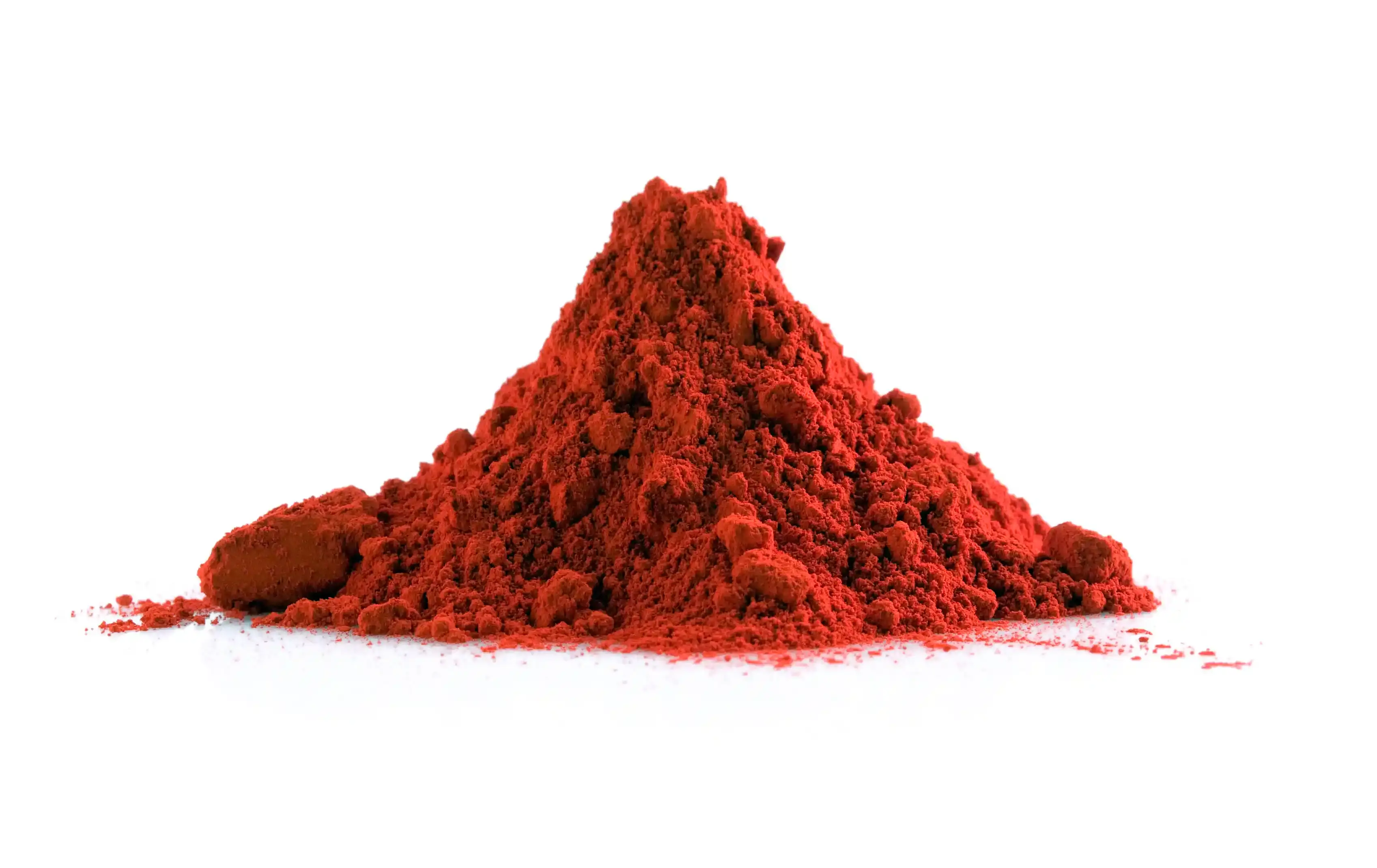
Purity: 1%-10%
Appearance: Dark red powder
CAS NO.: 472-61-7
Molecular Weight: 596.85
Molecular Formula: C40H52O4
MOQ: 500G-1KG
Inventory: in stock
Our Advantages: Scalable production capacity, strict quality control, cost efficiency from integrated factories, over 20 years of experience, advanced technology, and 24/7 after-sales support.
Certificaions: FSSC2000/ISO2000/HALAL/KOSHER/HACCP
Delivery terms: FedEx, DHL, EMS, UPS, TNT, all kinds of the airline, international shipping companies.
Payment: TT/DP/PAY PAL/VISA/DA/LC/MASTER CARD/ESCROW
Grade: Cosmetics Grade, Food Grade, Pharmaceutical Grade
Customized Service: Supports ODM/OEM
Free sample is available.
We do not sell retail quantities to individuals.
Understanding Astaxanthin's Role in Modern Health Solutions
Rising Demand for Natural Substitutes
Because consumers prefer natural supplements to manufactured ones, the nutraceutical business has experienced growth in recent years. Because of this shift in client preferences, industrial growth is being stimulated.
Astaxanthin, a carotenoid of exceptional quality
The formulation of astaxanthin is a one-of-a-kind component that integrates contemporary research with conventional medical practice. This carotenoid is advantageous for neurological and ocular health since it is able to traverse the blood-brain and blood-retinal barriers. This is because of the chemical features that it possesses.
Increased Bioavailability of Astaxanthin Derived from Natural Sources
Natural astaxanthin has been shown to have a higher bioavailability than manufactured astaxanthin, according to academic studies. Due to the fact that natural sources contain the esterified form, which is more stable and absorbable, manufacturers are able to create formulations that are safer and more effective at lower dosages. The value of the customer and the outcomes of therapy are both improved by efficiency.
Expanding Opportunities in the Market
Scientific research on the health advantages of astaxanthin is contributing to the expansion of the global market for astaxanthin. Because of its ability to treat a variety of disorders, it is a relatively inexpensive component of multifunctional products, which is something that manufacturers of vitamins, cosmetics, and medications also know.
Core Applications in Nutraceutical Formulations
Anti-Aging and Longevity Supplements
Recent nutraceutical companies employ astaxanthin in anti-aging formulations since it can battle oxidative stress. This powerful antioxidant protects cells from aging by scavenging free radicals better than vitamins C and E.
Longevity tablets typically contain 4–12 mg of astaxanthin. It works with resveratrol, omega-3 fatty acids, and coenzyme Q10 to protect cells.
Astaxanthin is used to differentiate high-end anti-aging medicines, allowing manufacturers to charge more for scientifically proven benefits. Due to the natural ingredients, health-conscious customers prefer clean-label products without additives.
Heart-related Items
Astaxanthin powder is used to make heart-health nutraceuticals. Study: it can maintain normal cholesterol levels, improve blood flow, and minimize heart disease-related inflammation.
Heart health supplements protect the heart with astaxanthin and omega-3s. The 6–12 mg daily dosage is meant to function with magnesium and CoQ10 supplements.
Astaxanthin's stability throughout processing and storage ensures product potency throughout shelf life, which manufacturers desire. Its dependability makes it ideal for cardiovascular health combination treatments and sustained-release formulations.
Exercise Recovery and Sports Nutrition
Astaxanthin is used in sports nutrition since it boosts performance and recovery. This carotenoid boosts endurance, improves recovery, and reduces exercise-induced muscle damage.
Astaxanthin is widely added to pre- and post-workout supplements together with creatine and BCAAs. For sports, 8–16 mg per day is recommended, depending on performance goals and training intensity.
Professional athletes and fitness enthusiasts use astaxanthin in competitive sports since it is natural and drug-free. These benefits are used by supplement businesses to make high-end sports nutrition products for dedicated athletes.
Vision Support and Eye Care
Astaxanthin is useful for eye health since it crosses the blood-retinal barrier. Nutraceutical companies make eye health supplements to prevent digital eye strain, AMD, and other vision disorders.
Astaxanthin is often coupled with lutein, zeaxanthin, and bilberry extract to protect the eyes. Combining these carotenoids protects the retina more than using them separately.
Modern lifestyles need prolonged screen time, making digital eye strain supplements more popular. Astaxanthin protects sensitive eye tissues from oxidative stress and blue light damage, meeting this growing market requirement.
Skin Beauty and Health Supplements
Astaxanthin is commonly employed in cosmeceuticals due to its anti-aging and skin-protective characteristics. This ingredient moisturizes and softens skin while avoiding UV damage and wrinkles.
Astaxanthin, a powerful element in beauty-from-within supplements, works. Vitamin C, hyaluronic acid, and collagen peptides are often used to form comprehensive skin care products.
Clinical research shows that oral astaxanthin supplementation improves skin texture and appearance after 6–8 weeks. The scientifically proven plan allows marketers to make honest statements regarding consumer expectations and product efficacy.
Mental Health and Brain Aid
Recent research have proven astaxanthin's neuroprotective and cognitive benefits. Supplement companies utilize it to make brain health products because it can cross the blood-brain barrier and protect neural tissues from oxidative stress.
Cognitive support products include phosphatidylserine, omega-3 DHA, astaxanthin, and other brain nutrients. Cognitive health, brain clarity, and memory are improved by this multi-ingredient strategy.
Due to the aging population's interest in cognitive health, astaxanthin-based supplements are expected to develop significantly. Manufacturers offer these products as preventive health solutions, not treatments.
Immune System Enhancement
Immune-boosting supplements use astaxanthin's immunomodulation. Research shows it balances immunological responses and boosts natural killer cell activity in stressful or seasonal situations.
Elderberry extract, zinc, vitamin D, and astaxanthin are common immunological wellness ingredients. This combination strategy addresses customer desire for natural products and provides total immune support.
No contraindications and good safety record allow the medicine to be used regularly and long-term in immune support formulations. Manufacturers value flexibility while making long-term wellness products.
Quality Considerations and Manufacturing Standards
Value of Quality Assurance
Current nutraceutical companies respect astaxanthin powder quality to ensure product efficacy and consumer safety. Premium providers do heavy metal, microbiological, and solvent residue testing. These steps ensure the completed product meets high safety and efficacy standards.
How Purity Impacts Bioavailability
Purity affects astaxanthin powder absorption and medicinal benefits. Premium natural astaxanthin is effective and mostly contaminant-free during production and storage. Manufacturers rely on suppliers with detailed analysis certifications and batch-specific testing results to ensure product quality.
Product Extraction and Quality Methods
Extraction methods greatly affect product quality. Supercritical CO₂ extraction preserves fragile molecular structure while eliminating harmful solvents. This clean extraction approach makes astaxanthin products more marketable, as consumers want natural, chemical-free supplements.
Market Trends and Consumer Preferences
The Change to Customized Diets
The nutraceutical industry is moving toward tailored nutrition and health solutions. Astaxanthin's versatility allows companies to create customized formulations for specific health conditions and demographics, supporting a more personalized wellness approach.
Prevention of Younger Customer Health Issues
Younger clients increasingly prefer proactive wellness solutions. Astaxanthin's preventative benefits, which promote long-term health and aging, reinforce this tendency. This association shows the rising desire for things that increase well-being rather than only treating pressing concerns.
Sustainability and Customer Preferences
The renewable algae supply of natural astaxanthin is appealing because sustainability issues influence customer choices. Eco-conscious shoppers appreciate items that promote balance. This option shows how important sustainability is to nutraceutical product development and marketing.
Conclusion
Astaxanthin powder's flexibility and scientifically proven advantages are revolutionizing the nutraceutical sector. This rare carotenoid addresses consumer health needs in anti-aging and sports nutrition products due to its safety. Manufacturers of premium astaxanthin products lead natural health innovation as new therapeutic uses are revealed through research. Astaxanthin and other potent, natural components that promote optimal health and deliver verifiable effects will grow in nutraceuticals.
Frequently Asked Questions
1. Is natural astaxanthin powder better than manufactured?
Esterifying natural astaxanthin powder from Haematococcus pluvialis microalgae makes it more bioavailable. False astaxanthin may be more bioavailable. The body can use and absorb the natural form because molecules and stereoisomers interact together.
2. How can astaxanthin powder be stored effectively?
Astaxanthin powder should be stored in a cool, dry area. Labeling and storing in nitrogen-clean containers prevents oxidation. For a long time, you may store several items in the freezer or fridge.
3. How do you take vitamins and minerals?
The nutraceutical usually contains 4–16 mg of astaxanthin per day, depending on its purpose. Anti-aging vitamins include 4–8 mg, whereas sports nutrition supplements offer 8–16 mg. Many eye health products contain 6–12 mg of carotenoids.
4. Is astaxanthin compatible with other medications?
Astaxanthin is safe and seldom interacts with other substances. Combining antioxidants may improve its performance. Even if there have been no serious issues, blood-thinning patients should consult their doctors before utilizing supplements.
5. When may consumers expect astaxanthin supplement results?
After two to four weeks of daily astaxanthin tablets, most people notice results. Working exercise can improve your skin in days, but it takes 6–8 weeks to get healthier. It will keep your heart and eyes healthy for months if you take it daily.
6. Companies seeking astaxanthin should look for what quality certifications?
Real astaxanthin providers follow GMP, ISO, and comprehensive testing. Heavy metal, microbial, and solvent residue certifications are crucial. Third-party tests and certificates of analysis can help producers ensure product quality.
Partner with Jiayuan Bio-Tech for Premium Astaxanthin Powder Supply
People trust Jiayuan Bio-Tech, an astaxanthin powder manufacturer, to create astaxanthin powder. They supply premium natural extracts that comply with all regulations. Our skilled workers and advanced production facilities ensure every batch is safe, effective, and pure. We provide testing sheets, competitive costs, and worldwide shipping to help you make nutraceuticals. Contact sales@jayuanbio.com or sales1@jayuanbio.com to explore how our high-quality astaxanthin powder may help you make better products.
References
1. Ambati, R.R., Phang, S.M., Ravi, S., & Aswathanarayana, R.G. (2014). Astaxanthin: sources, extraction, stability, biological activities and its commercial applications. Marine Drugs, 12(1), 128-152.
2. Dose, J., Matsugo, S., Yokokura, H., Koshida, Y., Okazaki, S., Seidel, U., Eggersdorfer, M., Rimbach, G., & Esatbeyoglu, T. (2016). Free radical scavenging and cellular antioxidant properties of astaxanthin. International Journal of Molecular Sciences, 17(1), 103.
3. Fakhri, S., Aneva, I.Y., Farzaei, M.H., & Sobarzo-Sánchez, E. (2019). The neuroprotective effects of astaxanthin: Therapeutic targets and clinical perspective. Molecules, 24(14), 2640.
4. Kidd, P. (2011). Astaxanthin, cell membrane nutrient with diverse clinical benefits and anti-aging potential. Alternative Medicine Review, 16(4), 355-364.
5. Yoshida, H., Yanai, H., Namiki, Y., Fukatsu-Sasaki, K., Fukatsu, N., & Tada, N. (2010). Neuroprotective effects of edaravone: a novel free radical scavenger in cerebrovascular disease. CNS Drug Reviews, 12(1), 9-20.
6. Zhang, L., & Wang, H. (2015). Multiple mechanisms of anti-cancer effects exerted by astaxanthin. Marine Drugs, 13(7), 4310-4330.