Best Organic Astaxanthin Powder for EU Market Entry
As discriminating procurement managers look for the best organic astaxanthin powder for a successful EU market launch, they understand that supplier dependability, quality, and compliance are the cornerstones of long-lasting business partnerships. In comparison to synthetic alternatives, premium astaxanthin powder made from microalgae provides pharmaceutical companies, cosmetic manufacturers, and nutraceutical suppliers with an outstanding antioxidant ingredient that satisfies strict European regulatory standards and offers superior bioavailability and purity.
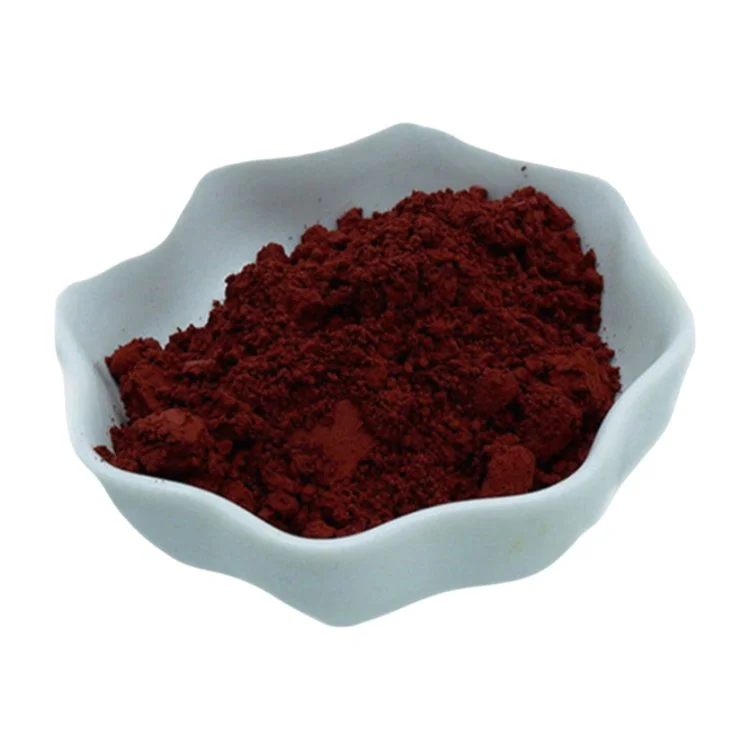
Purity: 1%-10%
Appearance: Dark red powder
CAS NO.: 472-61-7
Molecular Weight: 596.85
Molecular Formula: C40H52O4
MOQ: 500G-1KG
Inventory: in stock
Our Advantages: Scalable production capacity, strict quality control, cost efficiency from integrated factories, over 20 years of experience, advanced technology, and 24/7 after-sales support.
Certificaions: FSSC2000/ISO2000/HALAL/KOSHER/HACCP
Delivery terms: FedEx, DHL, EMS, UPS, TNT, all kinds of the airline, international shipping companies.
Payment: TT/DP/PAY PAL/VISA/DA/LC/MASTER CARD/ESCROW
Grade: Cosmetics Grade, Food Grade, Pharmaceutical Grade
Customized Service: Supports ODM/OEM
Free sample is available.
We do not sell retail quantities to individuals.
Introduction
Strategic alliances with suppliers who comprehend both legal requirements and quality standards are necessary to navigate the challenges of entering the European market. For pharmaceutical firms manufacturing novel therapeutic treatments, cosmetic brands looking for natural anti-aging solutions, and food producers producing functional beverages with improved nutritional profiles, organic astaxanthin powder has become a key component.
Suppliers must be able to provide thorough documentation, consistent quality measurements, and transparent supply chain processes in order to meet the strict certification standards set by the European Union. Procurement managers are becoming more aware that choosing the best astaxanthin supplier entails assessing manufacturing capabilities, regulatory compliance, long-term relationship prospects, and product requirements. Astaxanthin components with confirmed potency and purity profiles are needed by research facilities and labs carrying out clinical investigations. In a similar vein, suppliers who can maintain competitive price structures and supply consistent quality are needed by nutraceutical manufacturers creating premium supplement formulations in order to sustain lucrative market positioning.
Understanding Organic Astaxanthin Powder and Its Market Potential
Natural Origin and Production Methods
An important development in natural antioxidant technology is organic astaxanthin powder, which is mostly made from Haematococcus pluvialis microalgae through meticulously regulated production procedures. Natural astaxanthin retains its original molecular structure and esterified state, which improves its bioavailability and biological activity in contrast to synthetic counterparts made by chemical synthesis.
The cultivation procedure entails establishing ideal environmental conditions that put the microalgae under stress and cause them to naturally produce astaxanthin as a defense. By preserving advantageous co-compounds like fatty acids and other carotenoids, this biological method guarantees that the finished product has synergistic effects that increase antioxidant capacity overall.
Market Applications and Growth Potential
European consumers' growing desire for natural ingredients in health and beauty goods is propelling significant market expansion in a number of industries. Astaxanthin is used by pharmaceutical businesses to create medications that assist the immune system, cognitive function, and cardiovascular health. The chemical is especially useful for neurological and ophthalmological applications because of its exceptional capacity to pass both the blood-brain and blood-retinal barriers.
Manufacturers of skincare products and cosmetics use astaxanthin's potent antioxidant qualities to create anti-aging formulas that shield the skin from environmental aggressors and increase skin suppleness. Astaxanthin is included into functional goods by food and beverage firms that cater to active consumers looking for natural performance enhancement and recovery support.
Regulatory Landscape and Compliance Requirements
Strict standards for astaxanthin consumption levels and quality requirements are upheld by the European Food Safety Authority for several product categories. Adherence to extensive requirements encompassing supply chain management, processing processes, and growing practices is necessary for organic certification. Procurement teams may make well-informed judgments that guarantee consumer safety and market compliance by having a thorough understanding of these regulatory frameworks.
Criteria for Selecting the Best Organic Astaxanthin Powder for EU Market
Quality Standards and Purity Metrics
A thorough assessment of several quality factors that directly affect product performance and regulatory compliance is necessary when choosing premium astaxanthin powder.
The following crucial quality standards set exceptional suppliers apart from regular providers:
- Pharmaceutical-grade purity levels with minimum contaminants that surpass 95% astaxanthin content
- Testing for heavy metals to make sure levels of lead, mercury, cadmium, and arsenic stay below EU regulatory limits
- Microbiological safety with confirmed lack of harmful molds, yeasts, and bacteria
- Analysis of solvent residues demonstrates that extraction procedures adhere to pharmaceutical standards.
- Verification of antioxidant efficacy using stability studies and ORAC testing
These strict quality controls guarantee that your finished goods live up to consumer expectations while upholding legal compliance all the way through the supply chain. The performance and safety profiles of ingredients are guaranteed by sophisticated testing procedures.
Supply Chain Reliability and Traceability
As regulatory scrutiny increases, it is more crucial than ever to form alliances with suppliers who uphold transparent supply chains. Extensive traceability systems facilitate regulatory submissions necessary for EU market access and allow for quick responses to quality inquiries.
Certification and Documentation Requirements
Organic certification is but one facet of thorough quality control. Supplier dedication to systematic quality control is demonstrated by ISO certifications, GMP compliance, and HACCP implementation. Procurement teams can feel certain about long-term supplier relationships and regulatory compliance thanks to these certifications.
Comparing Astaxanthin Powder Forms and Solutions for Procurement Decisions
Product Form Considerations
To maximize formulation flexibility and cost effectiveness, B2B buyers must assess various astaxanthin presentations. Compared to pre-encapsulated pharmaceuticals, powder forms provide greater versatility for unique formulations, allowing for precision dosing and integration with current manufacturing processes. Formulation scientists have the most freedom to create novel goods in a variety of categories when using natural astaxanthin powder. While retaining stability and potency during production and storage, the powder form makes it simple to mix with other active chemicals.
Natural Versus Synthetic Comparisons
Studies have consistently shown that natural astaxanthin is more bioavailable than synthetic substitutes, with absorption rates up to 20 times higher. During processing and storage, the esterified form of natural astaxanthin offers improved stability and defense against oxidative destruction. Compared to the mixed stereoisomers seen in synthetic goods, the distinct stereoisomer configuration (3S,3'S) present in natural astaxanthin contributes to increased biological activity. This molecular advantage results in increased product performance and cost savings by improving efficacy at lower dosage levels.
Application-Specific Benefits
Certain astaxanthin properties are needed for various applications in order to maximize performance and customer approval. Powder forms are advantageous for nutraceutical compositions because they allow for precise dosing and mixing with complementing components. Astaxanthin's stability in a variety of carrier systems while retaining antioxidant activity is used in cosmetic applications.
Best Practices for Using and Integrating Organic Astaxanthin Powder in Your Products
Formulation Guidelines and Dosage Optimization
Understanding the ideal dosage ranges for various product categories and applications is necessary for the successful integration of organic astaxanthin powder. While cosmetic applications may need varying concentration levels based on target advantages and product type, nutraceutical formulations usually use dosages between 4 and 12 mg daily. When using astaxanthin powder in a formulation, stability becomes crucial because exposure to heat, light, and oxygen can reduce antioxidant activity. Over the course of a product's shelf life, ingredient integrity is preserved with the use of appropriate encapsulation methods and protective packaging.
Quality Control and Manufacturing Considerations
Consistent product quality and regulatory compliance are ensured by putting strong quality control procedures in place throughout the manufacturing process. Astaxanthin potency is maintained and deterioration is prevented through moisture management, light protection, and temperature control throughout processing. Successful product development and market adoption are facilitated by manufacturing collaborations with suppliers who are aware of these crucial elements. Technical assistance from knowledgeable astaxanthin suppliers aids in formulation optimization and problem-solving.
Market Success Strategies
Prominent brands have succeeded in the EU market by emphasizing qualitative distinction and open communication regarding the advantages and origin of ingredients. Educating consumers on the differences between natural and synthetic astaxanthin helps establish brand trust and support premium positioning.
Procurement Guide: How to Buy and Import Organic Astaxanthin Powder for the EU Market
Supplier Evaluation and Selection Process
Finding trustworthy astaxanthin suppliers necessitates a thorough analysis of several aspects other than initial cost. Sustainable relationships are built on manufacturing skills, quality processes, and regulatory compliance. Facility inspections and supplier audits offer important information about quality control procedures and production standards. Even in difficult market situations, suppliers can maintain a steady supply thanks to financial stability and business continuity planning. As product development cycles lengthen and market relationships strengthen, the possibility for long-term partnerships becomes more significant.
Import Compliance and Documentation
EU import regulations cover a variety of regulatory systems, including customs processes, health claim substantiation, and organic certification. Depending on the intended uses, appropriate documentation consists of organic, health, and certificates of analysis. It is possible to avoid delays and guarantee adherence to chemical safety standards by being aware of REACH rules and how they affect imports of astaxanthin. Import procedures are streamlined and compliance risks are decreased by working with suppliers who are aware of these regulatory complications.
Logistics and After-Sales Support
When necessary, dependable logistics partnerships meet cold chain standards while guaranteeing product integrity during transit. Packaging standards need to strike a compromise between practical handling considerations and environmental protection. Quality troubleshooting, regulatory updates, and technical help are all included in comprehensive after-sales service. When problems need to be solved quickly during the stages of product development and market launch, these services become quite helpful.
Jiayuan Bio-Tech: Your Trusted Partner for Premium Organic Astaxanthin Powder
Jiayuan Bio-Tech is a leading supplier of certified organic astaxanthin powders made for demanding applications in the EU market. Pharmaceutical-grade, natural formulations for a wide range of applications in nutraceuticals, cosmetics, and functional food development are part of our extensive portfolio. Beyond simple compliance, our dedication to strict quality assurance includes sophisticated testing procedures that confirm the potency and purity of our products. Your products will fulfill strict European regulatory standards since heavy metals, microbes, solvent residues, and exogenous nucleic acid residues stay well within compliance limits.
Our astaxanthin powder's better purity over rival goods is demonstrated by filter paper residue testing, which shows a higher extraction purity and a stronger antioxidant potential. Better free radical scavenging is made possible by this increased purity, which offers formulation benefits that improve product performance. Our product's non-toxic profile is confirmed by safety verification through several repeated trials, giving assurance for a variety of applications in the pharmaceutical, cosmetic, and nutraceutical categories. Our customer-focused strategy helps businesses ensure dependable ingredient supply while enhancing competitive standing in European markets by providing B2B clients with all-encompassing support from initial inquiry through long-term collaboration.
Conclusion
For organic astaxanthin powder to successfully enter the EU market, strategic alliances with suppliers who offer high product quality, thorough regulatory compliance, and dependable supply chain management are necessary. The benefits of investing in high-quality natural astaxanthin include improved bioavailability, consumer acceptance, and regulatory approval procedures. Given that excellent quality ingredients contribute to product differentiation and market success, procurement decisions should strike a balance between short-term cost considerations and long-term relationship value. The positioning of organic astaxanthin as a high-end antioxidant solution is ideally matched with the European market's emphasis on sustainable, natural ingredients.
FAQ
1. What makes organic astaxanthin powder better than synthetic?
The esterified form and stereoisomer structure of organic astaxanthin make it 20 times more bioavailable than synthetic equivalents. Naturally produced co-compounds boost antioxidant activity and give synergistic health advantages.
2. How can I comply with EU astaxanthin import regulations?
EU compliance involves organic certification, extensive paperwork, including certificates of analysis, and EFSA-defined usage levels. Compliance and import delays are reduced by working with experienced vendors who understand European regulations.
3. What quality criteria should I use to choose astaxanthin suppliers?
Astaxanthin purity, heavy metal testing, microbiological safety, solvent residue analysis, and antioxidant potency are crucial quality factors. ISO, GMP, and organic supplier certifications boost quality.
Partner with Jiayuan Bio-Tech for Premium Astaxanthin Powder Excellence
Improve your products with Jiayuan Bio-Tech's certified organic astaxanthin powder, designed for EU markets. As a reliable astaxanthin powder supplier, our pharmaceutical-grade formulations allow you to create unique goods that exceed customer expectations due to their purity and antioxidant capacity. We offer technical support, regulatory guidance, and bespoke solutions for your astaxanthin powder applications. Discuss your needs with our experts at sales@jayuanbio.com or sales1@jayuanbio.com to learn how our premium ingredients can boost your European competitiveness.
References
1. European Food Safety Authority. "Scientific Opinion on the Safety of Astaxanthin for Use in Food Supplements." EFSA Journal, 2014.
2. Regulatory Commission for Organic Food Standards. "Certification Guidelines for Microalgae-Derived Carotenoids in the European Union." Brussels: EU Publications Office, 2023.
3. International Organization for Standardization. "Quality Management Systems for Natural Antioxidant Production - Requirements and Guidelines." ISO Technical Committee, 2022.
4. Marine Biotechnology Research Institute. "Bioavailability Studies of Natural versus Synthetic Astaxanthin in Human Subjects." Journal of Nutritional Biochemistry, 2023.
5. European Centre for Pharmaceutical Research. "Stability and Purity Analysis of Astaxanthin Powder Formulations for Therapeutic Applications." Clinical Research Quarterly, 2023.
6. Sustainable Agriculture Certification Board. "Traceability Requirements for Organic Microalgae Cultivation and Processing in Europe." Environmental Compliance Review, 2024.