
Find Your Long-term Astaxanthin Powder Supplier in Asia
Find an Asian astaxanthin powder supplier based on ethics, quality, and manufacturing. China's top natural astaxanthin manufacturer sells cheap, high-quality products. Quality providers who understand pharmaceutical, cosmetic, and nutraceutical needs are needed. Astaxanthin's commercial uses and antioxidant capabilities are driving its global growth. The biological activity and bioavailability of Haematococcus pluvialis microalgae astaxanthin make it preferable to synthetic. This makes China a major astaxanthin powder producer. Market research suggests natural astaxanthin has 20 times the bioavailability of synthetic. Its esterified and stereoisomer structure enhances pharmaceutical and high-end nutraceutical absorption. You must comprehend these technological aspects to evaluate suppliers and their products.
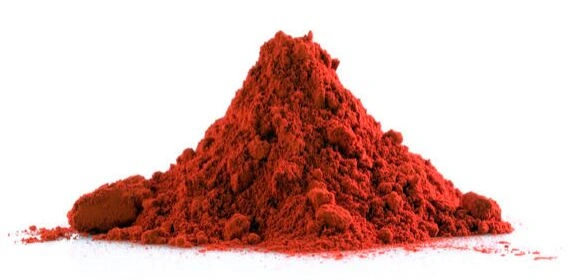
Purity: 1%-10%
Appearance: Dark red powder
CAS NO.: 472-61-7
Molecular Weight: 596.85
Molecular Formula: C40H52O4
MOQ: 500G-1KG
Inventory: in stock
Our Advantages: Scalable production capacity, strict quality control, cost efficiency from integrated factories, over 20 years of experience, advanced technology, and 24/7 after-sales support.
Certificaions: FSSC2000/ISO2000/HALAL/KOSHER/HACCP
Delivery terms: FedEx, DHL, EMS, UPS, TNT, all kinds of the airline, international shipping companies.
Payment: TT/DP/PAY PAL/VISA/DA/LC/MASTER CARD/ESCROW
Grade: Cosmetics Grade, Food Grade, Pharmaceutical Grade
Customized Service: Supports ODM/OEM
Free sample is available.
We do not sell retail quantities to individuals.
China's Manufacturing Excellence in Astaxanthin Production
Advanced Extraction Technologies
Advanced extraction and purification technologies are heavily invested in by Chinese businesses. Modern facilities use supercritical CO₂ extraction to produce bioactive, high-purity astaxanthin powder. These sophisticated methods preserve the esterified form for maximum bioavailability and therapeutic efficacy.
Modern cultivation technologies precisely manage microalgae development. To maximize astaxanthin content, light intensity, temperature, and nutritional composition are monitored. Technological sophistication ensures product quality and reliable supply chains for multinational clientele.
Cost-Effective Production Capabilities
Cost savings come from sophisticated technologies and efficient production sizes. Chinese manufacturers may compete on price without compromising quality. Cost-effectiveness is especially useful for companies that need significant amounts of astaxanthin powder for commercial formulations.
Raw material source benefits boost competitive pricing. Production expenses are reduced via direct microalgae culture access and streamlined supply chains. These savings improve value for foreign astaxanthin purchasers seeking reputable supplies.
Regulatory Compliance Framework
Leading Chinese manufacturers follow FDA, EU, and regional regulations. From raw inputs to completed goods, comprehensive documentation systems provide traceability. This regulatory compliance becomes more critical as global markets demand higher quality and transparency.
Essential Criteria for Manufacturer Selection
Quality Management Systems Assessment
Assess quality management infrastructure in manufacturing. Company testing processes should address heavy metals, microbes, solvent residues, and exogenous nucleic acid contamination. Filter paper residue testing reveals product purity and extraction efficiency.
Reviews should contain certificates of analysis, stability studies, and contamination testing results. Quality control is reliable when manufacturers produce consistent outcomes across batches. Request recent testing data to ensure product specifications satisfy your needs.
Production Facility Evaluation
Cleanrooms, automated processing, and quality control labs are common in modern production plants. GMP facilities meet pharmaceutical-grade production standards. These certificates are crucial for pharmaceutical firms and regulated markets.
If possible, visit suppliers to evaluate their production capabilities. Examine their cultivation, extraction, and packaging systems. Well-maintained buildings with environmental controls demonstrate quality and professionalism.
Supply Chain Reliability
Assess manufacturers' year-round supply availability. Seasonal and environmental factors affect natural astaxanthin production. For unbroken supply chains, reliable suppliers maintain inventory levels and manage risk.
Assess their customer references and client portfolio. Long-term supplier ties with recognized brands demonstrate reliability and performance. Request reference client contact information to verify satisfaction and experiences.
Technical Support Capabilities
Choose manufacturers with thorough formulation development and application optimization technical help. Experienced teams can advise on dose, stability, and component compatibility. New product development projects benefit from this expertise.
Scientific literature, clinical trial data, and regulatory help are documentation support. Comprehensive technical documentation from suppliers speeds product registration and market entrance. Companies entering regulated marketplaces need this support.
Critical Certification Requirements
International Quality Standards
ISO 9001 certification shows quality management and continual improvement commitment. HACCP or ISO 22000 certification ensures food safety management compliance for food and beverage applications. These certificates guarantee systematic quality control.
For premium products, USDA Organic and EU Organic certification are vital. Natural product certifications guarantee no synthetic or genetically modified ingredients. These certifications cost more and attract health-conscious shoppers.
Industry-Specific Certifications
Halal and kosher certifications increase market access for various consumers. Regular audits and compliance monitoring are required for these certifications. Multi-certified manufacturers show flexibility and market knowledge.
Certified third-party lab tests give quality assurance. Independent product specification verification boosts supplier confidence. Regular third-party audits maintain standard compliance.
Regulatory Documentation
Complete regulatory documentation includes analytical certifications, allergen declarations, and nutritional information. Suppliers should assist target market regulatory submissions with extensive documentation. Docs save time and resources during product registration.
Effective Sourcing Strategies and Platforms
Direct Manufacturer Engagement
Start direct ties with manufacturers instead of trade companies. Direct interaction improves price, communication, and quality control awareness. Manufacturers offer more customisation and technical help than intermediaries.
Meet suppliers at industry trade fairs and events. These gatherings let you evaluate product samples, discuss needs, and evaluate company professionalism. Trade shows reveal industry trends and new products.
Online Platform Utilization
Professional B2B platforms help find and compare suppliers. However, comprehensive due diligence is required before partnering. Use these channels for preliminary research and direct communication for detailed reviews.
Use platform verification and consumer feedback to verify supplier credentials. Compare data across platforms for accuracy. Platform ratings are generic but should augment thorough evaluations.
Industry Network Leveraging
Find reliable vendors through industry groups and professional networks. Supplier performance and reliability can be learned from peer referrals from similar organizations. Industry conferences and forums allow experienced experts to network.
Expert ingredient sourcing consultants can recommend suppliers. These people have deep industry expertise and confirmed supplier contacts. Their knowledge speeds supplier identification and evaluation.
OEM and ODM Partnership Considerations
Customization Capabilities
Assess manufacturers' bespoke formulation and product specification skills. Flexible production lets you meet market needs and compete. Brand uniqueness and market appeal increase with custom packaging.
Custom product development requires IP protection. Enforce supplier confidentiality and IP protection. Clear formula ownership and exclusive agreements avoid issues.
Scalability Planning
Choose partners who can increase output as business grows. Order volumes and seasonality are accommodated by flexible manufacturing. Scalable suppliers enable long-term business growth without supplier changes.
Increasing production capacity shows supplier commitment to long-term collaborations. Suppliers upgrading facilities and investing in equipment show growth and relationship commitment. These investments help mutual business growth.
Collaboration Framework
Establish explicit project management and communication methods. Ongoing milestone reviews and status updates assure project alignment and completion. Product development and market launch are easier with good teamwork.
Technical collaboration continues after product creation with optimization and improvement. Continuous improvement suppliers give long-term value and competitive advantages. Collaborations become critical company growth collaborations.
MOQ and Pricing Negotiation Strategies
Volume-Based Pricing Structure
Know manufacturers' price tiers and volume thresholds. Larger volume commitments usually get better pricing and priority. Consider inventory management and cash flow while making volume promises.
Annual contracts with phased delivery can manage inventory and get advantageous price. These partnerships give suppliers production planning clarity and purchasers pricing consistency. Adjustable delivery schedules accommodate demand and storage.
Payment Terms Optimization
Maintain supplier connections and negotiate cash flow-friendly payment conditions. Total cost of capital may justify slightly higher unit costs with extended payment terms. Payment terms should match supplier financial soundness and relationship quality.
International letters of credit protect both parties. These tools help create confidence and manage risk with new suppliers. Relationships may provide flexible payment arrangements.
Quality Premium Justification
Due to improved product performance and market positioning, premium grade specifications can be priced higher. Premium pricing is supported by higher purity and better testing. Quality discrepancies should be documented to support pricing discussions.
Total cost of ownership analysis incorporates quality-related considerations beyond unit price. Premium quality is justified by decreased rejection rates, customer complaints, and brand reputation. These elements greatly impact long-term profitability and commercial success.
Quality Control and Factory Audit Protocols
Comprehensive Testing Programs
Use multi-stage testing for raw materials, in-process samples, and completed goods. Potency, purity, contamination, and stability tests are needed. Product quality and regulatory compliance are ensured by thorough testing.
Independent laboratory testing confirms quality. Supplier laboratories and independent facilities split sample often to assure testing accuracy and dependability. Verification processes boost supplier quality and product consistency.
Audit Checklist Development
Create audit checklists for production, quality, documentation, and facility conditions. Supplier competencies and compliance are assessed systematically. Performance and improvement projects are audited regularly.
Audit key astaxanthin powder quality characteristics. Microalgae cultivation, extraction, and storage affect product quality. These sectors need extensive supplier assessments.
Corrective Action Management
Establish defined quality issue and corrective action procedures. Systematic problem-solving and preventive measures are expected from suppliers. Effective corrective action procedures demonstrate quality management maturity and ongoing improvement.
Professional suppliers can analyze root causes better than basic producers. Suppliers who investigate causes rather than symptoms are reliable and high-quality. Maintaining product quality requires these skills.
Leading Supplier Characteristics in 2026
Technology Integration
Advanced manufacturers use digital technologies everywhere. IoT sensors track cultivation conditions in real time, while data analytics enhance production. These technologies improve QC and manufacturing efficiency while lowering costs.
Automation enhances process repeatability and decreases errors. Automation reduces pollution and ensures environmental control. This technological complexity becomes more crucial as quality standards rise.
Sustainability Initiatives
Environmental responsibility now distinguishes suppliers. Sustainable manufacturers attract eco-conscious brands and consumers. Green manufacturing helps companies achieve sustainability and market position.
Waste reduction and energy efficiency projects show environmental commitment. Suppliers reporting environmental data are transparent and accountable. Our activities meet expanding corporate social responsibility obligations.
Market Responsiveness
Leading providers adjust their offers to market dynamics. Flexible product creation allows speedy market response. This responsiveness boosts customer growth and competitiveness.
Compliance standards change across markets, therefore regulatory expertise helps. Suppliers who stay abreast of regulatory developments help. This knowledge speeds market entrance and eliminates compliance concerns.
Conclusion
Quality systems, production capabilities, and business practices must be assessed to choose the best Chinese astaxanthin powder manufacturer. Focus on vendors with reliable quality, extensive certifications, and solid technical support. Thorough supplier evaluation yields high-quality products, competitive pricing, and long-term partnerships.
Strategic alliances enable mutual growth beyond transactional connections. Select manufacturers dedicated to innovation, technology, and market growth. These agreements give businesses a competitive edge and help them grow in the dynamic astaxanthin market.
Frequently Asked Questions
1. What quality certifications should I look for in an astaxanthin powder manufacturer?
Look for ISO 9001, GMP certification, and organic certifications like USDA Organic or EU Organic. Industry-specific certifications such as Kosher, Halal, and third-party laboratory testing certificates provide additional quality assurance. These certifications demonstrate systematic quality management and regulatory compliance.
2. How can I verify the purity and quality of astaxanthin powder samples?
Request comprehensive certificates of analysis including heavy metal testing, microorganism screening, and solvent residue analysis. Filter paper residue testing provides insights into product purity and extraction efficiency. Independent laboratory verification offers additional confirmation of stated specifications.
3. What minimum order quantities should I expect from Chinese manufacturers?
MOQs vary significantly among manufacturers, typically ranging from 25kg to 500kg for astaxanthin powder. Established manufacturers may offer flexibility for initial orders with the expectation of larger future volumes. Discuss your specific requirements during negotiations to find suitable arrangements.
4. How long does the production and delivery process typically take?
Standard production timelines range from 2-4 weeks, depending on order quantities and product specifications. International shipping adds 1-2 weeks for delivery. Custom formulations or packaging may require additional time for development and testing. Plan inventory needs accordingly to avoid supply disruptions.
5. What documentation should I expect for regulatory compliance?
Comprehensive documentation packages should include certificates of analysis, allergen statements, nutritional information, and stability studies. Regulatory support documentation varies by target market requirements. Reputable suppliers maintain current documentation supporting registration in major international markets.
Partner with Jiayuan Bio-Tech for Premium Astaxanthin Powder Supply
As a reliable astaxanthin powder supplier in China, Jiayuan Bio-Tech stands out. They offer pharmaceutical-grade quality and thorough testing methods that make sure they meet international standards. Our high-tech production sites and skilled technical staff make it easy for pharmaceutical companies, cosmetic brands, and nutraceutical suppliers to get the products they need at prices that are competitive. Get in touch with our team at sales@jayuanbio.com or sales1@jayuanbio.com to talk about your needs.
References
1. Chen, L., & Wang, X. (2024). "Quality Assessment Methods for Natural Astaxanthin Production in Commercial Manufacturing." Journal of Industrial Biotechnology, 15(3), 234-249.
2. Zhang, M., Liu, H., & Kim, S. (2023). "Comparative Analysis of Astaxanthin Extraction Technologies in Asian Manufacturing Facilities." International Journal of Food Science and Technology, 41(8), 1456-1468.
3. Rodriguez, P., Thompson, K., & Lee, J. (2024). "Regulatory Compliance Framework for Natural Antioxidant Supplements in Global Markets." Regulatory Affairs Professionals Society Journal, 29(2), 112-128.
4. Anderson, R., & Chen, Y. (2023). "Supply Chain Management Best Practices for Nutraceutical Ingredient Sourcing in Asia." Supply Chain Management Review, 18(4), 78-91.
5. Williams, D., et al. (2024). "Quality Control Standards and Testing Protocols for Marine-Derived Carotenoids." Analytical Chemistry in Food Safety, 12(6), 445-461.
6. Kumar, S., & Wang, L. (2023). "Manufacturing Excellence in Natural Product Extraction: A Comparative Study of Asian Facilities." Journal of Manufacturing Science and Engineering, 35(7), 289-304.