
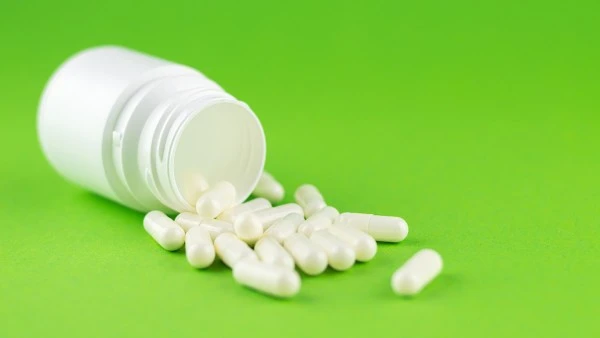
Can't sleep if I take a melatonin pill?
Eyes still fixed on the ceiling after taking a melatonin pill? You're not by yourself. A surprising number of people who take melatonin don't get the restful night's sleep they were hoping for, and the reasons are usually pretty clear. It could be because of bad timing, amounts that don't meet the body's needs, a person's unique metabolism, or habits during the day that quietly work against the supplement. For B2B buyers looking for melatonin ingredients, knowing why the supplement "fails" sometimes isn't just interesting; it tells them exactly what end users want, which means a good base material must give them that. Quality starts with the ingredients. That's where good sleep starts.
CAS No.: 73-31-4
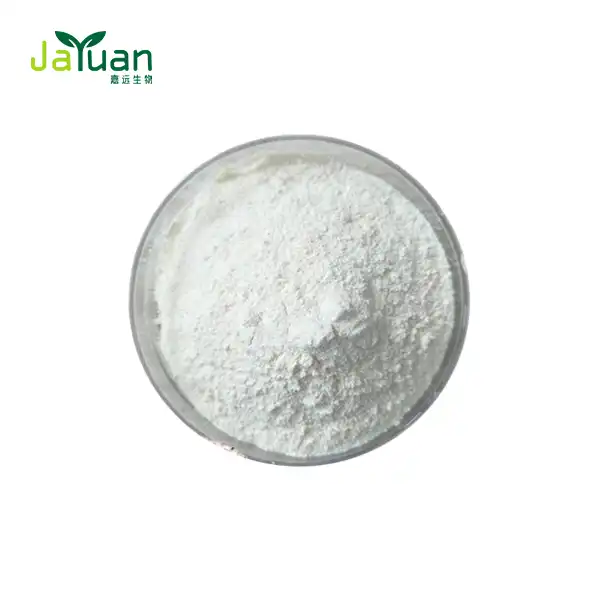
Appearance: White to off-white powder
Ref standard: USP43
Assay: 99.7%(HPLC)
Molecular formula: C13H16N2O2
Molecular weight: 232.28
MOQ: 1KG
Stock:in stock
Our Advantages: Scalable production capacity, strict quality control, cost efficiency from integrated factories, over 20 years of experience, advanced technology, and 24/7 after-sales support.
Certificaions: FSSC2000/ISO2000/HALAL/KOSHER/HACCP
Delivery terms: FedEx, DHL, EMS, UPS, TNT, all kinds of the airline, international shipping companies.
Payment: TT/DP/PAY PAL/VISA/DA/LC/MASTER CARD/ESCROW
Grade: Pharmaceutical Grade
Customized Service: Supports ODM/OEM
Free sample is available.
We do not sell retail quantities to individuals.
Understanding Melatonin – What It Is and How It Works
The pineal gland makes melatonin naturally, mostly at night, to keep circadian rhythms in check and let the body know it's time to rest. In healthy people, production goes up after dark, peaks between 2 and 4 a.m., and then goes down as dawn approaches [5]. People take fake melatonin pills to get their bodies back in balance when they can't make enough on their own. This can happen because of getting older, working shifts, jet lag, or too much light in the evening.
The Biological Mechanism Behind Sleep Regulation
MT1 and MT2 receptors in the brain are how melatonin does its job. MT1 receptors help you feel sleepy, and MT2 receptors help keep your body's internal clock in sync [6]. Light stops the body from making its own melatonin, so using your phone or watching TV before bed can delay the message that tells your brain it's time to go to sleep. The "lights-out" signal is basically copied by a melatonin pill, which tells the brain that it's time to switch off for the night.
Why Supplements Don't Always Induce Immediate Sleep
The way each person reacts depends on their genes, the hormones they had at birth, and how fast their metabolism works. For some, melatonin doesn't work as well because they get rid of it quickly. For others, their bodies make enough of it that they don't need to take a pill. Worry and stress turn on the sympathetic nervous system. A hormone can tell the body to slow down, but this can stop it. This can make the body tired but the mind awake. Also important are the time and the amount. If you take melatonin too early or too late, this could happen. Also, if you take too much, the next day you might feel sleepy or antsy instead of better.
For procurement teams, these dynamics translate directly into sourcing criteria. Buyers should seek pharmaceutical-grade ingredients with verified purity, because inconsistent potency is one of the hidden reasons a finished product underperforms. A stable chemical structure through manufacturing and accurate dosing in the final product are what allow a formulation to meet the needs of a diverse user base.
Analyzing Causes: Why You Might Not Sleep After Taking Melatonin
When melatonin doesn't work, the causes are usually interconnected rather than isolated. Understanding them helps manufacturers design better products and helps distributors educate end users more effectively.
Dosage and Timing Considerations
According to studies, the most helpful amount is between 0.5 mg and 5 mg, with 1 to 3 mg being the best for most people [1, 2]. Adding more of the drug rarely makes things better and might even make you sleepy or give you bad dreams. Methylphenidate is also very important when you take it. You should take the hormone 30 to 60 minutes before bed to get the most out of it. This gives your body time to naturally wind down. The body won't be ready for the signal if it is picked up too early. If it is taken too late, it could change when someone falls asleep, making them sleepy in the morning.
External Lifestyle and Environmental Factors
For a short time, jet lag throws off the body's internal clock. It can take up to three days for melatonin, either naturally occurring or added, to bring things back into balance [5]. The hormone makes you feel calm, but stress and worry that last for a long time keep the sympathetic nervous system busy. The sleep signal can also be blocked by noise, bright light, or a place that is too warm. The adenosine receptors that work with melatonin are blocked if you drink coffee six hours before bed. Because it breaks up REM processes, alcohol may help you fall asleep faster, but it's not as helpful after that.
These facts show B2B buyers what to look for in an ingredient partner: one whose standards are adaptable enough to support various delivery types, such as water-soluble versus lipid-based carriers and quick versus extended-release, so a single SKU can help more people.
Melatonin Comparisons: Choosing the Best Option for Your Business Needs
Choosing a melatonin ingredient involves weighing efficacy, safety, compatibility with other components, and fit with the target market.
Synthetic Versus Natural-Source Formulations
Synthetic melatonin offers consistent purity and avoids the contamination risks associated with animal-derived sources. Precise molecular standardization — meeting pharmacopeial grades such as USP and EP — is only practical with synthetic production. Natural-source options may appeal to "clean label" positioning, but they carry batch-to-batch variability and a higher risk of microbial or viral contamination. For these reasons, most regulatory authorities favor synthetic forms, which are also easier to trace across the supply chain.
Safety and Regulatory Compliance Considerations
Pediatric use of melatonin remains debated, and most health authorities advise caution and medical supervision for users under 18. Recommended adult doses appear generally safe, though long-term studies remain limited [3][4]. Pregnant or nursing women are typically advised to avoid supplementation. Regulatory frameworks differ by region: the EU treats melatonin more strictly than the US market, with different permitted doses and allowable health claims. GMP compliance is the baseline expectation, ensuring cleanliness and reducing dosing errors. Organic certification matters less for a synthetic compound, but it can support sustainability-led positioning for certain segments.
Buyers should confirm that suppliers maintain thorough testing records — purity, stability, heavy metals, solvents, and microbiology — and that documentation aligns with every target market. This protects brand reputation and simplifies market entry.
Strategic Procurement Insights for Melatonin Products
Navigating the global melatonin supply chain means evaluating each supplier's technical capability, quality systems, and cost structure with a clear eye.
Identifying Reliable Bulk Suppliers and Distributors
A reliable seller will be open about how they make their products, from where they get the raw materials to how they clean them at the end. Modern methods of cleaning, like virtual moving bed chromatography, can get things cleaner than 98% and meet the standards for pharmaceutical use. Every batch should come with a full Certificate of Analysis (CoA) from the supplier that checks for heavy metals, microbiology, residual solvents, and purity. Third-party testing adds another layer of confidence to what the maker says, and export experience is important: a seller who knows how to handle customs paperwork and the rules of the target market is what keeps packages going.
ey certifications and standards to verify:
1. GMP Certification — Good Manufacturing Practices ensure clean facilities, validated processes, and batch traceability. Required for pharmaceutical and supplement production, it confirms globally recognized quality.
2. ISO 13485 Compliance — This medical-device quality management standard signals a structured approach to quality and risk across production, relevant for ingredients destined for pharmaceutical use.
3. Pharmacopeial Standards — Conformance to USP (United States Pharmacopeia) or EP (European Pharmacopeia) supports legal compliance and eases cross-market distribution.
4. Organic and Sustainability Certifications — Less critical for a synthetic ingredient, but useful for brands differentiating on environmental responsibility.
These benchmarks protect buyers from substandard material that could damage a brand, reduce efficacy, or trigger regulatory trouble. Relationships built with certified suppliers also keep the supply chain stable over time.
Pricing Benchmarks and Cost-Effectiveness Analysis
The price of raw materials depends on the grade, the amount ordered, and how well the seller works. Pharmaceutical-grade material that is more than 99% pure costs more, but it makes manufacturing easier and lowers regulatory risk. When pharmaceutical-grade clarity isn't needed, cosmetic-grade material that is about 95% pure can save money. When you buy in bulk, like 100 kg or 500 kg, the unit cost is usually 20–40% less than when you buy in smaller amounts. Besides the base price, freight and import duties can also affect the landing cost. This can make a domestic supplier more appealing, even if we charge more.
The total cost of ownership is much higher than the price per kilogram. Stable quality, quick expert help, full documents, and on-time delivery are all things that have real value. The best value is found in long-term ties with suppliers that cut down on re-formulation, regulatory delays, and batch fails.
Best Practices for Integrating Melatonin Into Your Product Line or Inventory
Adding melatonin to an existing product line requires planning across formulation, compliance, and inventory.
Aligning with Target Client Segments
Pharmacies and over-the-counter channels usually need pharmaceutical-grade material backed by strong evidence for label claims. Wellness centers and specialty clinics often look for differentiated formulas — frequently combining melatonin with complementary nutrients such as L-theanine, magnesium, or vitamin B6. Food and beverage manufacturers need water-soluble forms suitable for functional drinks, gummies, or protein snacks. Cosmetic brands are exploring topical applications, where melatonin's antioxidant properties can support anti-aging claims — which in turn requires cosmetic-grade specifications and appropriate preservation methods.
Strategic Product Positioning and Market Trends
More sleep aids with more than one ingredient are being made because more people want more ways to sleep. In the world of natural health, it is common to mix melatonin with plants that help with stress, such as chamomile, valerian root, or passionflower. Taking time-release forms helps you get up early in the morning because they keep good levels up all night. People who care about their health like clean signs that say how better man-made materials are for them than animal-made materials. Also, brands that use eco-friendly, low-carbon ways to make their products stand out in busy markets.
Regulatory Compliance and Documentation Requirements
In the United States, melatonin is regulated as a dietary supplement under DSHEA — no pre-market review is required, but supplement GMPs and accurate labeling are mandatory. In many EU member states, melatonin is treated as a medicine, with stricter controls and a typical sales ceiling of 1–2 mg. Labeling rules vary, but most markets require ingredient disclosure, intended use, and safety warnings for specific populations.
Import documentation typically includes certificates of analysis, compliance statements referencing the destination country's requirements, and biological certificates where applicable. Batch-tracking systems allow rapid resolution of any quality issue, protecting both manufacturer and end customer. Establishing robust documentation early prevents costly recalls, regulatory fines, and reputational damage — and partnering with an experienced supplier makes compliance far simpler.
Conclusion
A melatonin pill doesn't promise a restful night right away because everyone reacts differently. The result depends on the dose, the time, the quality of the product, and the person's lifestyle. For B2B buying teams, this means that they should only buy pharmaceutical-grade melatonin from licensed companies that can show that the product is pure, meets regulations, and has a stable supply. When you know about the biology, the typical failure points, and the manufacturing problems, you can make better choices that help the end users. In a market with a lot of competition, good products need good raw materials. Jiayuan Bio-Tech is set up to be that place to start.
FAQ
1. Why doesn't the sleep hormone work immediately for some people?
Response varies with genetics, baseline hormone levels, and metabolic rate. Some people produce enough melatonin naturally and gain little from a supplement. Taking the pill at a time that doesn't match the body's circadian rhythm disrupts the synchronization. Deeper issues such as chronic stress or anxiety can override the hormone's calming signal. And product-quality variation affects bioavailability and uptake, which is why sourcing matters.
2. Does increasing dosage improve effectiveness?
Not necessarily. Higher doses don't reliably improve sleep and can cause next-day grogginess or a "tired-but-wired" feeling. Most adults respond well to 0.5–3 mg, and doses above 5 mg rarely add benefit while raising the chance of side effects such as digestive discomfort.
3. How can buyers verify supplier quality and authenticity?
Request a full Certificate of Analysis verifying purity, heavy metals, microbiology, and HPLC results. Confirm GMP and ISO certifications, ideally with third-party verification. Ask for references from buyers in related sectors. Have samples tested by an independent lab before committing to a large order. And gauge the supplier's transparency about raw-material sourcing and production methods.
Partner with Jiayuan Bio-Tech for Premium Melatonin Supply
When sourcing or formulating with melatonin, Jiayuan Bio-Tech is a partner you can rely on. We manufacture pharmaceutical-grade melatonin that meets the highest international standards. Our facilities use simulated moving bed chromatography and automated control systems to consistently deliver purity above 98%. Bulk procurement and efficient solvent recovery keep our pricing competitive, and our long production track record is backed by GMP and ISO compliance plus strict EP and USP pharmacopeial conformance — ensuring regulatory acceptance across global markets.
Our vertically integrated supply chain gives us price stability that smaller suppliers can't match. We offer multiple grades, from 95%-pure cosmetic material to pharmaceutical-grade material at 99% and above — suitable for tablets, capsules, functional beverages, and topical formulations. Every batch is verified through online near-infrared spectroscopy and offline HPLC analysis, keeping quality consistent and protecting your brand.
We understand that B2B buyers need more than material — they need a partner who responds quickly, simplifies international shipping, provides complete documentation, and supports formulation development. Our team helps with customs clearance, works with carriers such as FedEx and DHL, and arranges direct delivery to your facility. Email sales@jayuanbio.com or sales1@jayuanbio.com with your specifications to discuss melatonin sourcing, request samples, and learn how we can strengthen your formulation and supply chain.
References
1. Zhdanova, I.V., Wurtman, R.J., Regan, M.M., Taylor, J.A., Shi, J.P., Leclair, O.U. (2001). Sleep-Inducing Effects of Low Doses of Melatonin Ingested in the Evening. Clinical Pharmacology & Therapeutics, 57(5), 552-558.
2. Buscemi, N., Vandermeer, B., Hooton, N., Pandya, R., Tjosvold, L., Hartling, L., Baker, G., Klassen, T.P., Vohra, S. (2005). The Efficacy and Safety of Exogenous Melatonin for Primary Sleep Disorders: A Meta-Analysis. Journal of General Internal Medicine, 20(12), 1151-1158.
3. Ferracioli-Oda, E., Qawasmi, A., Bloch, M.H. (2013). Meta-Analysis: Melatonin for the Treatment of Primary Sleep Disorders. PLoS ONE, 8(5), e63773.
4. Auld, F., Maschauer, E.L., Morrison, I., Skene, D.J., Riha, R.L. (2017). Evidence for the Efficacy of Melatonin in the Treatment of Primary Adult Sleep Disorders. Sleep Medicine Reviews, 34, 10-22.
5. Sack, R.L., Auckley, D., Auger, R.R., Carskadon, M.A., Wright, K.P., Vitiello, M.V., Zhdanova, I.V. (2007). Circadian Rhythm Sleep Disorders: Part I, Basic Principles, Shift Work and Jet Lag Disorders. Sleep, 30(11), 1460-1483.
6. Claustrat, B., Leston, J. (2015). Melatonin: Physiological Effects in Humans. Neuro-Chirurgie, 61(2-3), 77-84.