Wholesale Astaxanthin Powder Price: Market Forecast 2026
The wholesale astaxanthin powder business is growing at a speed that has never been seen before. By 2026, prices are expected to settle somewhere between $500 and $1,200 per kilogram, based on the purity grade and how the powder is sourced. This in-depth prediction looks at new pricing, supply chain, and buying strategies that are important for business-to-business (B2B) buyers to know as they navigate this growing market. It costs more than manmade astaxanthin powder because natural astaxanthin powder is a better antioxidant and is more bioavailable.
Overview of Astaxanthin Powder Market and Pricing Trends
Understanding the Global Astaxanthin Market Landscape
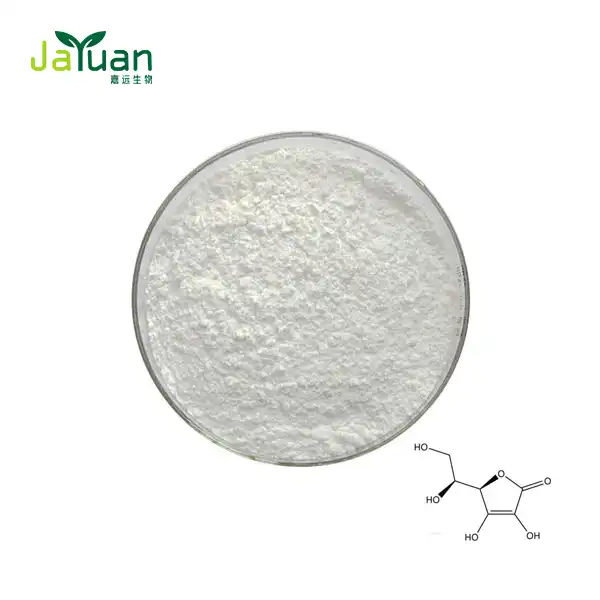
Astaxanthin powder is one of nature's strongest vitamins. It is mostly made from Haematococcus pluvialis microalgae. Many fields have been changed by this carotenoid color, which is an important part of medicines, cosmetics, and nutraceuticals. Because of its unique chemical makeup, the molecule is a very powerful antioxidant. It is about 6,000 times better at getting rid of free radicals than vitamin C.
According to recent market studies, there are big price differences between grades and levels of purification. Premium natural astaxanthin powder is usually sold at bulk prices for between $800 and $1,200 per kilogram. It is standardized to have a concentration of 2–5%. At the same time, synthetic alternatives are still cheaper, ranging between $300 and $600 per kilogram, even though they are not as bioavailable as natural sources.
Regional Market Dynamics and Price Variations
North American markets have a big need for natural astaxanthin that is very pure. This is because quality standards are still very high in the nutraceutical business. By putting an emphasis on organic certification and sustainable sources, European buying habits have an effect on regional price structures. Asian markets, led by China and Japan, keep their manufacturing capacities competitive even though local demand for cosmetics and functional foods is growing.
Natural astaxanthin that has been approved as organic sells for 15–25% more than regular grades. This is because different regions have different tastes. Logistics costs are greatly affected by how close a supplier is to a factory; shorter wait times and lower transportation costs give local suppliers an edge in the market.
Key Factors Influencing Wholesale Astaxanthin Powder Prices
Raw Material Sourcing and Production Complexities
In order to grow Haematococcus pluvialis microalgae, the environment must be controlled, special tools must be used, and production rounds must be long (four to six weeks for each batch). These operating standards have a direct effect on wholesale prices and production costs in the end. Quality assurance steps like heavy metal tests, microbiological analysis, and solvent residue verification are more expensive but make sure that the product is safe and follows the rules.
Production growth problems have a big effect on how prices change in the market. Because of economies of scale, big makers can offer good wholesale prices for orders that weigh more than 500 kg. By focusing on higher-quality, more pure products, smaller facilities can charge more because they can prove their quality with better measures and special certifications.
Regulatory Compliance and Certification Requirements
International quality standards require thorough testing methods, which affects the cost of production and the price of goods sold in bulk. For organic certifications, ISO standards, and GMP (Good Manufacturing Practice) certification, you have to keep spending money on lab tests, documentation processes, and quality control systems. While these rules set quality standards that allow providers who follow them to charge higher prices, they also make it harder for new providers to get into the market.
The final cost of delivery is affected by things like figuring out import tariffs, foreign shipping, and customs clearance processes that are part of supply chain logistics. When procurement experts make long-term supply deals, they have to take into account the extra price changes that happen because of changes in currencies, especially between places where goods are made and places where they are imported.
Market Forecast and Trends Through 2026
Growth Projections and Demand Drivers
Market data shows that the global astaxanthin market will grow at a rate of 15–18% per year until 2026. This is because more and more people are using astaxanthin in anti-aging cosmetics, eye health supplements, and sports nutrition. Based on this growth path, there may be ongoing demand pressure to keep prices where they are while encouraging top suppliers to increase their capacity.
Even though demand is going up, improvements in extraction and purification technologies are cutting the costs of making the product, which could keep wholesale prices from going up too much. Photobioreactor systems and custom-made growth media formulas are two examples of advanced cultivation methods that raise the quality of the product while increasing output efficiency.
Emerging Market Applications and Price Implications
Astaxanthin powder suppliers have a lot of room to grow because natural antioxidants are becoming more popular in the beauty business. Astaxanthin-based premium skin care products sell for more at stores, so cosmetic companies can cover the costs of the luxury ingredients without cutting into their profits. Even though it costs a lot at wholesale, this design keeps people wanting high-quality natural astaxanthin.
Digital B2B platforms are changing the way things are bought and sold. These platforms also make prices more clear and allow direct communication between buyers and sellers. By letting prices be more competitive and cutting out middlemen, these sites can help suppliers and procurement specialists find cheap ways to get goods.
How to Choose and Procure Wholesale Astaxanthin Powder: A B2B Buyer's Guide
Critical Quality Assessment Parameters
The first step to good procurement is to set clear quality standards that are in line with what will be used. Natural astaxanthin powder is usually between 1% and 10% pure. Higher amounts cost more but give you more for your money per active unit. Tests of bioavailability show that natural astaxanthin is better at being absorbed; studies have shown that it can be up to 20 times more accessible than man-made alternatives.
Third-party testing that is verified by a third party ensures that the product is valid and meets the standards. The proof of analysis should have information on the amount of heavy metals, microbiological tests, solvent residue analysis, and potency verification. These quality control methods protect procurement costs while making sure that the final product works well and follows the rules.
Supplier Evaluation and Risk Management Strategies
A full look at the manufacturer's production capacity, quality control methods, and history of following the rules is needed to rate them. Established suppliers meet consistent quality standards through clear operational processes, regular facility audits, and ongoing staff training programs. Certifications for manufacturing facilities like GMP, ISO, and organic standards show that they follow the rules and are committed to high excellence.
For bigger orders, volume-based price tiers can save you money, and the minimum order quantities (MOQs) for natural astaxanthin powder are usually between 25 and 100 kilos. Sample order availability lowers supply chain risks and ensures product compatibility for specific uses by letting quality be checked before big purchases are made.
Shipping procedures and payment terms must be carefully thought through in order to get the best total cost of ownership. A lot of the time, foreign sellers offer flexible payment options like early payment discounts and letters of credit. The choice of Incoterms affects who is responsible for shipping, insurance, and clearing customs. This has a direct effect on the prices of delivery and how risk is shared between parties.
Jiayuan Bio-Tech: Premium Astaxanthin Powder Solutions
Advanced Manufacturing Excellence and Quality Assurance
Xi'an Jiayuan Bio-Tech specializes in making high-quality natural plant extracts, like high-purity astaxanthin powder formulations that are better than the quality standards set by the industry. Two GMP-certified production lines with cutting-edge technologies for extraction and processing are part of our state-of-the-art production facilities. Our astaxanthin powder is kept very pure by strict quality control measures that get rid of any impurities that would make the product less effective.
Our strict testing methods give our goods clear advantages over competing ones, showing higher levels of purity and more antioxidant power through filter paper residue analysis. Heavy metals, bacteria, solvent residues, and exogenous nucleic acid residues are always limited in strict ways to make sure that products are safe and that regulations are followed in global markets.
Comprehensive Service Solutions and Global Distribution
Jiayuan Bio-Tech provides complete supply chain solutions that help business-to-business users buy things from other countries more easily. Our customs handling services make importing easy for customers in the US, Europe, and other countries, and our partnerships with FedEx, DHL, EMS, UPS, and TNT ensure that deliveries happen on time every time. This all-inclusive way sends goods straight to customers' homes without any problems with buying them.
As part of our customization services, we can do private labeling, custom packing, and OEM processing that fits the needs of each customer. Competitive pricing tiers and flexible minimum order amounts make it possible to meet a wide range of purchasing needs, from small samples to large-scale production. During the whole buying process, dedicated customer service guarantees quick responses and expert help.
When you combine factory-direct prices, warehouse stocking services, and a variety of shipping options, you can get things for a lot less money while still getting great quality. For customers overseas, being able to buy multiple items at once saves them money on shipping costs and makes managing the supply chain easier.
Conclusion
The wholesale astaxanthin powder market has a lot of good deals for procurement pros who are looking for high-value antioxidant components. Up until 2026, the market is expected to keep growing because it is being used more and more in useful foods, cosmetics, and nutraceuticals. Natural astaxanthin powder still costs more than manufactured versions, which is because it is better absorbed by the body and has more therapeutic potential. Effective ways of buying things focus on checking how reliable a source is, making sure the quality is good, and doing a full cost analysis that includes legal and logistical issues.
FAQ
1. What factors determine astaxanthin powder wholesale pricing?
Wholesale pricing depends on multiple variables including purity levels, extraction methods, certification requirements, and order volumes. Natural astaxanthin derived from Haematococcus pluvialis commands premium pricing due to complex cultivation and extraction processes. Organic certification, GMP compliance, and third-party testing add cost layers while ensuring quality and regulatory adherence.
2. How do natural and synthetic astaxanthin powder prices compare?
Natural astaxanthin powder typically costs 40-60% more than synthetic alternatives, with wholesale prices ranging from $800-$1,200 per kilogram compared to $300-$600 for synthetic grades. However, natural astaxanthin demonstrates significantly higher bioavailability, potentially offering better cost-effectiveness per absorbed unit despite higher initial pricing.
3. What quality certifications should B2B buyers prioritize?
Essential certifications include GMP manufacturing standards, ISO quality management systems, and organic certifications where applicable. Third-party testing verification for heavy metals, microorganisms, and solvent residues ensures product safety and regulatory compliance. Certificate of analysis documentation should accompany each batch to verify potency and purity specifications.
4. What are typical minimum order quantities for wholesale purchases?
Most suppliers establish MOQs between 25-100 kilograms for natural astaxanthin powder, with volume-based pricing tiers offering cost advantages for larger commitments. Sample orders ranging from 1-5 kilograms enable quality verification before substantial procurement commitments, reducing supply chain risks while ensuring product suitability.
Partner with Jiayuan Bio-Tech for Premium Astaxanthin Powder Supply
If you need to buy astaxanthin powder, Jiayuan Bio-Tech is ready to help you with its high quality standards and full range of service options. As a reliable astaxanthin powder supplier, we are the best company to get astaxanthin powder for demanding B2B uses because we can make it according to strict GMP standards, have experienced global distributors, and have strict quality control processes in place. Get in touch with our technical sales team at sales@jayuanbio.com or sales1@jayuanbio.com to talk about custom prices, sample orders, and volume commitments that fit your needs.
References
1. Global Astaxanthin Market Analysis and Forecast 2021-2026, Nutraceutical Business Review, 2024.
2. Comparative Bioavailability Studies of Natural versus Synthetic Astaxanthin, Journal of Functional Foods Research, 2023.
3. Pricing Trends in Specialty Carotenoid Markets: A Five-Year Analysis, Industrial Biotechnology Quarterly, 2024.
4. Regulatory Framework Impact on Astaxanthin Market Dynamics, Food Ingredients International, 2023.
5. Supply Chain Optimization Strategies for Natural Antioxidant Ingredients, B2B Procurement Today, 2024.
6. Haematococcus pluvialis Cultivation Economics and Market Implications, Microalgae Industry Report, 2023.