Best Melatonin Powder for Sleep: A Practical Buyer’s Guide
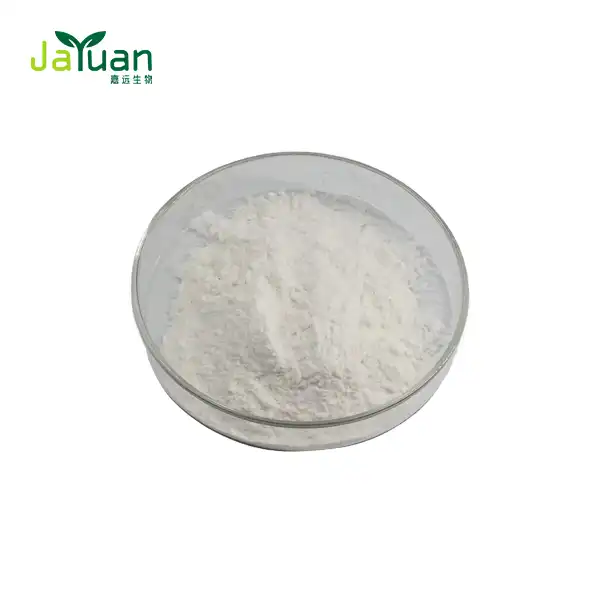
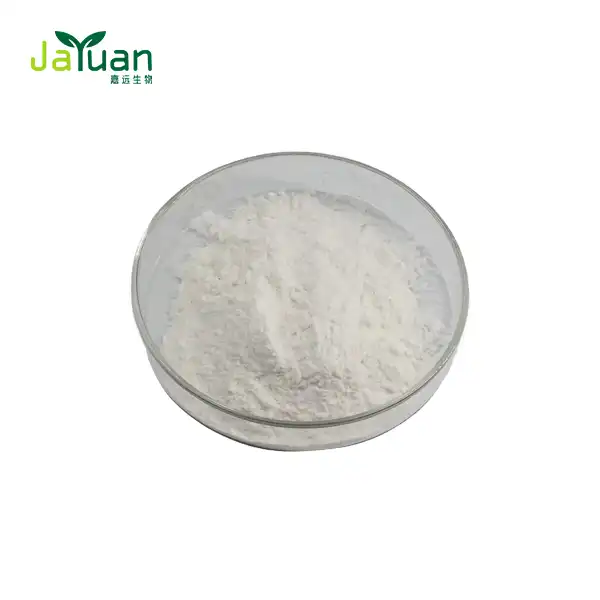
Melatonin powder should be your first choice for sleep supplement ingredients. Melatonin powder, a high-purity, synthetic active ingredient, enables contract producers and brand owners exact dose precision and formulation consistency. This handbook covers everything a manufacturing or supply chain management needs to know about physiological fundamentals, dose parameters, supplier selection, batch quality standards, and procurement strategy to make data-driven sourcing decisions.
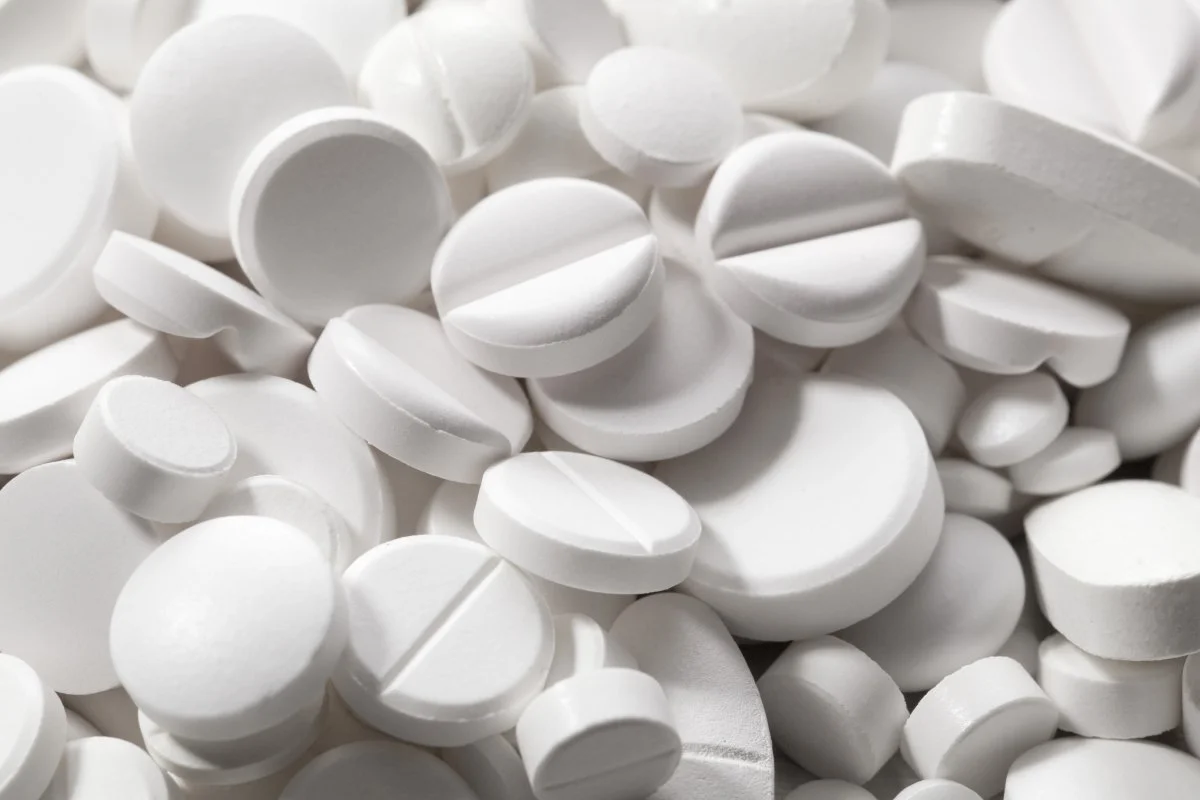
Understanding Melatonin Powder and Its Benefits for Sleep
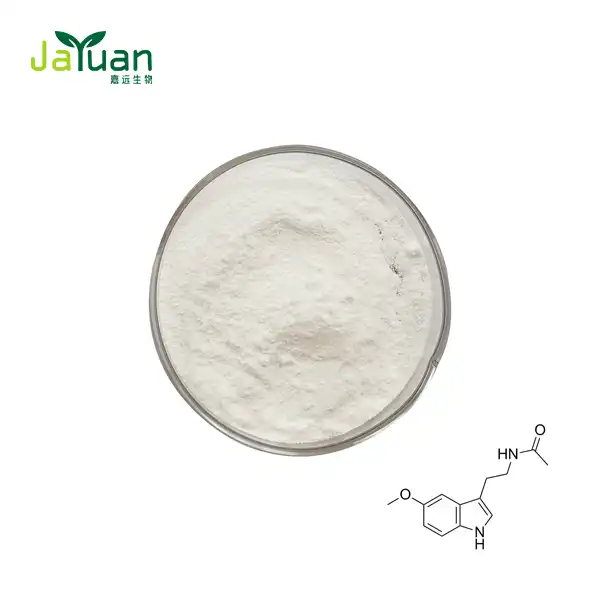
Melatonin, also known as N-acetyl-5-methoxytryptamine (CAS No. 73-31-4), is an indoleamine neurohormone that is made by the pineal gland. When making supplements, melatonin powder is made from 100% synthetic sources. This gets rid of the biological contamination risks that come with using pineal extracts from cattle, which became a big issue after the FDA issued guidance about BSE in the late 1980s.
How Melatonin Regulates Sleep
When melatonin links to MT1 and MT2 receptors in the suprachiasmatic nucleus, it tells the body to cool down and get ready for sleep. Exogenous melatonin shortens the time it takes to fall asleep by an average of 7.2 minutes and makes sleep last longer, according to a study published in Sleep Medicine Reviews in 2017. Formulators can use this well-known system to make sure that label claims are accurate.
Powder Form Versus Finished Dosage Forms
Melatonin powder is a basic substance that can be utilised in various ways but completed forms cannot. With a pre-made mix, you may get certain milligrams into functional beverages, candies, tablets and capsules without having to start from scratch. This directly addresses the need that dietary supplement firms obey FDA 21 CFR Part 111 for proper dosage labelling.
Comparison with Other Natural Sleep Ingredients
Melatonin powder is not the same route as valerian root extract or L-theanine. It shows a well-defined dose-response relationship. This makes it simpler to make claims on the label and pass third-party potency verification, which all U.S. businesses have to do including Amazon, Costco and large pharmacy chains.
How to Use Melatonin Powder: Dosage, Timing, and Best Practices
When you’re formulating, getting the dose and time correct is directly related to how satisfied your consumers are and how frequently they purchase from your brand again.
Recommended Dose Ranges for Formulation
Doses between 0.5 mg and 5 mg per serving have been shown to help adults fall asleep most of the time. A review that came out in 2013 in PLOS ONE found that 0.5 mg was enough to change the circadian rhythm. Most of the time, though, 3–5 mg is enough for things that help with jet lag and shift work. The people who make drugs should remember that higher doses don't always make them work better, and they might even make people sleepier the next day.
Optimal Timing in Product Design
Products meant to help you fall asleep, such as melatonin powder, should be taken 30 to 60 minutes before you plan to go to bed. This window lines up with the pharmacokinetic half-life of melatonin, which is about 45 minutes. Biphasic release patterns can make time-release tablets or capsules work better through the nite without increasing the total amount.
Handling and Solubility Considerations
Melatonin powder doesn't like water and is sensitive to light. Pre-dissolving in food-grade propylene glycol or using nano-emulsification stops precipitation in liquid beverage applications. For solid drug forms, an 80-mesh powder grade can be directly compressed, while micronized grades work best for pills that dissolve quickly under the tongue. To stop photolysis, always store in containers that can't be opened or exposed to light.
Comparing Melatonin Powder with Other Forms and Brands
Powder vs. Pre-Made Capsules and Gummies
Buying melatonin powder in bulk as an ingredient gives you full control over how the product is made. Products that are already made are locked into a set amount and carrier system. When contract manufacturers make a lot of different SKUs with different strengths, buying powder and compressing or encapsulating it themselves saves a lot of money per unit compared to buying capsules that are already filled.
Synthetic vs. Phytomelatonin
Synthetic melatonin powder is always ≥99% pure, with no pesticide residues or differences between batches based on when it was harvested. Plant-based phytomelatonin is a new market niche, but it is more expensive and the supply isn't always reliable. Synthetic-grade material is still the standard for large production runs that need to meet CoA consistency and USP/EP compliance.
What to Look for in a CoA
Every output batch should come with a Certificate of Analysis that lists the heavy metals, assay (HPLC), loss on drying (≤0.5%), leftover liquids, and the clear lack of Peak X and Peak E contaminants. If a supplier can't give you batch-specific HPLC chromatograms, you shouldn't use them for current production.
Strategic Procurement Guide for Melatonin Powder in B2B Markets
Retail buyers don't use the same set of factors as production managers and supply chain leads. When a production run is at stake, plan dependability and good paperwork are more important than price per kilogram.
Before accepting a melatonin powder maker, experienced buying teams look at these main factors to make sure the provider is qualified:
- USP43/EP compliance: Every batch must be tested against current pharmacopoeia monographs. Suppliers should provide actual HPLC data, not just a passed/failed statement.
- Batch consistency documentation: Request three to five consecutive CoAs to verify that assay values stay within ±1% across batches. Dose-labeling accuracy depends entirely on this.
- Pack size availability: A supplier offering both 1 kg and 25 kg packaging for melatonin powder removes the constraint of minimum order quantities that disrupt small production runs or new product pilots.
- Lead time guarantees: Confirmed lead times of 7–15 business days for standard orders, with written policy on safety stock or buffer inventory, protect your production schedule from raw material delays.
- Re-qualification burden: Switching suppliers mid-production requires a full raw material re-verification cycle. Prioritize a supplier who can demonstrate at least 12 months of consistent supply history.
Guarantyd lead times of 7–15 business days for normal orders, along with a written policy on safety stock or buffer inventory, keep your production plan from being thrown off by delays in getting raw materials.
When you switch providers in the middle of production, you have to go through a full cycle of re-qualification for the raw materials. Give more weight to a seller who can show at least 12 months of steady supply.
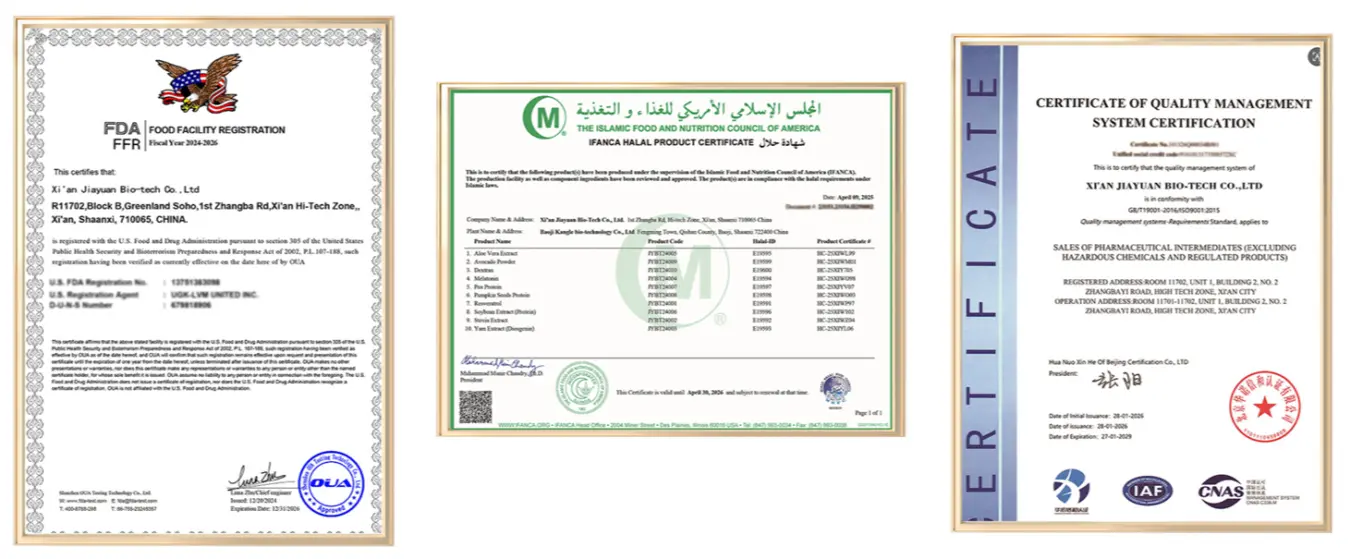
Why Jiayuan Bio-Tech Meets These Standards
These criteria directly lower the three most common problems that stop production: late deliveries, differences in doses, and regulatory violations at the incoming quality control stage.
Making the Right Choice: Recommendations for B2B Buyers
Matching Grade to Application
Contract manufacturers who make gummies or chewable tablets should ask for melatonin powder that is USP-grade and has an assay of at least 99%. Functional drink makers may ask for micronized grades so that the ingredients can spread out better. Material that is pharmaceutical-grade (≥99%) or cosmetic-grade (≥95%) can be bought from qualified suppliers. Make sure that the grade matches the regulatory category of your product right away.
Total Cost of Ownership
One piece of info is the price per kilogram. When figuring out how much a provider is worth, you should think about freight, import taxes, re-testing costs, and the cost of a production delay. A plant near the Qinling Mountains, which is a major source of natural raw materials, has in-house solvent recovery rates of 90% or more, which means that large buyers can save money.
Long-Term Supplier Partnership
It takes about 4–8 weeks to re-verify a new supplier, which adds the same amount of time to the production run. They are more helpful to a production schedule if the seller has a clear price history, a history of past batches that can be checked, and quick transportation planning. This is because the seller's history of prices and history of past batches is more clear.
Conclusion
Selecting melatonin powder ingredients requires four non-negotiable factors: purity (≥99% test), HPLC-supported batch-to-batch uniformity, pack sizes that fit production scale, and a source with a proven on-time delivery record. The U.S. sleep supplement industry is growing, so manufacturing teams who secure consistent ingredient procurement today will have an operational edge. Audit supplier capabilities, verify CoAs, and prioritise supply reliability above cost reductions.
FAQ
1. Is synthetic melatonin powder safe to use in dietary supplements?
Yes, synthetic melatonin powder is the standard in the business because it doesn't have the pollution risks that come with using animal-derived extract. Every reputable supplier gives you an HPLC-verified COA that says there are no Peak X or Peak E contaminants.
2. What certifications should a melatonin powder supplier hold?
At the very least, GMP certification, ISO certification, and testing of batch-level COAs against USP or EP monographs. Products that are aimed at Muslim-majority areas must also have HALAL approval.
3. How does particle size affect my formulation?
The standard 80-mesh grade is good for directly compressing tablets and filling capsules. Micronized grades work better in sublingual and rapid-release forms because they dissolve faster. Before placing a bulk order, check with your supplier to make sure the mesh meets your needs.
Source Your Melatonin Powder with Jiayuan Bio-Tech
Jiayuan Bio-Tech has been a supplier of melatonin powder for many years and works with contract makers, brand owners, and functional food companies all over the world, including in the U.S. We can help you with your production schedule from pilot to full scale, with GMP/ISO-certified production, DCS-controlled batch consistency, purity of 99% or more, and options for 1 kg or 25 kg packaging. Write to us at sales@jayuanbio.com or sales1@jayuanbio.com, or go to jayuanbio.com right now to get a CoA sample and a bulk quote.
References
1. Brzezinski, A. et al. — New England Journal of Medicine, 1997.
2. Ferracioli-Oda, E., Qawasmi, A., & Bloch, M.H. — PLOS ONE, 2013.
3. Auld, F. et al. — Sleep Medicine Reviews, 2017.
4. United States Pharmacopeia — USP 43–NF 38 Melatonin Monograph, 2020.
5. Zisapel, N. — Drugs & Aging, 2018.
6. Hardeland, R. — International Journal of Molecular Sciences, 2021.