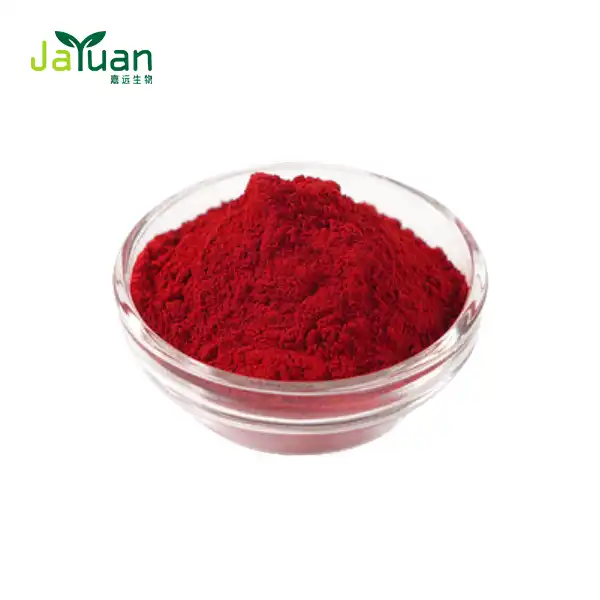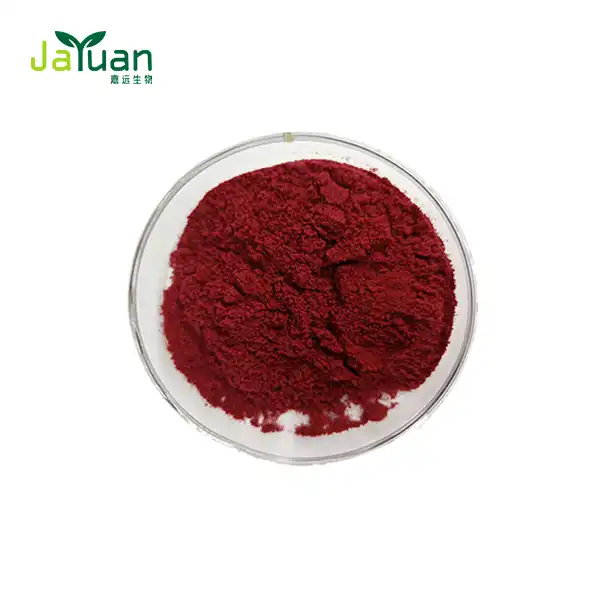

Best Astaxanthin Powder for Skin, Eye, and Joint Support
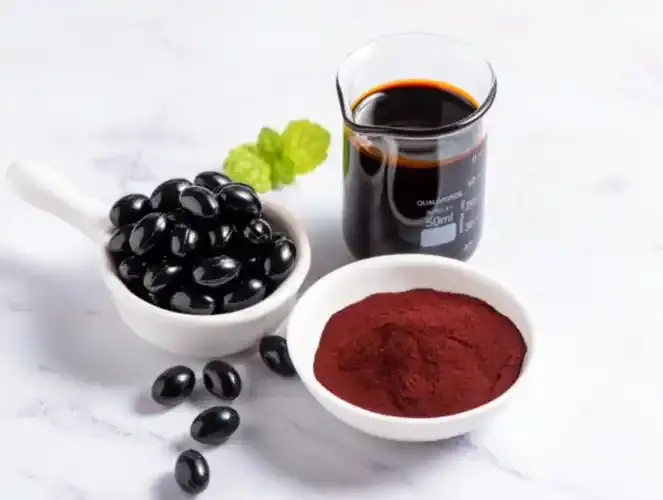
When sourcing the best astaxanthin powder for formulations targeting skin health, eye protection, and joint support, procurement professionals need suppliers who deliver verified purity, consistent potency, and regulatory compliance. This powerful keto-carotenoid antioxidant, primarily extracted from microalgae Haematococcus pluvialis, offers antioxidant activity approximately 6,000 times stronger than Vitamin C and 800 times greater than CoQ10. We've developed this comprehensive guide to help manufacturers, formulators, and distributors navigate procurement decisions with confidence, ensuring you partner with suppliers who meet your quality standards and business objectives.
Introduction
As more people learn about ways to stay healthy, the global market for natural antioxidants keeps growing. Astaxanthin powder stands out among these ingredients because it has unique chemical qualities that help with many different health issues at once. More and more, B2B sourcing pros have to find ingredients that meet strict legal requirements in the food, cosmetics, nutraceutical, and pharmaceutical industries while also producing measured results.
In addition to price, there are other scientific factors that need to be looked at when choosing the right provider. Product stability, improving bioavailability through microencapsulation technology, following USP and EP standards, and having clear testing protocols all have an impact on how well the formulation works and how well the final product works. This guide takes a systematic look at these important factors, giving you useful information that makes evaluating suppliers easier and helps you build long-lasting partnerships. Your buying team can make decisions that improve both product performance and return on investment if they know what makes high-quality materials biochemically special and how they work in different situations.
Understanding Astaxanthin Powder and Its Health Benefits
Skin Health Applications and Mechanisms
Through a number of cellular processes, the material shows amazing effectiveness in cosmetic formulas. It stops the production of matrix metalloproteinase-1 (MMP-1), which stops collagen breakdown in photoaged skin. When added to both physical and ingestible beauty products, clinical studies show that the skin becomes more hydrated, more elastic, and fine lines are less noticeable. Antioxidants get rid of reactive oxygen species that are made by UV light. This protects cells at the molecular level and supports long-term skin health.
When premium-grade material is tested for filter paper residue, it shows that it is more pure than normal market choices. This higher level of purity directly leads to stronger antioxidant activity and better free radical scavenging ability in finished products. Pharmaceutical companies and cosmetic brands that use this higher-purity material say that it makes their formulations more stable and gives customers more consistent results.
Eye Protection and Visual Function Support
Light exposure causes oxidative stress on retinal cells all the time, which makes them especially vulnerable to the loss of function that comes with getting older. Astaxanthin powder can cross the blood-retina barrier because of its unique chemical structure. It then protects photoreceptor cells directly as an antioxidant. Researchers have found that it can help keep the blood flow to the eyes healthy, keep the eyes from getting tired, and improve vision in difficult lighting. Formulators of nutraceuticals for eye health find Cold Water Dispersible (CWD) forms very useful for use in beverages because they stay stable at pH levels from 3.0 to 7.0 and can handle high temperatures without separating into different phases.
Joint Mobility and Comfort Enhancement
The anti-inflammatory properties of this compound work well on inflammatory processes in joint tissues. Formulations with this ingredient help joints feel better and move more easily by controlling the production of inflammatory cytokines and lowering the damage that free radicals do to cartilage cells. Dietary supplement companies that make products for busy older adults use it in mixtures with other ingredients that help with systemic inflammation. For hard pill and tablet compression, the powder format is clearly better than oil formats because it has a higher bulk density (0.4–0.7 g/mL) and doesn't melt when heated.
Comparing Astaxanthin Powder Options for Optimal Procurement
Natural Versus Synthetic Sources
Material that comes from growing Haematococcus pluvialis microalgae is the best native source available. This biological source mostly makes the 3S,3'S stereoisomer, which is better for biological activity and bioavailability than synthetic alternatives. Supercritical CO2 extraction methods keep the molecule structure intact while getting rid of any chemical solvent remains. On the other hand, using petrochemical methods to make synthetic materials results in a racemic mixture that has many stereoisomers that have different biological functions. Synthetic options may have lower unit costs, but natural materials are more desirable in consumer markets that care more and more about clean label claims and sustainable sourcing.
Organic approval adds one more way to tell the difference in value. Certified organic material from controlled algae growth meets strict standards for inputs used in cultivation, handling tools, and keeping the material from getting contaminated. Cosmetic brands and makers of high-end food supplements often ask for organic materials to match their brand's image and meet customer standards.
Pure Powder Versus Blended Formulations
Pure material gives formulators the most freedom in how they make products because they can control exact dosage and mix with complementary ingredients according to their own unique rules. Blended formulas that include carriers, flow agents, or complementary antioxidants can make production easier in some situations, but they limit the ways that the product can be customized. When looking at blended choices, read the full list of ingredients carefully to see how any extra parts might change the stability, bioavailability, or legal classification in the markets you want to reach.
Microencapsulation Technology Impact
Advanced microencapsulation is used to make CWD beadlets from astaxanthin powder, which are a big step forward in technology that helps with stable issues. The protective matrix keeps light, heat, and oxygen from reaching the pigment molecules, which would break them down quickly otherwise. This technology is especially useful for functional drinks whose ingredients need to stay stable during processing, storage, and reconstitution. Manufacturers of hard capsules and tablets also benefit from microencapsulated forms because they make the products flow and compress better.
How to Choose the Best Astaxanthin Powder for Your Business Needs
Critical Evaluation Criteria
1. Purity and Potency Verification: Request for a Certificate of Analysis that includes real test results for the quantity of the active chemical, not just sets of values. The claimed potency levels are always met by premium material, with little batch difference. Methods of testing should be based on well-known standards, such as HPLC analysis, and results should be able to be tracked back to approved labs. The lack of filter paper residue shows better refinement and higher extraction purity, which directly relates to the antioxidant effectiveness of the end formulas.
2. Comprehensive Contamination Screening: In addition to basic heavy metal panels, thorough quality assurance includes testing for microbes, checking for pesticide residues, and checking for solvent residues. Material that is going to be used in pharmaceuticals needs to be checked for contamination very carefully so that the results are well below what is allowed by law. Ask providers how often they test, what methods they use, and what they do when results are close to the limits of what is specified.
3. Certification Portfolio: The right certifications depend on the use and market, but they usually include organic certification, non-GMO verification, kosher and halal approval for the right markets, and GMP facility certification. Suppliers with more than one approved production line show that they can control quality in a systematic way, which lowers the risk of not complying.
Matching Suppliers to Application Scenarios
For OEM production partnerships to work, providers must be able to help with technical formulation, keep supplies steady during production cycles, and meet package requirements that work with your distribution model. Private label makers need partners who can make changes to their products, set low order amounts for test marketing, and protect their intellectual property for special formulas.
For distribution operations of astaxanthin powder, it's important to have solid lead times, the ability to change order sizes to match sales volume, and a lot of paperwork to meet regulatory standards in many places. For experimental studies, research institutions like providers who offer thorough technical data, uniform batch characteristics so that results can be repeated, and choices for smaller quantities for initial studies.
Real-World Selection Methodology
A European company that makes nutraceuticals recently looked at suppliers and made a weighted scoring matrix that looked at things like purity (30%), certification completeness (25%), price competitiveness (20%), logistical reliability (15%), and technical support (10%). This methodical approach found a provider who didn't have the cheapest unit price but provided better total value through consistent quality, quick contact, and flexible shipping options that cut down on the cost of keeping inventory. The relationship has now been going strong for several product launches, with no quality problems that have slowed down production.
Buying Astaxanthin Powder in Bulk: Practical Guidance for B2B Clients
Inquiry to Delivery Process Overview
A structured process usually leads to successful bulk buying, starting with clear sharing of needs. Give details about the concentration percentage you want, the format you'd like (CWD beads, standard powder, or organic certification status), the estimated volume ranges, and when you need the product delivered. Ask for samples that meet your exact needs along with the Certificate of Analysis paperwork that goes with them. When you test a sample, you should do your own tests to make sure the claimed potency and purity are correct.
After the sample is approved, you should get formal quotes that include unit prices at different volume levels, minimum order quantities, payment terms, production lead times, and shipping plans. Make sure you know if the price includes delivery to your facility or if it's "ex-works," which means you have to arrange your own transportation. By knowing these details, you can keep unplanned costs from messing up your budget numbers.
Pricing Frameworks and Volume Economics
Depending on the concentration and style, the minimum order quantity is usually between 25 kilograms and 100 kilograms. However, some sellers will accept smaller amounts for first orders. With volume-based prices, you can usually get bigger savings after 100 kg, 500 kg, and 1000 kg. To get the real landed costs, you need to take into account more than just the price per kilogram. You also need to think about the costs of shipping, customs duties, clearance fees, and storage. If your suppliers offer warehouse stocking plans, you may not have to carry as much product while still making sure you have a steady supply of goods.
Contract Considerations and Risk Management
Formal supply agreements for astaxanthin powder should include quality standards with clear testing methods, ways to handle batches that don't meet the standards, lead time promises with ways to fix delays, price validity periods, and provisions for "force majeure." When you're making private label or proprietary formulas, intellectual property rights become important. Letters of credit and other payment security measures combine the supplier's promise of payment with your right to inspect the goods.
Having reliable shipping partners is important for keeping the purity of goods while they are being shipped. Temperature-controlled shipping keeps sensitive chemicals from breaking down, and the right packing keeps moisture out and stops damage. Suppliers who have worked with international trade before can help you with customs paperwork, questions about duty classification, and making sure you follow the import rules in your country.
Case Studies & Verification: Proven Efficacy and Trusted Suppliers
Pharmaceutical Application Success
A North American drug company was making a normal eye health product and needed materials that met the USP monograph requirements and were very consistent from batch to batch. They chose a supplier after looking at several. The one they chose has GMP-certified production lines and tests each batch for stability in a wide range of ways. The provider that was picked gave detailed technical paperwork to back up the New Dietary Ingredient alerts and kept extra supplies on hand to keep production from stopping. Over three years, the maker built trust with customers by making sure that products would work as expected. This helped the product line grow by 40% year over year.
Cosmetic Formulation Innovation
A European skin care brand that wanted to add ingestible beauty ideas to their line needed materials that could be used for both serums for the skin and capsules for dietary supplements. As well as normal powder for filling capsules and micronized grades for cosmetic uses, their source gave them scientific advice on how to stabilize different types of matrices. The material was proven to be pure, and it had a high antioxidant capacity, which made it possible to show clear before-and-after pictures to back up marketing claims. The brand successfully started in several European markets, and getting all of their ingredients from one place made managing their supply chain easier.
Functional Beverage Development
An American company that makes functional drinks for people with active lifestyles needed CWD format material that would stay stable through their unique formulation process, which includes low pH environments and hot-fill packaging. Their supplier's microencapsulation technology gave them the stability profile they needed and the bright red color that helped with brand recognition. Before going to commercial levels, efficiency was checked on a small scale. The product launch went well and gained a lot of market share in the competitive sports nutrition category. During the important first year, customers had no complaints about stability.
Conclusion
Finding high-quality astaxanthin powder for uses that are good for your skin, eyes, and joints requires more than just comparing prices. The technical details that determine how strong an antioxidant is, how stable it is during processing and storage, and how bioavailable it is in finished goods have a direct effect on how well the mixture works and how well it can be sold. Quality assurance systems that make sure uniform purity, full contamination screening, and regulatory compliance protect the image of your brand and keep your business running. Strategic partners are different from transactional sellers because they can offer customization options, reliable logistics, and technical support. Procurement pros find sellers who offer the best overall value by using systematic evaluation models that take these multiple factors into account. This helps with product differentiation, regulatory trust, and long-term growth paths.
FAQ
1. Is long-term use of material safe for consumer products?
Multiple independent studies that looked at safety issues in great detail confirm that the profiles are safe when used at the recommended dosage levels. It is safe for use in food and supplements, according to regulatory bodies like the FDA. There aren't many safety concerns with high-quality material that has been thoroughly tested for heavy metals, microorganisms, solvent residues, and nucleic acid contamination from outside sources. Manufacturers should follow set dosage rules that are right for their product type and the people they want to sell to.
2. How can buyers verify product purity and authenticity?
Ask for a full Certificate of Analysis that includes HPLC test reports for heavy metal panels, microbiological screening, active chemical concentration, and relevant contaminant testing. Reliable sellers give batch-specific paperwork that can be tracked back to approved testing labs. Before making big purchases, you might want to have samples tested by a third party who is not connected with you. Filter paper residue testing is another way to check the quality of processing. Premium types with little residue show better extraction purity and higher antioxidant capacity.
3. What certifications ensure regulatory compliance and supply transparency?
Key certifications depend on the use, but they usually include organic certification for clean labeling, non-GMO proof, kosher and halal approval for certain markets, and GMP building certification to show that quality management is done in a planned way. Certifications from ISO, SGS, and HALAL give customers even more confidence in the quality and operating standards of a business. Suppliers with multiple relevant certifications usually have complex quality management systems that support consistent performance and regulatory trust across a wide range of markets and application types.
Partner with Jiayuan Bio-Tech: Your Trusted Astaxanthin Powder Supplier
Jiayuan Bio-Tech provides pharmaceutical-grade astaxanthin powder that is backed by ISO, SGS, and HALAL approvals. They also use GMP-standard production lines to make sure that the quality is always very high. Our advanced extraction and microencapsulation techniques make sure that the ingredients we use are very pure and have high antioxidant levels. These ingredients are perfect for high-end pharmaceutical, nutrition, cosmetic, and functional food uses. We offer full quality documentation, flexible OEM and private label services, cheap factory-direct prices, and easy foreign shipping to markets in the US and Europe, including help with clearing customs. You can email our team at sales@jayuanbio.com or sales1@jayuanbio.com to talk about your bulk needs, ask for samples with full analytical documentation, or look into your options for custom formulation development. Visit jayuanbio.com to learn how our dedication to quality, technical know-how, and customer partnership can help you reach your goals for product innovation and market success.
References
1. Ambati, R.R., Phang, S.M., Ravi, S., and Aswathanarayana, R.G. (2014). "Astaxanthin: Sources, Extraction, Stability, Biological Activities and Its Commercial Applications." Marine Drugs, 12(1), 128-152.
2. Guerin, M., Huntley, M.E., and Olaizola, M. (2003). "Haematococcus astaxanthin: Applications for Human Health and Nutrition." Trends in Biotechnology, 21(5), 210-216.
3. Kidd, P. (2011). "Astaxanthin, Cell Membrane Nutrient with Diverse Clinical Benefits and Anti-Aging Potential." Alternative Medicine Review, 16(4), 355-364.
4. Naguib, Y.M. (2000). "Antioxidant Activities of Astaxanthin and Related Carotenoids." Journal of Agricultural and Food Chemistry, 48(4), 1150-1154.
5. Tominaga, K., Hongo, N., Karato, M., and Yamashita, E. (2012). "Cosmetic Benefits of Astaxanthin on Humans Subjects." Acta Biochimica Polonica, 59(1), 43-47.
6. Yuan, J.P., Peng, J., Yin, K., and Wang, J.H. (2011). "Potential Health-Promoting Effects of Astaxanthin: A High-Value Carotenoid Mostly from Microalgae." Molecular Nutrition & Food Research, 55(1), 150-165.