Astaxanthin Powder Bulk Buying Guide for Brands
When buying astaxanthin powder bulk for pharmaceutical, cosmetic or nutraceutical use, firms are faced with difficult choices regarding quality, sourcing and supplier trustworthiness. This thorough handbook tackles the important procurement issues that affect the effectiveness of product, regulatory compliance and cost management. Brands that have a thorough grasp of the subtle variations between natural and synthetic varieties, testing procedures and supplier capabilities are able to get high-performance ingredients that will satisfy their formulation needs and market expectations. This resource has been created to assist procurement professionals in confidently navigating the astaxanthin supply environment.
Understanding Astaxanthin Powder Bulk: Properties, Benefits, and Uses
What Defines Premium Astaxanthin Powder
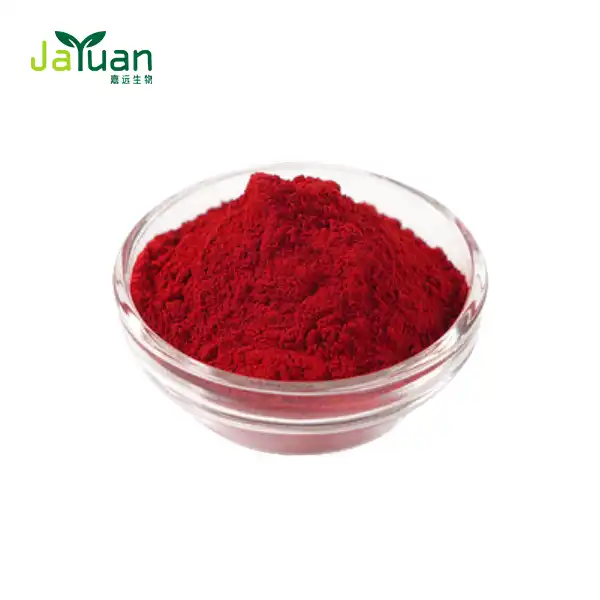
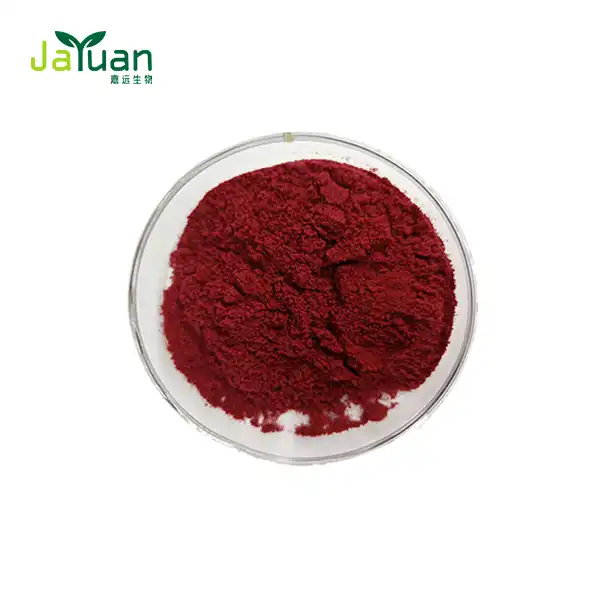
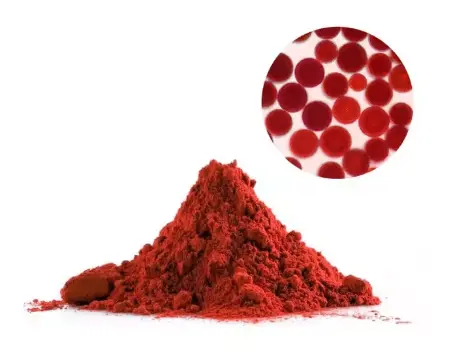
The deep red to violet-brown color of astaxanthin powder bulk makes it stand out as one of nature's most powerful carotenoid protectors. The molecular structure, C40H52O4, which has a molecular weight of 596.84 g/mol, is very good at getting rid of free radicals. Studies show that this antioxidant is about 6,000 times stronger than Vitamin C and 800 times stronger than CoQ10. Because of this amazing activity, it is very useful in many B2B areas.
For food-grade uses, the powder usually comes in amounts between 1% and 5%. For pharmaceutical-grade uses, higher purity levels are usually needed. Cold Water Dispersible (CWD) beadlets are made using advanced microencapsulation technology. These beadlets stay stable against light, heat, and oxygen, which are important for the shelf life and effectiveness of the product.
Natural Versus Synthetic Sources
Knowing where a product comes from has a big effect on both how well it works and how the business is positioned. The astaxanthin powder bulk that comes from Haematococcus pluvialis microalgae has the good (3S,3'S) stereoisomer structure, which means that it is more bioavailable. There is usually a 1:2:1 ratio of stereoisomers (3S,3'S), (3S,3'R), and (3R,3'R) in synthetic forms, which could change how biologically active they are.
Krill and other marine organisms are also natural sources, but growing microalgae is a more reliable way to ensure quality and keep production going. The way of extraction affects purity. For example, supercritical CO2 extraction produces cleaner profiles than solvent-based methods, which means that worries about residue are lessened.
Application Spectrum Across Industries
Astaxanthin powder bulk is used by three main B2B industries that need highly skilled manufacturing expertise:
- Nutraceuticals and Dietary Supplements: The powder is mixed into softgels, pills, and capsules that are meant to help with heart health, joint pain, eye health, and healing from exercise. If the ingredient is supposed to have antioxidant benefits, it must be able to withstand being compressed under high pressure without going bad. In these situations, oil-soluble oleoresin mixed with carrier oils makes uptake easier.
- Cosmeceuticals and Skincare: Expensive beauty brands use astaxanthin powder bulk in anti-aging creams, UV-protection serums, and creams that make skin more elastic. The ingredient protects cells from reactive oxygen species (ROS) caused by UV light. The success of a mixture depends on how stable it is in both oil-in-water and water-in-oil emulsions. It's not easy to stop UV-induced color loss and get active ingredients to the skin at the same time.
- Functional Foods and Beverages: Cold Water Soluble (CWS) astaxanthin powder bulk can be used to make energy drinks, stick packs, and functional gummies stronger. Engineered microencapsulated powders spread out evenly without ringing or sedimenting, and the color stays stable even when the pH level changes. To keep oil from forming a slick in clear drinks, this application needs very advanced solubility engineering.
These different uses show how important it is for buying teams to carefully match powder specifications to how it will be used, taking into account things like particle size distribution, solubility profiles, and transport compatibility.
Critical Factors to Evaluate When Buying Astaxanthin Powder Bulk
Purity Standards and Testing Protocols
For astaxanthin powder bulk quality assurance, you need to do more than just a visual check. You need to do thorough analytical testing. Comprehensive testing protocols are a top priority for professional procurement teams:
- HPLC Analysis as the Gold Standard: Unlike UV-Vis spectrophotometry, which can give falsely high readings by counting other carotenoids, HPLC analysis separates and measures astaxanthin specifically. The ratio of free astaxanthin to esters is also broken down by HPLC, which gives important information about bioavailability potential.
- Stereoisomer Distribution Verification: To be sure of the natural origin, the majority of the (3S,3'S) visual isomer must be checked. This study separates real natural goods from fake ones, which has an effect on both how well they work and what they say about themselves on the label.
- Pheophorbide Detection: This product breaks down chlorophyll and can make skin sensitive to light. Strict limits mean that the extraction and purification processes are better, which protects the end users from bad reactions.
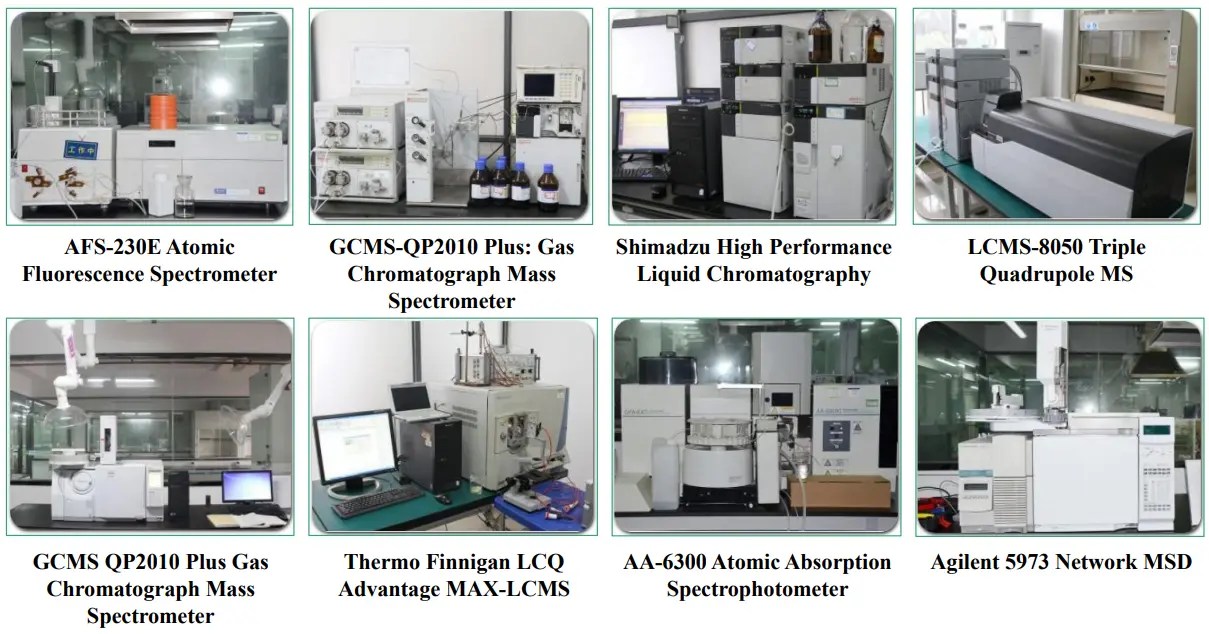
- Microbial Load Assessment: Making sure that the Total Plate Count stays below 1000 cfu/g without using irradiation is a good sign of good manufacturing controls. Verified paperwork proving non-irradiated status meets the needs of regulations in several markets.
- Heavy Metal Audits: ICP-MS tests for lead, arsenic, cadmium, and mercury must meet the guidelines set by California Prop 65 and the EU Pharmacopoeia. These chemicals are very bad for your health and can cause products to be recalled or keep you from getting into certain markets.
At Jiayuan Bio-Tech, the way we make things makes sure that the levels of heavy metals, microorganisms, solvent residues, and exogenous nucleic acid residues stay within the allowed limits. Filter paper residue testing shows that our astaxanthin powder bulk has fewer impurities than rival goods. This means that it is a better antioxidant and has a higher extraction purity for better free radical scavenging.
Certifications That Matter
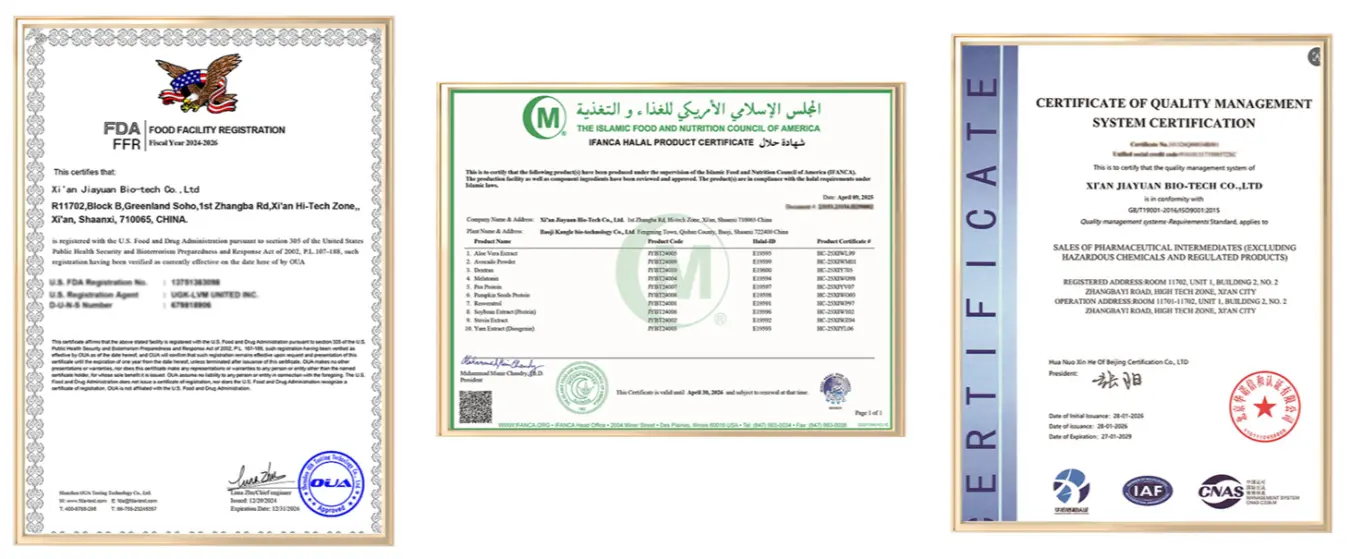
ISO, GMP, and Halal approvals give basic peace of mind, but agreement with USP (United States Pharmacopeia) and EP (European Pharmacopoeia) standards shows a strong dedication to pharmaceutical-grade standards. Non-GMO certifications and organic certifications have a bigger impact on how people think about brands, especially in North America and Europe, where customers value goods with clean labels.
Bioavailability Considerations
The physical form has a big effect on the rate of absorption. Microencapsulated powders keep astaxanthin from breaking down in the stomach, which makes it more bioavailable. Oleoresin mixtures mixed with lipid carriers make absorption easier through the intestinal wall. Brands need to make sure that the powder form works with the delivery system. For example, tablets may need different specs than liquid formulations.
Procurement Essentials: How to Source Astaxanthin Powder Bulk Efficiently
Identifying Reputable Suppliers
When buying astaxanthin powder bulk, suppliers must be carefully screened. Leading manufacturers all have a few things in common: they have well-established quality management systems, clear documentation of the supply chain, and consistent reproducibility from batch to batch. By asking for Certificate of Analysis (CoA) samples from more than one batch, you can see how consistent the production is.
Geography affects how resilient the production chain is. Chinese makers often offer reasonable prices and higher quality standards. European and American suppliers, on the other hand, charge higher prices but make it easier to follow the rules. Having a variety of supplier relationships lowers the risk of problems happening in different regions.
Pricing Dynamics and MOQ Considerations
The price of astaxanthin powder bulk depends on where it comes from, how pure it is, and how much you order. Powder made from natural microalgae usually costs 30–50% more than synthetic alternatives, but it's worth the extra money. Concentration levels have a direct effect on price—5% powder costs a lot more per kilogram than 1% powder, but the higher unit costs may be offset by the efficiency of the formulation.
Minimum order quantities (MOQ) range from 5 kg for specialty suppliers to 100 kg or more for manufacturers who focus on making common goods. To negotiate a good MOQ, you need to know how much you can store and how much you expect to produce. When a brand releases a new line of products, providers that let them try out smaller batches before committing to larger quantities are helpful.
Some strategies for negotiating include multi-year contracts with price stability agreements, consolidated shipping plans that include more than one item, and flexible payment terms. Getting to know technology help teams that understand formulation problems is valuable for more reasons than just price.
Logistics and Regulatory Compliance
Costly production delays can be avoided with good transportation planning. The length of time it takes to get an order depends on where the seller is located, how complicated the order is, and how long it takes to clear customs. To keep astaxanthin powder from breaking down during shipping, the temperature must be controlled. Specifications for packaging should include nitrogen washing and containers that keep light out.
Different markets have very different rules about imports. The US needs FDA compliance, which includes correct labeling, ingredient lists, and maybe even proof that the product is GRAS (Generally Recognized as Safe). European markets need Novel Food clearance for certain uses and strict obedience to REACH rules. Knowing these rules before making an order keeps the border from getting backed up.
Customs clearance goes more quickly when you work with suppliers who know how to ship goods internationally. We work with a number of overseas shipping companies as well as FedEx, DHL, EMS, UPS, and TNT. Our help with customs processing in both Europe and the US makes sure that goods get to your building without any extra fees or delays.
Making the Right Choice: Evaluation and Decision-Making Framework
Matching Specifications to Needs of the Application
Astaxanthin powder bulk specifications vary depending on the product category. High bioavailability and stability under encapsulation conditions are important to supplement makers. A 2-5% powder that dissolves in oil is good for softgels, while powders that dissolve in water can be used to make tablets and powder stick packs.
For cosmetic uses, you need a powder that keeps the color stable in emulsions and protects skin tissues with antioxidants. Texture and absorption are affected by the spread of particle sizes. Micronized powders blend better into creams and serums. Developers of functional drinks need CWS technology that stops sedimentation and color separation during the whole shelf life of the product.
Supplier Evaluation Criteria
A balanced seller review looks at more than just price when judging performance. Quality standards are the building blocks. These include consistent Certificate of Analysis results, thorough testing methods, and licenses that are relevant to your target markets. Delivery performance affects production plans; look at how often shipments were delivered on time and how quickly people responded to messages during earlier shipments.
Good suppliers can tell the difference between good and average ones when it comes to customer service. Helpful technical support teams that know how to solve formulation problems and give advice on how to use the product are valuable. Clear conversation about problems in the supply chain or changes in quality helps build trust and makes planning ahead easier.
We keep up two production lines that meet GMP standards and are certified by ISO, SGS, and HALAL. Our quality team works as an extension of your lab and is committed to giving you the best materials. Modern testing and production tools make sure that each batch is the same, and controlled buying of raw materials makes sure that quality from the start.
Real-World Procurement Insights
Phased supplier ties are often a part of successful buying plans. Starting with small test batches lets you make sure that the formulations will work together before making big commitments. By asking for stable testing data under situations that are similar to your manufacturing processes, you can find problems early on.
Brands that want to cut costs without sacrificing quality often combine their purchases with suppliers that offer a wide range of ingredients that work well together. This method cuts down on the costs of repeated operations and clearing customs. With factory-direct buying, there are no markups for middlemen, but the supply chain needs to be managed more actively.
Long-term relationships with clear ways to talk to each other build value for both sides. Sharing predictions about production helps providers make the best use of their stock, which could lead to better prices and supply. As formulations change, alignment is kept up through regular quality reviews and updates to specifications.
Conclusion
When buying astaxanthin powder bulk, it's important to strike a balance between the need for quality, the need to save money, and the need to trust your supplier. Natural products made from microalgae have better bioavailability and market positioning benefits. Strict testing protocols make sure they are pure and safe. When you judge sellers by their certifications, openness about testing, shipping performance, and technical support skills, you can form partnerships that improve product quality and supply chain resilience. Specification choice is based on understanding the needs of the product, such as whether it's for nutraceuticals, cosmetics, or useful foods. Costs are kept low while quality standards are maintained through strategic procurement practices such as flexible MOQ negotiation, consolidated shipping arrangements, and building long-term relationships. Our goods are repeatedly checked for safety, and they show that they are safe enough for large-scale production in a wide range of settings.
FAQ
1. How can I be sure that the astaxanthin powder bulk sellers are real and pure?
Ask for full Certificates of Analysis from several production batches that show HPLC results, heavy metal testing, stereoisomer distribution, and microbial counts. Use independent sources to check that standards like ISO, GMP, and USP compliance are real. Samples should be tested by a third party before big orders are placed to make sure that the specs match what was said.
2. What dosage ranges should supplement formulations be taken?
For general antioxidant effects, clinical study supports daily doses between 4 mg and 12 mg of astaxanthin powder bulk. For specific uses like eye health or exercise recovery, bigger amounts may be needed. Check the rules for the markets you want to reach because the levels that are allowed vary by region.
3. Is astaxanthin powder bulk safe for large-scale production?
While astaxanthin powder bulk has been tried extensively, it has been found to be very safe when purchased from trusted suppliers that meet pharmaceutical-grade standards. Making sure that the levels of heavy metals, bacteria, and solvent leftovers stay below the allowed limits keeps consumers safe. Our products go through a lot of testing to make sure they are safe and can be used in a wide range of manufacturing processes.
Partner with Jiayuan Bio-Tech for Premium Astaxanthin Powder Bulk Supply
With seasoned partners who are dedicated to quality and service excellence, navigating the complexities of astaxanthin powder bulk procurement becomes simple. Xi'an Jiayuan Bio-Tech is an expert in natural plant extracts, and they have stable production methods and high-tech testing tools. Our controlled sourcing of raw materials ensures uniform quality, and our OEM processing services and customizable choices meet the needs of a wide range of brands. To talk about your needs with a reliable astaxanthin powder bulk provider, email our team at sales@jayuanbio.com or sales1@jayuanbio.com. We provide full help, from expert advice to clearing customs, to make sure your purchasing process goes smoothly.
References
1. Ambati, R. R., Phang, S. M., Ravi, S., & Aswathanarayana, R. G. (2014). Astaxanthin: Sources, Extraction, Stability, Biological Activities and Its Commercial Applications—A Review. Marine Drugs, 12(1), 128-152.
2. Capelli, B., Bagchi, D., & Cysewski, G. R. (2013). Synthetic Astaxanthin is Significantly Inferior to Algal-Based Astaxanthin as an Antioxidant and May Not Be Suitable as a Human Nutraceutical Supplement. Nutrafoods, 12(4), 145-152.
3. Higuera-Ciapara, I., Felix-Valenzuela, L., & Goycoolea, F. M. (2006). Astaxanthin: A Review of its Chemistry and Applications. Critical Reviews in Food Science and Nutrition, 46(2), 185-196.
4. Kidd, P. (2011). Astaxanthin, Cell Membrane Nutrient with Diverse Clinical Benefits and Anti-Aging Potential. Alternative Medicine Review, 16(4), 355-364.
5. Pashkow, F. J., Watumull, D. G., & Campbell, C. L. (2008). Astaxanthin: A Novel Potential Treatment for Oxidative Stress and Inflammation in Cardiovascular Disease. American Journal of Cardiology, 101(10A), 58D-68D.
6. Yuan, J. P., Peng, J., Yin, K., & Wang, J. H. (2011). Potential Health-Promoting Effects of Astaxanthin: A High-Value Carotenoid Mostly from Microalgae. Molecular Nutrition & Food Research, 55(1), 150-165.