
Astaxanthin Powder Bulk for Skincare: Benefits and Uses
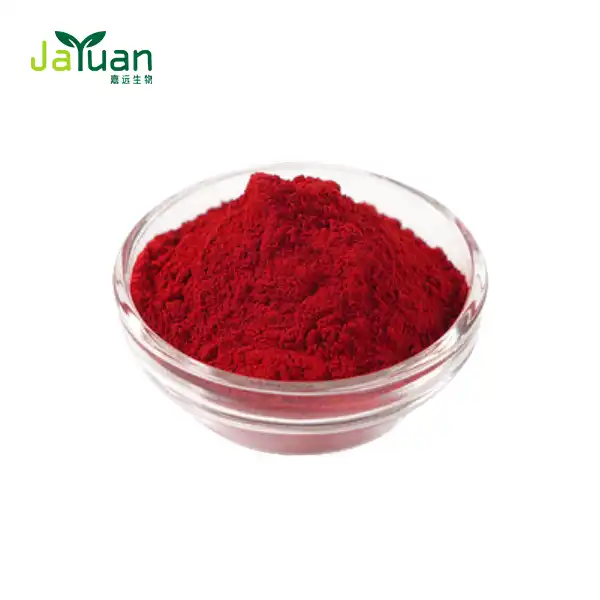
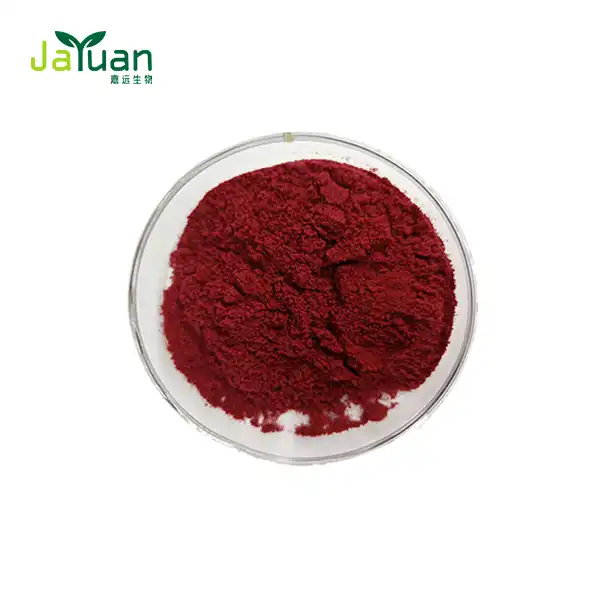
Astaxanthin powder bulk represents a breakthrough in modern skincare formulation, sourced primarily from Haematococcus pluvialis microalgae. This natural antioxidant delivers extraordinary free radical scavenging power, making it indispensable for cosmetic manufacturers developing advanced anti-aging and protective skincare products. When formulated correctly, this deep red pigment transforms ordinary cosmetic lines into high-performance solutions that address oxidative stress, UV exposure, and visible signs of aging at the cellular level.
What Is Astaxanthin Powder Bulk and Its Role in Skincare?
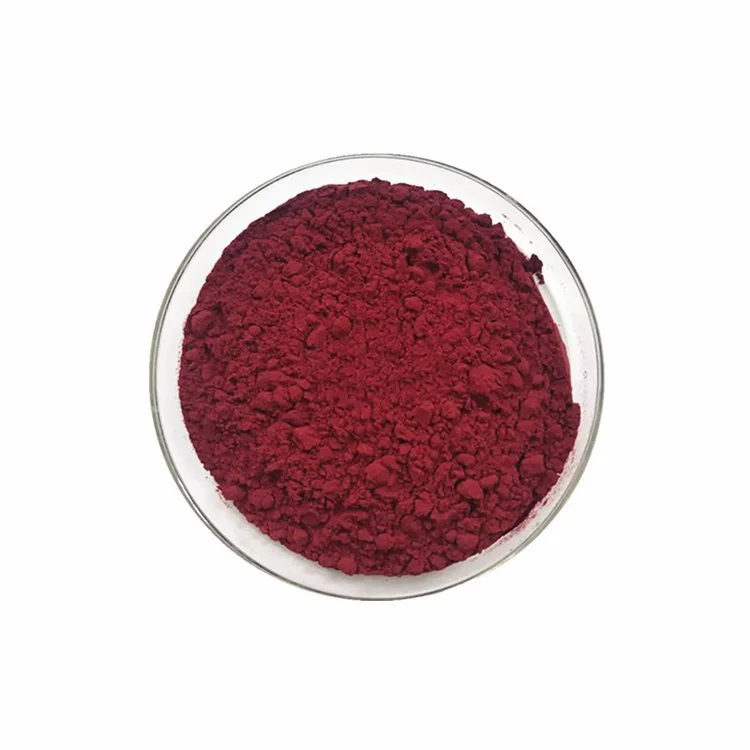
To understand what makes this food special, you must first know where it comes from biologically and how its molecules are put together. When we look closely, we see that the best types of this extract have unique qualities that set them apart from average ones.
Natural Origins and Extraction Process
The most soluble types come from Haematococcus pluvialis algae that are grown in a photobioreactor under controlled settings. This microorganism makes astaxanthin to protect itself from things in its environment that are bad for it. Advanced extraction methods keep the stereoisomer configuration, which makes sure that the final ingredient keeps the (3S,3'S) optical isomer dominance characteristic of natural sources. This is a key difference between real natural extracts and synthetic alternatives that have a 1:2:1 stereoisomer distribution.
Powder vs. Oil: Formulation Advantages
When manufacturers choose astaxanthin powder bulk over oil suspensions or softgel formats, they have a lot more options. The powder form lets you precisely control the dose during preparation. It also works with both water- and oil-based systems thanks to microencapsulation technology, and it stays more stable during high-shear mixing processes. Cold water dispersible variants make it easier to mix them into serums and light lotions without separating them into oily slicks. This solves formulation problems that had previously limited the range of uses.
Molecular Benefits for Skin Health
This carotene has a molecular weight of 596.84 g/mol and the formula C40H52O4. It works well to get through the skin's layers. It has about 6,000 times the antioxidant power of vitamin C and 800 times the antioxidant power of CoQ10. This makes it very good at protecting against reactive oxygen species (ROS) that are made by UV light and environmental chemicals. In turn, this deep activity leads directly to formulations that make skin look and feel better in measurable ways.
Key Benefits and Uses of Astaxanthin Powder Bulk in Skincare Formulations
When cosmetic makers use this ingredient, they can access multiple mechanisms of action that work together to treat a number of skin problems at once. Figuring out these routes helps make design and placing of products better.
Antioxidant Protection Against Premature Aging
In skin tissue, free radicals hurt the DNA, proteins, and cell walls. Astaxanthin has a special molecular structure that lets it cross cell membranes completely, protecting both the lipid and aqueous parts. This all-around defense lowers oxidative damage, which shows up as wrinkles, fine lines, and loss of suppleness. Our tests on filter paper residue shows that high-purity astaxanthin powder bulk from reliable sources has fewer impurities than rival products. This is directly related to better antioxidant performance and the ability to scavenge free radicals in final formulations.
Anti-Inflammatory Properties for Sensitive Skin
This carotene has been seen to change inflammatory pathways, which makes the skin less red and irritated. When mixed with other ingredients to make relaxing serums or after-sun care products, astaxanthin powder bulk helps skin heal from damage caused by the sun. Concentrations between 0.1% and 2% in finished products show that it works without making skin sensitive, so it can be used in formulations for people with sensitive skin.
UV Defense and Photo-Aging Prevention
This ingredient, astaxanthin powder bulk, is not an alternative for regular sunblock, but it does protect cells from the formation of ROS caused by UV light. When mixed with mineral or chemical sunscreens, it improves total photoprotection by dealing with reactive stress that happens even when SPF is used. With this two-in-one method, goods are seen as all-around sun protection rather than just UV blockers.
Collagen Support and Skin Texture Enhancement
According to research, this antioxidant helps fibroblasts work and makes collagen. These qualities help formulas for older skin because long-term use leads to better firmness and texture. Combining astaxanthin powder bulk with peptides or retinol alternatives makes products that work better together and show results faster.
The versatility of this ingredient allows application across multiple product categories. Concentrations of 0.5 to 2% work well for anti-aging night creams, 1-3 % work well for serums, 0.5 to 1.5% work well for day lotions with SPF, and 0.3 to 1% work well for eye treatments. Formulators should know that astaxanthin powder bulk is more stable when it is mixed in during the oil phase of emulsions, kept out of the light while it is being made, and mixed with vitamin E or other buffers to stop oxidation.
Quality and Sourcing: How to Choose the Best Astaxanthin Powder Bulk
Choosing trusted ingredient sources affects how well a product works and how well it follows the rules. Professionals in procurement have to look at more than just basic specifications when judging quality.
Natural vs. Synthetic: Purity and Performance Differences
The bioactivity of natural astaxanthin from Haematococcus pluvialis is higher than that of manufactured forms made from petrochemicals. UV-Vis spectrophotometry can give wrong results because it looks for other carotenoids that are present as impurities. HPLC research is the best way to make sure the results are correct. The (3S,3'S) stereoisomer is the most common form in the natural sources, while racemic mixes with less biological activity are made in manufactured production. This difference doesn't just affect marketing claims; it also changes how finished goods work.
Critical Quality Control Parameters
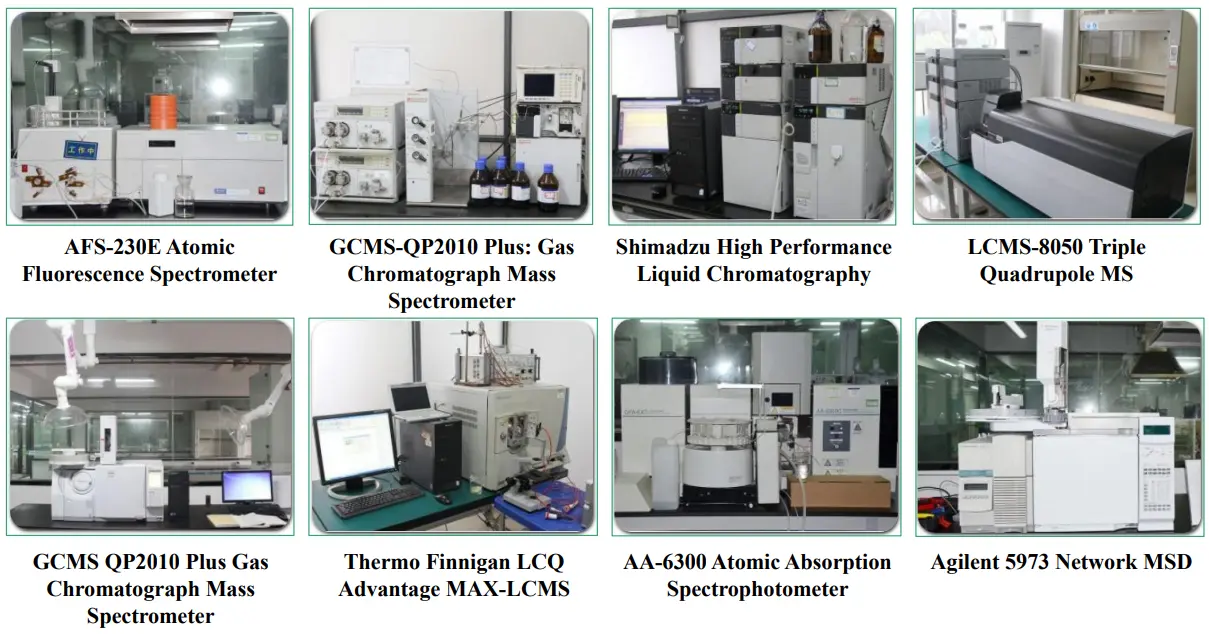
Professional procurement teams look at more than just the amount of astaxanthin in the food. Pheophorbide levels show how well the extract was extracted. This chlorophyll breakdown product can make plants sensitive to light, so tight limits (usually less than 5 ppm) show that the purification process was better. Without irradiation, the microbial load should stay below 1,000 CFU/g, which can be proven with the right paperwork. Heavy metal tests with an ICP-MS is needed to make sure that the amounts of lead, arsenic, cadmium, and mercury meet the requirements of both Prop 65 and the EU Pharmacopoeia. The bulk of our astaxanthin powder bulk always meets all the requirements. Heavy metals, microorganisms, solvent residues, and exogenous nucleic acid residues are all well below the limits set by regulators.
Certification and Documentation Requirements
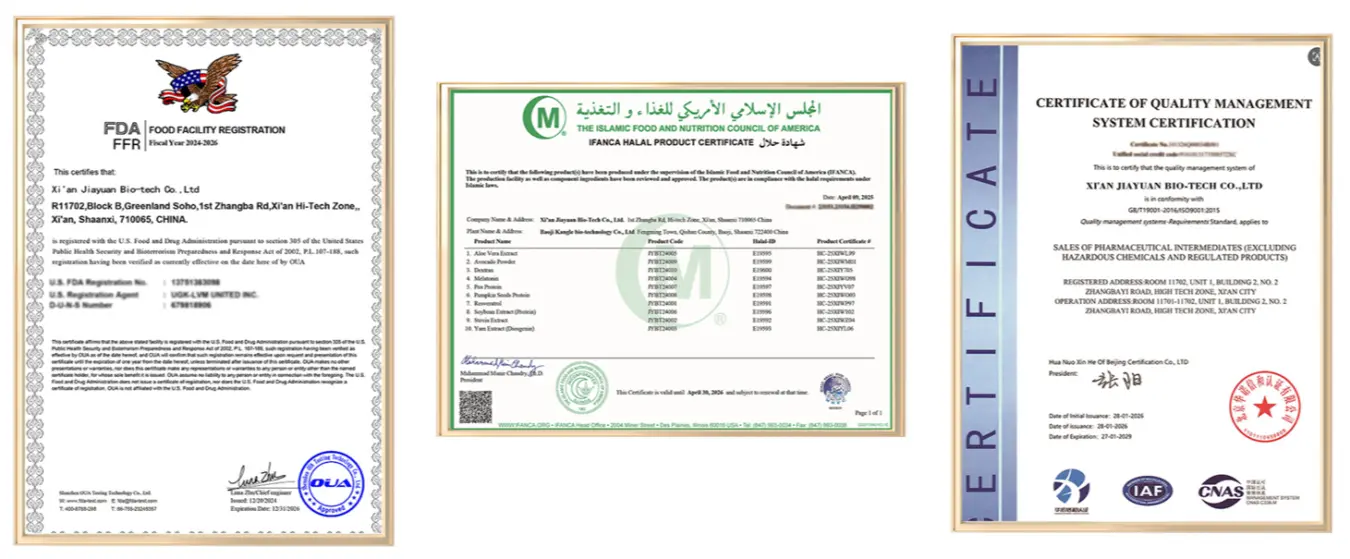
GMP compliance, ISO licenses, organic credentials (if needed), and full Certificates of Analysis (COA) show that the provider of astaxanthin powder bulk is trustworthy. Astaxanthin content and stereoisomer distribution HPLC chromatograms, microbial test results, heavy metal analyses, and stability data should all be included in each batch. We have two production lines that meet GMP standards and are certified by ISO, SGS, and HALAL. This means that our quality systems meet the international standards that cosmetic manufacturers around the world expect.
Supplier Evaluation Criteria
In addition to lab data, you should look at minimum order amounts, pricing structures that reflect how the market really is, the reliability of the supply chain, including backup sourcing options, and the ability to share documents. Suppliers who have dealt with foreign trade in beauty ingredients know how to handle customs procedures without any problems and provide the right paperwork, such as MSDS, technical data sheets, and regulatory status letters for major markets. Professional suppliers are different from commodity traders because they are open and honest about wait times, product availability, and expert support.
Procurement Insights: Sourcing Astaxanthin Powder Bulk for Your Skincare Production
Strategic buying strikes a balance between lowering costs and ensuring quality. This requires a close look at business terms and processes.
Pricing Dynamics and Negotiation Strategies
Astaxanthin powder bulk prices on the market vary a lot depending on the level of purity (1–5% standardization), whether the powder comes from natural or manufactured sources, its approval status, and the size of the order. Natural extracts are more expensive, but they are worth it because they work better and are easier to market. When bargaining, don't just look at FOB prices; total landed cost, including shipping, insurance, customs taxes, and clearance fees, is much more important. Build long-term relationships with makers instead of sellers to cut out markups from middlemen and get first access when supplies are low.
Understanding MOQ and Volume Requirements
Manufacturers usually set minimum order quantities between 1 and 25 kilograms, but this can change based on the type of product and any customization needs. Planning orders to match production schedules cuts down on the cost of holding inventory and makes sure that materials are always fresh. We have flexible MOQ choices that work for both well-known brands that want to increase production and new companies that want to start selling new products. We also offer warehousing services to support just-in-time delivery plans.
International Shipping and Logistics Management
Astaxanthin powder bulk needs to be shielded from light, heat, and moisture while being transported. Proper packing in dark, sealed containers that are flushed with nitrogen makes the food last longer. Air freight is best for pressing needs and smaller amounts. Ocean shipping, on the other hand, is cheaper for larger amounts even though it takes longer to get to U.S. ports (20–35 days on average). Understanding Incoterms makes it clear who is responsible for what. For example, DDP (Delivered Duty Paid) means that suppliers handle all logistics, while FOB (Free On Board) means that buyers handle international shipping and customs clearance.
Quality Assurance and Supplier Audits
Requesting samples of astaxanthin powder bulk before placing production orders lets you test the product's quality, make sure it works well with other products, and get third-party confirmation. Look at the powder's properties—a strong color, uniform particles, and no clumping are all signs of good handling and storage. Samples should be put in light and high temperatures for rapid stability tests, and then their color and potency should be checked again at set times. Suppliers with a good reputation let site checks happen and make production records easy to find. This shows that they have faith in their quality systems. Our safety profile has been confirmed many times through thorough testing methods, showing that it is non-toxic and safe for use in cosmetics.
These ways of buying things for astaxanthin powder bulk keep quality problems from happening that hurt the performance of the end product and the image of the brand. Spending time qualifying suppliers can save you a lot of money on redoing recipes, dealing with government rules, and dealing with unhappy customers in the future.
Case Studies & Success Stories: Astaxanthin Powder Bulk in Global Skincare Markets
Market uses show how top brands use this ingredient to set themselves apart from competitors and make customers happy.
Premium Anti-Aging Lines Achieving Market Differentiation
Japanese and Korean beauty companies were the first to use astaxanthin in high-end skin care lines, marketing their goods as "super antioxidants." These mixtures included astaxanthin powder bulk at ratios of 1% to 2% along with hyaluronic acid, niacinamide, and peptide complexes. This made complete anti-aging systems. The response from customers was amazing, and within 8 to 12 weeks, improvements could be seen in the skin's elasticity and brightness. The success came from both the effectiveness of the ingredients and smart marketing that taught people about how oxidative stress works.
Sun Care Innovation Beyond Traditional SPF
European makers made sunscreens better by adding astaxanthin, which is an organic UV shield. People were worried about the safety of chemical filters, but this approach addressed those concerns while also giving real benefits beyond SPF numbers. Products sold as "antioxidant sunscreens" were seen as high-end and could justify their higher prices by saying they protected in two ways. Technical problems with the mixture were solved by carefully choosing suitable preservative systems and microencapsulation to keep astaxanthin stable while it was mixed with UV filters.
Emerging Market Trends and Consumer Demand
More and more, people in the U.S. want natural ingredients that have been proven to work by science. Clean beauty trends like ingredients that are easy to recognize and come from clear sources, which is a perfect match for natural astaxanthin's profile. Market study shows that educated consumers are becoming more aware of oxidative stress ideas, which makes them more open to complex antioxidant messaging. When brands release products with astaxanthin powder bulk as one of the main ingredients, they see a lot of positive feedback on social media. This is especially true when they back up their claims with clinical data and origin stories that focus on environmentally friendly algae farming.
These real-life uses back up strategic decisions to include astaxanthin powder bulk in plans for the development of skin care products. Brands that quickly get their products on the market with well-formulated, well-supported goods have long-lasting benefits over their competitors.
Conclusion
Astaxanthin powder bulk has become an important ingredient for cosmetic companies that want to make high-performance skin care products that naturally fight oxidative stress, photoaging, and inflammation. Because it is a powerful antioxidant and has been shown to help with a number of skin problems, it is a good choice for brands that want to appeal to quality-conscious customers. To be successful, you need to work with suppliers who have strict quality standards, provide detailed paperwork, and know how to make cosmetics technically. Procurement professionals get ingredients that are both stable in formulations and show results for consumers by carefully checking purity parameters, making sure they come from natural sources using stereoisomer analysis, and making sure they meet international safety standards.
FAQ
1. What concentration of astaxanthin powder bulk should be used in topical skincare formulations?
Doses that work well run from 0.1 to 3%, based on the type of product and where it is placed. Anti-aging serums usually have between 1% and 2%, and day creams have between 0.5 and 1.5%. These concentrations strike a good mix between how well they work, how stable they are, and how much they cost. They provide measured antioxidant effects without color interference or formulation problems.
2. How can procurement teams verify they're receiving authentic natural astaxanthin rather than synthetic alternatives?
Ask for an HPLC study to confirm the stereoisomer distribution; naturally occurring sources mostly show a (3S,3'S) configuration, while manufactured forms have 1:2:1 ratios between the three stereoisomers. Ask the supplier for paperwork that shows how the plants were grown and how the oil was extracted. Testing by a third party, such as an independent lab, adds another layer of security, preventing fake claims of validity.
3. What safety considerations apply to astaxanthin powder bulk in cosmetic applications?
At normal usage levels, this ingredient has great safety profiles and hasn't been linked to any sensitization issues. Good quality control makes sure that there isn't too much pheophorbide (which can cause photosensitivity), that the microbial load is fine, and that heavy metals aren't too high. Products made with approved astaxanthin powder bulk from trustworthy sources go through regular safety checks to make sure they are safe for use on all skin types as leave-on cosmetics.
Partner with Jiayuan Bio-Tech for Premium Astaxanthin Powder Bulk Supply
Finding reliable astaxanthin powder bulk in bulk takes more than just finding suppliers with good prices. You need to work with suppliers who understand formulation science, legal requirements, and global logistics. Jiayuan Bio-Tech focuses on natural plant products and has two GMP-compliant production lines with high-tech testing equipment that checks all the quality factors we've talked about in this guide. Our tests on filter paper residue consistently show that our products are more pure than competing ones. This means that your formulations will have better antioxidant performance. We have tight control over where the raw materials come from and make sure that each batch meets international standards for heavy metals, microbial loads, and liquid leftovers. With ISO, SGS, and HALAL certifications that help you follow the rules in major markets, we make the process of developing and approving your products easier. Our transportation network includes partnerships with FedEx, DHL, and major shipping lines. We offer customs clearance support that sends ingredients directly to your facility, making it easier for makers in North America and Europe to import goods. Our flexible MOQ policies and storage stocking services lower your purchasing costs and inventory risks, no matter how much you need for development or production. You can email our technical team at sales@jayuanbio.com or sales1@jayuanbio.com to ask for samples, talk about your specific recipe needs, or find out how our premium astaxanthin powder bulk seller services can help your skincare product line.
References
1. Ambati, R. R., Phang, S. M., Ravi, S., & Aswathanarayana, R. G. (2014). Astaxanthin: Sources, extraction, stability, biological activities and its commercial applications. Marine Drugs, 12(1), 128-152.
2. Camera, E., Mastrofrancesco, A., Fabbri, C., Daubrawa, F., Picardo, M., Sies, H., & Stahl, W. (2009). Astaxanthin, canthaxanthin and beta-carotene differently affect UVA-induced oxidative damage and expression of oxidative stress-responsive enzymes. Experimental Dermatology, 18(3), 222-231.
3. Davinelli, S., Nielsen, M. E., & Scapagnini, G. (2018). Astaxanthin in skin health, repair, and disease: A comprehensive review. Nutrients, 10(4), 522.
4. Tominaga, K., Hongo, N., Karato, M., & Yamashita, E. (2012). Cosmetic benefits of astaxanthin on humans subjects. Acta Biochimica Polonica, 59(1), 43-47.
5. Yuan, J. P., Peng, J., Yin, K., & Wang, J. H. (2011). Potential health-promoting effects of astaxanthin: A high-value carotenoid mostly from microalgae. Molecular Nutrition & Food Research, 55(1), 150-165.
6. Guerin, M., Huntley, M. E., & Olaizola, M. (2003). Haematococcus astaxanthin: Applications for human health and nutrition. Trends in Biotechnology, 21(5), 210-216.