
Astaxanthin Powder: The Ultimate Guide to Nature’s Most Potent Antioxidant
Astaxanthin Powder is a huge step forward in natural antioxidants. It provides a reliable, standardized answer for a wide range of businesses, from nutraceuticals to cosmetics. This keto-carotenoid pigment is mostly obtained from Haematococcus pluvialis microalgae. It is then extracted using supercritical CO2 and microencapsulated, which makes a solid mixture that is better than raw oleoresin in terms of stability. Pharmaceutics, supplement makers, and beauty formulators looking for an amazing antioxidant must know about this ingredient's makeup, how it's used, and the rules for getting it in order to use it to its fullest potential in product development.
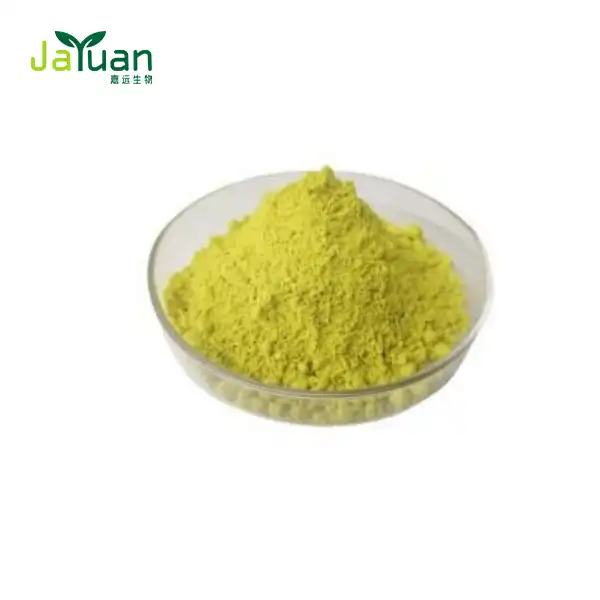
Purity: 1%-10%
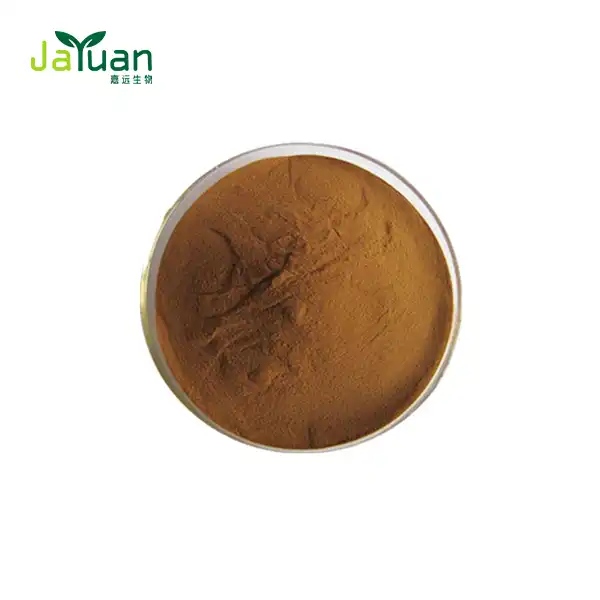
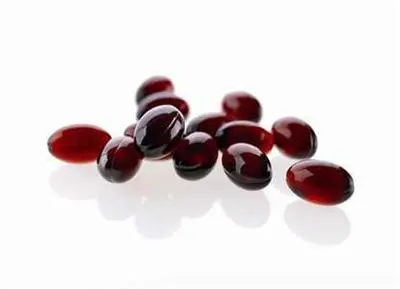
Appearance: Dark red powder
CAS NO.: 472-61-7
Molecular Weight: 596.85
Molecular Formula: C40H52O4
MOQ: 500G-1KG
Inventory: in stock
Our Advantages: Scalable production capacity, strict quality control, cost efficiency from integrated factories, over 20 years of experience, advanced technology, and 24/7 after-sales support.
Certificaions: FSSC2000/ISO2000/HALAL/KOSHER/HACCP
Delivery terms: FedEx, DHL, EMS, UPS, TNT, all kinds of the airline, international shipping companies.
Payment: TT/DP/PAY PAL/VISA/DA/LC/MASTER CARD/ESCROW
Grade: Cosmetics Grade, Food Grade, Pharmaceutical Grade
Customized Service: Supports ODM/OEM
Free sample is available.
We do not sell retail quantities to individuals.
Understanding Astaxanthin Powder: Composition, Benefits, and Safety
The Biochemical Foundation of Natural Astaxanthin
Natural Astaxanthin Powder differs from produced counterparts in chemical structure and biological activity. The normal version, grown carefully from Haematococcus pluvialis, only possesses the (3S, 3'S) stereoisomer, which our cells prefer. Due to its molecular arrangement, the chemical may pass cell membrane bilayers. Its conjugated double bond structure fights free radicals best on hydrophilic and lipophilic surfaces.
Our manufacturing techniques preserve stereochemistry with temperature-controlled extraction. Supercritical CO2 extraction entirely removes solvent by working below breakdown limits. Spray-drying or beadlet technique makes matrix-protected formulations following extraction. Formulations typically have 2%, 2.5%, or 5% active content. Strength and stability are combined to increase shelf life to 24–36 months and inhibit quick oxidation that breaks down pure crystalline forms.
Quality tests at our buildings indicate we follow all regulations. Heavy metals, microorganisms, solvent remnants, and foreign nucleic acid contamination are strictly regulated. Independent tests on filter paper residue confirm that our combination is exceptionally pure, with nearly no particles that may indicate a failed extraction or contamination. High purity directly improves end-product antioxidant activity and free radical elimination.
Health Applications Across Multiple Markets
Product creators in numerous sectors may use Astaxanthin Powder's antioxidant potential. Clinical studies support its claim that it reduces UV-induced oxidative stress and enhances skin health. Cosmetics that slow photoaging benefit from this. Because it crosses blood-brain and blood-retinal barriers, the molecule improves eye and brain health, particularly in elderly adults.
Athletic ability is another key application. Supplements may reduce exercise-induced oxidative stress and aid recovery and endurance. Anti-inflammatory properties enhance these benefits in sports nutrition products.
In cardiovascular fitness, the chemical supports healthy lipid levels and vascular function. These many-sided qualities allow nutraceutical makers to make complete wellness formulas for age, metabolic health, and performance.
Safety Profile and Dosage Considerations
Validating Astaxanthin Powder's safety by repeated studies reveals that it is safe. Regulatory bodies like the EFSA have explicit supplement guidelines. Depending on the purpose and target group, supplements range from 4 to 12 mg daily.
Bioavailability greatly impacts effective dosing. Since it's lipophilic, it must be combined to make it simpler to absorb. Our microencapsulated beadlet technique creates microparticles that distribute better. Cold Water Dispersible (CWD) grades allow these substances to be used in drinks and sachets, where oil-based compounds are difficult.
Formulators calculate inclusion rates from powder batch test percentages. A supplement with 8 mg of active chemical requires 400 mg of 2% powder or 160 mg of 5% content. Knowing these relationships ensures accurate sign claims and well-functioning products.
Comparing Astaxanthin Powder
Quality Indicators That Matter for Procurement
Business-to-business customers should consider many quality factors when choosing Astaxanthin Powder suppliers. HPLC study demonstrates purity-level concentration and stereoisomeric composition. The presence of primarily (3S, 3'S) isomers indicates that the chemical is natural, whereas racemic mixtures indicate that it was lab-made and has less biological activity.
Certification requirements offer purchasers confidence to buy. GMP compliance and organic certifications (USDA, EU) demonstrate regulated production and clean label farming and processing. ISO 22000 certification ensures full food safety management systems, reducing manufacturing contamination.
Asking for third-party samples of bulk astaxanthin before making major orders is useful. Laboratory can examine for pollutants, active substances, and particle size distribution. All of these impact product performance and regulatory compliance. Because we value honesty, we accept this evidence and offer comprehensive Certificates of Analysis and other supporting documentation with every delivery.
Here are the core advantages distinguishing premium Astaxanthin Powder from standard offerings:
- Enhanced Purity Standards: Testing of filter paper waste shows almost no particulate pollution, which means that the extraction process is more efficient and cleaner, which leads to better product stability and customer safety.
- Optimized Microencapsulation: A double-shell protection system based on food-grade starch or gum arabic matrices keeps air, moisture, and changes in temperature away from the carotenoid core while it is being stored and processed.
- Verified Non-Irradiation Processing: Physical extraction and stabilization methods get rid of the need for irradiation treatments. This keeps the natural state of the ingredient and meets customer tastes for clean labels.
- Comprehensive Compliance Documentation: All the necessary regulatory support, such as allergen statements, BSE/TSE declarations, non-GMO proof, and region-specific compliance paperwork, makes it easier for products to be registered in markets around the world.
These quality differentiators directly impact finished product performance, stability during shelf life, and consumer acceptance—factors that justify premium pricing for discerning manufacturers.
Powder Versus Alternative Forms
When you compare Astaxanthin Powder to oil suspensions and gel pills, you can see that it has clear benefits in some situations. Powder formulas are more stable than oil-based ones because they don't have the oxidation risks that come with oil-based forms. Handling properties get a lot better—it doesn't need to be refrigerated, it's easier to measure and mix, and it works with tools used to fill tablets and capsules.
The powder form lets you precisely control the dose, which is important for clinical studies and making sure that supplements are made in a normal way. With CWD technology, beverage uses are possible, which opens up areas that oil-based ingredients couldn't reach before. Cosmetic formulators like that the powder can be used with both water-based and dry systems, which gives them more creative options when making skin care and color makeup.
Astaxanthin Powder has a much higher per-molecule antioxidant potential than other antioxidant powders like turmeric or spirulina. This makes it possible to use lower inclusion rates, which lowers the cost of formulation and limits the effects on taste or color in finished goods.
Procurement Guide: Buying Astaxanthin Powder for B2B Clients
Navigating the Global Supply Landscape
Astaxanthin Powder comes from microalgae-growing and extraction-improved areas. Source evidence is crucial while picking suppliers. Natural production requires plants cultivated in controlled photobioreactors or open ponds with regulated nutrients and light. Good suppliers give monitoring documents from plant growth to powder production.
Manufacturing licenses, inspection records, and well-known client examples should be checked when assessing a supplier. Requesting facility audit reports or on-site inspections adds security to crucial connections. We welcome competent procurement experts to see our quality control laboratories, cultivation systems, and extraction equipment.
Price Analysis and Value Assessment
Astaxanthin Powder wholesale prices vary according on composition, encapsulation process, and approval. Special CWD grades and pricey 5% formulae vary from standard 2% powder ranges. Organic certification costs more due to manufacturing and maintenance.
Volume-based price models reward larger investments. Knowing when prices decrease dramatically per kilogram helps procurement managers balance the quantity of things they need to acquire with space and use. We have explicit tiered pricing that takes into consideration relationship value, with added variables for long-term supply agreements and joint product development.
When comparing pricing, consider the total cost of ownership and unit price. Though more expensive, items with greater purity and stability may reduce garbage and reformulation expenses. Supplier reliability, professional assistance, and regulatory paperwork completeness are key value variables that impact project performance and cost-effectiveness.
Logistics and Quality Verification
Shipping Astaxanthin Powder safely requires special packaging. Aluminum foil bags with air scavengers and vacuum seals prevent spoilage during transportation. Secondary packaging cushions and prevents mild damage. Some powders or climates need temperature-controlled shipment, although sealed powders may typically tolerate regular travel periods.Delivery time depends on shipping type and region. International air freight takes 5–10 work days, but ocean freight might take 8 weeks, depending on the route. We negotiate the best pricing and delivery timeframes for each order with FedEx, DHL, UPS, and other freight forwarders based on urgency and quantity.
Buyers who have never imported anything benefit from customs clearance assistance. Our logistics team provides company invoices, certificates of origin, health certificates, and product specifications suited for the destination country. We assist with customs procedures in important markets like the US and EU to ensure seamless delivery.Buyers should examine items for quality upon receipt. Lab tests verify the active substances, moisture levels, and microbiological variables against the Certificate of Analysis, and visual examination ensures package completion. Setting a baseline for quality data for each lot helps you monitor storage stability and prove the product fulfills requirements.
Application and Usage of Astaxanthin Powder in Industry
Formulation Strategies Across Product Categories
Astaxanthin Powder is mostly used in nutraceutical products, and the most common ways to give it are in softgels, pills, and capsules. Formulators usually aim for daily doses of 4 to 12 mg, choosing powder amounts that let pill sizes that are comfortable. When you mix astaxanthin with other antioxidants, like vitamin E, CoQ10, or lutein, the two work together to make a product that stands out in the market.
The photoprotective and skin-conditioning qualities of the chemical are used in cosmetics. Adding between 0.01% and 0.1% of it to face serums, moisturizers, and sunscreens gives them measured benefits without adding too much color. Depending on the structure of the mixture, the powder shape makes it easier to mix with both oil and water phases. The natural red-orange color is used in color makeup for face tints and lip products that are advertised as antioxidants.
Functional food and drink makers have to deal with special problems that need special powder grades. Protein shakes, sports drinks, and healthy drinks can all have stable dispersions thanks to CWD technology. It's important to control the colors and tastes, and microencapsulation reduces the natural sea notes that could change the flavor profiles. Target inclusion rates make sure that functional dosing and sensory acceptance are both met. In ready-to-drink forms, these rates usually give 2 to 6 mg per dose.
Target Demographic Considerations
A high-value market group is made up of athletes who need help with efficiency and recovery. Astaxanthin's study description fits well with formulas that focus on pre-workout energy, recovery after exercise, or endurance improvement. The marketing messages are mostly about lowering reactive stress during hard training and helping the body adjust.
As people get older, they put more value on apps that help with eye health, brain health, and skin looks. Multi-benefit formulations that handle several age-related issues at the same time make for strong value arguments. More attraction to this group comes from clinical data supporting heart and joint health.
Published study on UV protection and skin hydration factors is used in beauty-from-within goods aimed at skincare fans. Astaxanthin is often mixed with collagen peptides, hyaluronic acid, and vitamins C and E in these formulas to make complete skin nutrition systems.
Industry Innovation and Emerging Applications
Technologies that improve absorption are on the cutting edge of new ideas. Liposomal packaging, nanoemulsion systems, and solid lipid nanoparticles may help make drugs more bioavailable, which could mean lower doses or faster effects. These technologies attract high prices, but they also make it possible to stand out in places with lots of competition.
Genetic or trait testing is used by personalized nutrition apps to find people who might benefit most from taking antioxidant supplements. Because of its adaptability, Astaxanthin Powder can be used in a variety of ways to create products that address the unique needs of consumers that have been discovered through diagnostic testing.
Sustainability factors are becoming more and more important in purchasing decisions. Brands with strong ESG promises like cultivation methods that use less water, energy, and damage to the environment. Our production uses closed-loop systems that reuse growing medium and collect carbon dioxide, which makes our antioxidants more sustainable than other options.
Conclusion
Astaxanthin Powder has become an important part of many products in the medicinal, nutraceutical, beauty, and functional food industries. Its unique antioxidant power, wide range of uses, and strong safety record make it a great choice for new product development and market differentiation. To get the most out of this powerful ingredient, you need to pay close attention to choosing a seller, making sure the quality is good, and making sure the recipe works best. Consumers' hopes for clean labels and changing regulations make sourcing choices more strategic. Brands can be successful in the global market for a long time if they work with providers who have technical know-how, consistent quality, and full support services.
FAQ
1.What distinguishes natural Astaxanthin Powder from synthetic versions?
The natural powder that comes from Haematococcus pluvialis only has the (3S, 3'S) stereoisomer, which has a lot more biological activity. Chemical synthesis based on petroleum creates synthetic forms that are racemic mixes with only about 25% of this active form. Stereoisomer profile done in a lab using chiral HPLC testing is the only way to be sure of the source, with natural sources showing strong (3S, 3'S) dominance.
2.How should Astaxanthin Powder be stored to maintain potency?
For proper keeping, objects that don't let air in or let light in must be kept in cool, dry places below 25°C. By limiting air contact, nitrogen flushing during storage and packing makes food last longer. Quality-encapsulated powder stays effective for 24 to 36 months after it was made as long as it is kept properly.
3.Can Astaxanthin Powder be used in water-based formulations?
Standard powder attracts fat, but Cold Water Dispersible grades use emulsification technology to make nanosphere particles that spread out evenly in water-based systems. These special formulations make it possible to use them in drinks and make it easier to work with water-phase makeup formulas.
Partner with Jiayuan Bio-Tech for Premium Astaxanthin Powder Supply
Pharmaceutical-grade Astaxanthin Powder is sold by Xi'an Jiayuan Bio-Tech, which also offers strict quality control and full expert support. Our state-of-the-art production facilities use microencapsulation and supercritical CO2 extraction methods that keep the bioactivity while making sure the products are very stable. Each batch goes through a lot of tests to make sure it meets the standards for heavy metals, microorganisms, and residues. Filter paper tests show that the purity is the best in the business. We keep our GMP, ISO, SGS, and Halal certifications up to date to meet your legal needs in countries around the world. Our skilled staff helps with formulating the best products, getting them through customs, and arranging direct shipping to their final destination by working with major companies. We offer flexible MOQs, cheap wholesale prices, and OEM services, so you can choose from standard grades or specs that are made just for you. Get in touch with our team at sales@jayuanbio.com or sales1@jayuanbio.com to talk about your needs and get samples from a reliable Astaxanthin Powder maker that wants you to succeed.
References
1. Ambati, R. R., Phang, S. M., Ravi, S., & Aswathanarayana, R. G. (2014). Astaxanthin: Sources, Extraction, Stability, Biological Activities and Its Commercial Applications—A Review. Marine Drugs, 12(1), 128-152.
2. Guerin, M., Huntley, M. E., & Olaizola, M. (2003). Haematococcus astaxanthin: Applications for Human Health and Nutrition. Trends in Biotechnology, 21(5), 210-216.
3. Yuan, J. P., Peng, J., Yin, K., & Wang, J. H. (2011). Potential Health-Promoting Effects of Astaxanthin: A High-Value Carotenoid Mostly from Microalgae. Molecular Nutrition & Food Research, 55(1), 150-165.
4. Capelli, B., Bagchi, D., & Cysewski, G. R. (2013). Synthetic Astaxanthin is Significantly Inferior to Algal-Based Astaxanthin as an Antioxidant and May Not be Suitable as a Human Nutraceutical Supplement. Nutrafoods, 12(4), 145-152.
5. Higuera-Ciapara, I., Felix-Valenzuela, L., & Goycoolea, F. M. (2006). Astaxanthin: A Review of its Chemistry and Applications. Critical Reviews in Food Science and Nutrition, 46(2), 185-196.
6. Fassett, R. G., & Coombes, J. S. (2011). Astaxanthin: A Potential Therapeutic Agent in Cardiovascular Disease. Marine Drugs, 9(3), 447-465.