
Astaxanthin Powder Bulk: The Science Behind Nature’s Most Powerful Antioxidant
Astaxanthin Powder Bulk is a natural substance that works really well as an antioxidant. Pharmaceutical, skin care, food, drink, and vitamin companies could all be affected by it. The microalgae Haematococcus pluvialis are the main source of this deep red color. Because of the way its molecules are structured, it fights free radicals better than many other antioxidants. As makers and formulators look for high-quality ingredients for a wide range of goods, it's important to understand the science behind astaxanthin in bulk, as well as how to buy it and what it can be used for in real life. This will help drive innovation and meet rising market demand.
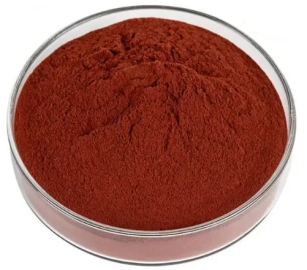
Purity: 1%-10%
Appearance: Dark red powder
CAS NO.: 472-61-7
Molecular Weight: 596.85
Molecular Formula: C40H52O4
MOQ: 500G-1KG
Inventory: in stock
Our Advantages: Scalable production capacity, strict quality control, cost efficiency from integrated factories, over 20 years of experience, advanced technology, and 24/7 after-sales support.
Certificaions: FSSC2000/ISO2000/HALAL/KOSHER/HACCP
Delivery terms: FedEx, DHL, EMS, UPS, TNT, all kinds of the airline, international shipping companies.
Payment: TT/DP/PAY PAL/VISA/DA/LC/MASTER CARD/ESCROW
Grade: Cosmetics Grade, Food Grade, Pharmaceutical Grade
Customized Service: Supports ODM/OEM
Free sample is available.
We do not sell retail quantities to individuals.
Understanding Astaxanthin Powder Bulk: Nature's Potent Antioxidant
What Makes Astaxanthin Unique?
Astaxanthin is a xanthophyll carotenoid. It can pass cell membrane bilayers since it is molecular. Because of its design, it protects cells inside and out from damaging stress. Due to bending double bonds, hydroxyl groups, and keto groups, the molecule eliminates reactive oxygen species well. Astaxanthin, unlike beta-carotene and vitamin E, isn't an antioxidant even in big doses. The material is stable and safe for large-scale application.As several studies have demonstrated, algae-derived astaxanthin is more effective than lab-made. The (3S, 3'S) stereoisomer dominates the natural form. However, man-made forms are a mix of sorts with 25% of this particularly active form. This minor difference affects the efficacy of skin care and immune system boosters.
Natural Sources Versus Synthetic Production
Where Astaxanthin Powder Bulk originates from affects its quality and market position. In open ponds or regulated photobioreactors, Haematococcus pluvialis is farmed for astaxanthin. These methods meet the growing demand for clean-label and organic products from consumers and governments.Factory-made synthetic astaxanthin colors fish food. No human food or cosmetics contains it. Synthetic versions are cheaper but less stereochemically and biologically powerful than natural ones. Astaxanthin powder from certified algae is ideal for making anti-aging skin serums, high-performance dietary supplements, and functional beverages.
Health Benefits Backed by Science
Astaxanthin's antioxidant potential has been tested extensively. Sometimes 6,000 times stronger than vitamin C and 550 times stronger than vitamin E, it removes singlet oxygen. Many bodily areas may benefit from this fantastic work. Research shows that astaxanthin protects skin against UV damage. This promotes skin flexibility and anti-aging. This ingredient is utilized in cardiovascular workout recipes to maintain lipid levels and endothelial function.Helping the defensive system is also crucial. Astaxanthin strengthens cell defenses without inflaming the body by altering the immune system. Eye health goods employ its blood-retinal barrier crossing. This may improve eyesight and reduce screen time anxiety. Astaxanthin Powder Bulk is utilized by health product manufacturers for several purposes due to its many advantages.
Safety Profile and Compliance Considerations
When adding anything to medications, vitamins, or cosmetics, safety is paramount. Safety has been established for microalgae astaxanthin. The government labeled it "Generally Recognized as Safe" (GRAS). Clinical trials have demonstrated that it is well-tolerated and has no serious negative effects after years of daily use.Astaxanthin powder must satisfy rigorous heavy metal, bacterium, liquid residual, and foreign nucleic acid criteria before being considered high-quality. Trustworthy providers provide comprehensive Certificates of Analysis (COA) that demonstrate compliance with USP, EP, and JP pharmacopeias. Manufacturers should check suppliers' GMP facilities. To ensure all batches are the same and guidelines are followed, they should utilize third-party testing.
Comprehensive Guide to Using Astaxanthin Powder in Bulk
Optimal Dosage Guidelines for Different Applications
Astaxanthin dosage varies by application: supplements typically provide 4–12 mg active astaxanthin, while bulk powder contains 2–5% active content, requiring formulation calculations (e.g., 400 mg of 2% powder for 8 mg active). Cosmetics use much lower concentrations (0.005–0.1%), requiring oil-phase or nano-emulsion delivery due to lipophilicity. Beverages use CWD beadlets for dispersion. Absorption improves with dietary fats, and particle size influences bioavailability.
Manufacturing and Formulation Techniques
Astaxanthin Powder Bulk works best when kept steady throughout the procedure. It breaks down when exposed to air, light, or heat due to conjugated double bonds. Try to keep processing temperatures below 40°C. Tocopherols and ascorbyl palmitate provide vitamins that extend food shelf life.Astaxanthin must be protected during storage and digestion. For this, encapsulation is crucial. Starch, gelatin, or alginate shell lipid droplets with active color for microencapsulation. This two-shell structure protects the substance and slows its release in specific digestive tract areas. Pill makers must consider microcapsule-damaging pressures. This usually involves coating tablets or combining them with harmless substances.Astaxanthin may be dissolved in oil or made into nano-emulsions for cosmetics. This equally distributes colors and prevents objects from settling or separating during storage. To determine how objects break down, test their stability under rapid circumstances (40°C, 75% relative humidity). This improves preservation procedures. HPLC studies should follow active ingredient progress for quality control. This ensures that completed items perform what they say on the sign when kept.
Storage Conditions to Preserve Potency
From raw materials to completed product, proper storage is essential. Astaxanthin Powder Bulk should be vacuum-sealed in metal foil pouches to prevent air exposure. Keep things below 15°C, cool, dry, and out of light after receiving. Nitrogen cleansing containers after opening eliminates air before closing. Product functionality is maintained between production runs.Another risk is shipping materials at various temperatures. International shippers may use gel packs to keep products cool or stable. Collaboration with groups that recognize and address these issues is essential. Shipping delays may come from customs.Packaging astaxanthin-containing items needs the same care. Light-sensitive compositions are protected by dark PET bottles with UV blockers, amber glass bottles, or metal blister packs. Packed desiccants minimize product water absorption. This is key for pills and powders. Supply chain protection is maintained if ingredient dealers and product producers can connect.
Bulk Powder Versus Finished Capsules
Cost, formulation flexibility, and manufacturing should be considered while selecting Astaxanthin Powder Bulk or capsule components. Companies may mix bulk powder with CoQ10, curcumin, and omega-3s. This method distinguishes brands and simplifies dose adjustments based on research or market demand.Size boosts cost savings. Technical skills and equipment are needed to make pills. Most units cost more than bulk powder. Companies with packaging lines or partnerships may benefit from buying raw materials directly. 1–25 kg of bulk powder is typical. Small and medium-sized enterprises may readily evaluate the market before purchasing.Each method presents quality control difficulties. Sellers must ensure pills meet your needs. Easy to measure company quality, hard to determine where and how raw materials are handled. HPLC, microbiological, and heavy metal tests are needed to find bulk powder. It reveals everything about the items' quality and origin. Organizations who want to track their supply networks utilize bulk powder despite higher quality control expenditures.
Evaluating Astaxanthin Powder Bulk Suppliers: Ensuring Quality & Reliability
Essential Certifications and Quality Markers
Check their credentials to locate the finest service provider that values quality and compliance. A facility with Good Manufacturing Practice (GMP) clearance has regulated production settings and established processes for handling, processing, packaging, and testing raw materials. ISO 22000 certifies food safety management. Sellers for functional and nutritious food firms need this.USDA, EU, or equivalent organic certifications mean no synthetic chemicals or fertilizers are used in the growing process. This helps companies attract eco-conscious customers. Kosher and Halal approvals make selling products simpler in nations with food laws. HACCP is a systematic technique to discover and manage food safety issues throughout manufacturing.
Astaxanthin Powder Bulk should have a full COA that lists the active ingredient content (HPLC analysis), stereoisomer purity (chiral chromatography), heavy metals screening (lead, cadmium, mercury, and arsenic), microbiological testing (yeast, mold, coliforms, and pathogens), and solvent residue analysis. The facility should also be certified. If they aid with independent lab testing, you may be even more convinced of their facts.
Supply Chain Transparency and Traceability
Knowing the whole process, from algae growth to powder distribution, helps makers recognize the dangers and purchase from clean sources. If they are honest, they will happily tell you where the crops are produced, where the water comes from, what nutrients are utilized, and when they are harvested. Photobioreactors reduce pollutants better than open pond aquaculture. Both may function well if utilized properly.How the product is extracted affects its performance. The optimum method is supercritical CO2 extraction. It requires no organic liquids and operates at lower temperatures. It produces cleaner, more stable extracts. Ethanol or acetone are cheaper solvents for solvent-based extraction, but the residual liquid must be tested for safety. Suppliers should explain how they dispose of items and provide scientific confirmation that liquid residues are safe.Microencapsulation and transport structures should also be considered. Vegan lines may avoid gelatin, while non-GMO and allergen-aware companies use starch carriers. Arabic gum is good for emulsification but scarce, making it hard to procure. Buying teams may better match product demands with brand values and customer preferences when they know these information.
Organic Versus Synthetic: Strategic Considerations
Organic or manufactured? Consider more than simply how well they operate. These include cost, company location, and environmental sustainability. Organic Astaxanthin Powder Bulk usually costs 30%–50% more. This lets companies into the booming clean-label market. Studies demonstrate that consumers usually pay extra for organic items. This might help firms pay for more costly things by increasing revenue.Companies worry more about the environment while buying products to fulfill sustainability claims and shareholder demands. Growing microalgae absorb airborne carbon dioxide, which may assess climate change. Responsible service firms must demonstrate green energy, waste reduction, and water conservation. Business-to-business shoppers concerned about CSR objectives and environmental ratings care about these items.Regulations are also favoring natural materials. Different groups in the US, Europe, and Asia accept natural and man-made pharmaceuticals differently. Most individuals prefer natural astaxanthin, which has less limits on usage and amount. If synthetics restrictions tighten, companies may avoid expensive re-design initiatives by using natural alternatives.
Supplier Capabilities: Customization and Private Labeling
Advanced suppliers provide value-added services in addition to basic elements. Custom formulations allow customers to achieve optimal solubility, color intensity, and flavor coverage. Private labeling initiatives let new companies sell without investing in production. This method saves time and money on marketing.Great firms stand out with technical support. Formulation, regulation, and usage experts can speed up product development and handle scale-up issues. When suppliers discover what customers want instead of merely executing orders, they become strategic partners that help their clients remain ahead of the competition.Open payment arrangements and minimal order quantities aid growth. New enterprises testing market concepts benefit from smaller supplier agreements. However, well-known producers require a consistent supply of products to satisfy frequent large orders. Early payment criteria are worse than net-30 or net-60 for cash flow management. After trust checks, lengthier durations are usually granted.
Practical Procurement Insights for Buying Astaxanthin Powder in Bulk
Pricing Dynamics and Cost Factors
Astaxanthin Powder Bulk prices vary by vendor, order amount, and details. A kilogram of natural powder with 2%–5% active compounds costs $400–$1,200. Organic crops are more expensive. Some test powders, such 10% oleoresin concentrates, cost more per kilogram but contain more active substance per gram.
A chiral HPLC analysis demonstrates that the (3S, 3'S) isomer is more prevalent. This indicates purity affects pricing. Being more than 95% stereochemically pure is worth the additional expense since it works better and meets the natural products label. Place of manufacture might also affect pricing. When seeking for the greatest bargain, customers must consider quality or service losses. Suppliers with reduced manufacturing costs may be more competitive.As your order expands, you save on volume. Buy 25 kilogram pieces instead of 5 kg chunks to save 10–15%. Different pricing methods may save you 20–30% if you purchase more than 100 kilograms each year. Keeping track of stock and getting the best discounts on major buys is easiest with annual supply supplied every three or four months.
Minimum Order Quantities and Negotiation Strategies
Minimum Astaxanthin Powder Bulk sample order is 1 kilogram. The MOQ for major sales might be 5 kilogram to 25 kg, depending on how the vendor operates. Because they mix orders from several clients, wholesalers have a lower MOQ. However, factory-direct sellers may require larger commitments for batch runs.Before trading properly, you must understand how sellers establish prices and their market position. When haggling, mention a long-term partnership, development, and swift payment arrangements. People who aren't fixed on when they need items may receive better discounts. Choosing when to deliver allows vendors combine orders or maximize output.Get specific estimates from numerous eligible firms to compete and improve terms. However, price-based judgments are typically unwise when quality or service issues halt output. Weighted scoring systems that include pricing, quality, certifications, professional advice, and responsibility are fairer approaches to pick a merchant.
Logistics and International Shipping Considerations
When buying goods from another nation, you must consider shipping, customs, and documentation. Air freight is appropriate for urgent or costly commodities with few units since it takes 5 to 10 days from door to door. Ocean freight takes 25–45 days, longer than other options but preferable for scheduled replenishment voyages.Controlled temperature prevents astaxanthin from breaking down in warm regions. Global shipping experts create chilled boxes for maritime shipments. Thermal packaging with gel ice packs was built up for air freight. Travel tracking tools enable you monitor what's happening so you can remedy problems like delays and temperature variations.Destination country determines customs requirements. It might be an import license, health certificate, COA, or documents identifying your items. Longtime sellers who know the large marketplaces guide purchasers through these procedures. Some merchants pass customs and deliver items to the customer under Delivered Duty Paid (DDP) conditions. This simplifies imports for first-timers, but higher DDP costs reflect the risks.
Sample Requests and Quality Verification Protocols
In this industry, samples are typically requested before bulk production to evaluate specifications, formulations, and compatibility. Suppliers may provide 50–100g batch-specific samples with COA at low or no cost to attract clients. Buyers should independently verify quality through HPLC, stereoisomer, microbial, and heavy metal testing. Comparative, criteria-based evaluation helps ensure unbiased selection based on purity, safety, and performance rather than price or relationships.
Building Long-Term Supplier Partnerships
Transactional, order-only relationships limit deeper collaboration, while long-term partnerships enable suppliers to better forecast demand, allocate capacity, and ensure stable supply. Strategic customers benefit from priority access, technical support, and cost advantages. Regular communication, shared forecasts, and feedback improve coordination. Joint participation in training or trade events strengthens trust. Master Supply Agreements (MSAs) define pricing, quality, and dispute resolution, improving stability and enabling strategic collaboration.
Future Trends and Industrial Applications of Bulk Astaxanthin Powder
Emerging Applications Driving Market Growth
Astaxanthin applications are expanding beyond food and cosmetics into sports nutrition, pet care, and functional beverages. It supports muscle recovery, endurance, and oxidative stress reduction, while also benefiting mitochondrial function. It is widely used in pet supplements for joint, coat, and immune health, and in equine nutrition for performance support. In beverages and foods, improved dispersion technologies enable stable incorporation and support clean-label natural coloring alternatives.
Sustainability and Eco-Friendly Production Methods
Sustainability is increasingly important in supplier selection, with emphasis on reducing environmental impact across the supply chain and monitoring Scope 3 emissions. Closed-loop systems and lifecycle assessments support greener production compared to resource-intensive methods. Certifications such as Rainforest Alliance, Fair Trade, and B Corp verify environmental commitment. Suppliers should provide data on water use, emissions, and waste recovery while adopting circular economy practices by repurposing production byproducts to reduce waste and costs.
Technological Advancements in Extraction and Bioavailability
Advances in extraction technology improve purity, efficiency, and environmental performance, with optimized supercritical CO₂ conditions maximizing carotenoid yield while minimizing unwanted compounds. Emerging methods like pulsed electric fields and ultrasound reduce energy use while preserving bioactivity. Bioavailability is enhanced through nano-emulsions, liposomes, and microencapsulation, improving stability and absorption. Synergistic formulations with omega-3s and phospholipids further increase uptake and product value.
Regulatory Landscape Evolution
Regulations for natural products continue to expand as usage grows, including EU Novel Food rules and US GRAS requirements, which increase documentation demands and raise entry barriers for new suppliers while benefiting compliant, experienced ones. Label claims must be supported by structured evidence such as clinical studies. Collaboration improves planning, while CODEX Alimentarius helps harmonize trade standards. Proactive suppliers monitor regulatory changes to help clients anticipate compliance impacts.
Conclusion
Astaxanthin Powder Bulk is an ingredient that has been shown to work in science and is good for business. It can be used in many food, beauty, medicine, and health items. The natural forms of Haematococcus pluvialis are more effective and have higher amounts of stereochemical purity than the ones that are made in a lab. This helps marketing tactics like "clean label" and "premium positioning." Prices aren't the only thing you should consider when choosing a service. You should also look at their professional skills, desire to work with you, and certifications. As worries about the environment grow, astaxanthin's market trajectory remains robust. Manufacturers who establish reliable sourcing relationships and stay informed regarding regulatory and scientific developments position themselves to capitalize on expanding market opportunities in this high-value ingredient category.
FAQ
Q1: What makes your Astaxanthin Powder Bulk different from others?
A: Our product undergoes strict purification and testing, ensuring low heavy metals, zero harmful residues, and higher antioxidant activity confirmed by filter paper residue testing.
Q2: Is your astaxanthin safe for commercial use?
A: Yes. It is repeatedly tested for safety, non-toxicity, and compliance with international food and nutraceutical standards.
Q3: Do you support OEM or custom formulations?
A: Yes, we provide OEM services and customized formulations for different industries including supplements, cosmetics, and functional foods.
Premium Astaxanthin Supply You Can Trust
If you are looking for high-quality Astaxanthin Powder Bulk, Xi'an Jiayuan Bio-Tech is your reliable long-term partner for natural plant extract sourcing. With GMP-certified production lines, ISO/SGS/HALA compliance, and advanced purification technology, we ensure every batch meets strict global standards for heavy metals, microbial safety, solvent residues, and purity consistency. Our astaxanthin demonstrates superior antioxidant performance with verified impurity-free results and enhanced free radical scavenging capability compared to competing products.
Backed by controlled raw material sourcing and a fully integrated production system, we deliver stable quality and scalable supply for nutraceutical, cosmetic, and functional food applications. Our factory-direct pricing structure significantly reduces procurement and logistics costs, while our global shipping network (DHL, FedEx, UPS, EMS, TNT) ensures fast, door-to-door delivery with customs support in Europe, the USA, and beyond.
We also support OEM customization and small-batch orders, making it easier for brands to develop differentiated formulations with confidence. Whether you are scaling production or launching a new product line, Jiayuan Bio-Tech provides the technical and commercial support you need. Contact us today: sales@jayuanbio.com or sales1@jayuanbio.com.
References
1. Guerin, M., Huntley, M. E., & Olaizola, M. (2003). Haematococcus astaxanthin: applications for human health and nutrition. Trends in Biotechnology.
2. Fassett, R. G., & Coombes, J. S. (2011). Astaxanthin: a potential therapeutic agent in cardiovascular disease. Marine Drugs.
3. Ambati, R. R., et al. (2014). Astaxanthin: sources, extraction, stability, biological activities and its commercial applications. Marine Drugs.
4. Nishida, Y., et al. (2007). Astaxanthin protects against oxidative stress. Journal of Clinical Biochemistry and Nutrition.
5. Higuera-Ciapara, I., Félix-Valenzuela, L., & Goycoolea, F. M. (2006). Astaxanthin: a review of its chemistry and applications. Critical Reviews in Food Science and Nutrition.
6. Kobayashi, M., et al. (1997). Carotenogenesis in green alga Haematococcus pluvialis. Archives of Microbiology.