How to Choose Pure Melatonin for Consistent Nighttime Rest
Selecting the right pure melatonin source is critical to ensuring consistent nighttime rest formulations that meet both regulatory standards and consumer expectations. Quality procurement professionals prioritize suppliers offering verified purity levels exceeding 99%, comprehensive Certificates of Analysis demonstrating compliance with USP43 standards, and documented third-party testing from recognized laboratories. This guide examines the essential criteria for choosing pharmaceutical-grade melatonin ingredients that support product efficacy, regulatory approval, and long-term supply chain stability for manufacturers and high-specification supplement brands.

Understanding Pure Melatonin and Its Benefits
What Defines Pure Melatonin
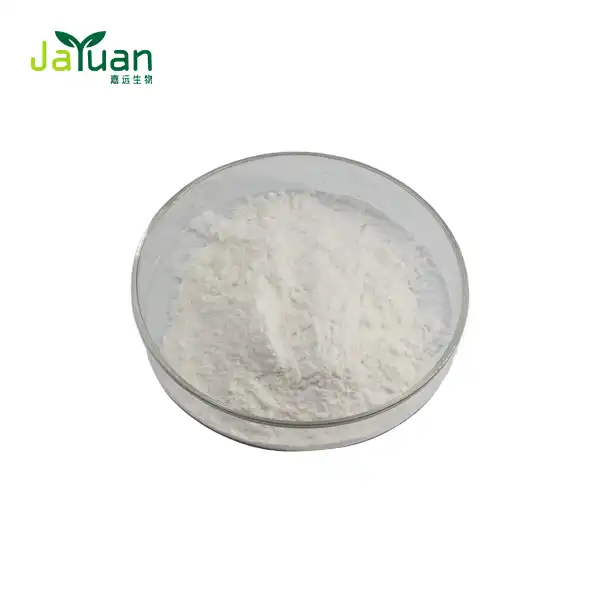
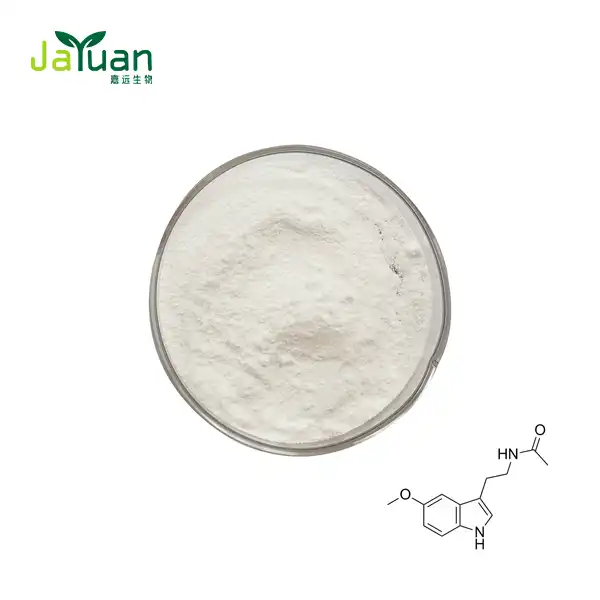
Pure melatonin is the purest form of N-acetyl-5-methoxytryptamine. It looks like a white to off-white solid powder and has clear physical and chemical qualities. The melting point of the combination is always between 116°C and 120°C, which makes it a safe way to check the quality. Modern production mostly uses synthetic organic chemistry that starts with 5-methoxy-3-indolylacetonitrile. This makes sure that the products are consistent from batch to batch and gets rid of the biological contamination risks that come with using glandular extracts from animals.
This way of making things synthetically produces pharmaceutical-grade materials that can be used in USP-level formulations. These materials meet the strict standards of quality and regulatory offices in pharmaceutical companies and premium supplement brands.
Biological Role in Circadian Rhythm Regulation
In reaction to darkness, the pineal gland releases melatonin, which is the body's main internal driver of sleep-wake cycles. According to a study in the Journal of Clinical Sleep Medicine, taking extra melatonin supplements can help keep your circadian rhythms in sync. This is especially helpful for people whose sleep habits are thrown off by shift work or traveling between time zones.
The chemical attaches to MT1 and MT2 receptors in the suprachiasmatic nucleus, which helps people fall asleep and keeps them asleep all nite. According to clinical studies, doses between 0.5 mg and 5 mg can shorten the time between waking up and falling asleep by an average of seven minutes. However, the effects are different for each person and depend on their metabolism and when the drug is taken.
Applications Beyond Sleep Support
In addition to its main job of helping people sleep at nite, pure melatonin may also help with jet lag and improve overall circadian health. Controlled studies show that taking melatonin at the right time—usually 30 to 60 minutes before going to sleep—helps visitors get used to new time zones faster than taking a fake.
Researchers looking into neuroprotective processes have been interested in the compound's antioxidant qualities, which come from its ability to neutralize free radicals. However, these uses are still secondary to sleep support in consumer goods.
Key Criteria for Selecting High-Quality Pure Melatonin
Purity Verification and Analytical Documentation
Teams in charge of buying things should expect detailed analysis records that prove the levels of purity. High-Performance Liquid Chromatography is still the best way to measure how much melatonin is in a substance, and pharmaceutical-grade standards need clarity of at least 99.5%. All related synthetic impurities, especially 5-Methoxytryptamine, should be listed on the Certificate of Analysis. Each impurity should be limited to ≤0.1%.
Independent confirmation of supplier claims comes from third-party testing by recognized labs like SGS or Eurofins. We suggest looking at at least three straight batch COAs to see how consistent they are. You should check not only the purity but also the physical properties, such as Loss on Drying (≤0.5%), Residue on Ignition (≤0.1%), and specific rotation values.
ICP-MS study of heavy metals must show that the total amounts of lead, arsenic, cadmium, and mercury stay below 10 parts per million. According to USP Chapter 467, residual solvent testing makes sure that processing solvents like ethanol, methanol, and others don't go over certain limits. This keeps formulation problems and regulatory problems from happening.
Product Form Considerations
The delivery format has a big effect on the flexibility of the formulation and the performance of the final product:
- Powder Form: Standard mesh powder can be used for encapsulation and tablet compression, and it is cheap to make in large quantities. Micronized versions (D90 < 10 microns) improve dissolution rates, which is important for sublingual tablets that need to be absorbed quickly through the mucosa. The bigger surface area speeds up the onset times, which meets the needs of customers who want quick-acting sleep support.
- Solubility Problems: Pure melatonin doesn't dissolve well in water (<0.1 mg/mL), so formulations need to be carefully thought out. Suppliers should give scientific advice on which cosolvents—ethanol, propylene glycol, or polyethylene glycol—will work best with watery mixtures. When you try to dissolve something directly in water, it precipitates, which makes the product less stable and less bioavailable.
- Stability Requirements: Because melatonin is photosensitive and absorbs water, it needs to be packed in protective materials. Pharmaceutical-grade materials come in light- and vacuum-sealed cases that are often flushed with nitrogen to keep them from going bad while they're being stored. When stored under controlled conditions for three to five years, these steps keep the medicine's effectiveness.
Regulatory Compliance Verification
Non-negotiable parts of compliance are:
GMP approval shows that factories follow Good Manufacturing Practices, which lowers the risk of pollution and makes sure that the process works. Getting ISO 13485 approval means that your quality management system is ready for goods that will be sold in highly regulated markets.
Suppliers who want to work with pharmaceutical companies must show proof that they follow USP/EP guidelines. The European Pharmacopeia and the United States Pharmacopeia both have monographs that list accepted ranges for all important quality characteristics. These ranges are used as standards for regulatory submissions.
When buying things from other countries, TSE/BSE-free certifications show that there are no risks of transmissible spongiform encephalopathy, and Kosher and Halal certifications make it easier for people from different cultures to buy things.
Comparing Pure Melatonin Products and Manufacturing Capabilities
Production Technology Assessment
Premium providers are different from commodity makers because they use advanced manufacturing. At Jiayuan Bio-Tech, we use virtual moving bed chromatography to clean things. This lets us keep making things while keeping the quality above 98%. This is very different from traditional batch chromatography, which has problems with yield variability and using more solvent.
During production, our Distributed Control System carefully controls pH, temperature, and solvent ratios, which are all very important. This technology cuts down on mistakes made by people, making sure that each batch is the same, which is what quality teams need when they are checking out new ingredient sources. Near-infrared spectroscopy lets you check the concentration of an extract in real time, so you can make changes to the process right away before any problems affect the quality of the end product.
The solvent recovery equipment has multi-effect evaporators and condenser units that get more than 90% of the ethanol and methanol back. Compared to facilities that don't have recovery systems, this engineering cuts the cost of consumables by about 40%. We pass these cost savings on to our procurement partners through competitive pricing that doesn't sacrifice quality.
Cost Structure and Value Proposition
Our competitive situation is based on a number of things. Our location near the Qinling Mountains puts us close to sources of raw materials, which cuts down on transportation costs and makes sure that our supply chain can handle changes in the market. The vertically integrated method, which includes contracts with specialized farmers for farming, reduces price changes that mess up budgets for buying things.
Our 10-ton yearly production capacity gives us economies of scale that make set costs much lower. Unit costs are 40–60% lower than in small-scale operations. This makes bulk price attractive for supplement and drug companies that need a steady supply of big volumes.
Comprehensive use of raw materials goes beyond extracting melatonin; high-value flavonoids are also recovered from source materials. This unified approach to bioactive compounds lowers overall production costs, which helps keep prices low for customers who need specifics or orders that include a mix of products.
Quality Assurance Framework
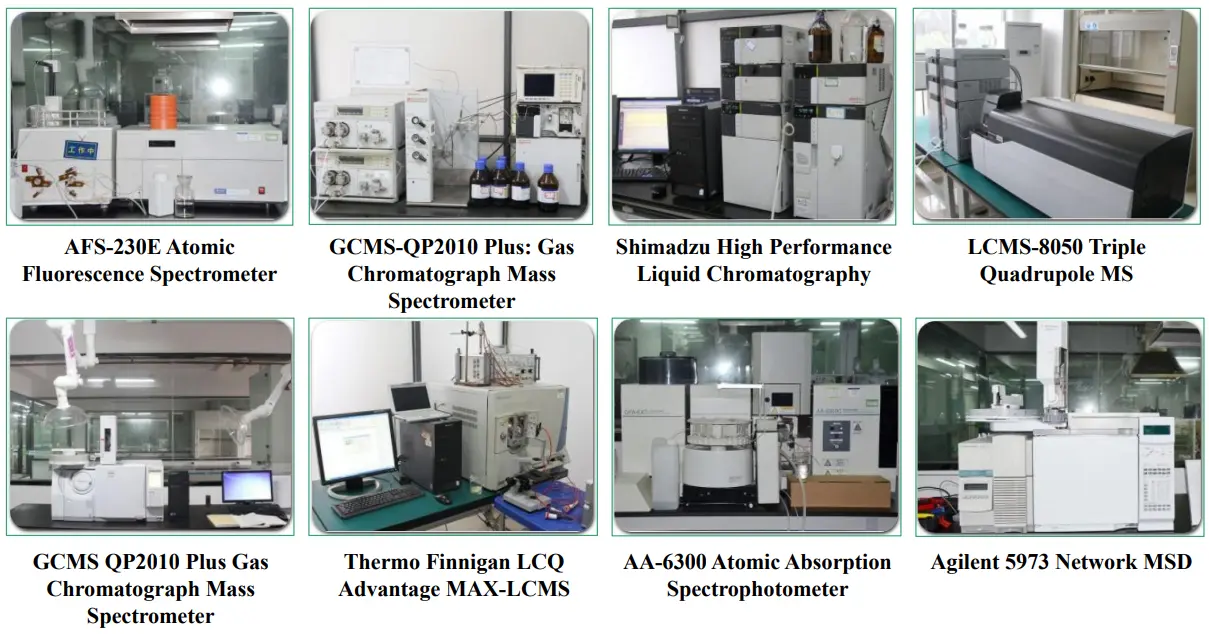
During production, two quality control methods make sure that the purity of the product is maintained. Near-infrared spectroscopy is used for online testing to keep an eye on real-time process parameters. HPLC and GC-MS are used for offline analysis to check final specs against pharmacopeia standards. This method of double checking removes the chance that customers will receive specifications that don't work.
Controlling the moisture level to ≤0.5% stops hydrolytic degradation that weakens the stability. Nitrogen-filled packaging that is sealed makes food last longer than three years, which makes it easier for distributors who handle multiple product lines to turn over their stock. This longer-term steadiness is especially helpful for OEM clients who are making a portfolio of products with different start dates.
We keep our ISO, SGS, and Halal certifications up to date so that we can meet the needs of customers in Europe, North America, and areas where religious food restrictions apply. Our quality paperwork packages help with regulatory filings, which speeds up the approval process for customers who are launching new formulations.
Practical Buying Guide: How to Procure Pure Melatonin for B2B Needs
Specification Alignment
For procurement to work well, the requirements must be clearly defined and match the intended uses. Pharmaceutical companies that make USP-level products need purity levels of at least 99.5%, but beauty companies that make skin products can get by with levels as low as 95%. We can produce a wide range of products that meet the needs of both medicine and beauty users. We also offer small-batch customization for projects that are developing new derivatives.
Packaging needs depend on how much a customer is making. People who buy in bulk like 25 kg fiber drums with double polyethylene covers because they reduce the amount of packaging trash and make handling easier. Smaller amounts (250g to 1 kg) packed in containers that are safe for laboratories and have lids that can be closed again are useful for research institutions doing formulation trials.
Specifications for particle size affect how well downstream processing works. Standard mesh powder works well with capsule filling machines, and micronized versions are better for direct compression tableting or oral formulas that need to dissolve better.
Supplier Evaluation Methodology
A thorough evaluation of a supplier looks at more than just price. Before committing to bulk purchases, testing samples sets a standard for quality. We suggest that you look at three examples from three different production batches to make sure that the purity, physical qualities, and microbiological factors are all the same.
Logistics skills have a direct effect on the dependability of the supply line. Because we work with FedEx, DHL, EMS, UPS, and TNT, we can guaranty fast service in over 100 countries. We help with clearing customs in both Europe and the US, which makes the import process easier for people who have never bought ingredients from other countries before.
Assessing production ability keeps supplies from being interrupted when demand goes up. Our GMP-certified production lines can handle orders from 100 kg to several tons, and they can be scaled up or down quickly to accommodate seasonal changes or successful product launches that need more volume.
When documentation is full, it shows that the person is skilled and aware of the rules. In addition to standard COAs, we offer Safety Data Sheets, GMP statements, allergen declarations, and certificates that the product is free of BSE and TSE. This paperwork package helps customers file regulatory documents without having to make extra requests that slow down project timelines.
Contract Terms and Relationship Development
Strategic buying puts more value on long-term ties than short-term deals. We make sure that contracts have clear quality requirements, due dates, and ways to settle disagreements. Protocols for quality assurance include storing retention samples of pure melatonin so that problems with quality can be looked into later if they arise during customer production.
When setting prices, negotiators weigh immediate cost concerns against the overall value delivered. As you stick with us, our bulk discount systems repay you with better and better prices. Customers who make volume promises that last for 12 months can get prices that won't change. This protects them from changes in the market and helps them plan their budgets more accurately.
When managing international supply chains, communication protocols are very important. Our team offers expert support in English and can help with formulation questions, worries about stability, and the need for regulatory paperwork. This responsiveness cuts down on the time it takes to develop a product, which speeds up product launches and raises the return on investment in innovation.
Case Studies and Best Practices in Pure Melatonin Procurement
European Distributor Success Story
A well-known supplement company in Europe was looking for pharmaceutical-grade melatonin for a high-end sleep aid line aimed at health-conscious customers willing to pay more for guarantyd quality. The hard part of the procurement process was finding a source that could provide USP-compliant materials and full paperwork to support EU Novel Food Regulation compliance.
The wholesaler looked at five possible sources and chose one that had consistent purity across twelve straight batch COAs, third-party proof from Eurofins, and experience helping with EU regulatory applications. The chosen partner did consultations before the submission and pointed out gaps in the documentation that could cause approval to be delayed.
This careful screening of suppliers avoided expensive delays and let the company enter the market six months before rivals who bought from manufacturers with less experience. The distributor saw 40% growth from one year to the next. They said that the success was due to clear documentation and the credibility of the supplier.
OEM Brand Launch Optimization
Flexible MOQs helped an OEM sleep-supplement brand test multiple formulations without excessive inventory. A 100 kg minimum enabled comparison of standard and micronized melatonin, leading to 3 mg sublingual tablets as the preferred product. As sales grew, supply scaled to 2 tons quarterly, supporting growth without costly supplier changes or regulatory resubmissions.
Regulatory Navigation Support
Regulatory support can simplify ingredient qualification by providing compliant templates and mapping specifications to FDA Dietary Supplement requirements. Collaboration with regulatory consultants can accelerate approvals and reduce time-to-market. Effective procurement therefore extends beyond price and purity, with regulatory expertise, technical support, and flexible terms delivering faster launches, lower development costs, and stronger market positioning.
Conclusion
To choose pharmaceutical-grade pure melatonin, you need to carefully check the purity, make sure the supplier follows the rules, and see how well they can make the product. Professionals in procurement need to put quality assurance, third-party testing, and a lot of analytical data that supports product consistency at the top of their list of priorities. The choice affects not only how well the formulation works, but also how long it takes for regulatory approval and how stable the supply chain is in the long term. Quality teams find ingredient sources that meet both current standards and future growth needs by working with producers that have advanced purification technology, GMP certification, and flexible production capacity. In sleep health markets that are becoming more competitive, a thorough evaluation of suppliers that includes testing samples and checking references lowers the risks that come with switching suppliers and saves the brand's image.
FAQ
1.Can pure melatonin be used safely for long-term supplementation?
According to research, taking melatonin supplements in normal amounts (0.5 mg to 5 mg) is safe enough to use for a long time. Twelve-month clinical studies show that when given correctly, there are no major side effects. Professionals in procurement should be aware that the marking of finished products must include instructions on how to use them correctly. For longer use than a few months, these instructions usually suggest talking to a healthcare expert.
2.What distinguishes pure melatonin powder from gummy formulations?
Pure melatonin powder is the active ingredient that needs to be mixed with other ingredients to make transport systems that are ready for consumers. Powder gives manufacturers the most options when they're making tablets, capsules, sublingual forms, or liquid preparations. Gummy formulas are finished goods that have melatonin in them along with tastes, sweeteners, and gelling agents. Buying powder is good for companies that control the end formula, while gummy items are good for wholesalers who want complete solutions.
3.How can buyers authenticate pure melatonin quality before bulk purchasing?
Ask accredited laboratories for samples that come with batch-specific COAs. Use a third-party facility like SGS or Eurofins to do independent testing. Use HPLC to check for purity, ICP-MS to check for heavy metals, and microbiological parameters to check for other issues. Check the results against the USP/EP monograph requirements. Site audits or certification body registries are good ways to check GMP certification. Check three COAs from three different batches to see if the purity and physical properties are all the same. This shows that the manufacturing process was controlled well.
Contact Jiayuan Bio-Tech for Pharmaceutical-Grade Melatonin Supply
Jiayuan Bio-Tech specializes in giving pharmaceutical companies, high-end supplement brands, and research institutions that need USP-compliant products with high-purity melatonin powder. Our cutting-edge purification technology always achieves levels of purity higher than 99.5%. This is backed up by detailed analytical paperwork and third-party verification that meet the strictest legal standards.
Our GMP-certified factories are located near China's Qinling Mountains and use cutting-edge production systems like simulated moving bed chromatography and automated process controls to make the most of their location. This infrastructure makes sure that each batch is the same, that prices are fair, and that orders can be made in any amount, from 100 kg to several tons. We help with customs clearance for European and North American markets and have created logistics partnerships to support foreign purchasing.
Our full paperwork packages, which include COAs that reference USP43 standards, GMP statements, allergen declarations, and BSE/TSE-free certificates, are appreciated by quality departments because they make regulatory submissions and supplier approval processes easier. Our expert team helps with formulation, figuring out problems with solubility and making sure that stability is optimized for different delivery forms.
Get in touch with our buyers at sales@jayuanbio.com and sales1@jayuanbio.com to talk about your needs for pure melatonin. We have competitive bulk prices, customized specifications, and original equipment manufacturer (OEM) processing services that are made for pharmaceutical and nutraceutical uses. You can see all of our products and read about our quality standards on our website, jayuanbio.com. Work with a reputable pure melatonin supplier that wants to help you develop your product and make it a success in the market.
References
1. Auld F, Maschauer EL, Morrison I, Skene DJ, Riha RL. Evidence for the efficacy of melatonin in the treatment of primary adult sleep disorders. Sleep Medicine Reviews, 2017;34:10-22.
2. Buscemi N, Vandermeer B, Hooton N, Pandya R, Tjosvold L, Hartling L, Baker G, Klassen TP, Vohra S. The efficacy and safety of exogenous melatonin for primary sleep disorders: a meta-analysis. Journal of General Internal Medicine, 2005;20(12):1151-1158.
3. Ferracioli-Oda E, Qawasmi A, Bloch MH. Meta-analysis: melatonin for the treatment of primary sleep disorders. PLoS One, 2013;8(5):e63773.
4. Pandi-Perumal SR, Srinivasan V, Maestroni GJ, Cardinali DP, Poeggeler B, Hardeland R. Melatonin: Nature's most versatile biological signal? FEBS Journal, 2006;273(13):2813-2838.
5. Tordjman S, Chokron S, Delorme R, Charrier A, Bellissant E, Jaafari N, Fougerou C. Melatonin: Pharmacology, Functions and Therapeutic Benefits. Current Neuropharmacology, 2017;15(3):434-443.
6. Zhdanova IV, Wurtman RJ, Regan MM, Taylor JA, Shi JP, Leclair OU. Melatonin treatment for age-related insomnia. Journal of Clinical Endocrinology and Metabolism, 2001;86(10):4727-4730.