
Astaxanthin Powder for Athletes: Performance Boost Guide
More athletes are looking for a competitive advantage and turning to natural substances that help with recovery and endurance. Astaxanthin Powder is a strong carotenoid antioxidant generated from the microalgae, Haematococcus pluvialis.Astaxanthin has made its way into sports nutrition. It combats exercise-induced oxidative damage, aiding muscle repair and function. Natural astaxanthin has higher bioavailability than synthetic alternatives, making it a favoured option for research institutes, pharmaceutical businesses and nutraceutical producers focusing on athletic performance.
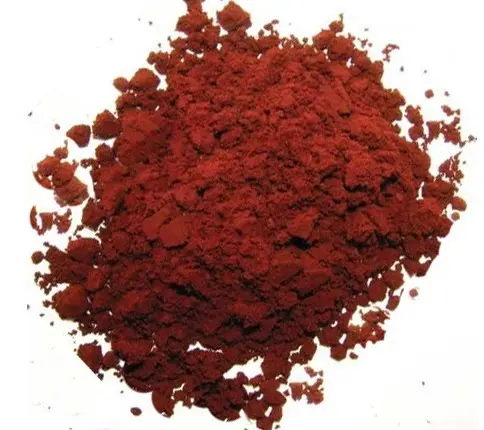
Purity: 1%-10%
Appearance: Dark red powder
CAS NO.: 472-61-7
Molecular Weight: 596.85
Molecular Formula: C40H52O4
MOQ: 500G-1KG
Inventory: in stock
Our Advantages: Scalable production capacity, strict quality control, cost efficiency from integrated factories, over 20 years of experience, advanced technology, and 24/7 after-sales support.
Certificaions: FSSC2000/ISO2000/HALAL/KOSHER/HACCP
Delivery terms: FedEx, DHL, EMS, UPS, TNT, all kinds of the airline, international shipping companies.
Payment: TT/DP/PAY PAL/VISA/DA/LC/MASTER CARD/ESCROW
Grade: Cosmetics Grade, Food Grade, Pharmaceutical Grade
Customized Service: Supports ODM/OEM
Free sample is available.
We do not sell retail quantities to individuals.
Understanding Astaxanthin Powder and Its Role in Athletic Performance
Astaxanthin is a member of the xanthophyll group of carotenoids. Its chemical nature enables it to pass across complete cell membranes, which means it can protect cells more broadly than many other antioxidants. Free radicals are produced in the body during hard exercise, which promote muscle exhaustion and tissue damage. Natural astaxanthin works to neutralise these reactive oxygen species to help promote the body’s natural healing processes.
The Antioxidant Mechanism Supporting Athletic Recovery
High-intensity exercise induces substantial oxidative stress in muscle tissue that leads to reduced performance and prolonged recovery times. Research has shown that natural astaxanthin is a far more powerful antioxidant than either vitamin C or beta-carotene. Its ability to scavenge free radicals makes it a beneficial ingredient in formulations of sports supplements. The protective benefits of astaxanthin have been persistent throughout the dosage range studied in clinical research, with no pro-oxidant danger seen with high dosages of certain other substances.
Some manufacturers like Jiayuan Bio-Tech use Supercritical CO2 extraction for producing astaxanthin that is a solvent free technique that keeps the purity of the ingredient intact. This approach maintains heavy metals, microbiological contaminants and solvent residues far below international compliance limits and meets the pharmaceutical-grade requirements needed for B2B sports nutrition sourcing.
Benefits Beyond Basic Antioxidant Protection
Athletes face challenges beyond oxidative stress. Astaxanthin powder offers several properties that make it well-suited for sports nutrition applications:
1. Endurance Enhancement: Research suggests astaxanthin supports aerobic capacity by improving mitochondrial function in muscle tissue. Endurance athletes have reported performance improvements after sustained supplementation periods.
2. Inflammation Management: While post-exercise inflammation is a normal part of recovery, excessive inflammation can disrupt training schedules. Astaxanthin modulates inflammatory pathways, potentially accelerating recovery between training sessions.
3. Immunological System Support: Intense training might result in temporary immunological depression putting players at risk at vital times of competition. Studies show that regular dosage may help keep immunological marker levels in normal range throughout hard training cycles.”
4. UV Protection for Outdoor Athletes Outdoor athletes spend a lot of time in the sun. Astaxanthin’s photoprotective characteristics work in concert with topical sunscreens, to the specific advantage of endurance cyclists, runners and triathletes.
The powder form provides practical benefits to supplement makers. Properly microencapsulated powder has longer shelf life and more flexibility in formulation than oil-based treatments. Porous starch or gelatin matrices protect the active chemical from environmental degradation, but allow dispersion in water-based and fat-based formulations.
Dosage, Usage Guidelines, and Safety Considerations for Athletes
Proper inclusion rates should be balanced between effectiveness and formulation restrictions. For sports performance 4 to 12 mg of pure astaxanthin is used daily in clinical research. In rare cases, higher dosages are used in acute loading procedures before big tournaments.
Recommended Dosing Protocols for Sports Applications
Astaxanthin, taken 30 to 60 minutes before training, is often included in pre-workout formulas at 4-6 mg per dose. This timing agrees with the time when the oxidative stress starts to accumulate in muscle tissue. Recovery solutions used after workouts employ comparable quantities, taking use of the compound’s anti-inflammatory qualities during the repair process.
Commercial Astaxanthin Powder is generally microencapsulated and comprises 2 to 5 percent of the active ingredient by weight. Formulators have to calculate the inclusion rates properly; a 2% powder needs 200-600 mg per dosage to give effective levels, whereas a 5% concentration reduces the needed amount proportionately. A good assessment of the dose is important for the cost of the formulation and the price to the bulk customers.
Synergistic Combinations with Complementary Ingredients
Combining astaxanthin with other performance-enhancing ingredients can amplify overall formulation effectiveness. Beta-carotene, despite its structural similarity, protects cells through different mechanisms that complement astaxanthin’s action. Vitamin E works synergistically with astaxanthin—vitamin E can help regenerate oxidized astaxanthin molecules, extending their useful lifetime in biological systems. Astaxanthin naturally complements Coenzyme Q10 in that both promote mitochondrial functioning, which is necessary for continuous energy generation.
Recovery mixes often include astaxanthin in combination with branched-chain amino acids (BCAAs). These amino acids work on protein synthesis pathways that antioxidants cannot directly affect. This multi-modal strategy addresses several facets of physical healing concurrently, making solutions more competitive in a crowded market.
Comparing Astaxanthin Powder Options for Procurement and Supply Choices
Sports nutrition manufacturers must carefully evaluate ingredient formats to optimize production efficiency and product performance. Powder products differ from other delivery systems in several key ways.
Powder Versus Capsule and Oil Formats
Bulk ingredients format greatly influences manufacturing procedures. Pre-encapsulation constrains formulative flexibility, requiring producers to choose either for single ingredient or expensive capsule-within-a-capsule endeavours. Oil solutions are problematic in solid-dose applications because of stability issues—they might move inside the formulations, destroying tablets and lowering the shelf life.
Powder forms overcome these concerns allowing accurate dosage in unique mix formulas. Powder is readily integrated into direct compression tablets, two-piece capsule filling, stick pack packaging and effervescent systems. This flexibility promotes product diversification from energy bars to ready-to-mix beverage powders, aiding firms to break into new market niches.
Cost analysis has extra benefits. High-potency powder could be more expensive per kilogram, but the real cost per dosage is typically less when you consider the cost of packing, the need to stabilise excipients for oil forms, and the decreased shipping weight. Bulk customers often get better economics with powder than with pre-finished capsules, by negotiating direct purchase arrangements.
Natural Origin Versus Synthetic Production Methods
Source authentication is a critical quality factor affecting market positioning. Natural astaxanthin derived from Haematococcus pluvialis contains exclusively the (3S, 3’S) stereoisomer—the form demonstrating the highest cellular activity in human metabolism. Synthetic alternatives produced through petrochemical processes contain racemic mixtures, with only approximately 25% matching the natural isomer profile.
This stereochemical difference translates to measurable efficacy variations. Comparative studies have showed that material generated from algae provides better improvements in biomarkers and stronger antioxidant activity compared to manufactured versions. The rising consumer desire for plant-based, sustainably-sourced products is driving businesses in the premium segment to focus more on natural sourcing.
The usage of synthetic ingredients is further complicated by regulatory restraints. Many regulatory bodies authorise synthetic astaxanthin exclusively for aquaculture feed uses, but do not approve for use in human dietary supplements. Synthetic manufacture cannot be certified organic, which is an increasingly crucial consideration for health-conscious customers. This legislation makes natural powder the sole choice for firms who want to market themselves as clean-label and organic.
Selecting Trusted Astaxanthin Powder Suppliers and Brands
B2B relationships in sports nutrition demand more than competitive pricing and reliable delivery. Lasting partnerships require verifiable quality systems, transparent communication, and technical expertise that supports product development.
Essential Certification and Testing Requirements
The quality of astaxanthin powder suppliers is subjected to rigorous standards of pharmaceutical businesses and high-end supplement brands. GMP certification is a minimum standard that guarantees that firms have sufficient controls for manufacturing processes, calibration of equipment, training of workers and documentation systems.
Third party testing adds another layer of verification. Certificates of Analysis from the manufacturer are vital, but independent auditing by laboratories removes any conflict of interest. Buyers are demanding more and more that each batch be tested for microbiological contamination, heavy metals, chemical residues and verification of compound authenticity by HPLC.
The examination of stereoisomer distribution is considered the gold standard for verification of natural provenance, as manufactured materials do not show the distinctive racemic patterns typical of algal extracts . Other tests also look for the presence of pheophorbide, a breakdown product of chlorophyll that may trigger photosensitivity responses. Suppliers with consistently low amounts of pheophorbide are indicative of good purification techniques that effectively remove undesirable co-extracted chemicals.
Sourcing Transparency and Supply Chain Integrity
Understanding the full supply chain—from algae cultivation to finished powder—enables informed risk assessment. Leading suppliers operate vertically integrated facilities or maintain carefully vetted partner networks enabling full traceability. Cultivation conditions, harvest timing, The extraction procedures and the post-processing processes affect the quality profile of the final product.
Organic certification is quality monitoring at all steps of the manufacturing chain. During algae cultivation industrial pesticides, herbicides and synthetic fertilisers are not allowed to be used. The non-GMO certification ensures that the strains of algae have not been genetically modified, appealing to customers who are wary of genetic modification and prefer conventional breeding techniques. These certifications are particularly important in European and North American markets, where clean-label tendencies are influencing purchase choices.
Climate controlled storage and correct packing avoid deterioration in transport. Astaxanthin is susceptible to light, heat and oxygen and needs protection throughout the supply chain. The vacuum sealed aluminium foil packing with oxygen scavengers keeps the product stable for overseas transportation. Temperature-controlled logistics is the quality promise that differentiates professional suppliers from commodity providers.
Application Scenarios and Case Studies of Astaxanthin Powder for Athletes
Real-world applications demonstrate an ingredient’s practical value. Sports nutrition brands have successfully incorporated astaxanthin into diverse product lines, each targeting specific athlete needs.
Endurance Sports Supplementation Strategies
Long training and competition bring marathon runners, bikers, and triathletes under a continuous oxidative stress. Performance nutrition manufacturers have devised pre-race loading methods that offer high doses of astaxanthin 48 to 72 hours before key events. These short-term supplementation regimens attempt to saturate tissue antioxidant reserves to get maximal cellular protection during peak periods of physical exercise.
In multi-week stage competitions, professional cycling teams add astaxanthin powder into their daily recuperation protocols. Repeated high-intensity activities create tiredness that causes oxidative damage that normal recovery nutrients may not entirely repair. Team nutritionists have seen improvements in recovery indicators and the ability to maintain power output over the length of the race when compared to baseline data of performance in supplemented athletes.
Astaxanthin’s photoprotective qualities are a boon to open-water swimmers and outdoor endurance athletes. Training programs with a lot of sun exposure increase both UV and exercise-induced oxidative stress. Products containing astaxanthin and other photo-protective chemicals address both problems at once and provide total protection during outdoor training blocks.
Strength and Power Sport Applications
While much of the research on oxidative stress has centred on aerobic exercise, we know that resistance training releases a significant amount of free radicals during intense muscle contractions. Post-workout regimens and protein supplements of bodybuilders and power athletes who want to boost training volume have included astaxanthin.
The anti-inflammatory properties are notably useful during hypertrophy geared training phases, when muscle damage is inherent. If there’s too much inflammation it might disrupt the recover-adapt cycle, and you can’t train as frequently or as hard. Supplementing with astaxanthin may provide the ability to control inflammatory responses while retaining the signalling needed for muscle growth.
CrossFit athletes and functional fitness enthusiasts are busy people, balancing strength, speed, and metabolic conditioning all at once. Such a multi-modal stress results in complex healing demands that need comprehensive nutritional assistance. Several sports nutrition companies in this space have developed all-in-one recovery products that mix astaxanthin with amino acids, carbohydrates and electrolytes.
Conclusion
Astaxanthin Powder provides sports nutrition makers with a science-backed ingredient to boost athletic performance and recovery. It has great antioxidant properties, which are shown by clinical studies and practical use, and is a great complement to products for different groups of athletes. Quality assessment is not only about measuring basic purity, it is also about checking the stereoisomers, evaluating the technique of processing, and authenticating the source completely. Natural astaxanthin is a crucial ingredient for competitive product portfolios for B2B buyers focused on performance effectiveness, safety and formulation flexibility. Ongoing research and an increasing number of application scenarios point to further development prospects for progressive brands that work with certified suppliers dedicated to excellence across the supply chain.
FAQ
1. What is the recommended daily dosage for athletic performance applications?
Clinical studies investigating athletic performance typically use 4 to 12 mg of pure astaxanthin daily. When formulating with commercial powder containing 2 to 5 percent active compound, formulators calculate inclusion rates to deliver the target active amount per serving. Maintenance supplementation generally remains at the lower end of this range, while professionals may temporarily use higher doses during loading protocols before major events.
2. How does natural Astaxanthin Powder compare to synthetic alternatives in effectiveness?
Natural astaxanthin from microalgae contains exclusively the (3S, 3’S) stereoisomer, the most biologically active form. Synthetic versions contain racemic mixtures, with only about 25% sharing this optimal configuration. Comparative research demonstrates that natural material achieves superior antioxidant activity and biomarker improvements, making it the preferred choice for human nutrition applications targeting performance enhancement.
3. Can astaxanthin be safely combined with other sports supplements?
Astaxanthin is compatible with standard sports nutrition ingredients including protein, amino acids, creatine, and common vitamins. Combining it with complementary antioxidants like vitamin E or coenzyme Q10 may yield synergistic benefits. No major adverse interactions have been reported in clinical literature. However, formulators should conduct stability testing when developing multi-ingredient products to ensure long-term compatibility.
Partner with Jiayuan Bio-Tech for Premium Astaxanthin Powder Supply
Sports nutrition companies seeking a reliable astaxanthin powder supplier will find a trusted partner in Jiayuan Bio-Tech. Our GMP-certified production facilities maintain rigorous quality controls ensuring every batch meets pharmaceutical-grade requirements. Comprehensive testing—including heavy metal analysis, microbial verification, and solvent residue screening—confirms compliance with international standards. Our Supercritical CO2 extraction process preserves astaxanthin’s natural integrity while achieving purity levels that exceed industry benchmarks.
We understand the complexities B2B buyers face in the sports nutrition market. Our logistics support includes customs clearance assistance for major markets including the US and Europe, ensuring timely delivery to your facility. Factory-direct pricing eliminates intermediary markups, and our warehouse stocking program reduces your procurement and shipping costs.
Our technical expertise extends beyond manufacturing to include formulation support. Our experienced team assists with stability testing, dosage optimization, and custom formulation development aligned with your brand positioning. Whether you need standard bulk powder or specialized OEM processing services, we offer flexible solutions to support your product development. Contact our sales team at sales@jayuanbio.com or sales1@jayuanbio.com to discuss your requirements and request samples that demonstrate Jiayuan Bio-Tech’s quality advantage in the astaxanthin powder market.
References
1. Brendan J. Capelli and Gerald R. Cysewski, "Natural Astaxanthin: King of the Carotenoids," Cyanotech Corporation Scientific Monograph, 2013.
2. Rudi Fusieger Neto et al., "Effects of Astaxanthin Supplementation on Exercise-Induced Muscle Damage and Oxidative Stress Markers: Systematic Review and Meta-Analysis," Sports Medicine Open, Vol 7, Article 89, 2021.
3. Juliana Michishita Nakamura et al., "Astaxanthin Supplementation Improves Muscle Endurance and Recovery in Young Athletes," Journal of Clinical Biochemistry and Nutrition, Volume 63, Issue 1, 2018.
4. Karen Hecht et al., "Astaxanthin Bioavailability and Safety: Clinical Studies Review," Marine Drugs, Volume 18, Issue 11, 2020.
5. Yoshitaka Kuroiwa et al., "Anti-inflammatory Effects of Astaxanthin in Exercise-Induced Oxidative Stress," Medicine and Science in Sports and Exercise, Volume 48, Issue 5, 2016.
6. Anitra C. Carr and Margreet C.M. Vissers, "The Role of Natural Antioxidants in Sports Performance and Recovery," Nutrition Research Reviews, Volume 31, Issue 2, 2018.