
Astaxanthin Powder for Brain Health: What Studies Say
Astaxanthin Powder is extracted from the microalgae Haematococcus pluvialis and is one of the few antioxidants that can pass the blood-brain barrier. Once it reaches the central nervous system, it neutralises free radicals directly at the neuronal membrane, as opposed to water-soluble antioxidants such as vitamin C. Several randomised, placebo-controlled experiments have shown that daily supplementation leads to demonstrable benefits in processing speed, working memory, and sustained attention. Its chemical structure – conjugated double bonds and hydroxyl groups crossing the lipid bilayer – allows it to protect both the hydrophilic and hydrophobic sections of cell membranes at the same time. This dual-mode neuroprotection is a science-based differentiator for B2B formulators and procurement teams looking to manufacture brain health supplements.
Purity: 1%-10%
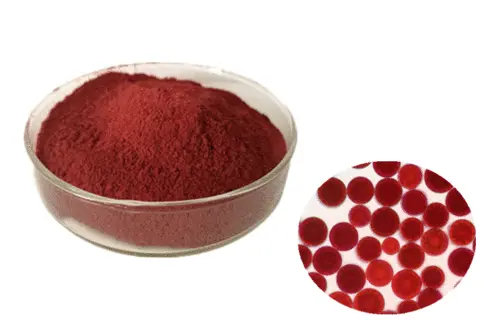
Appearance: Dark red powder
CAS NO.: 472-61-7
Molecular Weight: 596.85
Molecular Formula: C40H52O4
MOQ: 500G-1KG
Inventory: in stock
Our Advantages: Scalable production capacity, strict quality control, cost efficiency from integrated factories, over 20 years of experience, advanced technology, and 24/7 after-sales support.
Certificaions: FSSC2000/ISO2000/HALAL/KOSHER/HACCP
Delivery terms: FedEx, DHL, EMS, UPS, TNT, all kinds of the airline, international shipping companies.
Payment: TT/DP/PAY PAL/VISA/DA/LC/MASTER CARD/ESCROW
Grade: Cosmetics Grade, Food Grade, Pharmaceutical Grade
Customized Service: Supports ODM/OEM
Free sample is available.
We do not sell retail quantities to individuals.
Understanding Astaxanthin Powder and Its Role in Brain Health
The Molecular Foundation of Neuroprotection
Astaxanthin is a member of the carotenoid family, although its chemical structure differs from that of beta-carotene, lutein and zeaxanthin. The polar rings of the molecule at either end contain hydroxyl and keto groups, while the polyene chain in the middle anchors in the nonpolar core of the phospholipid bilayer. This orientation in the membrane enables a single molecule of astaxanthin to remove reactive oxygen species (ROS) that are present in both the aqueous cytoplasm and the lipid interior of the membrane, an advantage that traditional antioxidants lack.
Oxidative stress has a major role in age-related cognitive deterioration. Even while brain tissue makes up just 2 percent of body weight, it uses up around 20 percent of the oxygen supply of the body. This high metabolic rate produces a steady flux of free radicals and when endogenous defences are overwhelmed, lipid peroxidation and protein oxidation exacerbate brain damage. Independent in vitro experiments have shown that Astaxanthin Powder is roughly 10x more effective than beta-carotene and 100x stronger than vitamin E in the fight against lipid peroxidation, which is crucial for neuroprotective formulation techniques.
Anti-Inflammatory and Mitochondrial Support
Almost every neurodegenerative disease is associated with chronic low-grade neuroinflammation, which impairs synaptic signalling . Studies show that natural Astaxanthin Powder suppresses microglial cell production of pro-inflammatory cytokines such as TNF-α and IL-1β via the regulation of NF-κB and MAPK signalling pathways. Astaxanthin helps to ameliorate this inflammatory cascade, so helping to maintain the integrity of neural communication pathways – a benefit that gets more and more significant with increasing age.
Mitochondria, the energy powerhouses of neurons, are especially vulnerable to oxidative damage due to their role in ATP production via the electron transport chain. Astaxanthin Powder accumulates in mitochondrial membranes, where it protects cardiolipin — a phospholipid unique to the inner mitochondrial membrane — from peroxidation. Maintaining mitochondrial membrane integrity directly supports the high energy demands of brain tissue, which contains more mitochondria per cell than most other tissue types. This dual anti-inflammatory and mitochondrial-protective mechanism positions astaxanthin as a compelling ingredient for multi-target brain health formulations.
Scientific Evidence on Astaxanthin Powder for Brain Health
Clinical Research on Cognitive Performance
Astaxanthin Powder has been examined in many human studies for cognitive outcomes with similar dose regimens of 4–12 mg per day during 8–16 week intervention periods (Katagiri et al., 2012; Satoh et al., 2009). In a randomised, double-blind, placebo-controlled trial published in the Journal of Clinical Biochemistry and Nutrition, the effects of daily intake of astaxanthin-rich extract of Haematococcus pluvialis for 12 weeks were evaluated in healthy older individuals. The therapy group showed substantial gains from baseline and placebo controls in psychomotor speed, processing accuracy and working memory.
Another study on middle-aged volunteers found that astaxanthin intake was associated with better resilience to mental fatigue and increased multitasking ability. The biomarker tests demonstrated decreases in serum reactive oxygen metabolites and increases in cerebral blood flow, physiological alterations consistent with the cognitive gains. The agreement between separate study teams adds to the scientific foundation for astaxanthin as a cognitive wellness element.
These findings are mechanistically supported by pre-clinical models. Animal studies have shown that Astaxanthin Powder treatment decreased amyloid-beta deposition – protein clumps linked with Alzheimer’s illness – and enhanced hippocampus neurogenesis, the production of new neurones in brain areas crucial for memory (Yook et al., 2016; Zhang et al., 2014). These results imply a preventative rather than a therapeutic effect, which is consistent with the placement of astaxanthin in long-term solutions for cognitive maintenance.
Comparative Analysis with Alternative Neuroprotective Ingredients
“When procurement teams are looking at neuroprotective ingredients, three criteria matter most: bioavailability at the target tissue, safety profile and quality of clinical evidence. Astaxanthin Powder is lipophilic, allowing passive diffusion across the lipid membranes of the blood-brain barrier . It is able to penetrate brain tissue better than water-soluble antioxidants such as vitamin C . Natural astaxanthin from Haematococcus pluvialis is mostly found as the (3S,3'S) stereoisomer which has the maximum biological activity in cellular experiments compared to manufactured antioxidants.
Krill oil, while delivering both omega-3 fatty acids and astaxanthin, contains only 0.1–0.5 mg of astaxanthin per gram — far below the concentration achievable with standardized powders at 2-5% pure. This difference in concentration has important consequences for formulation flexibility and costs per dosage. Synthetic astaxanthin, which is obtained from petrochemical precursors, is a racemate, with only 25% of the physiologically active (3S,3'S) isomer. Regulatory authorities in the United States and European Union have increasingly differentiated between natural and synthetic sources of carotenoids for human nutrition purposes, with natural sources preferred.
The integrity of the finished product is affected by the extraction approach. Supercritical CO 2 extraction is performed at a temperature that maintains carotenoid structure without residual solvent, a significant benefit for pharmaceutical grade applications. The traditional solvent-based approaches employing ethanol or acetone are more cost-effective, but they need extra purification processes to ensure regulatory compliance. The extraction process used influences not only the quality of the product but also the possibility of certification and access to the market.
Choosing the Right Astaxanthin Powder: Quality and Procurement Insights
Natural Versus Synthetic Sources and Certification Standards
Astaxanthin Powder quality procurement is based on source distinction. In clinical trials, the (3S,3'S) stereoisomer profile of natural astaxanthin from Haematococcus pluvialis microalgae has been verified. Cultivation is performed in either open raceway ponds or closed photobioreactors. The harvest time is optimised to maximise astaxanthin accumulation. This is often during the encystment phase when the algae transform from green vegetative cells into red cysts holding up to 5 % astaxanthin of dry weight. To be certified as organic, a farm must follow rules that do not allow the use of synthetic pesticides or genetically engineered (GMO) organisms throughout the growing process.
Synthetic astaxanthin made from petrochemical feedstocks via chemical synthesis is a racemic combination, unlike natural sources, and is not suited for premium human nutrition uses. Synthetic variants are still economically efficient for colouring in aquaculture, but their stereoisomer profile and bioactivity are poorer and not suitable for mental health formulations targeting discriminating customers. In North America and Europe, regulations are becoming more stringent on the need to indicate the difference between natural and synthetic sources of carotenoids.
Complete Certificate of Analysis (CoA) for each batch produced. High performance liquid chromatography (HPLC) confirms the concentration uniformity for microencapsulated powders 2-5% and for oleoresin forms 10-20% is common.Testing protocols should confirm that heavy metals, microbial counts, residual solvents, and foreign nucleic acids remain within limits established by USP, EP, and Codex Alimentarius standards. Third-party laboratory verification adds an independent layer of quality assurance that strengthens regulatory submissions.
Extraction Methods and Quality Impact
The choice of extraction process for Astaxanthin Powder manufacture has a direct impact on the preservation of bioactivity, purity and regulatory compliance route. This is generally considered the gold standard for supercritical CO_2 extraction: it involves very moderate temperatures that do not destroy the heat-sensitive carotenoid structure, and CO_2 evaporates as a gas after extraction leaving no solvent behind. In all cases, when comparing supercritical CO2 extracts to those obtained with conventional solvents, the activity as antioxidants was superior, and the impurity profiles were lower.
Conventional solvent extraction – usually with ethanol or acetone – takes place at elevated temperatures and downstream purification is required to eliminate residual solvents to regulatory standards. This approach is cheaper on a large scale but has the disadvantage that some of the active chemical may be degraded. Procurement specs should include criteria for permissible extraction techniques and maximum residual solvent limits to help verify that supplier capabilities are consistent with formulation needs.
The stability of Astaxanthin Powder is further enhanced using microencapsulation technology, which encloses the extracted oleoresin inside a protective matrix, often starch, gelatin or gum arabic. This barrier prevents the active chemical from oxidation during storage and processing and enhances flowability for capsule filling and tablet compression. Optimum handling properties are obtained with particle sizes of 40–100 mesh and bulk densities of 0.40–0.65 g/mL.
Safe Usage and Dosage Guidelines for Astaxanthin Powder in Brain Health
Evidence-Based Dosage Recommendations
In clinical studies, doses of 4–12 mg/day of pure astaxanthin powder have been given for 8–16 weeks before any cognitive gains could be measured (Katagiri et al., 2012; Nakagawa et al., 2011). For formulators who are using conventional 2–5% concentration powders, this daily serving would need 200–600 mg of powder to provide the 4–12 mg active dosage. Higher concentration formulations of oleoresin (10-20%) may be used at a correspondingly lower inclusion rate for flexibility in complicated formulations containing many ingredients.
Absorption kinetics is relevant for formulation design. Astaxanthin is lipophilic and intestinal absorption requires co-consumption of dietary fat and bile acid driven micelle production. The plasma concentration curves are always better with formulations including lecithin, medium-chain triglycerides or other lipid carriers than with formulations without lipid components. Microencapsulated and time-release delivery systems may extend the compound's residence time in circulation, supporting once-daily dosing convenience without requiring loading phases or escalating initial doses. Peak plasma concentrations are typically achieved after approximately four weeks of consistent daily supplementation.
Long-term safety data support continuous daily use for over 12 months in healthy populations, with no requirement for cycling or washout periods. This safety profile — combined with a straightforward once-daily dosing regimen — simplifies product development and consumer compliance strategies.
Safety Profile and Contraindications
Natural Astaxanthin Powder has a well-documented safety record. Many long-term investigations have shown no significant side effects with doses up to 100 mg/day (eight times the usual therapeutic dosage). The most prevalent adverse effect is reversible, reddish discolouration of the skin due to carotenoid deposition in dermal tissues that disappears on cessation. No clinically relevant medication interactions are known. Given the immunomodulatory effects of astaxanthin, care should be used while using it concomitantly with other immunosuppressive treatment.
Pregnant and breastfeeding women should contact healthcare practitioners before supplementing since safety studies specifically in these groups are sparse . Algal astaxanthin (from Haematococcus pluvialis) is typically well tolerated by those allergic to seafood as it does not include the allergenic proteins associated with crustacean sources.
Astaxanthin brain health products are driven by two important demographic groups: athletes looking to support exercise-induced oxidative stress and cognitive exhaustion, and individuals over 65 years of age looking for age-related memory preservation. Clinical research on age-related cognitive changes has shown safety and effectiveness on older populations and provides producers with evidence to make targeted marketing claims for the senior nutrition niche.
Integrating Astaxanthin Powder into B2B Portfolios: Strategic Advantages
Market Trends Driving Cognitive Health Supplement Demand
The worldwide market for brain health supplements continues to develop at a fast pace, driven by ageing demographics and increasing consumer awareness of preventative cognitive care. Analysts predict the market will expand at a compound annual growth rate of over 8% until 2030, with cognitive health as one of the fastest-growing sub-categories of the nutraceutical industry. This development path opens new possibilities across the supply chain, from raw material suppliers and contract manufacturers to finished-product brands.
The natural Astaxanthin Powder is benefiting directly from the consumer change in preference for organically derived and professionally tested components. Peer-reviewed proof for neuroprotection helps enable supplement companies to charge premium prices and establish unique market positions. This science-backed positioning resonates particularly well in markets where label claims are subject to increasing regulatory scrutiny.
Astaxanthin Powder is quite versatile in formulations. It is suitable for use as a stand-alone cognitive health capsule, a synergistic component in multi-nootropic mixes with substances such as phosphatidylserine and Bacopa monnieri, or in functional foods and drinks as a cold-water-dispersible (CWD) powder. Microencapsulation permits stable incorporation in aqueous environments without separation or oxidation. This versatility enables companies to access a range of consumer categories, from students and professionals seeking help for mental performance to older folks focusing on long-term cognitive maintenance, all on one ingredient platform.
Strategic integration benefits across stakeholder categories:
1. Pharmaceutical Companies: Natural Astaxanthin Powder, with its established safety profile and consistent batch-to-batch analytical documentation, meets the purity standards required for clinical investigations. Researchers exploring multi-target approaches to age-related cognitive changes benefit from astaxanthin's dual action on oxidative stress and neuroinflammation. Standardized material with full analytical data packages streamlines Investigational New Drug (IND) and regulatory submission processes.
2. Nutraceutical Supplement Brands: Formulating with an ingredient backed by published clinical trials creates a defensible competitive advantage. Natural astaxanthin commands higher per-unit margins than commodity vitamins, and the clinical evidence supports credible label claims. Synergistic combinations — particularly with omega-3 fatty acids, phosphatidylserine, or botanical nootropics — can amplify the neuroprotective profile and create differentiated product identities.
3. Food and Beverage Manufacturers: Astaxanthin's natural red pigmentation adds visual appeal to functional beverages, protein bars, and fortified snacks while contributing to the product's nutritional value. Cold-water-dispersible powder formats enable homogeneous incorporation into water-based systems without separation. Microencapsulation extends shelf stability, making astaxanthin viable for packaged goods with extended distribution timelines.
Cost-Benefit Analysis and ROI Considerations
Natural Astaxanthin Powder Price is $800 – $2,500 / Kilogram based on concentration grade, certification level and order amount. A 2% powder formulation needs a daily intake of 200–600 mg to get 4–12 mg active astaxanthin per serving. This equates to 6-18 g of 2% powder for a 30-day supply. Raw material expenses per unit are $5-$45. Premium brain health supplements often sell for $30-60/month therefore the per unit ingredient cost allows for substantial profit margins.
Buying in bulk drastically cuts the per kg cost. Annual supply agreements lock in pricing and allocation, insulating procurement budgets from seasonal fluctuations in algae cultivation cycles. Strategic inventory management — balancing bulk purchase savings against warehousing costs — optimizes total procurement expenditure. Many suppliers offer warehouse stocking programs that enable purchasers to lock in big order prices while obtaining production-synchronized deliveries.
Natural astaxanthin’s ROI argument goes beyond raw material economics. Clinically verified ingredients allow for higher retail price points and increased customer loyalty, which compound profit benefits over the product lifespan. Commodity ingredients cannot provide the brand equity that premium raw material quality brings.
Building Reliable Supplier Partnerships
Competitive brain health supplement supply chain agreements stress quality, transparency, and cooperation. Purchasers should assess Astaxanthin Powder providers' technical support, regulatory competence, and customs preparedness. Product roadmap-savvy vendors outperform purchase order providers.
Operation determines dependability, not certificates. Timely technical support, documentation delivery, proactive supply chain communication, and quality production growth are key indications. Supplier capacity restrictions become market hurdles when your company grows quickly and requires flexible suppliers.
Supplier audits and live virtual tours demonstrate manufacturing and quality control. Requesting case studies and references from similar businesses shows a supplier's reliability and problem-solving. Marketing materials don't.
Procurement verification, not dispute resolution, should involve independent testing. To assure supplier quality and minimise specification variation, external labs evaluate concentration accuracy, contaminant levels, and stability. Budget cost verification enhances quality management consistency.
Conclusion
The science behind using Astaxanthin Powder for brain health is growing, backed by molecular studies, preclinical studies and human clinical trials coming together. Natural astaxanthin from Haematococcus pluvialis provides neuroprotection via a unique combination of high antioxidant action, regulation of inflammation and maintenance of mitochondrial membranes. This multi-functional ingredient provides a scientifically validated platform for the creation of brain health products across a range of delivery modalities and consumer categories for the procurement professionals and formulators. Success depends on three pillars: rigorous source qualification emphasizing extraction method and stereoisomer profile, comprehensive analytical documentation for regulatory compliance, and partnerships with suppliers combining pharmaceutical-grade quality with responsive technical support.
FAQ
1. What concentration of Astaxanthin Powder is most suitable for brain health supplements?
Clinical studies demonstrate efficacy at 4–12 mg of pure astaxanthin per day. For most supplement formulations, microencapsulated powders at 2–5% concentration deliver the optimal balance of stability, dosing flexibility, and cost-effectiveness, translating to 200–400 mg of powder per serving. Higher-concentration oleoresin forms (10–20%) suit complex multi-ingredient blends, though microencapsulated 2–5% powders generally offer superior oxidative stability during storage and processing.
2. How can buyers verify the authenticity and purity of natural Astaxanthin Powder?
Request a comprehensive Certificate of Analysis (CoA) confirming HPLC-verified concentration, stereoisomer profile (predominantly 3S,3'S), and test results for heavy metals, microbial limits, and residual solvents against USP/EP standards. Third-party laboratory verification provides independent confirmation. Filter paper residue testing offers a practical quality indicator — premium supercritical CO₂ extracts leave minimal residue, reflecting higher purity. Verify the supplier's certification portfolio: organic certification, GMP compliance, ISO quality management, and relevant religious certifications (HALAL, KOSHER) for your target markets.
3. What distinguishes natural from synthetic astaxanthin in cognitive applications?
Natural astaxanthin from Haematococcus pluvialis exists predominantly as the (3S,3'S) stereoisomer — the configuration with the highest biological activity in published research. Synthetic astaxanthin, manufactured from petrochemical precursors, is a racemic mixture containing only approximately 25% of the active (3S,3'S) isomer, rendering it significantly less bioactive per unit mass. Natural sources also contain co-extracted carotenoids and fatty acids that may enhance bioavailability. Regulatory authorities increasingly distinguish between natural and synthetic sources, with natural forms receiving preferential consideration for human nutrition applications.
Partner with Jiayuan Bio-Tech for Premium Astaxanthin Powder Supply
Xi'an Jiayuan Bio-Tech specializes in high-purity natural Astaxanthin Powder, sourced from premium Haematococcus pluvialis and processed using advanced supercritical CO₂ extraction technology. Our pharmaceutical-grade material undergoes rigorous multi-point quality control — HPLC concentration verification, heavy metal screening, microbial testing, residual solvent analysis, and foreign nucleic acid detection — ensuring every batch meets international pharmacopeial standards. Independent testing confirms our product delivers superior antioxidant activity and lower impurity profiles compared to solvent-extracted alternatives.
We operate dual GMP-certified production lines and maintain ISO, SGS, and HALAL certifications, providing the documentation required for regulatory submissions across global markets. Our dedicated QA team supports customers through the entire product development cycle — from specification alignment to ongoing batch consistency verification. Whether your requirements involve pharmaceutical research quantities, commercial-scale nutraceutical formulations, or OEM processing services, Jiayuan Bio-Tech delivers consistent quality backed by comprehensive analytical documentation.
Our factory-direct supply model eliminates intermediary markups, while warehouse stocking services reduce your procurement and logistics overhead. We manage international shipping through FedEx, DHL, UPS, and specialized freight partners, handling customs clearance for the United States and European markets to ensure direct, on-time delivery. Contact our procurement specialists at sales@jayuanbio.com or sales1@jayuanbio.com to discuss your specific requirements and discover why leading manufacturers trust Jiayuan Bio-Tech as their preferred Astaxanthin Powder supplier.
References
1. Katagiri, M., et al. (2012). "Effects of astaxanthin-rich Haematococcus pluvialis extract on cognitive function: a randomized, double-blind, placebo-controlled study." Journal of Clinical Biochemistry and Nutrition, 51(2), 102-107.
2. Nakagawa, K., et al. (2011). "Antioxidant effect of astaxanthin on phospholipid peroxidation in human erythrocytes." British Journal of Nutrition, 105(11), 1563-1571.
3. Satoh, A., et al. (2009). "Preliminary clinical evaluation of toxicity and efficacy of a new astaxanthin-rich Haematococcus pluvialis extract." Journal of Clinical Biochemistry and Nutrition, 44(3), 280-284.
4. Wu, H., et al. (2015). "Astaxanthin as a potential neuroprotective agent for neurological diseases." Marine Drugs, 13(9), 5750-5766.
5. Yook, J.S., et al. (2016). "Astaxanthin supplementation enhances adult hippocampal neurogenesis and spatial memory in mice." Molecular Nutrition & Food Research, 60(3), 589-599.
6. Zhang, X.S., et al. (2014). "Astaxanthin reduces cognitive decline by modulating oxidative stress and neuroinflammation in senescence-accelerated mice." Nutritional Neuroscience, 17(6), 266-273.