
Astaxanthin Powder Benefits: What Science Says About Its Uses
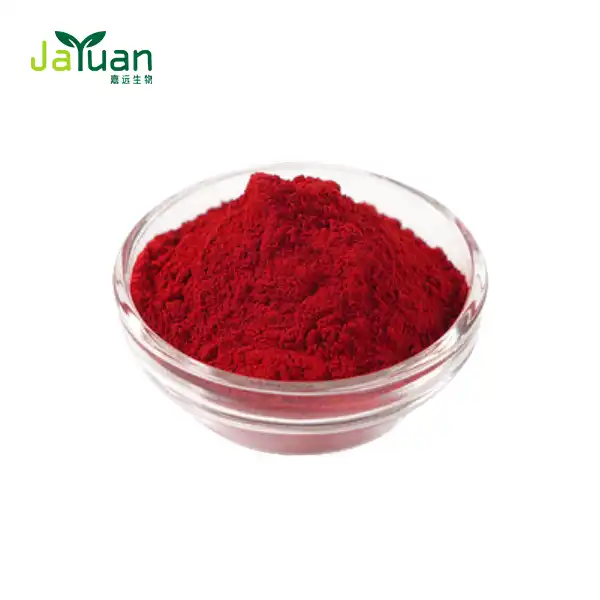
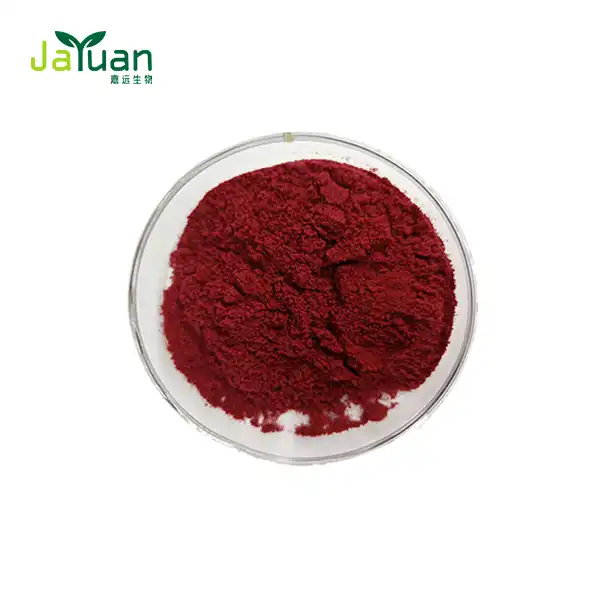
Astaxanthin powder is now one of nature's most effective antioxidants and has caught the interest of pharmaceutical businesses, cosmetic companies and nutraceutical producers throughout the globe. The deep red pigment is obtained mostly from the microalgae Haematococcus pluvialis and is around 6,000 times more antioxidant than Vitamin C and 800 times more antioxidant than CoQ10. Scientific study still demonstrates its extraordinary free radical scavenging, anti-inflammatory and protective characteristics in several biological systems. B2B purchasers of high-quality ingredients are able to use these science-backed advantages to create unique skin health, eye protection, cognitive support, and heart health solutions.
Understanding Astaxanthin Powder: Composition and Mechanism
The Science Behind Astaxanthin's Antioxidant Power
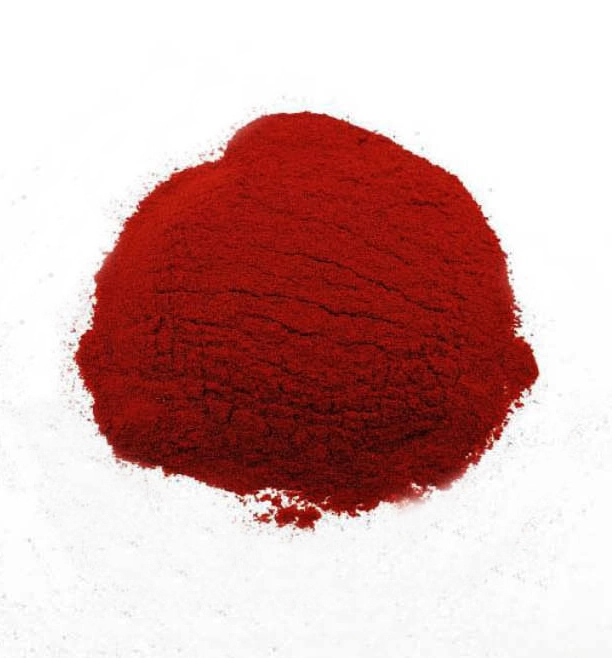
This keto-carotenoid (C40H52O4, molecular weight 596.84 g/mol) may permeate cell membranes and protect lipid and aqueous cells due to its molecule structure. Astaxanthin powder protects without oxidative damage, unlike other antioxidants that become pro-oxidants after free radical removal. This unique feature comes from its long conjugated double bond structure that stabilizes free electrons.
Natural astaxanthin from microalgae has better bioactivity than manufactured versions, according to clinical tests. The natural isomer configuration (3S,3'S) matches the molecular arrangement found in marine organisms, which makes it easier for cells to absorb and work together. Studies that have been published in reputable journals confirm that this arrangement consistently lowers inflammatory cytokines and markers of oxidative stress.
Biochemical Mechanisms at the Cellular Level
At the level of the mitochondria, astaxanthin powder helps make energy by keeping the energy-producing parts of cells safe from reactive oxygen species that are made during normal metabolism. This protection even goes to DNA, stopping oxidative damage that speeds up aging and makes cells stop working properly. Studies that check 8-hydroxy-2'-deoxyguanosine levels—a measure for DNA oxidation—find that they drop significantly when natural astaxanthin is added to the diet.
The ingredient changes the nuclear factor-kappa B (NF-κB) processes that control how the body reacts to inflammation. It helps keep the immune system in balance by stopping too much NF-κB activity without affecting the protective reactions that are needed. Many of the health benefits seen in clinical studies are based on this process, from protecting the skin to helping the heart.
Extraction and Processing Technologies
Advanced microencapsulation technology changes astaxanthin, which dissolves in fats, into solid powders that can be used in a variety of ways. Supercritical CO2 extraction keeps the bioactivity while getting rid of solvent residues that are a problem for food and drug manufacturers. The oleoresin that is made is then enclosed in hydrophilic matrices, which are usually gum arabic, modified starch, or cyclodextrin. This makes Cold Water Dispersible (CWD) forms that are more stable.
At Jiayuan Bio-Tech, we strictly control heavy metals, microorganisms, solvent residues, and exogenous nucleic acid residues within the limits allowed by law. Filter paper residue testing confirms that our astaxanthin powder has fewer impurities than other products on the market. This means that the extraction process was more pure, and the powder has a higher antioxidant capacity. This purity directly means that finished products are better at getting rid of free radicals.
Health and Cosmetic Benefits of Astaxanthin Powder
Skin Health and Anti-Aging Applications
Dermatological study shows strong support for astaxanthin's ability to protect against photoaging. In skin tissue, UV light creates reactive oxygen species that break down collagen and elastic fibers and set off inflammation pathways. After 6 to 12 weeks, skin suppleness, moisture retention, and wrinkle depth all got better in clinical studies that used oral supplements.
The way it works is by stopping the production of matrix metalloproteinase-1 (MMP-1), an enzyme that breaks down collagen in skin that has been in the sun. Studies that compare astaxanthin powder to other antioxidants show that it protects against UV-induced damage better. This makes it useful for both topical and ingestible beauty products. Cosmetic formulators like that it can do two things: protect against free radicals inside the body and keep formulations stable on the outside.
Studies on humans that measure trans-epidermal water loss and corneometer readings show that the skin barrier function has improved in a way that is statistically significant. Compared to the control group, people who got natural astaxanthin had less inflammation signs and better skin texture. These objective measures back up product claims for beauty-from-within uses that are becoming more and more popular in the nutritional market.
Eye Health and Visual Function Support
Astaxanthin can only build up in the eye's tissues because of the blood-retinal barrier. There, it protects photoreceptor cells from oxidative stress and blue light exposure. Researchers who studied computer users and people with eye strain found that supplements improved vision healing faster and decreased the loss of accommodation amplitude. Companies that make goods to help with digital eye strain and vision problems that come with getting older like these perks.
Studies that measure the optical density of macular pigment show that regular intake leads to more protection for the retina. It gets through the blood-retinal barrier and settles in the macula, blocking dangerous blue light waves before they reach photoreceptor cells. This is how the gains in contrast perception and glare recovery seen in clinical studies are explained.
Cognitive Function and Neuroprotection
New study is looking into how astaxanthin can get into the brain from the blood and protect neural cells with antioxidants. Oxidative damage is less severe in parts of the brain that are linked to learning and memory in animal models. Even though there aren't many studies on human cognition yet, early tests show that these treatments might help with mental fatigue and thinking speed, especially in older groups.
Neuroprotection works by lowering lipid breakdown in neural membranes and helping brain cells' mitochondria work better. Researchers who measured the amounts of brain-derived neurotrophic factor (BDNF) found that astaxanthin may help the brain's ability to change and fix itself. These results are interesting to drug makers that are looking for ingredients to use in formulations for brain health.
Comparing Astaxanthin Powder with Other Supplement Forms
Bioavailability and Formulation Flexibility
Knowing the differences in bioavailability between powder, oil, and capsule forms helps procurement teams choose the best ingredients. Pure astaxanthin powder gives formulators a lot of options for making pills, hard capsules, and drinks. The natural lipophilic properties of formats that can be dispersed in cold water get around these problems, making them more bioavailable than crude oleoresins.
Oil-based astaxanthin preparations work well for making softgels but not so well for making compression tablets and drinks. The powder version is better for goods that need to be pasteurized or have a long shelf life because it stays stable during processing at temperatures up to 80°C and pH levels between 3.0 and 7.0. Microencapsulation keeps the active ingredient safe from light, oxygen, and heat, which can quickly make it less effective.
Format choice is also affected by how efficiently the product is made. Powder bulk density (0.4 to 0.7 g/mL) makes doses and mixing more accurate in large-scale production settings. When compared to lipid-based products, the lack of carrier oils lowers the risk of oxidation during storage and makes regulatory paperwork easier.
Purity and Stability Comparisons
Buyers who care about quality know that purity has a direct effect on how well astaxanthin powder works and how long it lasts on the shelf. The impurity levels in our filter paper residue testing protocol are much lower than those found in normal market products. This is because we use more advanced extraction and cleaning methods. Higher purity is linked to better antioxidant activity and more consistent performance in finished goods.
Stability testing at high temperatures (40°C, 75% relative humidity) shows that properly encapsulated powder keeps more of its active ingredients than astaxanthin oil that isn't protected. After six months, good astaxanthin powder is still more than 95% effective, while forms that haven't been stabilized properly lose a lot of their effectiveness. This stability means that the product will last longer and the color will not fade as quickly, which are both very important for makeup uses.
Organic Versus Synthetic Options
Natural astaxanthin that comes from growing microalgae costs a lot, but it has been shown to have benefits in both bioactivity and how people feel about it. Organic approval is useful for brands that want to appeal to health-conscious customers, but it needs careful supply chain checks. Synthetic alternatives are cheaper, but they don't have all the stereoisomers that natural sources do, which could change how biological processes work.
Natural sources are becoming more and more popular in the market, especially in cosmetics and nutraceuticals, where "clean label" marketing drives purchases. Buyers who do business with other people in Europe and North America say that customers want certified organic and non-GMO ingredients more and more. Our methods for growing plants and extracting oils help us keep these certifications while keeping quality high and prices low.
Procurement Guide for Astaxanthin Powder: What B2B Clients Need to Know
Evaluating Supplier Certifications and Quality Systems
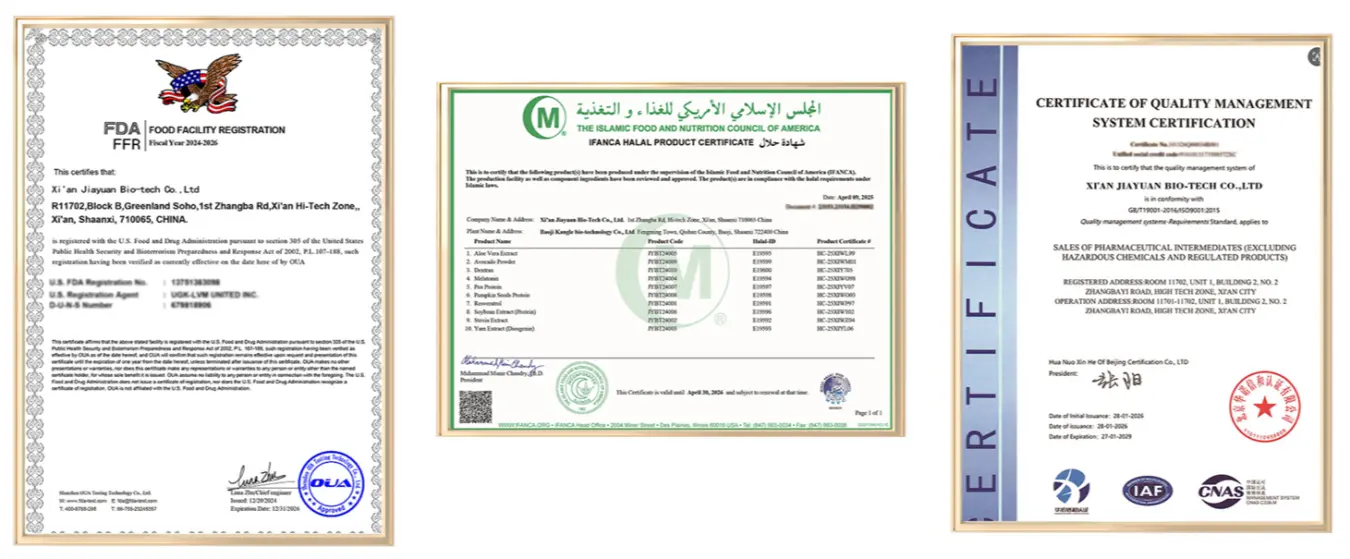
To find a trustworthy company that makes astaxanthin powder, you need to look closely at their quality control systems and any third-party certifications they have. Standardized manufacturing processes are shown by ISO 9001 certification, and pharmaceutical-grade production standards are shown by GMP compliance. We have two production lines that meet GMP standards and are certified by ISO, SGS, and HALAL. This makes sure that our goods meet the different rules and regulations in different areas around the world.
In addition to basic certifications, you should look at how the providers test and record batches. Comprehensive Certificates of Analysis should show that the amount of astaxanthin is correct using HPLC, that the levels of heavy metals are below the legal limits, and that the results of microbial tests were recorded. Our lab tests at many stages of production, so we can fully track the process from getting the raw materials to releasing the finished product.
Buyers can figure out how consistent and long-lasting a supplier is by seeing how they source materials and how they remove them. Controlling cultivation, extraction, and processing—this is called vertical integration—often leads to a more stable supply and better quality than middlemen who combine material from different sources. We keep a close eye on our microalgae farms to make sure the quality of our fuel stays high and our supplies don't run out.
Pricing Structures and Minimum Order Quantities
Concentration levels, purity levels, and certification status all affect the price of astaxanthin powder. Concentrations for food (1–5%) are cheaper than materials for medicine (>95% purity), and organic approval makes them 20–40% more expensive. Knowing about these factors helps procurement teams manage cost with the needs of the product and the demands of the target market.
Manufacturers and distributors have very different minimum order quantities for astaxanthin powder. When you work directly with a maker, you usually have to place bigger orders at first, but you get better unit economics and better priority placement when supplies are low. Our MOQ policies are flexible enough to work for both well-known brands that need full containers and new companies that want to test new recipes with smaller amounts.
When you make a volume commitment, you can get better prices and reserve production capacity for busy times. Setting up long-term supply deals helps keep costs stable and guarantees access to materials when market demand is higher than supply, which is often the case because astaxanthin has complicated production needs and long growing cycles.
Logistics and Global Shipping Considerations
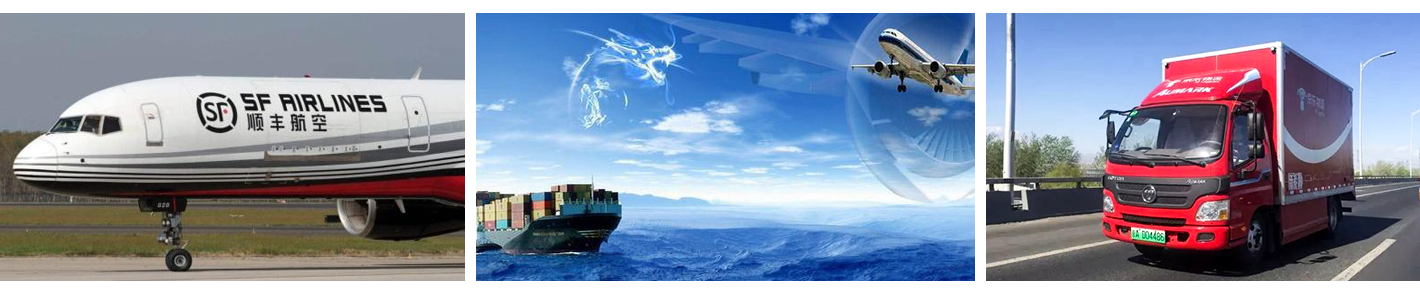
Getting astaxanthin powder from other countries means dealing with customs rules, sending at the right temperature, and paperwork requirements. Our partnerships with FedEx, DHL, UPS, and other freight forwarders in North America, Europe, and Asia make sure that deliveries are always on time. We help buyers who are new to buying botanical products clear customs by taking care of the paperwork and rules that must be followed.
Temperature stability during transport protects the integrity of the product, especially for forms that are sensitive to heat and are not encased. As part of our packing requirements, foil-lined containers with nitrogen flushing are required to keep food from going bad during long shipping times. These safety steps keep the quality of the product high from the time it leaves our building until it gets to your manufacturing site.
For normal grades, lead times are usually between two and four weeks. For custom formulations, preparation time is longer. Planning buying cycles around production schedules and keeping extra stock on hand can help avoid costly delays in production. For clients who buy a lot, our warehouse stocking service cuts down on wait times and makes sure that deliveries happen at the right time to fit production plans.
Future Trends and Market Outlook for Astaxanthin Powder
Growing Demand Across Key Industry Segments
Based on a study of the market, natural astaxanthin powder is expected to grow quickly in the pharmaceutical, cosmetic, and nutraceutical industries until 2030. More ingestible cosmetics are being made because of the "beauty from within" trend. At the same time, more eye health and cognitive support products are being made because people are living longer. Astaxanthin is being looked at more and more by pharmaceutical companies as an active ingredient in evidence-based formulations that treat conditions related to oxidative stress.
The markets in North America and Europe are growing very quickly, and people are willing to pay more for ingredients that have been scientifically proven to be healthy and come from sustainable sources. Asian markets combine traditional views on herbal medicine with more modern views on nutraceuticals. This makes it possible to position products in new ways. Knowing the regional tastes and rules helps brands make the best decisions about how to enter new markets.
As study showing performance benefits becomes more well known, sports nutrition is becoming an interesting new area of application. Formulators make unique goods for endurance athletes, exercise fans, and older people who are still active. The clean label trend is good for natural astaxanthin because people are becoming less trusting of manufactured versions.
Technological Innovations Enhancing Product Performance
As growing technology improves, production costs go down and yields go up. This makes high-quality astaxanthin powder easier for mid-market names to get. Photobioreactor systems make the best conditions for Haematococcus pluvialis to grow, which leads to higher levels of astaxanthin in each harvest cycle. With these new developments, the price difference between natural and manufactured options is slowly closing, but the bioactivity of natural options stays higher.
New delivery methods for astaxanthin powder improve bioavailability and the experience of the user. Nano-emulsion technologies, improved microencapsulation, and liposome encapsulation all make absorption rates better and make it possible for new product forms. Researchers are looking into how different antioxidants and omega-3 fatty acids can work together to make new formulations that work better.
Analytical testing methods are always changing. For example, new chromatography techniques make it possible to describe stereoisomer profiles and oxidation status with more accuracy. These changes back up claims of quality and help companies set their high-end products apart in markets where there are a lot of them.
Sustainability and Certification Trends
Environmental awareness is becoming more and more important in all B2B areas when it comes to buying choices. Brands that stress their commitment to environment like closed-loop farming methods that reuse water and nutrients. Lifecycle and carbon impact studies are now common parts of the supplier review process, especially for companies that are committed to corporate social responsibility.
Organic and non-GMO certifications are moving from being special needs to being expected in a lot of different market groups. Traceability systems that use blockchain technology are becoming useful for keeping track of the integrity of the supply chain and checking certification claims. These steps to increase transparency are in response to growing consumer demands for real products that are sourced in an honest way.
Sustainable package ideas go hand in hand with sustainable ingredients. Brands are looking for solutions that are recyclable, biodegradable, or use less plastic. When purchasing teams look at environmental effects along with quality and price, suppliers who offer a lot of sustainable paperwork and certifications have an edge over other suppliers.
Conclusion
Scientific evidence robustly supports the diverse benefits of natural astaxanthin powder across multiple applications, from skin health and eye protection to cardiovascular wellness and exercise performance. B2B buyers seeking reliable, high-quality ingredients can leverage these validated benefits to develop innovative products meeting evolving consumer demands. Procurement teams can make smart choices that balance quality, cost, and supply reliability when they know the differences between powder formats, fully evaluate the capabilities of suppliers, and keep an eye on new market trends. More and better extraction methods, more and better clinical evidence, and more and more aware consumers all come together to make this powerful antioxidant a great addition to many brands' product lines.
FAQ
1. How does astaxanthin powder compare to manufactured alternatives in terms of efficacy?
Astaxanthin powder from Haematococcus pluvialis is mostly made up of the 3S,3'S stereoisomer configuration, which is similar to the molecular structure found in nature and shows better bioavailability than synthetic versions. Clinical studies show that natural forms have stronger antioxidant effects and better absorption profiles, which is why they are more expensive for uses that care about quality.
2. What kinds of quality approvals should business buyers look for in astaxanthin powder?
Some of the most important certificates are GMP compliance for making pharmaceuticals, ISO 9001 for quality management systems, and organic approval for promoting natural products. Verification of active ingredients and quality statements by independent labs is done by a third party. Documentation of heavy metal, microbial, and solvent residue testing makes sure that all global markets follow the rules.
3. What is the minimum order quantity that buyers should usually expect from companies that make astaxanthin powder?
Minimum order amounts are very different depending on the pure grade, concentration, and type of provider. For normal grades, manufacturers usually need at least 25 to 100 kg, but for custom formulas, they may need bigger pledges. Building relationships with suppliers who are flexible can help with both the initial development of a product and the production of more of it.
Partner With a Trusted Astaxanthin Powder Supplier
Jiayuan Bio-Tech offers high-quality natural astaxanthin powder that has been tested by science and is backed by strong quality control systems and global logistics expertise. Our strict testing methods, GMP-certified factories, and ISO and SGS certifications make sure that our goods meet the high standards of pharmaceutical, cosmetic, and nutritional companies. We offer competitive bulk prices, a range of customization options, and full customs clearance support to make international purchasing easy. You can email our technical team at sales@jayuanbio.com or sales1@jayuanbio.com to talk about your specific formulation needs, get full product specifications, and find out how our vertically integrated supply chain ensures quality and dependability. Our full line of natural products can be seen at jayuanbio.com.
References
1. Ambati, R. R., Phang, S. M., Ravi, S., & Aswathanarayana, R. G. (2014). Astaxanthin: Sources, extraction, stability, biological activities and its commercial applications. Marine Drugs, 12(1), 128-152.
2. Fassett, R. G., & Coombes, J. S. (2011). Astaxanthin: A potential therapeutic agent in cardiovascular disease. Marine Drugs, 9(3), 447-465.
3. Tominaga, K., Hongo, N., Karato, M., & Yamashita, E. (2012). Cosmetic benefits of astaxanthin on human subjects. Acta Biochimica Polonica, 59(1), 43-47.
4. Guerin, M., Huntley, M. E., & Olaizola, M. (2003). Haematococcus astaxanthin: Applications for human health and nutrition. Trends in Biotechnology, 21(5), 210-216.
5. Kidd, P. (2011). Astaxanthin, cell membrane nutrient with diverse clinical benefits and anti-aging potential. Alternative Medicine Review, 16(4), 355-364.
6. Yuan, J. P., Peng, J., Yin, K., & Wang, J. H. (2011). Potential health-promoting effects of astaxanthin: A high-value carotenoid mainly from microalgae. Molecular Nutrition & Food Research, 55(1), 150-165.