
What to Look for in High-Quality Astaxanthin Powder Bulk
When sourcing astaxanthin powder bulk for industrial applications, procurement professionals must prioritize several critical quality markers. Premium astaxanthin bulk powder should demonstrate verified purity through HPLC analysis, exhibit natural stereoisomer distribution confirming microalgae origin, meet stringent heavy metal limits, and display superior antioxidant capacity. Selecting suppliers with transparent testing protocols, relevant certifications such as ISO and GMP, and proven experience in B2B transactions ensures your manufacturing processes receive consistent, high-performance ingredients. Understanding these evaluation criteria safeguards product efficacy and regulatory compliance across pharmaceutical, cosmetic, and nutraceutical applications.
Understanding Astaxanthin Powder Bulk: Key Characteristics and Benefits
Astaxanthin is in higher demand as a raw material around the world because makers in many fields know how powerful an antioxidant it is. This carotene pigment comes mostly from the microalga Haematococcus pluvialis. It is about 6,000 times more powerful as Vitamin C as an antioxidant and 800 times stronger than CoQ10. When buying teams know about the basic properties of astaxanthin powder bulk, they can make decisions that meet the needs of specific production processes.
Natural vs. Synthetic Origin
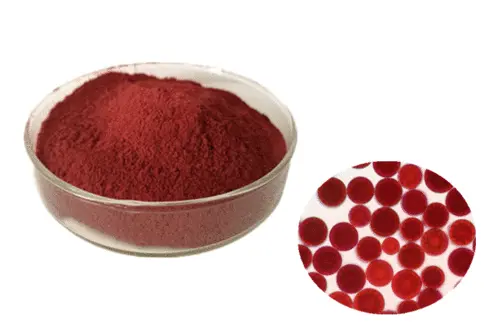
Differentiating between naturally occurring and man-made astaxanthin is the first step in making a sourcing decision. When microalgae are naturally extracted, a product is made that has a deep red to violet-brown color and the molecular formula C40H52O4. Researchers have found that the natural version is more bioavailable than synthetic versions because it mostly has the (3S, 3'S) stereoisomer configuration. The amount of (3S,3'S), (3S,3'R), and (3R,3'R) isomers in synthetic astaxanthin is usually 1:2:1. This can change how well it works and how it is classified by regulators in some markets.
Pharmaceutical companies making therapeutic supplements, beauty brands making anti-aging skin care products, and nutrition companies making high-potency antioxidant formulations can all benefit from natural astaxanthin powder bulk. The conditions of farming, the extraction process, and the processing that happens after harvest all have an effect on the purity profile and effective performance of the end product.
Industrial Applications and Strategic Advantages
When producers buy in bulk, they get a lot of benefits besides lower unit costs. Formulation stability is ensured by consistent quality across production runs. This is especially important when making goods with standard ingredient lists. Nutraceutical companies need astaxanthin powder that can be made into tablets under high pressure without oxidizing and keeps its structure during the encapsulation process. Companies that make cosmetics need materials that can be mixed with both oil-in-water and water-in-oil emulsions. The powder in these emulsions protects cells from UV-induced reactive oxygen species.
Functional drink makers are asking for more and more forms of astaxanthin powder bulk that can dissolve in cold water (CWD). These forms are made possible by improved microencapsulation technology. This new technology makes it possible for the color to spread evenly in clear or cloudy drinks without settling or forming an oil slick. The color stays stable even when the pH level changes. Food and drink companies like how flexible this formulation is because it lets them add it to energy drinks, stick packs, and functional gummies without changing the way they taste or smell.
Quality Criteria: What Defines High-Quality Astaxanthin Powder Bulk?
To judge quality, you have to carefully look at a lot of different factors that have an effect on how well ingredients work and how well they follow the rules. Professional buying teams use set checking procedures to make sure that products are real, effective, and safe.
Advanced Testing Methodologies
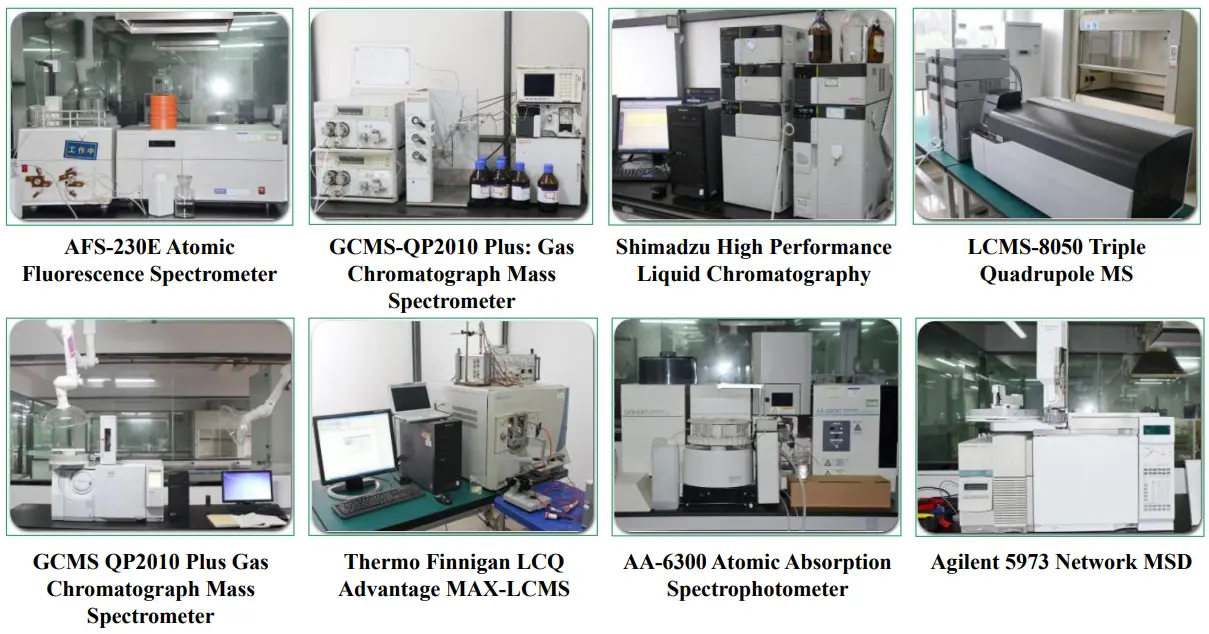
The most accurate way to check for astaxanthin is with HPLC analysis, which is better than UV-Vis spectrophotometry. UV-Vis methods can give falsely high readings because they count other carotenoids that are in the extract. HPLC, on the other hand, separates and measures astaxanthin while finding the ratio of free astaxanthin to esters. This difference is very important when bioavailability and absorption rates affect claims about how well a product works.
Stereoisomer distribution testing supports natural origin by checking that the (3S, 3'S) visual isomer is the most common. When suppliers show thorough records of analysis that show this trait, customers can be sure that the product comes from real microalgae sources and not from synthetic production processes. This proof is especially important when going after markets with strict rules on natural products or people who want chemical formulations made from plants.
Purity and Contaminant Controls
To make sure that high-quality astaxanthin powder bulk is safe and effective, it is thoroughly checked for any impurities that might affect its quality. The finding of pheophorbide is an important quality indicator because this chlorophyll breakdown product can make skin sensitive to light. Tough limits on pheophorbide levels show better extraction and processing methods, separating high-end providers from those using less advanced production methods.
Testing for filter paper residue gives you useful information for comparing suppliers. Our tests show that premium astaxanthin powder leaves no trace on filter paper, which means it is very pure and free of any impurities that could lower its antioxidant capacity. This level of purity directly leads to better ability to remove free radicals and higher extraction quality, providing better value even if the price per kilogram may be higher.
ICP-MS heavy metal testing makes sure that the levels of lead, arsenic, cadmium, and mercury meet the standards set by California Prop 65 and the EU Pharmacopoeia. Checks for microbial load should show that overall plate counts are less than 1,000 cfu/g without the need for irradiation treatment. Suppliers who provide verified documentation of non-irradiated products show a commitment to quality that goes above and beyond what is required by law.
Regulatory Certifications and Compliance
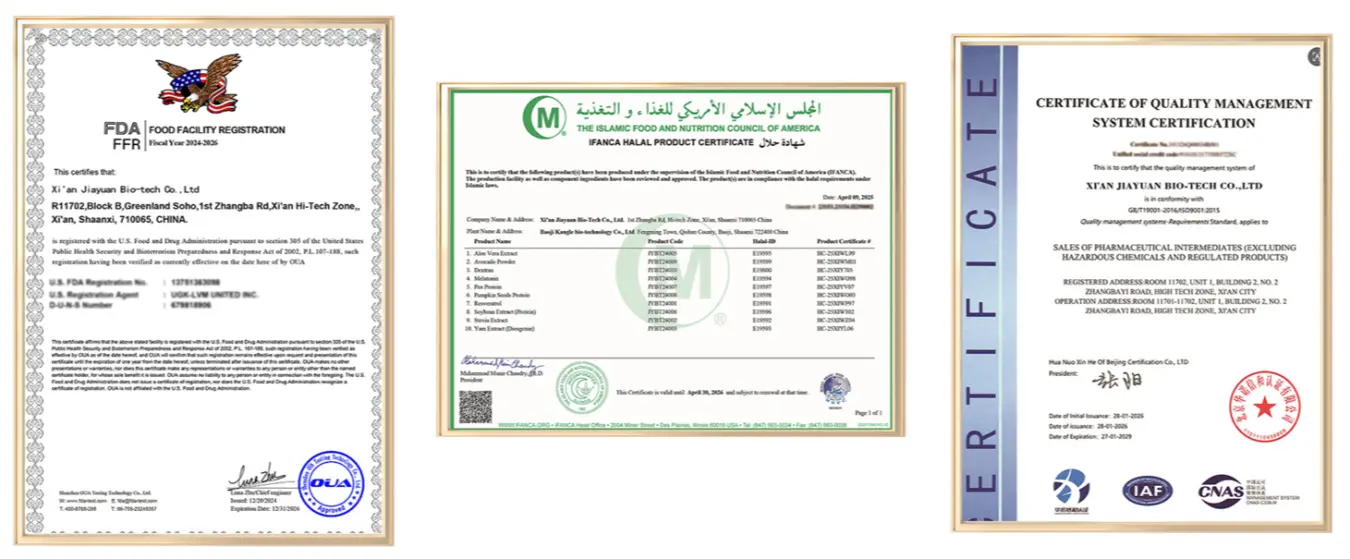
Certifications are a quick way to talk about quality systems for suppliers and standards for industry. ISO approval shows that a company follows international standards for quality management, and GMP compliance shows that the company follows the rules for making medicines. When you're selling to pharmaceutical companies that need validated supply chains for making medicines and therapeutic supplements, these certifications become even more important.
Cosmetic brands that want to appeal to people who like natural beauty and nutraceutical companies that want to sell healthy products like organic certifications. Non-GMO verification paperwork is for growing market groups that value genetic modification openness. Suppliers with multiple licenses show that they can work with a wide range of industries and legal requirements.
Comparing Astaxanthin Powder Bulk with Other Forms and Related Products
Knowing the differences between product forms helps procurement pros choose the best styles for different manufacturing tasks. Depending on the needs of the end product and the production capacity, each delivery system has its own benefits.
Powder vs. Oil vs. Encapsulated Forms
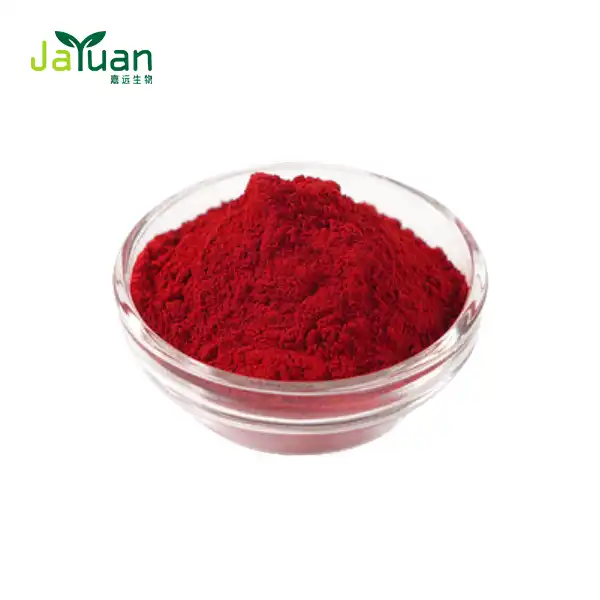
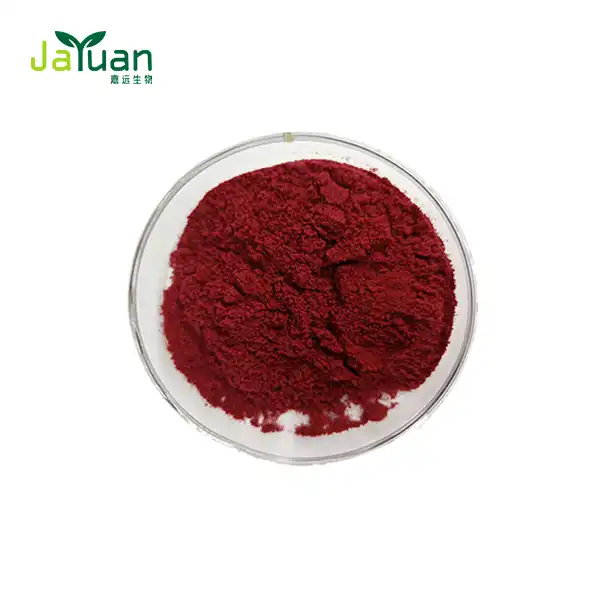
Manufacturers with advanced mixing skills can get the most out of astaxanthin powder bulk when it comes to formulating. The powder form lets you precisely control the dose and works well with activities like pressing tablets, filling capsules, and mixing powders. If you look at what good astaxanthin powder bulk should look like, it should be a dark red to violet-brown color with small, uniformly sized particles that make it easy to mix.
When making softgels, where the ingredient needs to stay oil-soluble for best absorption, oil-based astaxanthin solutions are helpful. Astaxanthin oleoresin is usually mixed with carrier oils like sunflower or medium-chain triglycerides in these mixtures. The fact that it dissolves in oil makes it more bioavailable in finished goods that are meant to help with joint health, stamina, and eye health.
The cold water dispersible powder is made up of microencapsulated astaxanthin that is specially made for use in drinks and water-based formulations. The microencapsulation technology keeps the hydrophobic astaxanthin molecule safe while allowing even dispersion in water-based systems. This stops the "ringing" that happens when regular powder forms come into contact with water-based matrices.
Antioxidant Performance Benchmarking
When you compare astaxanthin to other antioxidants, such as krill oil, vitamin C, or CoQ10, you can see that they have different performance profiles that can help you decide what to buy. Astaxanthin and omega-3 fatty acids can be found in krill oil, but the quantity of astaxanthin is still much lower than that found in special astaxanthin powder bulk sources. Manufacturers who want to make high-potency antioxidant products need ingredients that are concentrated, which is something that bulk astaxanthin powder only offers.
Astaxanthin can cross cell walls and neutralize free radicals because its molecular structure includes polar hydroxyl groups at both ends of the piece. This structural advantage explains why it is a better antioxidant than other carotenoids and supports its high-end positioning in high-performance formulations.
Procurement Best Practices: How to Source and Buy Astaxanthin Powder Bulk
Quality control, cost management, and supply chain efficiency all need to be balanced in order for sourcing methods to work well. Professional sellers create structured evaluation systems that look at suppliers in more ways than just comparing prices.
Supplier Qualification and Verification
Astaxanthin powder bulk providers with a good reputation are open and honest by providing detailed records of their testing procedures, production methods, and quality control systems. Ask for reports of analysis that include not only basic identity tests but also advanced verification tests such as HPLC chromatograms, stereoisomer analysis, and results of contaminant screens. Suppliers who are willing to give third parties batch-specific documentation and let them check it show that they are sure of the quality claims they make.
Experience with large-scale business-to-business transactions shows that the supplier can handle high volumes of work while maintaining quality. Ask possible partners how much they can produce, the range of batch sizes they can handle, and how they keep quality consistent across production runs. Companies that work with pharmaceutical companies, well-known nutraceutical brands, and multinational cosmetic companies usually have stricter quality control systems than companies that only sell to consumers directly or on a smaller scale.
Manufacturing plant audits, which can be done directly or by trained third-party inspectors, give producers important information about how things are actually made, how quality control is used, and how to keep things clean. Suppliers with GMP-certified facilities and dedicated astaxanthin production lines keep processing conditions consistent and reduce the risk of cross-contamination.
Logistics and Commercial Terms
Depending on the supplier's size and the type of customer they want to serve, minimum order quantities for astaxanthin powder bulk usually run from 1 to 25 kilograms. Knowing the MOQ standards helps make sure that purchasing, managing supplies, and planning for cash flow are all in sync. Some sellers offer warehousing services that let buyers get better deals on bigger orders while still getting smaller packages as needed. This makes the most of both cost savings and inventory turnover.
Lead times depend on whether sellers keep goods in stock or make them when someone orders them. Stock programs usually let you ship within 3–7 business days, but custom production runs can take up to 4–6 weeks from the time you confirm your order until you get your package. During seller qualification, talking about normal wait times and stock availability keeps production from stopping because of a lack of ingredients.
When buying things from other countries, shipping and clearing taxes are important things to think about. Experienced suppliers help with paperwork like health certificates, certificates of origin, and regulatory compliance documents that customs officials in the destination country need. Some suppliers offer delivered duty paid (DDP) terms, which mean they handle customs clearance and deliver straight to your building. This makes logistics easier for buyers who haven't done much importing before.
When negotiating a contract, the parties should talk about quality standards, acceptance criteria, sampling methods, and what to do if the provided materials don't meet the agreed upon standards. Buyers don't lose money because ingredients go bad or the product doesn't meet specifications when there are clear terms about shelf life guarantees, storage conditions, and return policies.
How to Use Astaxanthin Powder Bulk Safely and Effectively
Handling and formulating ingredients correctly is important for making sure they work well and staying safe and in line with regulations. Industry-specific guidelines help manufacturers get the most out of adding astaxanthin in a wide range of situations.
Formulation Guidelines by Industry Sector
Astaxanthin is usually added to finished nutraceuticals at levels ranging from 1% to 5%, depending on how strong the product is supposed to be and what the label says. When making tablets, it's important to pay close attention to the compression forces because too much pressure during tableting could damage the delicate carotenoid structure. Using the right excipients and compression parameters during the manufacturing process keeps the antioxidant activity high.
Cosmetic formulators add astaxanthin to sunscreens, anti-aging creams, and serums at levels that are usually between 0.1% and 1.0% of the final product. The ingredient works well with most common cosmetic bases, but formulators should make sure that finished products are protected from long-term UV exposure by choosing the right packaging. Stability testing under rapid aging conditions shows that astaxanthin keeps the product's color and functionality throughout its shelf life.
For functional beverage uses, forms that can dissolve in cold water are needed. Typical usage rates range from 50 to 200 parts per million, depending on the health benefits and taste that are wanted. During product creation, the red-orange color addition should be looked at because it affects how customers see the product and where the brand is placed in the market. Testing for pH stability makes sure that the color and strength of the product stay the same in all of the places it will be sold and stored.
Storage and Handling Protocols
Astaxanthin powder is sensitive to light, heat, and oxygen, so it needs to be stored in the right way to keep its quality. Keep packages that are tightly sealed in cool, dry places that are out of direct sunlight and preferably below 25°C. Once the cases are open, seal them back up quickly and think about using smaller packing units that work with production cycles to keep air out as little as possible.
Before going into production, quality control testing at the receiving end makes sure that the materials supplied meet the requirements. Visual inspection for uniformity of color, proof of moisture content, and identity confirmation using the right analytical methods should all be part of the testing process. Using first-in, first-out inventory movement makes sure that older stock gets used up before it goes bad.
When handling small powders, safety concerns include following standard procedures, which may include dust control measures and wearing protective gear. Although astaxanthin is not very poisonous according to many safety tests, it is important to handle it properly so that it doesn't get breathed in and the quality of the ingredients stays high during the making process.
Conclusion
Before choosing a good astaxanthin powder bulk, you need to look at its purity markers, testing methods, seller qualifications, and performance qualities that are specific to the purpose. HPLC verification, stereoisomer distribution analysis, heavy metal screening, and pheophorbide limits are important quality indicators that show the difference between high-quality ingredients and lower-quality ones. Natural astaxanthin from microalgae is more bioavailable and better positioned in the market than manmade versions, so it is important to check the source when buying it. Understanding the manufacturing needs for nutraceutical, cosmetic, and functional food uses helps buyers choose the right product forms and ratios. When you work with providers who have clear testing procedures, the right certifications, and business-to-business experience, you can build trusting supply chains that support consistent factory operations and regulatory compliance.
FAQ
1. How can I verify whether astaxanthin is natural or synthetic?
Astaxanthin that comes from microalgae mainly has the (3S, 3'S) stereoisomer configuration, while synthetic versions have a 1:2:1 ratio of (3S,3'S), (3S,3'R), and (3R,3'R) isomers. Ask for records of analysis that show the results of stereoisomer distribution testing. These results will clearly show whether the material is real or synthetic.
2. What typical lead times should I expect for bulk orders?
Lead times change depending on whether sources keep stock or make things when they are ordered. Most stock programs let you ship within 3–7 business days, but custom production runs can take up to 4–6 weeks. Production interruptions can be avoided by being clear about availability when talking to suppliers for the first time.
3. What testing methods confirm astaxanthin purity and potency?
HPLC measurement is the most effective way to check for purity because it can separate astaxanthin from other carotenoids and measure the amount of free versus esterified forms. To make sure the quality is fully checked, more tests should be done, such as ICP-MS heavy metal screening, bacteria load assessment, and pheophorbide identification.
Partner with Jiayuan Bio-Tech for Premium Astaxanthin Powder Bulk Supplier Solutions
Jiayuan Bio-Tech sells natural plant products that are safe enough for medicinal use. They have strict quality control measures in place and a lot of B2B experience. We make sure that all of the toxins in our astaxanthin powder bulk are below the limits allowed by using HPLC verification, heavy metal screening, and microbe load assessment. Filter paper residue testing proves that our product is very pure, showing that it has better antioxidant properties and extraction quality than other ingredients on the market. Our two GMP-standard production lines are certified by ISO, SGS, and HALAL, which gives your industrial operations the quality assurance they need.
Our global logistics network works with FedEx, DHL, EMS, UPS, and TNT to deliver directly to your facility. For European and North American destinations, we can also help with customs clearance. When you buy directly from the factory, you don't have to pay markups for going through middlemen. Also, our warehouse stocking service lets you order multiple goods in smaller amounts, which lowers your overall logistics and clearance costs. You can email our team at sales@jayuanbio.com or sales1@jayuanbio.com to get samples, talk about special formulations, or get full quotes. You can look at our full line of ingredients at jayuanbio.com and learn how working with an experienced producer can make your supply chain more reliable.
References
1. Ambati, R. R., Phang, S. M., Ravi, S., & Aswathanarayana, R. G. (2014). Astaxanthin: Sources, Extraction, Stability, Biological Activities and Its Commercial Applications—A Review. Marine Drugs, 12(1), 128-152.
2. Capelli, B., Bagchi, D., & Cysewski, G. R. (2013). Synthetic Astaxanthin is Significantly Inferior to Algal-Based Astaxanthin as an Antioxidant and May Not be Suitable as a Human Nutraceutical Supplement. NutraFoods, 12(4), 145-152.
3. Higuera-Ciapara, I., Felix-Valenzuela, L., & Goycoolea, F. M. (2006). Astaxanthin: A Review of its Chemistry and Applications. Critical Reviews in Food Science and Nutrition, 46(2), 185-196.
4. Guerin, M., Huntley, M. E., & Olaizola, M. (2003). Haematococcus astaxanthin: Applications for Human Health and Nutrition. Trends in Biotechnology, 21(5), 210-216.
5. Yuan, J. P., Peng, J., Yin, K., & Wang, J. H. (2011). Potential Health-Promoting Effects of Astaxanthin: A High-Value Carotenoid Mostly from Microalgae. Molecular Nutrition & Food Research, 55(1), 150-165.
6. Dose, J., Matsugo, S., Yokokawa, H., Koshida, Y., Okazaki, S., Seidel, U., Eggersdorfer, M., Rimbach, G., & Esatbeyoglu, T. (2016). Free Radical Scavenging and Cellular Antioxidant Properties of Astaxanthin. International Journal of Molecular Sciences, 17(1), 103.