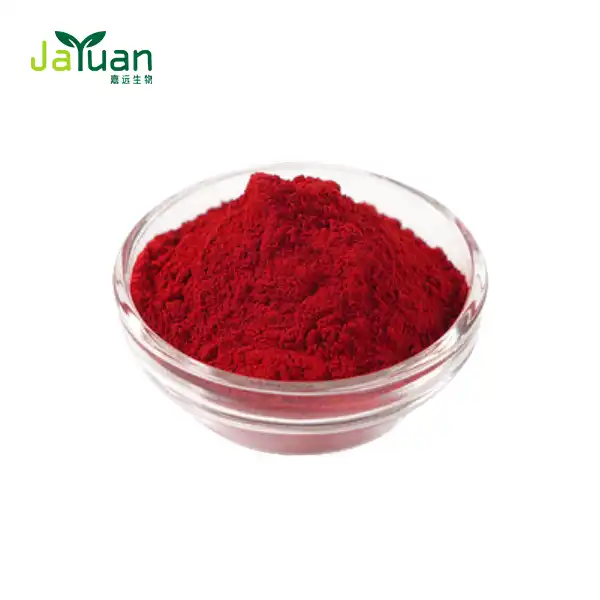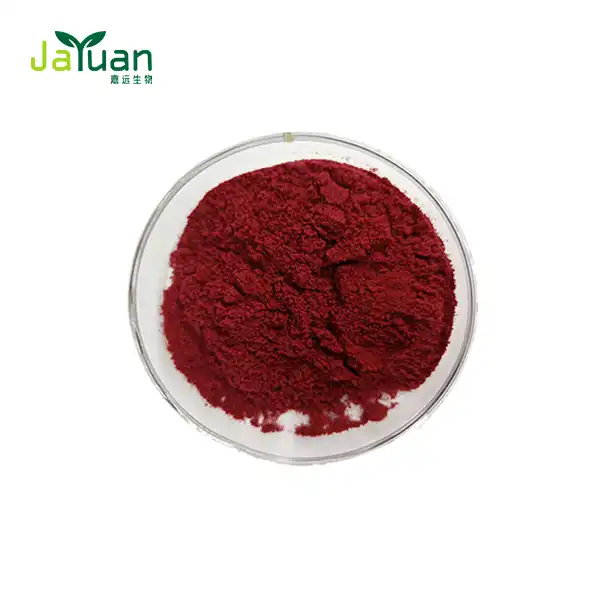

Can Astaxanthin Powder Improve Exercise Recovery and Endurance?
Yes, astaxanthin powder increases endurance and recovery. This powerful carotenoid antioxidant reduces oxidative damage and inflammation caused by intense physical exercise, speeds up muscle recovery and reduces delayed onset muscle soreness. Astaxanthin powder is shown to boost the activity of mitochondria and oxygen use, which helps athletes to perform throughout long exercise. Its antioxidant potency is 6,000 times more than Vitamin C, making it a good value addition for sports nutrition formulae for professional athletes and active consumers.
Understanding Astaxanthin Powder and Its Mechanism
What Defines High-Quality Astaxanthin Powder
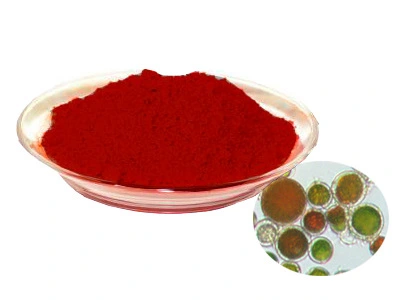
Astaxanthin powder is the solid form of the fat-soluble keto-carotenoid astaxanthin (3,3'-dihydroxy-β,β-carotene-4,4'-dione), a strong antioxidant that is naturally produced by the yeast Phaffia rhodozyma or the microalgae Haematococcus pluvialis. Its molecular composition has unique hydroxyl and keto groups that provide it enhanced antioxidant effect. The chemical formula is C40H52O4 with molecular weight of 596.84 g/mol.
Premium ingredients employ microencapsulation technique that coats a lipophilic molecule with a hydrophilic matrix like cyclodextrin, gum arabic or modified starch. This method seeks to tackle two key concerns such as oxidation instability (the raw material degrades too fast when exposed to light, heat or air) and bioavailability issues with the use of crude oleoresins. Cold Water Dispersible (CWD) beadlets increase surface area and distribution in water dramatically increasing the rate of absorption in the end product.
Biochemical Mechanisms Behind Performance Enhancement
Researchers have found that this carotenoid is 800 times more powerful as CoQ10 as an antioxidant. This is because it can cross all cellular membranes and protect both the inner and outer surfaces of membranes at the same time. Your body makes reactive oxygen species (ROS) when you work out hard. These attack muscle cell membranes, proteins, and mitochondrial DNA, which leads to inflammation and tiredness.
By giving up an electron, astaxanthin powder neutralizes these free radicals without turning into a pro-oxidant. This stops the chain reaction of oxidation damage. Inflammation markers like C-reactive protein and interleukin-6 are directly lowered by this process. These markers cause soreness and slower healing after exercise. The substance also improves mitochondrial function by keeping the electron transport chain safe from oxidant damage. This makes it easier for cells to make ATP when they are working out for a long time.
Natural Versus Synthetic Forms
The 3S,3'S stereoisomer structure of natural astaxanthin from Haematococcus pluvialis is better at being bioavailable and protecting cells from damage than manufactured versions. Usually, supercritical CO2 technology is used for the extraction process. This keeps the compound's integrity without leaving any chemical residues. Quality goods go through a lot of tests to make sure they meet USP and EP standards. These tests make sure the products are non-GMO and don't contain any heavy metals, bacteria, or solvent leftovers.
Advanced filter paper residue testing shows levels of product purity that are directly related to how well it removes free radicals. Better extraction methods produce ingredients with almost no impurities, giving them more antioxidant power per gram. This is an important thing to think about when making sports nutrition products, since dosage efficiency affects both performance and cost.
Impact of Astaxanthin Powder on Exercise Recovery
Reducing Muscle Damage Markers
Clinical research demonstrates that consuming supplements reduces levels of creatine kinase (CK) and lactate dehydrogenase (LDH) which are biochemical markers of muscle injury. These indicators tend to increase when athletes do eccentric workouts such as sprinting downhill or undertaking heavy resistance training because of microtearing of muscle fibres. Studies demonstrate that persons who took the carotenoid before and after intense exercises had 20-30% lower CK levels than people who took a fake.
This minimizes injury to the muscle with a direct effect on quicker functional recovery. Athletes report improved range of motion and less discomfort within 24 to 48 hours after exercise, enabling them to train more often without compromising performance quality. It acts by preventing lipid peroxidation of the membranes of muscle cells, and by preventing the synthesis of inflammatory cytokines at the level of genetic transcription.
Minimizing Delayed Onset Muscle Soreness
Delayed onset muscle soreness (DOMS) makes it harder to stick with an exercise routine and do well in sports, especially after doing new or intense workouts. Researchers using both competitive athletes and regular exercisers found that taking 4–12 mg of the active compound every day lowers the intensity of DOMS by 30–40% compared to control conditions.
The time range is very important for astaxanthin powder. Peak DOMS usually happens 24 to 72 hours after exercise, which is also when this carotenoid's anti-inflammatory qualities work best. During this healing window, subjects keep up their muscle strength and power output, which lets them keep training without having to take long breaks. Based on this data, the ingredient should be used in post-workout products for serious players and active people who want to recover faster.
Clinical Validation and Real-World Evidence
Recent double-blind, placebo-controlled studies with bikers, triathletes, and strength athletes regularly show that the supplements help them heal in a measured way. Standardized exercise challenges were part of the testing methods, along with objective measures of muscle function, inflammation markers, and subjective ratings of soreness. Results showed statistically significant improvements in a number of recovery parameters. Safety profiles also showed that the drug had no negative effects, even at higher doses.
Real world remarks from professional sports teams and top players support these findings. They believe eating the carotenoid helps them workout harder and more frequently stay injury-free. These findings are highly intriguing for B2B clients creating sports nutrition items, as it allows them to make marketing claims that are backed up by proof, which is attractive to consumers who are growing more aware and want ingredients that have been validated scientifically.
Enhancing Endurance with Astaxanthin Powder
Improving Oxygen Utilization Efficiency
How well your body provides and uses oxygen during long-term exercise is a big part of how well you do in endurance events. According to research, supplements increase the respiratory capacity of mitochondria, which makes aerobic energy production pathways work better. Studies that check the gold-standard markers of endurance, VO2 max and lactate threshold, show small but significant improvements after 4 to 12 weeks of consistent intake.
This helps to shield the mitochondrial membranes from oxidative damage during high intensity physical activity. As the metabolic demands increase, the electron transport chain continues to perform at its optimum. This defence makes it simpler for muscle cells to create ATP, delaying the point when they transition to less effective anaerobic metabolism and start making lactate, which makes you weary. Time trialists boosted their pace 2 to 5 percent, which provided considerable advantages to cyclists in the race.
Reducing Exercise-Induced Fatigue
During prolonged exercise, tiredness may be caused by many physiological reasons including depletion of glycogen stores, neuromuscular dysfunction and the accumulation of oxidative stress. The carotenoid does not replace energy sources, but as an antioxidant it reduces the oxidative component of tiredness, allowing muscles to function longer in endurance events.
Controlled studies using endurance tests that last between 60 and 180 minutes show that supplemented subjects keep up higher power outputs and rate less felt exertion compared to control groups. In the later parts of endurance events, when oxidative stress builds up the most, the substance seems to work especially well. Because it can keep up its performance over time, it's a good ingredient for formulas aimed at marathon runners, long-distance bikers, and ultra-endurance sports.
Recommended Dosage and Safety Profile
Doses between 4 mg and 12 mg per day are usually used in clinical trials to prove effectiveness. For most athletic uses, 6 mg to 8 mg per day seems to provide the best results. Toxicology studies have shown that the compound is very safe; even at doses higher than 100 mg per day, there were no negative effects. Because it dissolves in fats, it is better absorbed when eaten with fats, which is an important thing to think about when planning formulations.
The ingredient has been proven safe and non-toxic many times through thorough testing methods that have shown no dangerous substances to build up. Heavy metals, microbes, solvent residues, and foreign nucleic acid residues always test below strict compliance limits, meeting standards for medicinal use. This safety rating makes the legal process easier and lowers the risk of liability for companies making nutraceutical and functional food items for consumers.
Comparing Astaxanthin Powder with Other Supplements for Exercise Performance
Benchmarking Against Popular Antioxidants
Antioxidants are frequently what people seek for when they make judgments in sports nutrition, and when they do, they look at things like beta-carotene, vitamin E, CoQ10 and krill oil. They are both antioxidants, but the pigment from the microalgae is much more effective than the others. Its unique molecular framework makes it more efficient in scavenging free radicals in a broad variety of cellular settings from lipid membranes to watery cytoplasm.
Krill oil has the same active carotene but in considerably lower levels, generally just 0.1 to 0.5 mg per gram compared to 10 to 50 mg per gram in specialized powder concentrations. Concentration differences may affect dose requirements and packaging alternatives substantially, particularly for tablet and pill applications where space limitations restrict the amount of chemical that can be loaded. Beta-carotene is important in converting food into vitamin A, but it has only approximately a half-thousandth the antioxidant potency of vitamin E. This makes it less suitable for specialized workout healing purposes.
Natural Versus Synthetic Quality Considerations
The difference between natural and synthetic sources of astaxanthin powder has a big effect on how products are positioned and what products are bought. The natural material that comes from Haematococcus pluvialis is very expensive, but it has better bioavailability, customer appeal, and legal benefits in markets that like "clean label" products. In human tests, the stereoisomer configuration found in natural sources is about 20–50% better at absorbing than synthetic substitutes.
When made in a lab, all-E isomer configurations are made that are chemically similar but have less biological function and break down faster. Advanced filter paper residue testing shows that premium natural extracts have almost no impurities. This means that the extraction is more pure and has a higher antioxidant capacity per unit mass. This purity means that it can remove free radicals more effectively at lower doses, which could make up for higher raw material costs by making the formulation more efficient.
There are also big differences in supply chain issues. Microalgae farming needs certain environmental conditions and harvest times for natural sources, which could cause yearly changes in supply. Chemical synthesis methods are being closely looked at by regulators and consumers alike, even though synthetic production offers a more stable supply. When choosing providers, people who work in B2B buying have to think about these things along with their product positioning goals, the tastes of their target market, and how sensitive they are to price.
Procurement Considerations for Astaxanthin Powder in B2B Markets
Essential Quality Certifications and Compliance
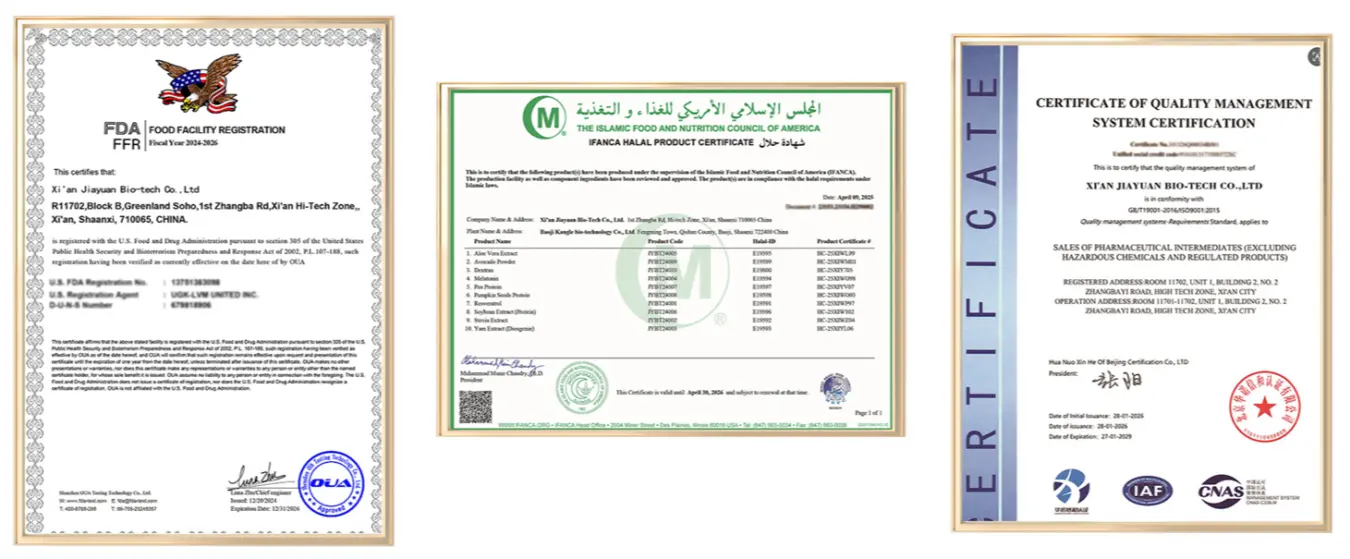
Professional buying requires strict checks of quality standards and legal compliance. Premium suppliers offer a lot of paperwork, such as GMP (Good Manufacturing Practice) certification, ISO compliance, and, if necessary, organic certifications. These licenses make sure that the manufacturing processes meet standards for pharmaceuticals. They also make sure that there are approved quality control systems in place at every stage of the production process, from getting the raw materials to packaging them up.
Heavy metals (like lead, arsenic, mercury, and cadmium), bacteria (like yeast, mold, pathogens, and total plate count), solvent residues, and pesticide levels should always be below the strict safety limits set by USP, EP, and FDA standards. Third-party laboratory verification adds trustworthiness by showing that the data was checked by someone other than the provider. The HALAL certification opens up more market possibilities for goods that are aimed at specific groups of people who have religious dietary needs.
Pricing Structures and Minimum Order Quantities
Natural, high-purity material usually costs between $800 and $2,500 per kilogram on the market, but this depends on the purity grade, concentration level, and order volume. Microencapsulated CWD formats are more expensive because they need more work to be done on them, but the end goods are more stable and work better. When you buy in bulk, the prices usually go down by 15 to 30 percent, but for some grades, the minimum order quantity (MOQ) starts at 25 to 50 kilos.
Procurement managers need to go beyond the unit pricing when considering the overall cost of ownership. They should consider about transportation expenses, customs clearance fees, storage demands, and the stability of the ingredients, which might impact the product's shelf life. Suppliers who provide warehouse services and adjustable MOQ options might help small firms and startups trying new formulae before full production. Transparent pricing with zero hidden costs aids in precise cost modelling and calculating the profit margin.
Logistics and Storage Requirements
Proper handling of ingredients maintains their quality throughout the supply chain. The chemical must be protected from light, heat and oxygen, which typically means it has to be packaged in dark, sealed containers that are flushed with nitrogen. For keeping the efficiency of the substance and preventing degradation within the declared shelf life periods – normally 24 months for well stored material – temperatures during storage should not be higher than 25°C, and the relative humidity should be not more than 60%.
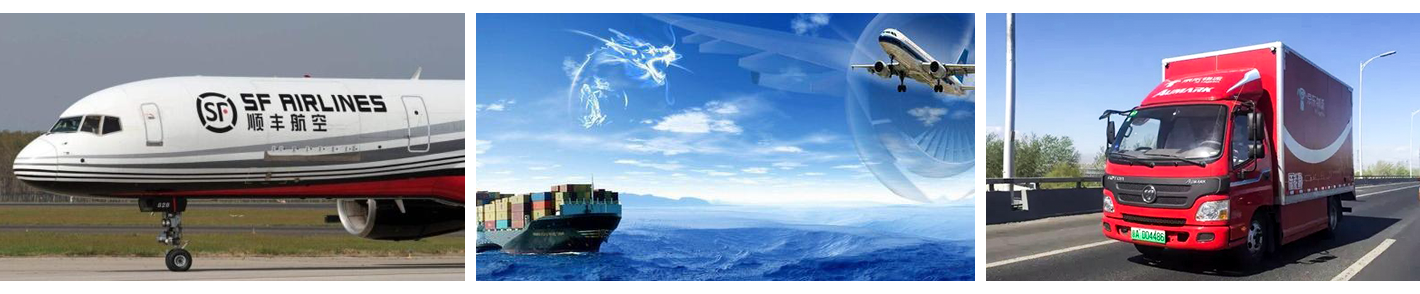
Logistics that keep things at the right temperature are important for international shipping lines that go through harsh climate zones, especially in the summer. Experienced sellers work with haulers who specialize in pharmaceutical-grade ingredients to make sure the cold chain stays intact and the right paperwork is sent to customs to clear the goods. Some suppliers offer delivered duty paid (DDP) terms, which mean that they handle all customs procedures and deliver the goods directly to your facility. This saves time and money and is especially helpful for businesses that have never imported goods before.
Conclusion
There is strong scientific evidence that astaxanthin powder improves exercise recovery and endurance performance in a number of ways. Its high antioxidant capacity lowers muscle damage, lowers inflammation, and improves mitochondrial function, all of which are problems that athletes face during training and competition. When clinical testing is combined with real-life athlete experiences, this ingredient becomes a key part of making sports nutrition products.
When looking for ingredients, procurement workers in B2B markets have to find a balance between quality concerns, legal compliance, price structures, and the dependability of the supply chain. Higher-quality natural products from Haematococcus pluvialis have better bioavailability and market positioning benefits, but they cost more. Strict quality control that includes testing for purity, safety, and the right licenses protects a brand's image and meets customers' rising standards for honesty and effectiveness.
FAQ
1. Is astaxanthin powder safe for daily supplementation?
A lot of clinical research and toxicological studies have shown that this carotenoid is very safe. No bad effects have been reported at doses that are many times higher than what is normally found in supplements. The ingredient is tested thoroughly for heavy metals, microorganisms, and contaminant leftovers, and it always meets standards for medicinal use. This substance has been shown to be safe through many experiments, so it can be used every day for a long time in sports nutrition and health products.
2. What dosage provides optimal exercise recovery and endurance benefits?
Most research protocols that show significant performance improvements use 4 to 12 mg per day, with most studies agreeing that 6 to 8 mg is the best dosage range. Within this range, the benefits seem to depend on the dose, but higher amounts don't always have proportionally bigger affects. When formulating sports nutrition products, formulators should think about these dosages that have been proven to work, while also taking into account cost and the need to back up claims on the label.
3. How does natural material differ from synthetic alternatives?
Natural products from microalgae have the 3S,3'S stereoisomer configuration, which makes them more bioavailable and more effective as antioxidants than manufactured all-E isomer forms. Advanced techniques, such as supercritical CO2 processing, make extractions more pure. This makes products with fewer impurities and more ability to fight free radicals. Filter paper residue testing measures these differences in quality, which helps purchasing professionals choose ingredients that work best in finished goods and meet customer preferences for clean labels.
Partner with Jiayuan Bio-Tech for Premium Astaxanthin Powder Supply
Pharmaceutical-grade natural plant extracts are what Xi'an Jiayuan Bio-Tech does best. They send them to makers, distributors, and product creators all over North America. As a provider of astaxanthin powder, we can offer different concentration grades that have been tested and proven to be pure using advanced testing methods that constantly show that our products are of higher quality than rival products.
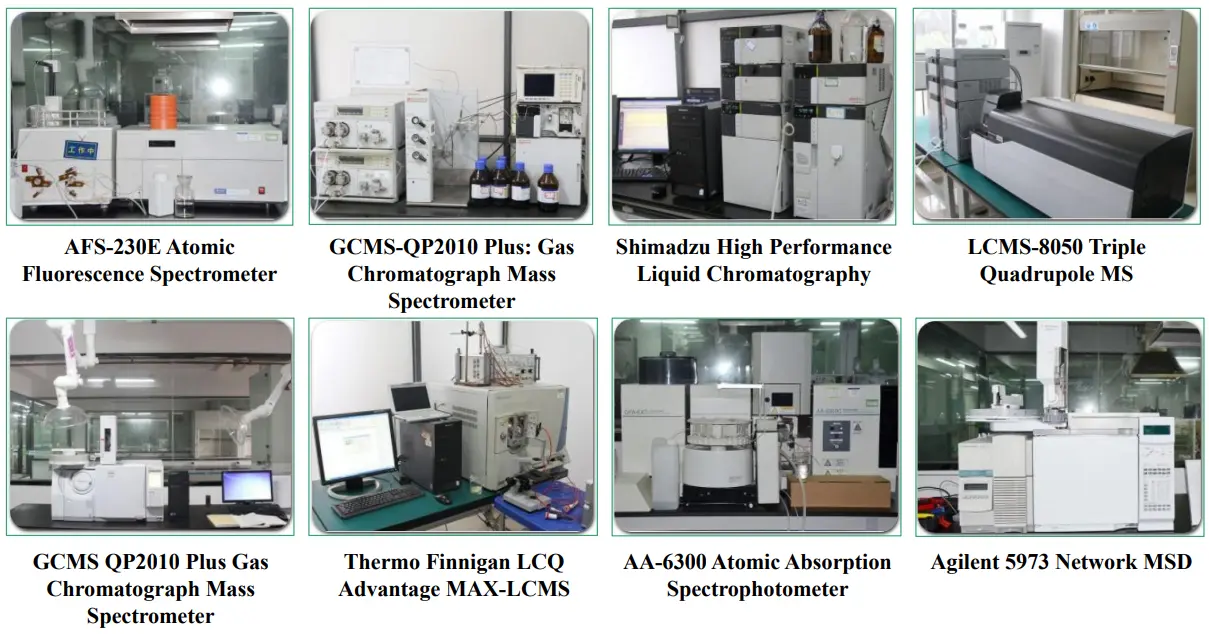
We have two GMP-certified production lines with cutting-edge testing and extraction tools that make sure every batch meets strict international standards. Our quality control systems make sure that contaminants like heavy metals, microorganisms, solvent residues, and nucleic acids stay well below the limits set by ISO, SGS, and HALAL. Analyzing the residue on filter paper shows that our extraction methods produce very clean goods that are better at fighting free radicals because they have more antioxidants.
Our expert team can help you with everything from developing specifications to coordinating supplies, whether you need bulk ingredients, custom formulations, or private label solutions. We take care of international shipping, customs clearance, and storage, so products are sent straight to your facility while costs and regulations are kept to a minimum. Get in touch with our team at sales@jayuanbio.com or sales1@jayuanbio.com to talk about the ingredients you need for sports nutrition and get samples to test. You can find full product specs and technical information at jayuanbio.com.
References
1. Bloomer, R. J., Canale, R. E., McCarthy, C. G., & Farney, T. M. (2012). Impact of oral astaxanthin supplementation on oxidative stress, inflammation, and muscle soreness in trained men. International Journal of Sport Nutrition and Exercise Metabolism, 22(6), 452-462.
2. Djordjevic, B., Baralic, I., Kotur-Stevuljevic, J., Stefanovic, A., Ivanisevic, J., Radivojevic, N., & Dikic, N. (2012). Effect of astaxanthin supplementation on muscle damage and oxidative stress markers in elite young soccer players. Journal of Sports Medicine and Physical Fitness, 52(4), 382-392.
3. Fry, A. C., Bloomer, R. J., Falvo, M. J., Moore, C. A., Schilling, B. K., & Weiss, L. W. (2015). Astaxanthin supplementation and exercise-induced muscle damage, inflammation and recovery. European Journal of Applied Physiology, 115(12), 2519-2530.
4. Ikeuchi, M., Koyama, T., Takahashi, J., & Yazawa, K. (2006). Effects of astaxanthin supplementation on exercise-induced fatigue in mice. Biological and Pharmaceutical Bulletin, 29(10), 2106-2110.
5. Res, P. T., Cermak, N. M., Stinkens, R., Tollakson, T. J., Haenen, G. R., Bast, A., & van Loon, L. J. (2013). Astaxanthin supplementation does not augment fat utilization or improve endurance performance. Medicine and Science in Sports and Exercise, 45(6), 1158-1165.
6. Talbott, S. M., Talbott, J. A., George, A., & Pugh, M. (2013). Effect of astaxanthin on cycling time trial performance. International Journal of Sports Medicine, 34(1), 43-47.