Where to Buy Pure Astaxanthin Powder: 2026 Sourcing Guide
If you're a formulation lead or R&D customer looking for a dependable supplier of pure astaxanthin powder for 2026, you've come to the correct spot. You will learn the difference between premium-grade astaxanthin ingredients and the ordinary ones, how to assess suppliers the right way, and where Xi’an Jiayuan Bio-Tech fits into your procurement plan, in this book. The choices you make at sourcing, from lab testing to manufacturing scale-up, have direct effects on the quality of your completed product and market reputation.
Understanding Pure Astaxanthin Powder: Key Insights for Procurement
What Is Pure Astaxanthin Powder?
Haematococcus pluvialis microalgae produce pure astaxanthin powder, an antioxidant. A keto-carotenoid. Its formula is C₄H₅O₄ and its molar mass is 596.84 g/mol. This molecule, the "King of Carotenoids," is 6,000 times stronger than Vitamin C and 550 times stronger than Vitamin E as an antioxidant. As a powder ingredient, it is offered to businesses in concentrations between 1% and 10% for oral beauty, sports nutrition, and nutraceutical goods.
Natural vs. Synthetic Astaxanthin: Why It Matters
The natural astaxanthin from algae has an optical isomer configuration of (3S, 3'S), which has been shown to have greater biological absorption than synthetic racemic mixes (3R,3'R / 3R,3'S / 3S,3'S). The synthetic ones derived from petrochemicals have the racemic mix and don’t have the same isomer profile. This is a quality criterion for all high-end supplement companies and oral beauty lines: natural-sourced astaxanthin with verified isomer data.
Regulatory and Safety Considerations
Pure astaxanthin powder is GRAS according to the FDA and is okay to be used in food supplements according to the EFSA. When buying for the U.S. market, buyers should make sure that sellers give full COA paperwork that covers microbial limits, solvent residues, heavy metals (below 10 ppm), and foreign nucleic acid residues. Before an order is placed, good suppliers of astaxanthin ingredients will have this information ready.
Comparing Pure Astaxanthin Powder: Making an Informed Choice
Powder vs. Other Delivery Forms
Astaxanthin comes in powder, oleoresin, and water-dispersible forms. Powder may be employed in topical bases, capsule fills, and tablet compression, giving R&D teams the greatest flexibility for creating novel compositions. Oleoresin works effectively in liquid softgels and cold-water-dispersible (CWD) powder in beverages and stick packs. Formulators may start with a high-potency, dose-efficient foundation that decreases carrier load per unit with 5% to 10% astaxanthin powder.
Astaxanthin Powder vs. Krill Oil and Spirulina
Pure astaxanthin powder offers more antioxidants than krill oil, however it is difficult to package since pure astaxanthin powder doesn't have the fishy odor. Spirulina powder is made from algae and has less pigment antioxidants. For firms looking to pitch their goods as beneficial to oxidative stress, improving the appearance of skin, or aiding athlete recovery, the astaxanthin powder ingredient will be more appropriate.
What Defines High-Purity Astaxanthin Ingredient?
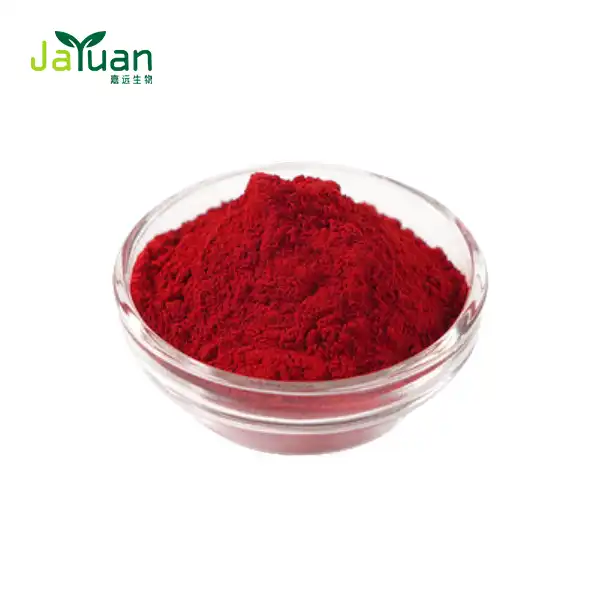
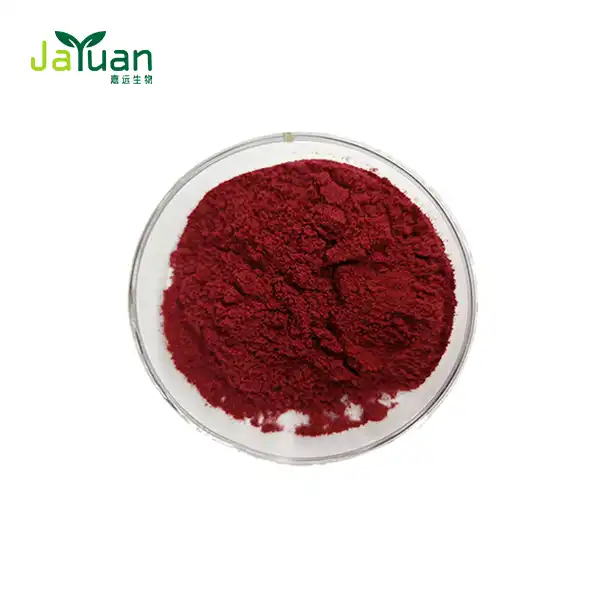
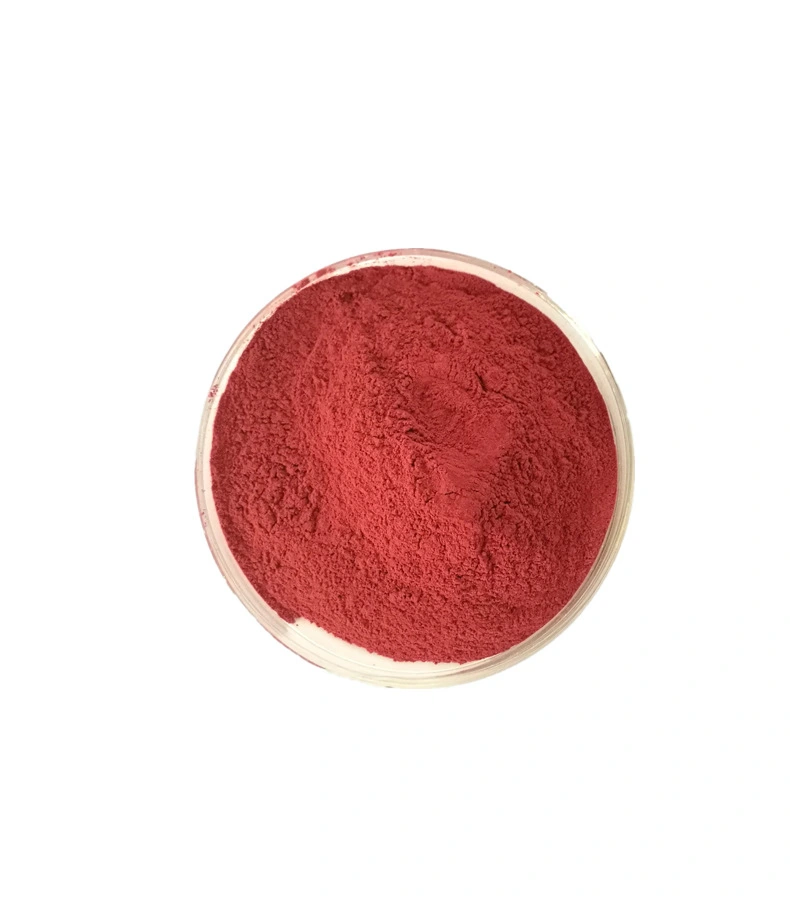
Pure astaxanthin powder is a deep red to violet-red in colour, indicating that the carotenoids are still intact. A helpful approach of checking the quality of the extraction is to do a filter paper residue test. Clean powder with minimal amount of residue indicates fewer inactive carriers and more active portion. Good firms with good goods will have good photos and good data in their technical documents to prove their effectiveness of removing free radicals in the lab.
How to Source Pure Astaxanthin Powder: Practical B2B Procurement Guide
Supplier Qualification Criteria
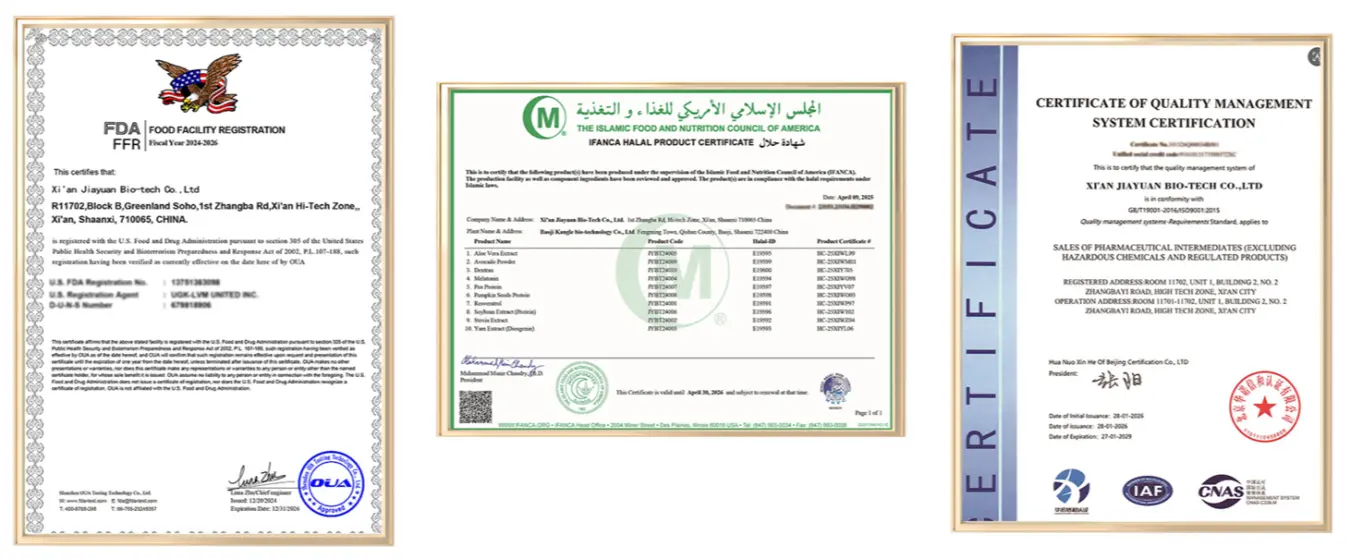
The minimal requirements for an astaxanthin powder supplier include GMP-certified, ISO-certified, a complete COA validated by a third-party lab, and batch consistency records. Suppliers with HALAL, Kosher, or organic certifications help market outlets comply. Before ordering a sample, get genuine COA data for heavy metals, microorganisms, and solvent residues.
Here are the main things that every R&D buyer should check to make sure a supplier is qualified:
- COA completeness: Confirm that heavy metals, microbial counts, solvent residues, and exogenous nucleic acid residues are all tested and within regulatory limits.
- Batch color consistency: Request color data (CIE or visual grading) across at least three production batches to assess pigment stability between runs.
- Free sample availability: A credible astaxanthin ingredient supplier will offer sample quantities for lab validation before committing to volume orders.
When you do these checks during the qualification stage, they protect your formulation program from costly quality changes that happen in the middle of production.
Pricing and Volume Considerations
5% to 10% astaxanthin powder is more expensive than 1% to 2% concentration powder because it is extracted more powerfully and microencapsulated more accurately. Cost per active mg frequently favours larger concentration grades in comparison with completed dose targets, however. You may reduce your effective landed cost per kilogram by buying directly from a GMP-certified manufacturer, therefore cutting out middleman mark-ups.
Sampling and Trial Order Strategy
Ask for at least 50–100g for the first lab tests. Check the supplier's COA claims against the data on color uniformity, dispersibility, and antioxidant activity. Check to see if the sample batch number matches the COA that was given. Before committing to full production numbers, a test order of 1–5 kg should be placed after successful lab proof.
Top Pure Astaxanthin Powder Brands and Manufacturers in 2026
What to Look for in a Leading Manufacturer
By 2026, a trustworthy manufacturer of astaxanthin powder will have GMP-approved manufacturing lines, get their raw materials from accredited algae farms, and maintain evidence of compliance with regulations for various markets. Being able to provide bespoke concentration standards or adjust micro-encapsulation ratios is one thing that distinguishes businesses formulating their own formulae.
Xi'an Jiayuan Bio-Tech: A Manufacturer Worth Evaluating
Xi'an Jiayuan Bio-Tech uses GMP-standard production lines that are certified by ISO, SGS, and HALAL to make natural plant extract chemicals, such as pure astaxanthin powder. Heavy metals, microbes, solvent residues, and exogenous nucleic acid residues are all found to be within the acceptable levels in their astaxanthin ingredient. Filter paper residue tests on their product shows lower impurity levels compared to competition samples. This means that the extraction process is more pure and the product is better at getting rid of free radicals.
Experiments have been done over and over again to make sure the product is safe and non-toxic. This gives R&D teams trust when they move from bench trials to production scale. Jiayuan also helps with foreign transportation through FedEx, DHL, UPS, and EMS. They can help U.S. and European importers clear customs and send the ingredient straight to your plant.
Evaluating Batch Consistency Across Suppliers
Color consistency from batch to batch is a useful sign of dependability. Ask for spectrophotometric and visible color measurements for more than one lot. Trustworthy companies that make astaxanthin powder will gladly give you this information. Before making a supply deal, a supplier should be careful if they can't confirm that the color will be the same from batch to batch.
Best Practices for Integrating Pure Astaxanthin Powder into Your Product Line
Formulation Stability Guidelines
Astaxanthin is sensitive to light and oxygen, and to heat. Keep in vacuum sealed, light-proof container at temperatures below 8°C. Add complementing lipid carriers and antioxidants to make compositions more stable. Do not combine with high shear mixing since it produces heat.
Regulatory Documentation for Market Entry
For nutraceutical products sold in the U.S., make sure the ingredient is GRAS and keep supplier COA records for each production lot. For reports of new foods or food supplements, markets controlled by the EFSA need more information. Before you start the registration process for a new market, ask your supplier for a full regulatory package.
Building Long-Term Supplier Relationships
Getting sustainable ingredients relies on suppliers being open and honest. Agree on who can do an annual batch audit, how to handle quality problems, and when prices will be reviewed based on the verified costs of raw materials. When suppliers offer to work with researchers on custom ratios or microencapsulation variations, they are no longer just transactional sellers but also strategic partners.
Conclusion
Finding a listed supplier isn't enough to get high-quality pure astaxanthin powder. You also need to make sure that the COA is correct, that the batches are consistent, and that your formulation specs match up with what the manufacturer can reliably deliver. Most quality supplement and oral beauty uses are within the 5%–10% concentration range. For brands that care about ingredient trustworthiness, a natural algae-derived product with confirmed (3S, 3'S) isomer data is the best choice. Xi'an Jiayuan Bio-Tech has an astaxanthin ingredient that can be tracked, tested, and meets GMP and ISO standards. To start your review, go to jayuanbio.com or call the team directly.
FAQ
1. What concentration of astaxanthin powder is standard for supplement formulations?
Commercial astaxanthin powder ingredient typically ranges from 1% to 10% concentration in powder matrix form. For premium nutraceutical and oral beauty applications, 5% and 10% grades are preferred because they allow higher active dosing per capsule without excessive filler.
2. What certifications should I require from a supplier?
At minimum, request GMP certification, ISO certification, and a full COA covering heavy metals, microbial limits, solvent residues, and exogenous nucleic acid residues. HALAL, Kosher, or non-GMO certifications add value depending on your target market requirements.
3. What is the typical MOQ for astaxanthin powder?
Most manufacturers set MOQs between 1 kg and 5 kg for sample or trial orders, with standard production MOQs starting at 10–25 kg. Factory-direct suppliers may offer lower MOQs for new accounts to support the sampling and validation process.
Partner with Jiayuan Bio-Tech for Your Astaxanthin Ingredient Needs
Xi'an Jiayuan Bio-Tech is a verified company that makes and sells pure astaxanthin powder. Their production is GMP-certified, they have full compliance documentation, and their prices are factory-direct. We give free samples to approved R&D buyers, make sure the quality of each batch is the same, and deliver straight to your building. Get in touch with our team right away to talk about your unique needs and to request a COA plan.
Please send your resume to sales@jayuanbio.com or sales1@jayuanbio.com.
References
1. Guerin, M., Huntley, M. E., & Olaizola, M. (2003). Haematococcus astaxanthin: Applications for human health and nutrition. Trends in Biotechnology, 21(5), 210–216.
2. Ambati, R. R., Phang, S. M., Ravi, S., & Aswathanarayana, R. G. (2014). Astaxanthin: Sources, extraction, stability, biological activities and its commercial applications—A review. Marine Drugs, 12(1), 128–152.
3. Fakhri, S., Abbaszadeh, F., Dargahi, L., & Jorjani, M. (2018). Astaxanthin: A mechanistic review of its biological activities and health benefits. Pharmacological Research, 136, 1–20.
4. Nishida, Y., Yamashita, E., & Miki, W. (2007). Quenching activities of common hydrophilic and lipophilic antioxidants against singlet oxygen using chemiluminescence detection system. Carotenoid Science, 11, 16–20.
5. U.S. Food and Drug Administration. (2010). GRAS Notice 000294: Astaxanthin from Haematococcus pluvialis. FDA GRAS Notification Program.
6. European Food Safety Authority (EFSA). (2014). Scientific opinion on the safety of astaxanthin-rich ingredients from Haematococcus pluvialis. EFSA Journal, 12(6), 3686.