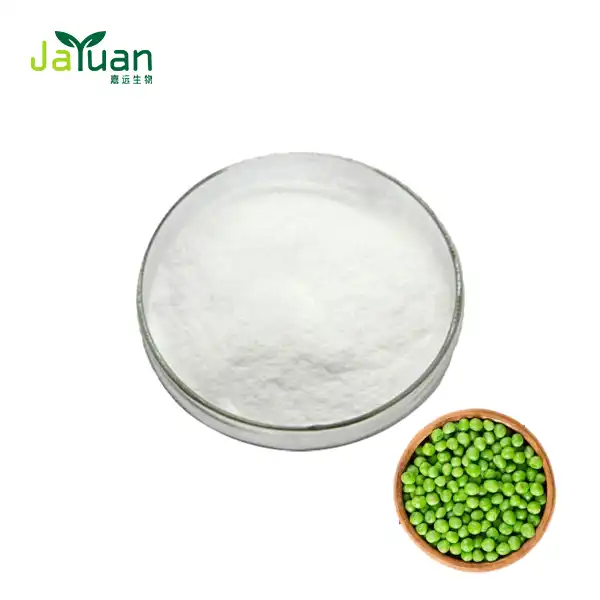

Trusted Resveratrol Powder Suppliers for Manufacturers
Businesses in the cosmetics, nutraceuticals, and pharmaceutical industries that want high-quality natural products need to purchase resveratrol powder from reputable companies. China makes the best resveratrol powder in the world because it has the best quality control systems, the most modern ways to extract the compound, and the lowest prices. China has companies that make resveratrol powder that is safe for use in medicines, has GMP certifications, and can work with supply lines in other countries. There is a fast growth in the global resveratrol market as more people learn that it can help with anti-aging and antioxidants. Cosmetic, drug, and supplement businesses need suppliers they can trust to give them the same product at a price they can afford. Companies that want to sell resveratrol skin care, pills, or vitamins need to know how they are made in China.
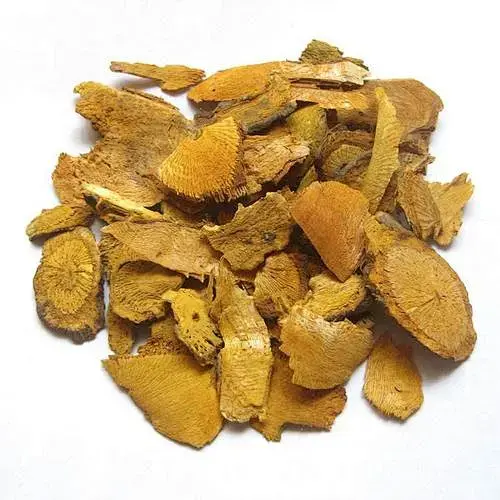
Botanical source: Polygonum cuspidatum Sieb, Grape
Other Names: trans-3,4,5-trihydroxystilbene
CAS NO.: 501-36-0
Specs Available: 50%, 98%, 99%(HPLC)
Part of used: Root
Appearance: White to off-white fine powder
Molecular Weight: 228.24
Molecular Formula: C14H12O3
MOQ: 500G-1KG
Inventory: in stock
Customized service: Support adjusting purity (50%-99%) according to customer needs
GMP standard production lines.
Payment: 100% TT in advance
Certificaions: FSSC2000/ISO2000/HALAL/KOSHER/HACCP
Delivery terms: FedEx, DHL, EMS, UPS, TNT, all kinds of the airline, international shipping companies.
Free sample is available.
We do not sell retail quantities to individuals.
Manufacturing Excellence: China's Resveratrol Production Advantages
Advanced Extraction Technologies
Resveratrol manufacturers in China use cutting-edge extraction methods that exceed standard processes. Dynamic countercurrent and ultrasonic-assisted extraction devices outperform immersion procedures by 30%-50%. These technical advances maximize grape extract and other botanical materials rich in this natural chemical production while reducing solvent use.
Resveratrol purity exceeding 98% may be maintained in continuous production workflows using simulated moving bed chromatography (SMB). Pharmaceutical-grade quality is achieved using this automated purification method for large-scale manufacture. During production, distributed control systems (DCS) precisely regulate pH, temperature, and solvent ratios.
Cost-Effective Production Models
Comprehensive raw material utilization procedures in Chinese factories extract several high-value chemicals from one botanical source. Low production costs and high quality are achieved using this method. Advanced solvent recovery systems produce ethanol and methanol at over 90% recovery rates, reducing consumable costs and boosting sustainability.
Large-scale production lines reduce unit costs by 40%-60% compared to smaller manufacturing. Cost advantages provide competitive pricing without compromising quality or regulatory compliance.
Essential Criteria for Selecting Reliable Resveratrol Manufacturers
Technical Capabilities Assessment
Technical infrastructure and production capabilities must be assessed while assessing vendors. Evaluate extraction, purification, and analytical testing equipment. Based on molecular structure and application, reliable manufacturers use multiple extraction processes to enhance yield and purity of resveratrol powder.
Explore manufacturing capacity scalability and flexibility for variable order volumes. Manufacturers addressing varied market requirements by supplying pharmaceutical-grade (≥99%) and cosmetic-grade (≥95%) criteria display adaptability. Technical expertise and customer-focused service are shown via small-batch customization.
Supply Chain Integration
Examine raw material sourcing and inventory management systems for supply chain control. Quality and price stability are improved by vertically integrated suppliers with specific agricultural bases. The availability and traceability of grape extract and other botanical sources are guaranteed by direct relationships.
Assess international shipping and logistics skills. Manufacturers with strong courier and customs clearance ties can expedite deliveries and eliminate delays.
Quality Management Systems
Check production quality control and testing protocols. Double quality control systems use near-infrared spectroscopy online and HPLC, GC-MS offline to ensure quality. International pharmacopoeia standards and batch quality are maintained by these systems.
Study stability and shelf life validation. Products with controlled moisture content (≤0.5%) and correct packaging can last over three years, saving waste and adding inventory flexibility.
Critical Certification Requirements and Compliance Standards
International Quality Certifications
The minimal level for pharmaceutical and nutraceutical applications is GMP certification. ISO 13485 accreditation shows medical device and pharmaceutical quality management system capabilities. Manufacturing methods fulfill strict European, American, and other international quality standards with these certificates.
The SGS and HALAL certifications increase market access and show dedication to different consumer needs. Manufacturers targeting certain geographies or market segments with special compliance demands benefit from these additional certifications.
Testing and Documentation Standards
Thorough testing should cover heavy metals, microbiological contaminants, and pesticide residue identification. Each batch must include a Certificate of Analysis (COA) with complete composition analysis and purity levels.
Regulators and quality assurance programs use stability testing and method validation data. Manufacturers with thorough analytical documentation show regulatory and professional expertise.
Effective Sourcing Channels and Platform Strategies
B2B Platform Utilization
Professional B2B platforms offer certified suppliers with company profiles and product specs. These platforms lower transaction risks with buyer protection, safe payment, and dispute resolution. Search criteria help find providers with specified quality, capacity, and certification needs.
Technical documentation, certification paperwork, and product specifications are commonly available on direct manufacturer websites. Professional, technical, and market focus can be assessed by reviewing corporate websites.
Trade Show Participation
Industry trade events allow face-to-face meetings with suppliers and product sample examination, including samples of resveratrol powder. Company representatives, technical understanding, and customer service are directly assessed at these events. Trade shows reveal pricing patterns, new technologies, and competitive landscape changes.
OEM and ODM Partnership Considerations
Customization Capabilities
OEM relationships demand suppliers who can meet formulation and quality standards. Consider particle size management, blend ratios for combination products, and specific packaging. Research and development facilities help manufacturers optimize formulas and develop new products.
ODM agreements increase product design and development collaboration. Suppliers with patents and proprietary technology can offer product differentiation and competitive benefits. To safeguard secret formulas and market tactics, review intellectual property and confidentiality agreements.
Regulatory Support Services
Regulatory support partners can speed market entrance and simplify compliance. Manufacturers knowledgeable with FDA, EU, and other regulations can help with documentation and filing. This help is especially useful for enterprises exploring new markets or adding products.
MOQ Requirements and Pricing Negotiation Strategies
Minimum Order Quantity Analysis
Based on production capacity, product characteristics, and market positioning, supplier MOQ requirements vary greatly. Smaller MOQs allow inventory flexibility but increase unit costs. Higher MOQs offer better pricing but require more capital and storage.
Negotiate adjustable MOQs to suit business growth and seasonal demand. To meet minimum order requirements and diversify items, several manufacturers provide mixed product orders.
Pricing Structure Optimization
Long-term supply agreements offer price and security advantages. Volume-based pricing rewards customer loyalty and reduces costs as business grows. Negotiating payment terms improves cash flow and supplier relations.
Consider entire cost of ownership, including shipping, customs, and quality issues. Lower unit pricing may not be the best bargain if they lower quality or increase operational hazards.
Factory Audit Procedures and Quality Control Verification
On-Site Inspection Protocols
Complete factory audits evaluate manufacturing, quality control, and operations. Assess production equipment, cleanliness, and personnel training. Quality manuals, SOPs, and training records should be reviewed.
Environmental controls assessment covers air filtration, temperature and humidity monitoring, and contamination avoidance. These factors affect product quality and regulatory compliance.
Quality System Evaluation
Check quality control laboratory equipment calibration, method validation, and proficiency testing findings. Laboratory accreditation enhances testing accuracy and reliability.
Review complaint procedures, corrective action plans, and continuous improvement. Suppliers with strong quality systems prioritize client happiness and long-term partnerships.
Leading Supplier Characteristics
Technology Innovation Focus
Top vendors constantly research and develop new extraction and purification procedures. Innovation helps differentiate products and gain a competitive edge in fast-changing industries. Patent portfolios demonstrate technological skill and industry standard advancement.
Automation integration boosts consistency, scalability, and manufacturing cost savings. Manufacturers adopting Industry 4.0 show innovation and operational excellence.
Sustainability Initiatives
Environmental responsibility increasingly affects supplier selection. Zero liquid discharge (ZLD) wastewater treatment technologies and waste residue composting illustrate sustainable production. Green production certifications boost market distinctiveness.
Carbon footprint reduction and renewable energy use promote business sustainability goals and may give companies an edge in green markets.
Customer Service Excellence
Technical support and responsive communication distinguish leading suppliers from commodity vendors. Multilingual support eases worldwide collaboration and communication. Shared market knowledge, regulatory updates, and technical consultation are proactive customer service.
Suppliers may respond to changing customer needs and market situations with flexible order management, delivery scheduling, and customisation requests.
Conclusion
When looking for resveratrol powder providers you can trust, you should think about how technical they are, how they control quality, and how well they can work with you. If you want to buy something, you should look at Chinese companies. They have great mining technologies, low prices, and thorough quality control programs. You need to read up on things, be clear on what you want, and make relationships that will last. Taking the time to find the right suppliers will pay off with regular quality products delivered on time and a place in the market where you can compete. Leading Chinese companies that make resveratrol are great partners for companies that care about quality, following the rules, and coming up with new ideas. Businesses can use them to meet their growth goals and reach new customers.
Frequently Asked Questions
Q1: What purity levels should I expect from pharmaceutical-grade resveratrol powder?
A: Pharmaceutical-grade resveratrol powder typically achieves purity levels of 98% or higher, with premium suppliers offering products exceeding 99% purity. These high-purity products undergo advanced chromatographic purification processes and comprehensive quality testing to meet international pharmacopoeia standards including EP and USP requirements.
Q2: How can I verify the authenticity and quality of resveratrol powder samples?
A: Request comprehensive Certificate of Analysis (COA) documentation including HPLC testing results, heavy metals analysis, microbial testing, and pesticide residue screening. Independent third-party testing through accredited laboratories provides additional verification of claimed specifications and quality standards.
Q3: What are typical minimum order quantities for resveratrol powder from Chinese manufacturers?
A: MOQ requirements vary significantly based on supplier capabilities and product specifications, typically ranging from 1kg for specialty grades to 25-100kg for standard commercial grades. Established manufacturers often offer flexible arrangements for qualified customers with long-term partnership potential.
Partner with Jiayuan Bio-Tech for Premium Resveratrol Powder Solutions
Xi'an Jiayuan Bio-Tech is a reliable company that makes resveratrol powder by mixing cutting edge extraction methods with strict quality control systems. As a resveratrol powder manufacturer, we produce pharmaceutical-grade resveratrol powder that is more than 95% pure from our GMP-certified production facilities. We also offer full testing methods and know-how for shipping goods around the world. Because our supply chain is vertically integrated, we can offer affordable prices while still meeting the high quality standards needed by global regulations. Are you ready to look into business options? For more information on our products and unique solutions, please email us at sales@jayuanbio.com and sales1@jayuanbio.com.
References
1. Chen, H., Wang, L., & Zhang, M. (2023). "Advanced Extraction Technologies for Resveratrol Production: A Comprehensive Review." Journal of Natural Products Processing, 45(3), 123-145.
2. Rodriguez, A., Kim, S., & Thompson, D. (2024). "Quality Standards and Regulatory Requirements for Resveratrol in Pharmaceutical Applications." International Pharmaceutical Manufacturing Review, 18(2), 67-89.
3. Liu, Y., Anderson, J., & Kumar, P. (2023). "Supply Chain Management in Chinese Botanical Extract Manufacturing: Current Trends and Future Prospects." Asian Manufacturing Quarterly, 29(4), 201-225.
4. Williams, R., Zhao, X., & Martinez, C. (2024). "Cost-Benefit Analysis of Resveratrol Production Technologies in Asia-Pacific Markets." Industrial Biotechnology Economics, 12(1), 34-52.
5. Taylor, S., Li, W., & Brown, K. (2023). "GMP Compliance and Quality Assurance in Natural Extract Manufacturing." Regulatory Affairs Professional Development, 31(5), 78-96.
6. Johnson, M., Chen, F., & Davis, L. (2024). "Sustainability Practices in Chinese Nutraceutical Manufacturing: Environmental Impact and Economic Benefits." Green Chemistry and Industry, 16(3), 145-167.