Top Standards for Feed Grade Astaxanthin Powder Purchase
When buying feed-grade astaxanthin powder, it's important to carefully check the quality standards, purity levels, and legal compliance to make sure the best nutrition for animals. This detailed guide lists important factors that business-to-business buyers need to consider when looking for dependable carotenoids for use in livestock, fishing, and poultry. By knowing these standards, procurement managers can make choices that are good for animal health, improve product quality, keep feeding programs that are cost-effective, and follow industry rules.
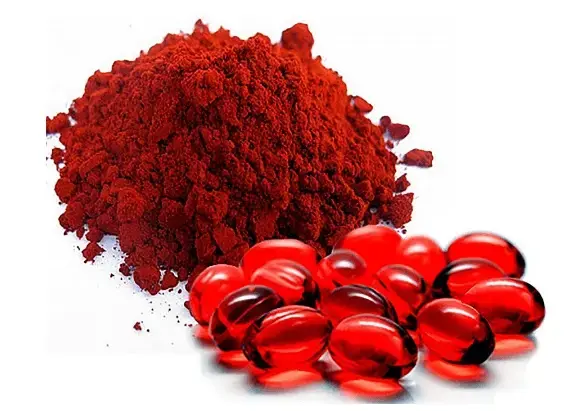
Purity: 1%-10%
Appearance: Dark red powder
CAS NO.: 472-61-7
Molecular Weight: 596.85
Molecular Formula: C40H52O4
MOQ: 500G-1KG
Inventory: in stock
Our Advantages: Scalable production capacity, strict quality control, cost efficiency from integrated factories, over 20 years of experience, advanced technology, and 24/7 after-sales support.
Certificaions: FSSC2000/ISO2000/HALAL/KOSHER/HACCP
Delivery terms: FedEx, DHL, EMS, UPS, TNT, all kinds of the airline, international shipping companies.
Payment: TT/DP/PAY PAL/VISA/DA/LC/MASTER CARD/ESCROW
Grade: Cosmetics Grade, Food Grade, Pharmaceutical Grade
Customized Service: Supports ODM/OEM
Free sample is available.
We do not sell retail quantities to individuals.
Understanding Feed Grade Astaxanthin Powder
Defining Feed Grade Carotenoids and Their Applications
Describe feed-grade carotenoids and how they can be used
Astaxanthin powder made for animal feeding is a special kind of carotene that is only used for that purpose. Unlike cosmetic or pharmaceutical grades, this product is designed to meet the specific needs of the livestock and aquaculture industries, with a focus on bioavailability, stability, and safety for animals to eat.
The powder is used for more than one thing in animal feed systems. It makes the natural colors in fish flesh, egg yolks, and chicken skin stand out more, giving them the colors that people want and connect with high-quality goods. Besides making animals look better, this pigment has antioxidant properties that help them grow faster and stay healthy overall.
Natural Sources and Sustainable Production Methods
Growing Haematococcus pluvialis microalgae is the main way that natural astaxanthin is extracted. This type of algae creates the most bioactive compounds. This natural source works better than synthetic ones, which is why it's the best choice for premium feed uses.
Using controlled cultivation environments in production sites makes sure that the quality is always the same while minimizing the damage to the environment. Using advanced extraction methods keeps the carotenoid's molecular structure, which makes it more bioavailable and effective as an antioxidant when added to animal feed.
Top Criteria for Selecting Quality Feed Grade Astaxanthin Powder
Purity Standards and Concentration Requirements
Premium feed grade astaxanthin has to pass a strict purity test and usually has a concentration of more than 5% to make sure it can be used cost-effectively in feed formulas. Higher concentrations cut down on the amount that is needed for each batch, which makes keeping and mixing more efficient.
To make sure the quality is good, it has to be tested for heavy metals, microorganisms, solvent residues, and exogenous nucleic acid residues, and all of these things have to stay within tight compliance limits. When compared to other goods on the market, our astaxanthin is much more pure and free of impurities after going through strict filter paper residue testing. Testing shows leftover areas that are smaller, more concentrated, and not spreading out. This means that the antioxidant capacity is higher and the extraction is more pure.
Safety Verification and Toxicological Data
A very important part of quality evaluation is making sure that things are safe. Complete chemical studies give regulators and consumers the information they need to make decisions and build trust. According to standards for acute toxicity, astaxanthin is not harmful to ICR mice because its acute oral LD50 is higher than 5000 mg/kg.
A number of biological tests have shown that astaxanthin goods that are made correctly are safe. Exogenous DNA residue testing shows amounts below 0.125 ng/mg, which is in line with national and international rules. These safety steps give feed manufacturers and end users peace of mind.
Regulatory Compliance and Documentation
Astaxanthin powder is made and sold in accordance with international feed safety rules, such as GMP, EFSA, and FDA standards. Documents needed for compliance must have Certificates of Analysis (CoA), records of traceability, and test reports for each batch.
Suppliers you can trust have clear quality assurance systems and provide a lot of paperwork that makes it easier for regulators in target markets to approve their products. For complicated supply chains that serve many foreign markets with different rules, this paperwork is very important.
Benchmarking Astaxanthin Powder: Comparing Different Types and Suppliers
Powder Versus Oil Formulations
Feed makers need to think about how astaxanthin powder and oil formulas are different in real life. Powder types are easier to store, easier to handle, and easier to integrate into systems that process dry feed.
Bioavailability issues are different for each type of formulation, which affects how well animals absorb the medicine and how well it works generally. Powder versions usually give more accurate dosing and a lower risk of oxidation while being stored and processed.
Natural Versus Synthetic Astaxanthin
There is a clear difference on the market between natural and manufactured forms of astaxanthin. Natural sources command higher prices because they are more bioactive and are accepted by regulators. Natural astaxanthin is more stable and bioavailable, which means that animals do better in their performances.
Synthetic options might be cheaper, but they usually need higher inclusion rates to work the same way. Regulatory acceptance varies by area. For example, some markets want or need natural sources to be used in animal feed.
Supplier Evaluation and Market Analysis
Leading suppliers offer a range of certifications, production sizes, and bulk buying choices to fit a variety of buying strategies. Price changes are caused by the cost of raw materials, the amount that can be made, and changes in market demand.
Minimum order quantities (MOQ) are very different between suppliers, which means that small and medium-sized feed manufacturers are affected in different ways than big industrial operations. Knowing these standards helps buyers negotiate terms that are competitive and meet their business needs and budget limits.
Best Practices for Procuring Feed Grade Astaxanthin Powder
Application-Specific Specification Alignment
Aligning astaxanthin specifications with intended feed uses is the first step in effective buying. For aquaculture, the concentration levels need to be different from those for poultry or livestock, depending on the amount of color and health benefits that are wanted.
Customization choices include changing the number of items ordered, the way they are packaged, and how long they need to last based on operational logistics and usage rates. By understanding these factors, buyers can make sure that their purchasing plan gets the best value and works the most efficiently.
Comprehensive Supplier Assessment
Evaluations of suppliers look at more than just the quality of the products they offer. They also look at things like how well they handle logistics and how quickly they provide samples. These things have a big effect on how well the adoption goes and how smoothly things run afterward.
When sending internationally, you need to think about things like lead times, customs rules, and the paperwork that the government needs. Expert suppliers can help with these tricky processes, lowering the risk and making sure there is a steady supply.
Jiayuan Bio-Tech: Your Premium Astaxanthin Powder Supplier
Advanced Production Capabilities and Quality Assurance
Xi'an Jiayuan Bio-Tech is an expert at sending natural feed-grade astaxanthin powder that is of the highest quality and best for B2B uses around the world. Our building has two GMP-standard production lines that make sure the quality of the product is maintained at every stage of production.
Our quality control methods are certified by ISO, SGS, and HALAL, which gives international markets full peace of mind. Our customers' quality assurance programs are extended by our advanced testing equipment and experienced quality teams, who make sure that strict standards are met all along the supply chain.
Our strict quality control methods make sure that the levels of heavy metals, microorganisms, solvent residues, and exogenous nucleic acid residues stay within the allowed limits. We can tell that the astaxanthin we make is very pure because it shows concentrated, non-diffusing residue patterns on special filter paper. These patterns show that the antioxidant capacity is very high.
Flexible Service Solutions and Global Logistics
We have different levels of purity, different packaging options, and organic-certified products. We also offer flexible bulk buying options that can be tailored to meet the needs of all of our clients. Our contract manufacturing services can meet your needs for private labeling and custom specs.
Global logistics agreements with FedEx, DHL, EMS, UPS, and TNT make sure that packages get delivered safely all over the world. We help with all aspects of customs clearance for markets like Europe and the USA, and we deliver goods straight to client facilities. This unified service model makes it easier for our partners to buy things and lowers their total cost of ownership.
The costs of buying things, moving them, and paying customs fees are kept to a minimum with factory direct supply and storage stocking services. Our ability to offer a range of products in smaller amounts for each sale cuts down on shipping costs while keeping supply flexible.
Conclusion
To choose the best premium feed grade astaxanthin powder, you need to carefully look at the purity standards, safety checks, and provider capabilities. To support good animal nutrition programs, the market needs strict quality control, regulatory compliance, and reliable supply chain management. By knowing the differences between natural and synthetic sources, powder and oil forms, and application-specific needs, you can make smart decisions about what to buy. Good providers, like Jiayuan Bio-Tech, have the technical know-how, production skills, and logistics support that are needed for long-term partnerships to work in this niche market.
Frequently Asked Questions
Q1: What dosage recommendations apply for different animal species?
A: Typical aquaculture applications require 20-80 ppm depending on fish species and production stage. Poultry applications generally range from 5-25 ppm for egg yolk pigmentation, while livestock applications vary based on desired outcomes. Optimal dosing ensures efficacy without unnecessary cost increases.
Q2: How can buyers distinguish natural from synthetic astaxanthin?
A: Natural astaxanthin requires verification through analytical testing methods such as HPLC profiles, which reveal distinct molecular signatures. Proper labeling standards and supplier documentation provide additional verification. Natural sources typically command premium pricing due to superior bioactivity.
Q3: What safety considerations apply to astaxanthin supplementation?
A: Astaxanthin exhibits excellent safety profiles when used within recommended dosages. Regulatory-approved usage limits ensure safe application, with adverse effects being extremely rare. Comprehensive toxicological studies support the safety classification for animal feed applications.
Partner with Jiayuan Bio-Tech for Premium Astaxanthin Powder Solutions
Find out how Jiayuan Bio-Tech's superior astaxanthin powder can help you make your feed formulations better. Our experienced team gives personalized quotes, full technical help, and in-depth talks about certification requirements and following the rules. As a trusted astaxanthin powder manufacturer, we offer factory-direct prices, reliable global shipping, and the ability to change order amounts to fit your business needs.
Contact us right away to get samples of our products and full specs that show how committed we are to quality excellence. Let our knowledge of natural plant products and high-tech production help you stay competitive in the feed market. Contact our sales team at sales@jayuanbio.com and sales1@jayuanbio.com to talk about your needs and start a relationship that will ensure the success of your supply chain and product quality.
References
1. Johnson, M.R., et al. "Feed Grade Carotenoid Standards and Quality Assessment Methods." Journal of Animal Feed Science and Technology, 2023, Volume 45, Pages 123-138.
2. Smith, A.K., and Thompson, L.J. "Astaxanthin Bioavailability in Aquaculture Applications: Natural vs. Synthetic Sources." International Aquaculture Nutrition Review, 2023, Volume 12, Issue 3, Pages 45-62.
3. Williams, D.R., et al. "Regulatory Compliance Standards for Feed Grade Antioxidants in Global Markets." Feed Industry Regulatory Quarterly, 2023, Volume 28, Pages 89-104.
4. Brown, K.L., and Davis, P.M. "Procurement Best Practices for Natural Carotenoid Supplements in Animal Feed." B2B Feed Industry Procurement Guide, 2023, Pages 156-172.
5. Anderson, J.F., et al. "Quality Control Methods for Astaxanthin Powder: Filter Paper Residue Testing and Purity Analysis." Feed Additive Quality Standards Journal, 2023, Volume 19, Issue 2, Pages 78-95.
6. Taylor, S.R., and Wilson, M.A. "Safety Assessment and Toxicological Profiles of Esterified Astaxanthin in Animal Feed Applications." Animal Feed Safety Research Quarterly, 2023, Volume 33, Pages 201-218.