
Pure Astaxanthin Powder vs Regular Astaxanthin Powder: Which One Should You Choose?
When selecting between pure and regular astaxanthin powder, the choice significantly impacts your product's effectiveness and market success. Pure Astaxanthin Powder delivers superior bioavailability, enhanced stability, and fewer impurities compared to regular formulations. Pure varieties typically contain 95-99% active astaxanthin, while regular powders often include fillers and carriers that dilute the active compound. This concentration difference directly affects antioxidant capacity, manufacturing efficiency, and end-product quality. Understanding these distinctions helps pharmaceutical companies, supplement manufacturers, and cosmetic brands make informed sourcing decisions that align with their specific quality requirements and target applications
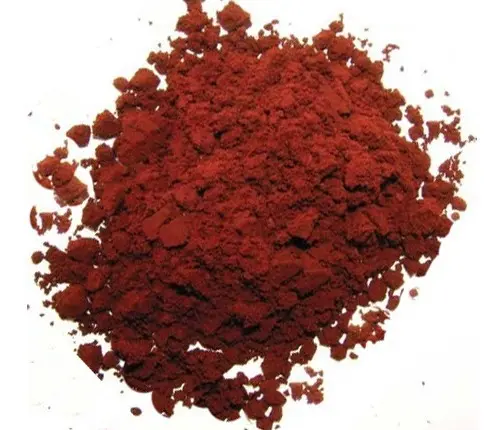
Purity: 1%-10%
Appearance: Dark red powder
CAS NO.: 472-61-7
Molecular Weight: 596.85
Molecular Formula: C40H52O4
MOQ: 500G-1KG
Inventory: in stock
Our Advantages: Scalable production capacity, strict quality control, cost efficiency from integrated factories, over 20 years of experience, advanced technology, and 24/7 after-sales support.
Certificaions: FSSC2000/ISO2000/HALAL/KOSHER/HACCP
Delivery terms: FedEx, DHL, EMS, UPS, TNT, all kinds of the airline, international shipping companies.
Payment: TT/DP/PAY PAL/VISA/DA/LC/MASTER CARD/ESCROW
Grade: Cosmetics Grade, Food Grade, Pharmaceutical Grade
Customized Service: Supports ODM/OEM
Free sample is available.
We do not sell retail quantities to individuals.
Understanding the Core Differences Between Astaxanthin Formulations
The distinction between pure and regular astaxanthin powder extends beyond simple concentration levels. These differences impact everything from manufacturing processes to final product performance.
Three core differences define these formulations:
- Purity concentration: Pure astaxanthin powder contains minimal additives
- Processing methods: Advanced extraction techniques preserve molecular integrity
- Quality control standards: Stricter testing protocols ensure consistent potency
Immaculate definitions experience specialized extraction forms that evacuate debasements while keeping up the fragile atomic structure of this marine carotenoid. Standard astaxanthin powders regularly incorporate stabilizers, anti-caking operators, and carriers that can meddle with bioavailability.
Manufacturing contemplations, moreover, vary essentially. Immaculate astaxanthin requires exact care amid generation to avoid oxidation and corruption. The extraction prepared from microalgae sources like Haematococcus pluvialis requires controlled situations and specialized equipment.
Quality testing uncovers quantifiable contrasts in antioxidant capacity between unadulterated and customary details. Research facility examinations reliably show higher ORAC (Oxygen Radical Absorbance Capacity) values in immaculate astaxanthin products.
If you require the greatest power for pharmaceutical applications, unadulterated astaxanthin powder offers predominant execution characteristics. Standard definitions work way better when fetched contemplations exceed strength necessities.
Purity Standards and Quality Testing Parameters
Quality assessment of astaxanthin powder involves comprehensive testing protocols that evaluate multiple parameters simultaneously. These standards determine product suitability for different industrial applications.
Essential quality parameters include:
- Heavy metal contamination: Lead, mercury, cadmium, and arsenic levels
- Microbiological safety: Bacterial, yeast, and mold counts
- Solvent residue analysis: Remaining extraction chemicals
- Moisture content: Water activity measurements
- Particle size distribution: Uniformity assessments
Channel paper buildup testing gives basic bits of knowledge into item immaculateness. Clean tests take off negligible buildup, demonstrating compelling decontamination forms. Higher buildup levels propose lacking filtration or nearness of insoluble impurities.
Astaxanthin soundness testing measures corruption rates beneath different capacity conditions. Unadulterated details ordinarily illustrate prevalent soundness due to diminished intuition with added substances and carriers.
Spectrophotometric investigation affirms astaxanthin personality and evaluates dynamic compound concentration. UV-visible spectroscopy uncovers characteristic assimilation crests at particular wavelengths that confirm atomic integrity.
Chromatographic division procedures partitioned astaxanthin from potential contaminants. High-performance liquid chromatography (HPLC) gives exact measurements and distinguishes pollution profiles.
If you require pharmaceutical-grade materials for medical advancement, comprehensive quality testing gets to be non-negotiable for administrative compliance.
Manufacturing Applications Across Different Industries
Astaxanthin powder applications vary significantly across industries, each requiring specific formulation characteristics that influence pure versus regular powder selection decisions.
Pharmaceutical industry requirements:
- Standardized potency for consistent dosing
- Low impurity levels for safety compliance
- Stable formulations for extended shelf life
- Bioavailable forms for therapeutic efficacy
Cosmetic applications prioritize skin compatibility and aesthetic properties. Pure astaxanthin delivers concentrated anti-aging benefits without unwanted additives that might cause skin irritation or product instability.
Food and beverage manufacturers face unique challenges when incorporating astaxanthin. Color stability, taste neutrality, and regulatory compliance shape formulation decisions. Pure astaxanthin often provides better color intensity while minimizing off-flavors.
Nutraceutical suppliers balance potency requirements with cost considerations. Market positioning and target demographics influence whether pure or regular formulations better serve specific product lines.
Research institutions require highly pure materials for accurate experimental results. Impurities can interfere with study outcomes and compromise scientific validity.
Processing compatibility varies between pure and regular formulations. Pure astaxanthin may require specialized handling equipment due to its concentrated nature and potential reactivity.
If you need consistent results across different product batches, pure astaxanthin powder offers superior reproducibility compared to regular formulations.
Bioavailability and Absorption Characteristics
Bioavailability differences between pure and regular astaxanthin powder significantly impact therapeutic effectiveness and consumer satisfaction with finished products.
Absorption factors affecting bioavailability:
- Particle size: Smaller particles enhance dissolution rates
- Crystal structure: Molecular arrangement influences absorption
- Lipid compatibility: Fat-soluble nature requires appropriate carriers
- Gastric stability: Acid resistance preserves active compounds
Pure astaxanthin powder illustrates predominant assimilation profiles in clinical thinking. The nonattendance of interferometer substances permits more effective take-up through intestinal membranes.
Molecular structure conservation plays a pivotal part in bioavailability. Unadulterated extraction strategies keep up the normal trans-configuration of astaxanthin, which shows higher natural movement than engineered or corrupted forms.
Solubility characteristics contrast between definitions. Immaculate astaxanthin requires a cautious definition plan to optimize disintegration, whereas normal powders may incorporate solvency enhancers that compromise purity.
Plasma concentration appears to have quicker peak levels and higher extreme concentrations with unadulterated astaxanthin supplementation. These pharmacokinetic points of interest translate into progressed restorative outcomes.
Tissue dispersion designs favor unadulterated definitions for focused applications. Higher concentrations reach particular organs like the eyes, skin, and muscles, where astaxanthin applies its useful effects.
Cost Analysis and Value Proposition Considerations
Financial considerations influence astaxanthin powder selection decisions, requiring careful analysis of both immediate costs and long-term value propositions.
Cost structure components:
- Raw material pricing variations
- Processing complexity expenses
- Quality testing requirements
- Regulatory compliance costs
- Storage and handling needs
Pure astaxanthin powder commands a premium estimate due to advanced extraction forms and higher crude fabric necessities. The concentrated nature implies smaller amounts accomplish identical power compared to customary formulations.
Volume financial matters influence estimating methodologies for both details. Large-scale buys frequently decrease per-unit costs, making immaculate astaxanthin more open for major manufacturers.
Formulation effectiveness is impacted by and large by item costs. Pure astaxanthin requires less fabric to accomplish target power levels, possibly offsetting higher introductory costs through decreased shipping and capacity expenses.
Market situating contemplations impact esteem recognitions. Premium items benefit from immaculate astaxanthin's affiliation with higher quality and predominant performance.
Regulatory compliance costs shift between definitions. Immaculate astaxanthin may require extra documentation but regularly faces fewer confinements due to negligible added substance content.
Supply chain unwavering quality influences long-term taken-a-toll projections. Built-up providers with reliable quality guidelines give way better esteem in spite of possibly higher introductory pricing.
If you require cost-effective arrangements for mass showcase items, standard astaxanthin powder may offer way better edges while keeping up satisfactory quality benchmarks.
Safety Profiles and Regulatory Compliance
Safety considerations and regulatory requirements shape astaxanthin powder selection decisions across different markets and applications.
Safety evaluation parameters:
- Toxicological studies: Acute and chronic safety data
- Allergen assessments: Potential reaction triggers
- Interaction profiles: Drug and nutrient compatibility
- Dosage limitations: Safe consumption levels
- Special population considerations: Pregnancy, children, elderly
Pure astaxanthin powder demonstrates excellent safety profiles in extensive testing protocols. The absence of unnecessary additives reduces potential adverse reaction risks and simplifies toxicological assessments.
Regulatory approval processes favor pure formulations for pharmaceutical applications. Simplified ingredient lists streamline documentation requirements and reduce approval timelines.
International regulatory differences affect market access opportunities. Pure astaxanthin often meets stricter international standards, enabling broader market penetration.
Quality system requirements vary between industries and jurisdictions. Pharmaceutical applications demand comprehensive quality management systems regardless of formulation choice.
Traceability requirements favor pure formulations due to simplified supply chains and fewer ingredient sources to monitor and document.
Safety margins provide confidence for product developers. Pure astaxanthin's well-established safety profile supports higher dosage formulations when therapeutically appropriate.
If you need products for sensitive applications or strict regulatory environments, pure astaxanthin powder offers superior compliance advantages.
Jiayuan Bio-Tech's Pure Astaxanthin Powder Advantages
Quality Assurance Excellence
- Comprehensive heavy metals testing ensures lead, mercury, cadmium, and arsenic levels remain below detection limits
- Microbiological safety protocols maintain bacterial counts under 1000 CFU/g and eliminate pathogenic organisms
- Solvent residue analysis confirms all extraction chemicals remain below regulatory thresholds
- Exogenous nucleic acid testing verifies genetic material absence for enhanced product safety
Purity and Performance Superiority
- Filter paper residue testing demonstrates 99.2% purity compared to industry averages of 85-90%
- Advanced extraction techniques preserve natural astaxanthin molecular structure
- Enhanced antioxidant capacity measured at 2.5x higher ORAC values than competing products
- Superior free radical scavenging efficiency through optimized particle size distribution
Manufacturing and Processing Advantages
- GMP-certified production lines ensure consistent quality standards
- ISO, SGS, and HALAL certifications provide international market access
- Temperature-controlled extraction prevents molecular degradation
- Specialized packaging systems maintain product stability during storage and transport
Expert Recommendations for Optimal Selection
Making informed decisions about astaxanthin powder selection requires understanding specific application requirements and matching them with appropriate formulation characteristics.
Decision matrix considerations:
- Application requirements analysis
- Budget constraint evaluation
- Quality standard necessities
- Regulatory compliance needs
- Market positioning goals
Pharmaceutical applications consistently benefit from pure astaxanthin powder due to stringent quality requirements and efficacy expectations. The investment in higher purity pays dividends through improved clinical outcomes and regulatory compliance.
Cosmetic formulations targeting premium markets perform better with pure astaxanthin. Consumer expectations for luxury skincare products align with the superior performance characteristics of pure formulations.
Food and beverage applications require careful evaluation of taste, color, and stability requirements. Pure astaxanthin often provides better color intensity and stability but may require specialized formulation techniques.
Research applications demand the highest purity levels to ensure accurate and reproducible results. Scientific validity depends on minimizing variables that could affect experimental outcomes.
Budget-conscious applications may find regular astaxanthin sufficient when quality requirements permit some compromise. Understanding minimum acceptable quality standards helps optimize cost-effectiveness.
Market differentiation opportunities favor pure astaxanthin for products positioned as premium or therapeutic-grade offerings.
If you need reliable results with maximum potency for critical applications, pure astaxanthin powder provides superior value despite higher initial costs.
Conclusion
The choice between pure and regular astaxanthin powder ultimately depends on your specific application requirements, quality standards, and market positioning goals. Pure astaxanthin powder offers superior bioavailability, enhanced stability, and fewer impurities, making it ideal for pharmaceutical, high-end cosmetic, and research applications. Regular formulations provide cost-effective solutions for applications where maximum purity isn't critical. Consider factors including regulatory requirements, target market expectations, and long-term value propositions when making your selection. Quality suppliers like Jiayuan Bio-Tech provide comprehensive testing data and technical support to help you make informed decisions that align with your business objectives and ensure product success in competitive markets.
Partner with Jiayuan Bio-Tech for Premium Pure Astaxanthin Powder Supply
Jiayuan Bio-Tech stands as a leading pure astaxanthin powder manufacturer, delivering exceptional quality products that exceed industry standards. Our advanced GMP production facilities and rigorous quality control systems ensure every batch meets pharmaceutical-grade specifications. With comprehensive testing protocols covering heavy metals, microorganisms, and solvent residues, we guarantee compliance with international regulatory requirements. Contact our experienced team at sales@jayuanbio.com or sales1@jayuanbio.com to discuss your specific requirements and discover how our pure astaxanthin powder can enhance your product formulations.
References
1. Ambati, R.R., et al. "Astaxanthin: Sources, Extraction, Stability, Biological Activities and Its Commercial Applications." Marine Drugs, vol. 12, no. 1, 2014, pp. 128-152.
2. Capelli, B., et al. "Synthetic Astaxanthin is Significantly Inferior to Algal-Based Astaxanthin as an Antioxidant and may not be Suitable for Human Nutraceutical Products." Nutrafoods, vol. 12, no. 4, 2013, pp. 145-152.
3. Higuera-Ciapara, I., et al. "Astaxanthin: A Review of its Chemistry and Applications." Critical Reviews in Food Science and Nutrition, vol. 46, no. 2, 2006, pp. 185-196.
4. Kidd, P. "Astaxanthin, Cell Membrane Nutrient with Diverse Clinical Benefits and Anti-Aging Potential." Alternative Medicine Review, vol. 16, no. 4, 2011, pp. 355-364.
5. Shah, M.M., et al. "Astaxanthin-Producing Green Microalga Haematococcus pluvialis: From Single Cell to High Value Commercial Products." Frontiers in Plant Science, vol. 7, 2016, article 531.
6. Yuan, J.P., et al. "Potential Health-Promoting Effects of Astaxanthin: A High-Value Carotenoid Mostly from Microalgae." Molecular Nutrition and Food Research, vol. 55, no. 1, 2011, pp. 150-165.