
Best Practices for Using Astaxanthin Powder in Health and Wellness Products
Developing effective health and wellness products requires understanding optimal usage practices for Astaxanthin Powder. This powerful natural antioxidant from microalgae sources demands specific handling protocols to maintain stability and bioavailability. Proper formulation techniques include protecting against light exposure, maintaining controlled temperatures, and selecting compatible excipients. Successful implementation involves understanding dosage ranges, delivery methods, and storage requirements. These practices ensure maximum therapeutic potential while maintaining product integrity throughout manufacturing and shelf life.
Understanding astaxanthin's unique properties becomes essential when creating products that truly deliver on their health promises. This marine-derived carotenoid offers remarkable stability advantages over synthetic alternatives, making it an ideal choice for innovative formulations.
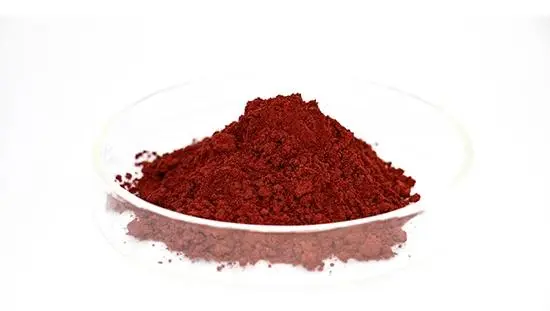
Purity: 1%-10%
Appearance: Dark red powder
CAS NO.: 472-61-7
Molecular Weight: 596.85
Molecular Formula: C40H52O4
MOQ: 500G-1KG
Inventory: in stock
Our Advantages: Scalable production capacity, strict quality control, cost efficiency from integrated factories, over 20 years of experience, advanced technology, and 24/7 after-sales support.
Certificaions: FSSC2000/ISO2000/HALAL/KOSHER/HACCP
Delivery terms: FedEx, DHL, EMS, UPS, TNT, all kinds of the airline, international shipping companies.
Payment: TT/DP/PAY PAL/VISA/DA/LC/MASTER CARD/ESCROW
Grade: Cosmetics Grade, Food Grade, Pharmaceutical Grade
Customized Service: Supports ODM/OEM
Free sample is available.
We do not sell retail quantities to individuals.
Core Applications and Implementation Strategies
Anti-Aging Skincare Formulations
The corrective industry has grasped astaxanthin for its extraordinary skin well-being benefits. This characteristic color illustrates prevalent assurance against UV-induced harm compared to other cancer prevention agents. Item engineers regularly consolidate 0.1% to 1% astaxanthin powder bulk concentrations in premium skincare lines.
Implementation includes making steady emulsions that secure astaxanthin from debasement. Producers utilize embodiment advances and antioxidant synergists to keep up power. The result addresses photoaging, promotes skin flexibility, and diminishes fine lines through effective free radical neutralization.
Leading skincare brands report noteworthy enhancements in item adequacy when exchanging from manufactured to characteristic astaxanthin sources. This move gives improved anti-inflammatory properties and fulfills customer requests for marine-sourced ingredients.
Dietary Supplement Development
Astaxanthin capsules speak to one of the fastest-growing supplement categories, all-inclusive. Ideal astaxanthin measurement ranges from 4 mg to 12 mg day by day for common wellbeing support, with higher concentrations utilized for particular helpful applications.
Successful supplement detailing requires tending to bioavailability challenges. Combining astaxanthin with solid fats or phospholipids upgrades assimilation rates essentially. Producers regularly incorporate angel oil, coconut oil, or sunflower lecithin to optimize delivery.
The supplement industry values astaxanthin powder for competitors due to its capacity to diminish exercise-induced irritation and make strides in recuperation times. Ponders illustrate improved perseverance and diminished muscle harm when astaxanthin supplements are expended regularly.
Sports Nutrition Integration
Athletic execution items progressively highlight astaxanthin antioxidant properties to bolster recuperation and continuance. This application addresses oxidative stress from strong physical movement while supporting cardiovascular work amid exercise.
Implementation centers on pre- and post-workout details. Sports nourishment companies combine astaxanthin with other performance-enhancing compounds like creatine, beta-alanine, and branched-chain amino acids. The synergistic impacts give comprehensive workout support.
Research shows astaxanthin safe back capabilities offer assistance to competitors to keep up reliable preparation plans by lessening ailment recurrence. This advantage gets to be especially profitable amid serious preparing periods or competitive seasons.
Eye Health Product Development
Astaxanthin for eyes speaks to a quickly extending showcase section tending to computerized eye strain and age-related vision concerns. The compound crosses the blood-retinal boundary, giving coordinate assurance to visual tissues.
Formulation methodologies target particular eye wellbeing needs. Items outlined for computer clients ordinarily combine astaxanthin with lutein and zeaxanthin. Age-related definitions may incorporate extra compounds supporting macular well-being and visual acuity.
Clinical proof bolsters astaxanthin's part in diminishing eye weariness and moving forward settlement reaction. These benefits drive item advancement in both supplement and utilitarian nourishment categories.
Heart Health Applications
Cardiovascular wellness items utilize astaxanthin heart wellbeing benefits through different components. The compound bolsters sound cholesterol profiles while having anti-inflammatory impacts on vascular tissues.
Product designers make heart-specific details, combining astaxanthin powder with omega-3 fatty acids, CoQ10, and other cardiovascular supplements. These combinations target distinctive angles of heart wellbeing for comprehensive protection.
Research illustrates astaxanthin's capacity to move forward in the bloodstream and back to solid blood weight levels. These discoveries empower item development in cardiovascular supplement categories.
Functional Food Enhancement
Food producers consolidate astaxanthin's normal color properties to make outwardly engaging items with well-being benefits. Applications extend from refreshments to dietary bars and dairy alternatives.
Implementation challenges incorporate keeping up astaxanthin soundness amid preparation and capacity. Effective approaches utilize microencapsulation procedures and carefully controlled fabricating conditions.
The useful nourishment advertised increases in value as astaxanthin's double part as both colorant and wellbeing fixing. This combination diminishes definition complexity while showcasing advantages.
Pharmaceutical Applications
Research educates and investigates astaxanthin's restorative potential in different therapeutic applications. Preparatory studies examine its part in neuroprotection, diabetes administration.
Pharmaceutical advancement requires broad astaxanthin extraction and decontamination forms to meet administrative benchmarks. Companies must illustrate reliable power and flexibility from contaminants all through item lifecycles.
The pharmaceutical interest in astaxanthin proceeds as inquiries about unused restorative applications are uncovered. This drift drives the request for high-quality, standardized astaxanthin powder supplies.
Quality Assurance and Manufacturing Standards
Manufacturing brilliance requires comprehensive quality control measures all through generation forms. Overwhelming metals, microorganisms, and dissolvable buildups must stay inside strict compliance limits to guarantee item security and efficacy.
Filter paper buildup testing uncovers astaxanthin powder immaculateness levels compared to competing items. Higher immaculateness deciphers to more grounded antioxidant capacity and more compelling free radical rummaging capacities. These quality measures straightforwardly affect item execution and client satisfaction.
Safety confirmation through rehashed test testing affirms astaxanthin's non-toxic profile. This broad testing gives certainty for producers creating items over different industry segments.
Stability and Storage Considerations
Astaxanthin soundness depends intensely on natural conditions amid capacity and taking care of. Temperature control, light assurance, and dampness administration ended up as basic components in keeping up item integrity.
Successful capacity conventions incorporate refrigeration when conceivable, golden or misty holders, and nitrogen flushing to avoid oxidation. These measures protect astaxanthin bioavailability all through the item rack life.
Transportation prerequisites must account for temperature changes and taking care of conditions. A legitimate bundling plan secures items from natural stresses that seem to compromise quality.
Regulatory Compliance and Documentation
International markets require comprehensive documentation supporting astaxanthin security and adequacy claims. Administrative compliance changes between districts, requiring exhaustive understanding of nearby requirements.
Documentation bundles regularly incorporate certificates of examination, security considerations, and fabricating handle portrayals. Total documentation encourages quicker administrative endorsements and showcase entry.
Quality certifications like ISO, GMP, and natural measures improve item validity and advertise acknowledgment. These certifications illustrate commitment to fabricating brilliance and buyer security.
Conclusion
Implementing best practices for astaxanthin powder utilization requires comprehensive understanding of quality standards, application methods, and regulatory requirements. Success depends on selecting high-quality sources, maintaining proper storage conditions, and following proven formulation techniques. These practices ensure maximum therapeutic benefit while meeting consumer expectations for safety and efficacy. The growing body of research supporting astaxanthin's health benefits continues driving innovation across multiple industries, creating opportunities for manufacturers who prioritize quality and scientific validation in their product development strategies.
FAQ
1. What is the optimal astaxanthin dosage for different applications?
Dosage requirements vary significantly based on intended use and target population. General wellness applications typically use 4-8mg daily, while therapeutic applications may require 12-20mg. Sports nutrition products often contain 6-12mg per serving to support exercise recovery and performance enhancement.
2. How does astaxanthin from microalgae compare to synthetic alternatives?
Natural astaxanthin demonstrates superior bioavailability compared to synthetic versions, with studies showing up to 20 times better absorption rates. The esterified form found in microalgae sources provides enhanced stability and protection against oxidation during digestion and metabolism.
3. What storage conditions best preserve astaxanthin powder quality?
Optimal storage requires cool temperatures (preferably refrigerated), protection from light exposure, and low moisture environments. Nitrogen-flushed containers prevent oxidation while amber glass or opaque packaging blocks harmful light wavelengths.
4. Which delivery methods enhance astaxanthin absorption?
Fat-soluble astaxanthin requires lipid carriers for optimal absorption. Successful delivery methods include oil-filled capsules, emulsified formulations, and combinations with phospholipids or medium-chain triglycerides.
5. How can manufacturers verify astaxanthin powder purity?
Comprehensive testing protocols include HPLC analysis for potency verification, heavy metals testing, microbiological screening, and solvent residue analysis. Filter paper residue tests provide additional purity confirmation compared to industry standards.
6. What regulatory considerations apply to astaxanthin products?
Regulatory requirements vary by region and product category. Dietary supplements face different standards than cosmetics or functional foods. Key considerations include permitted health claims, labeling requirements, and manufacturing facility registrations.
Partner with Jiayuan Bio-Tech for Premium Astaxanthin Solutions
Jiayuan Bio-Tech stands as a trusted Astaxanthin Powder manufacturer committed to delivering exceptional quality and reliability. Our GMP-certified facilities, comprehensive testing protocols, and global logistics capabilities ensure your products meet the highest industry standards. Contact our expert team at sales@jayuanbio.com or sales1@jayuanbio.com to explore customized formulations and discover how our premium astaxanthin solutions can enhance your product development goals.
References
1. Higuera-Ciapara, I., Felix-Valenzuela, L., & Goycoolea, F. M. (2006). Astaxanthin: a review of its chemistry and applications. Critical Reviews in Food Science and Nutrition, 46(2), 185-196.
2. Yuan, J. P., Peng, J., Yin, K., & Wang, J. H. (2011). Potential health-promoting effects of astaxanthin: a high-value carotenoid mostly from microalgae. Molecular Nutrition & Food Research, 55(1), 150-165.
3. Kidd, P. (2011). Astaxanthin, cell membrane nutrient with diverse clinical benefits and anti-aging potential. Alternative Medicine Review, 16(4), 355-364.
4. Ambati, R. R., Phang, S. M., Ravi, S., & Aswathanarayana, R. G. (2014). Astaxanthin: sources, extraction, stability, biological activities and its commercial applications. Marine Drugs, 12(1), 128-152.
5. Fakhri, S., Aneva, I. Y., Farzaei, M. H., & Sobarzo-Sanchez, E. (2019). The neuroprotective effects of astaxanthin: therapeutic targets and clinical perspective. Molecules, 24(14), 2640.
6. Brendler, T., Williamson, E. M., & Heinrich, M. (2021). Astaxanthin: Novel therapeutic applications and formulation challenges. Pharmaceutics, 13(6), 873.