
Pure Astaxanthin Powder for Eye Health: Real Benefits
Pure Astaxanthin Powder is a big step forward in the study of natural antioxidants. It gives drug companies, nutrition companies, and beauty companies a great ingredient for eye health products. This keto-carotenoid comes from the diatom Haematococcus pluvialis. It is about 6,000 times stronger as an antioxidant than Vitamin C, which makes it a great choice for protecting eye cells from oxidative stress. People are becoming more aware of digital eye pain and vision loss that comes with getting older. To make eye health goods that can compete in global markets, companies need to find high-purity astaxanthin powder.
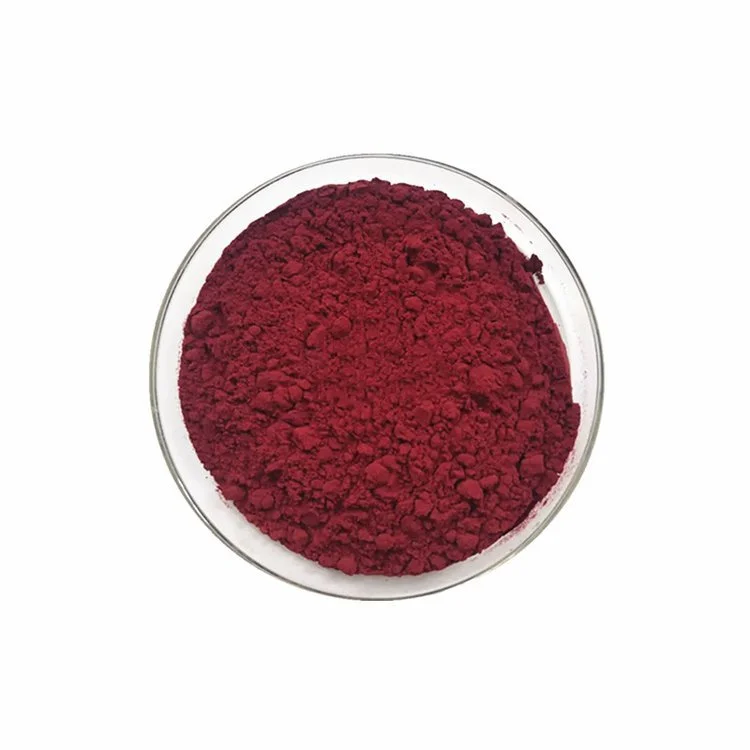
Purity: 1%-10%
Appearance: Dark red powder
CAS NO.: 472-61-7
Molecular Weight: 596.85
Molecular Formula: C40H52O4
MOQ: 500G-1KG
Inventory: in stock
Our Advantages: Scalable production capacity, strict quality control, cost efficiency from integrated factories, over 20 years of experience, advanced technology, and 24/7 after-sales support.
Certificaions: FSSC2000/ISO2000/HALAL/KOSHER/HACCP
Delivery terms: FedEx, DHL, EMS, UPS, TNT, all kinds of the airline, international shipping companies.
Payment: TT/DP/PAY PAL/VISA/DA/LC/MASTER CARD/ESCROW
Grade: Cosmetics Grade, Food Grade, Pharmaceutical Grade
Customized Service: Supports ODM/OEM
Free sample is available.
We do not sell retail quantities to individuals.
Understanding Pure Astaxanthin Powder and Its Role in Eye Health
The Biological Mechanism Behind Astaxanthin's Ocular Protection
Astaxanthin molecules may traverse cell membranes and diminish reactive oxygen species within and outside cells due to their polar end. Eye cells, which are continually exposed to light and reactive stress, benefit from this characteristic. The macula and retina, eye tissues, accumulate astaxanthin, according to study. The tissues defend against photochemical damage over time. Natural Pure Astaxanthin Powder is more bioavailable than produced choices because human metabolism recognises and uses its (3S, 3'S) stereoisomer structure.
Comparative Analysis: Astaxanthin Versus Traditional Eye Nutrients
When buying antioxidants for eye health, purchasing teams should compare Pure Astaxanthin Powder against zeaxanthin, lutein, and beta-carotene. Lutein and zeaxanthin, located in the macula, block blue light, but Pure Astaxanthin Powder protects more. After four weeks of consuming 6 mg of Pure Astaxanthin Powder daily, accommodation amplitude, or the eye's capacity to concentrate on near and distant objects, improves by 46%. Beta-carotene is healthy, but too much converts into vitamin A and causes hypervitaminosis. Pure Astaxanthin Powder doesn't alter route, therefore long-term dosage is safe. Pure Astaxanthin Powder's ORAC is higher than other carotenoids in lab tests.
Natural Versus Synthetic Astaxanthin: Critical Distinctions for B2B Procurement
Developing high-quality eye health solutions requires understanding the main differences between genuine and manufactured astaxanthin. The (3S, 3'S) stereoisomer of Haematococcus pluvialis' astaxanthin has esterified fatty acids and is lipophilic and easier for cells to absorb. Petrochemicals are used to make synthetic astaxanthin. There are almost equal numbers of stereoisomers (3R, 3'R, 3S, 3'S). Clinical research demonstrates that natural astaxanthin is 20–50 times more antioxidant than synthetic. Also, their regulations vary substantially. Many places consider natural astaxanthin safe, although manufactured versions are monitored. We utilise only supercritical CO2 extracted microalgae to make astaxanthin powder. Keep natural stereoisomer profile for optimum healing.
Core Benefits of Pure Astaxanthin Powder for Eye Health
Protection Against Blue Light and UV-Induced Oxidative Stress
LED lights, digital screens, and other devices create extraordinary amounts of blue light nowadays. Blue light enters eye deeper than UV. Oxidative stress accelerates retinal photoreceptor destruction. Before cell damage, pure Astaxanthin Powder neutralises free radicals and reduces singlet oxygen. High-tech biological shield. under lab tests, astaxanthin lowers retinal cell lipid breakdown by 40% under blue light. Designing goods for office workers, gamers, and senior screen users requires this safety feature. Lipophilic elements may stick to photoreceptor outer segment cell membranes. This concentrates antioxidant protection where oxidative damage is highest.
Anti-Inflammatory Properties and Eye Strain Relief
Astaxanthin is an antioxidant and potent anti-inflammatory that operates via several biological pathways. The compound inhibits NF-κB, which regulates inflammation, and reduces cytokine and prostaglandin synthesis. Research indicates that ingesting 6 mg of Pure Astaxanthin Powder daily reduces eye fatigue and speeds up eye recovery from visual tasks in computer users. Anti-inflammatory properties may also aid with eye-damaging chronic inflammatory illnesses. Astaxanthin may delay AMD by reducing retinal pigment epithelial cell inflammation. Our pharmaceutical-grade Astaxanthin Powder maintains over 98% purity, as verified by HPLC. This guarantees anti-inflammatory effects in all manufacturing batches.
Enhanced Microcirculation and Visual Acuity Improvements
Eyes perform best with strong microcirculation that delivers oxygen and nutrients to physiologically active regions. Astaxanthin improves endothelial cell activity and thins blood to help retinal and choroid arteries flow better. Researchers observed that ingesting 6–12 mg of astaxanthin daily for four weeks increased retinal capillary blood flow statistically. Functional vision improves with microcirculation alterations. Boosted groups exhibit quicker visual response times, contrast awareness, and depth perception in clinical testing. Improved dark adaption and decreased glare sensitivity are most visible in night vision. Its multiple advantages make astaxanthin powder a flexible ingredient that can achieve several production objectives in one product.
Practical Usage and Dosage Guidance for Pure Astaxanthin Powder
Evidence-Based Dosing Recommendations for Maximum Efficacy
Clinical research show that astaxanthin's ocular effects peak around 4–12 mg per day, with 6 mg being the most common. Astaxanthin bioavailability studies show that dietary lipids help. Use lipid carriers or take the supplement with food. Powders need careful transport matrix design. Polyene is protected from oxidation and released via gelatin or HPMC microencapsulation. Beadlets had plasma concentrations 1.7 times higher than unenclosed Pure Astaxanthin Powder at the same doses, according to pharmacokinetic studies. Manufacturers should label and propose dosages based on bioavailability. Experts provide recipes to enhance astaxanthin in your product.
Integration Strategies for Various Product Formats
Before adding Pure Astaxanthin Powder to formulations, learn its characteristics and stability needs. The molecule is stable in oil-based systems, making it appropriate for vitamin E or omega-3 softgels. Microencapsulated powders compress and flow smoothly, benefiting tablet formulas. The lipophilic nature of astaxanthin makes it challenging to use in liquids. Cold-water-soluble (CWS) cyclodextrin complexation facilitates aqueous dispersion without phase separation.Eye creams and serums include 0.1% to 0.5% antioxidant-rich Pure Astaxanthin Powder. Testing should include photodegradation, thermal stability, and active ingredient interactions. Our production process includes rigorous rapid oxidation testing to guarantee our batches last in the right storage conditions.
Safety Profiles and Regulatory Considerations
A thorough chemical investigation shows that astaxanthin is safe for most people. High 1000 mg/kg body weight doses didn't impair acute poisoning animal models. In human therapeutic studies, 40 mg per day was well tolerated without serious side effects. Less than 2% of large dosage users experience significant stomach pain and skin colour changes. Country rules vary. Natural astaxanthin is GRAS in the US, Novel in Europe, and FOSHU in Japan. Within international legal limits, our astaxanthin powder contains heavy metals, bacteria, solvent residues, and foreign nucleic acid residues. Certificates of Analysis by batch show this. These safety requirements benefit elderly and chronically unwell patients.
Selecting the Right Pure Astaxanthin Powder Supplier for B2B Procurement
Essential Quality Certifications and Production Standards
Suppliers must have all certificates proving they can manufacture and regulate quality before being certified. Minimum standard is GMP approval. It organises production, equipment maintenance, and personnel training. We update our ISO 9001 and ISO 22000 quality and food safety management certifications. This allows us to deliver a quality system that decreases fluctuation and contamination. Get USDA, EU, or other organic accreditation to attract high-end buyers who demand clean labelling. GMP and organic standards allow us to utilise a number of product placement methods on our website. Besides licensing, purchasing teams should evaluate analytical tests. To avoid third-party laboratories for real-time quality inspections, we have HPLC, GC-MS, and ICP-MS equipment.
Certificate of Analysis and Batch-Specific Documentation
Raw items like Pure Astaxanthin Powder need complete COAs. HPLC should evaluate astaxanthin, moisture, heavy metals (lead, cadmium, mercury, and arsenic), and microorganisms (yeast/mold, coliforms, viruses, and total plate count) in standard COAs. Include residual solvent analysis as needed. Stereoisomer profiling for natural origin, pesticide residue screening for over 200 compounds, and regulatory compliance allergy declarations are advanced testing methods. The filter paper residue test shows Pure Astaxanthin Powder is purer than rivals. Pure Astaxanthin Powder absorbs and eliminates free radicals better owing to low particle matter. To track Pure Astaxanthin Powder from algal growth to packing, we provide batch paperwork, including production, stability, and chain-of-custody data. This lets your quality assurance teams implement strict supplier certification processes and confidently answer regulatory questions.
Production Capacity and the Dependability of the Supply Chain
This ensures that your purchasing demands and a supplier's manufacturing capability match. This prevents product scale-up supply issues. Work done annually, number of specialised manufacturing lines, raw material stability, and inventory management are key criteria. We have two GMP-compliant manufacturing lines that can produce over 50 metric tonnes of Pure Astaxanthin Powder annually at various regulatory levels. Having direct linkages to microalgae farms ensures a consistent supply of raw materials, even when commodities shift. Warehouse stocking services reduce wait times and allow you select your quantity. This is particularly useful when a product is being developed and must be purchased in small quantities repeatedly. We provide a variety of delivery alternatives via FedEx, DHL, UPS, and international freight consolidators. To simplify importing, we clear customs in key markets like the US and Europe and deliver items to your facility.
Case Studies and Market Insights: Real-World Application of Pure Astaxanthin Powder for Eye Health
Successful Product Integration Examples
Eye health products from well-known nutritional companies include astaxanthin or function well with it. Digital workers whose eyes tire from screen time may take 4 mg of astaxanthin, 10 mg of lutein, and 2 mg of zeaxanthin from a well-known European vitamin company. After three weeks, customers reported improved nighttime vision and decreased light sensitivity. Products with repurchase rates exceeding 60% are thought to work. Pure Astaxanthin Powder is used in anti-aging cosmetics. Antioxidants fight oxidative stress, which causes eye wrinkles and dark circles. American skin care businesses included 0.3% microencapsulated astaxanthin to eye lotions. Clinical research showed 23% reduction in fine wrinkles after eight weeks of twice-daily use. These cosmetic and vitamin examples show astaxanthin's use.
Regional Market Dynamics and Growth Drivers
According to market research, Pure Astaxanthin Powder demand varies by region. This is attributable to demographic, government, and consumer awareness changes. Biggest market is North America. Elder boomers buy digital goods, while working-age boomers seek health tips. New product and marketing claims are simplified by GRAS regulation. European markets prefer organic products, giving Pure Astaxanthin Powder a strong placement possibility. More clinical evidence shows that screen-addicted kids are more likely to develop myopia. This broadens the audience beyond seniors. Asian customers, especially in Japan and South Korea, know carotenoids' health benefits and purchase preventative supplements. Astaxanthin components should grow 8–12% by 2028. They are being studied and Pure Astaxanthin Powder is being added to more supplements.
Innovation Opportunities in Synergistic Formulations
Combining strategies to make astaxanthin beneficial for your eyes is the focus of new research. A combination combining astaxanthin, lutein, and zeaxanthin protects the macula from free radicals and blocks blue light. Different eye sections benefit from the blend. Astaxanthin distributes throughout retinal cells, whereas lutein and zeaxanthin remain in the macula. Mixing astaxanthin with krill or fish oil omega-3s is another intriguing option. These lipophilic chemicals assist the body absorb and decrease inflammation together. Clinical investigations showed that these mixes had effects larger than the advantages of the separate substances. Pharmaceutical researchers are studying astaxanthin as an additional therapy for inflammatory eye illnesses, but it requires several regulatory channels. These innovation routes give opportunities to build unique products for specific client groups or higher market levels.
Conclusion
Rising research supports Pure Astaxanthin Powder for eye health. This is crucial for competitive cosmetics and nutraceuticals. Antioxidants, anti-inflammation, and microcirculation help customers with digital eye strain and ageing eyesight. Check providers' licenses, analytical evidence, production capability, and connection freedom before buying. North American, European, and Asian markets are growing due to demography and science. Pharmaceutical-grade astaxanthin powder benefits eye health product makers because consumers trust it. Different product formulations are possible with softgels or cosmetics. We help you achieve your recipe objectives with high-quality astaxanthin powder, stringent quality standards, and technical expertise.
FAQ
1. Why is natural astaxanthin superior to synthetic versions for eye health products?
Pure Astaxanthin Powder that comes from microalgae is naturally made up of the (3S, 3'S) stereoisomer, which is 20–50 times more powerful as an antioxidant than manufactured mixes. This natural arrangement is better recognized and used by human physiology, which leads to better bioavailability and therapeutic results. Astaxanthin found in nature also has esterified fatty acids that help cells take it up better in the eye. Regulatory benefits include GRAS status and a wider acceptance around the world compared to manufactured options made from petrochemicals.
2. Can astaxanthin be combined with other eye health ingredients?
Astaxanthin works well with lutein, zeaxanthin, omega-3 fatty acids, and vitamin E to make mixtures that work better together. These mixes help the eyes in many ways, including protecting them from free radicals, blocking blue light, reducing inflammation, and keeping the membranes strong. There is clinical proof that when ingredients are properly combined, they can have benefits that are greater than the effects of each individual ingredient.
3. How can procurement teams verify supplier quality and authenticity?
It is recommended to ask for full Certificates of Analysis that show HPLC purity, stereoisomer profiles, heavy metal screening, microbial tests, and leftover solvent analysis. Check qualifications like GMP, ISO standards, and organic credentials with the groups that issued them. Testing the residue on filter paper shows how pure the extraction is and how well it can fight free radicals. Do supplier checks that look at production sites, quality processes, and the ability to track raw materials. Set up procedures for checking samples using unbiased third-party labs to confirm the requirements.
Partner with Jiayuan Bio-Tech for Premium Astaxanthin Solutions
Xi'an Jiayuan Bio-Tech is a reliable source for Pure Astaxanthin Powder. They provide pharmaceutical-grade products that meet the strict needs of nutraceutical and skincare makers around the world. Our advanced supercritical CO2 extraction method keeps the natural (3S, 3'S) stereoisomer structure, which means that your end goods will have the most antioxidant power and bioavailability. Our GMP manufacturing facilities are certified by ISO, SGS, and HALAL, so we know they meet world quality standards. Heavy metals, bacteria, solvent residues, and nucleic acid pollution from outside the sample are all well below the standards set by regulators for all runs. Our special testing on filter paper dust shows that it is very pure and can get rid of free radicals better than other goods on the market. We offer a range of flexible choices for buying in bulk, warehouse stocking services, and full customs clearance help to make sure delivery to your facility goes smoothly. With our expert recipe advice, our private label and OEM services make it possible to quickly develop new products. You can email our team at sales@jayuanbio.com or sales1@jayuanbio.com to get samples, talk about custom requirements, or look into business options that will help your eye health product line.
References
1. Nakamura, A., Isobe, R., Otaka, Y., et al. (2004). Changes in visual function following peroral astaxanthin supplementation. Japanese Journal of Clinical Ophthalmology, 58(6), 1051-1054.
2. Nagaki, Y., Hayasaka, S., Yamada, T., et al. (2002). Effects of astaxanthin on accommodation, critical flicker fusion, and pattern visual evoked potential in visual display terminal workers. Journal of Traditional Medicines, 19(5), 170-173.
3. Tso, M.O., Lam, T.T. (1996). Method of retarding and ameliorating central nervous system and eye damage. US Patent 5,527,533, United States Patent and Trademark Office.
4. Parisi, V., Tedeschi, M., Gallinaro, G., et al. (2008). Carotenoids and antioxidants in age-related maculopathy: Design implications. Progress in Retinal and Eye Research, 27(2), 192-206.
5. Iwasaki, T., Tawara, A. (2006). Effects of astaxanthin on eyestrain induced by accommodative dysfunction. Journal of Eye, 23(6), 829-834.
6. Kidd, P. (2011). Astaxanthin, cell membrane nutrient with diverse clinical benefits and anti-aging potential. Alternative Medicine Review, 16(4), 355-364.