
Melatonin Powder vs Tablets: Which Form Works Best
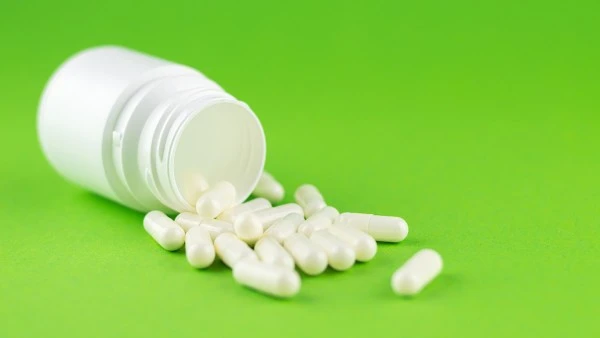
When selecting between melatonin powder and tablets for B2B procurement, the choice significantly impacts manufacturing flexibility, cost efficiency, and end-product quality. Raw melatonin powder offers superior formulation adaptability and cost advantages, making it the preferred choice for pharmaceutical companies and supplement manufacturers requiring customized dosing. Tablets provide convenience and standardized dosing but limit formulation flexibility. This comprehensive analysis examines both forms to help procurement professionals make informed decisions that align with their business objectives and operational requirements.

CAS No.: 73-31-4
Appearance: White to off-white powder
Ref standard: USP43
Assay: 99.7%(HPLC)
Molecular formula: C13H16N2O2
Molecular weight: 232.28
MOQ: 1KG
Stock:in stock
Our Advantages: Scalable production capacity, strict quality control, cost efficiency from integrated factories, over 20 years of experience, advanced technology, and 24/7 after-sales support.
Certificaions: FSSC2000/ISO2000/HALAL/KOSHER/HACCP
Delivery terms: FedEx, DHL, EMS, UPS, TNT, all kinds of the airline, international shipping companies.
Payment: TT/DP/PAY PAL/VISA/DA/LC/MASTER CARD/ESCROW
Grade: Pharmaceutical Grade
Customized Service: Supports ODM/OEM
Free sample is available.
We do not sell retail quantities to individuals.
Understanding Melatonin Forms: Powder vs Tablets
The main difference between melatonin powder and pill forms is how they are made and what their molecular components are. Melatonin powder is the crystallized form of N-acetyl-5-methoxytryptamine and usually has purity values higher than 99%, which are required for medicinal use. This type of the raw material gives makers the most freedom when making custom formulations because they can precisely control the dosage and mix it with other active ingredients without any problems.
Chemical Properties and Bioavailability
Pure melatonin powder has unique physical, chemical, and biological properties that affect its industrial uses. The combination is an off-white to white crystalline powder that melts between 116.5 and 118.0 degrees Celsius. This shows that its structure is solid. It doesn't dissolve well in water, but it dissolves very well in ethanol, propylene glycol, and different lipid carriers, which makes it useful for a variety of transport methods. Due to its ability to dissolve quickly, melatonin powder often has a better absorption profile than pill forms. If the powder is properly micronized, it can be absorbed more quickly, especially when put under the tongue, where it can skip the first step of liver metabolism. This higher bioavailability means that pharmacokinetic patterns are easier to predict, which is very important for companies that are making precise sleep aids.
Manufacturing Considerations
How good the raw melatonin powder is depends a lot on how well it was extracted using advanced methods. When you use dynamic countercurrent extraction or ultrasonic-assisted extraction, you can get 30% to 50% more performance than with standard immersion methods while using less solvent. Large-scale production processes can save money and help the environment by using these technology advantages. Tablet formulations need extra fillers, binders, and steps in the processes that can add factors that change how consistent the product is. The coating treatments, quality control measures, and compression process make the manufacturing process more complicated. This could make production costs go up and wait times for custom orders get longer.
Comparing Effectiveness and Safety of Melatonin Powder and Tablets
When you compare how well melatonin powder and tablets work, you can see a few important things that affect your choice to buy. When it comes to dosage, raw powder formulas are the most flexible. This means that makers can make goods with microdoses (0.5 mg) or higher therapeutic levels (10 mg or more), depending on what the market needs. This ability to change is very important for businesses that want to serve customers in different areas with different rules and interests.
Quality Control and Purity Standards
High-quality melatonin powder meets strict medicinal standards thanks to advanced quality control methods. Two separate quality control systems, one that uses near-infrared spectroscopy for real-time concentration tracking and the other that uses HPLC and GC-MS for offline testing, make sure that the product meets the standards set by the EP and USP pharmacopoeias. These strict testing methods ensure constant purity levels above 98%, which is necessary to keep the product working well and following the rules. When the moisture content stays below 0.5%, the stable profile of melatonin powder that has been properly handled shows better results. Nitrogen-filled, sealed packaging makes food last longer than three years, which is great for managing inventory and cutting down on waste in the supply chain. For large buyers, this longer-term steadiness means lower costs and fewer purchases more often.
Regulatory Compliance and Certifications
With GMP and ISO 13485 licenses, companies that make melatonin powder meet the quality standards needed to sell their products in Europe, the US, and other controlled areas. These certificates give procurement workers faith in the dependability of suppliers and the consistency of products, which lowers the risks of not following the rules and having to recall products. Tablet formulations are handy, but they come with extra legal issues linked to the approval of excipients and standards that are specific to dosage forms. Because making tablets is so complicated, there needs to be a lot of paperwork and approval processes. This can make it take longer to develop products and cost more to comply with regulations.
Procurement Considerations: Cost, Supply, and Supplier Reliability
When it comes to buying, bulk melatonin powder is usually a more cost-effective option than finished pill goods. Unit costs are 40% to 60% less than they would be for a small-scale tablet business because of economies of scale that come from buying a lot of powder at once and lower costs for packing and processing. These lower costs are especially important for businesses that need to buy large amounts for private label manufacturing or OEM uses.
Supply Chain Optimization
Comprehensive methods for using raw materials let sellers get more than one high-value part from the same source materials at the same time, which lowers the overall cost of production. Using multi-effect evaporators and condensation recovery units in advanced solvent recovery systems makes it possible to collect more than 90% of the ethanol and methanol, which cuts down on costs and damage to the environment. Vertically linked supply chains have extra benefits because they give companies more control over where they get their raw materials and make them less vulnerable to changes in market prices. Strategic relationships with growing facilities help make sure that materials are always available and meet quality standards. They also support environmentally friendly ways of getting materials that are in line with business social responsibility goals.
Supplier Evaluation Criteria
Reliable providers show consistent quality by using cutting-edge production technologies and a wide range of testing tools. Using Distributed Control Systems (DCS) to precisely control pH, temperature, and chemical ratios cuts down on mistakes made by people and makes sure that batches are very consistent across production runs. It is important to keep these automatic control systems running so that the strict quality standards needed for medicinal and nutraceutical uses can be met. Green production methods that use MVR evaporation crystallization technology for zero liquid discharge and trash composting programs show that companies care about the environment and follow EHS standards. These environmentally friendly methods add value for businesses that put environmental responsibility first when making supply chain decisions.
Application Scenarios: Which Form Fits Your Business Model Best?
Choosing between melatonin powder and pill forms depends a lot on how the product will be used and how the business is set up. Raw powder works great for companies that need to be able to change the formulas and make unique products. This flexibility lets people come up with new ways to give medicines, like liposomal formulations, nano-emulsions, and combination goods that have more than one active ingredient.
Pharmaceutical and Nutraceutical Manufacturing
Pharmaceutical businesses can make a lot of different kinds of medicines with high-purity melatonin powder. Because custom dosage strengths can be made and ingredients like magnesium, L-theanine, or vitamin B6 can be added to help, tailored therapeutic goods can be made to help people with certain sleep problems or meet the needs of particular groups. The powder form makes it easier to make more advanced delivery systems, such as long-lasting formulas, tablets that you put under your tongue, and liquid mixtures. For these specific uses, exact control over particle size distribution and dissolution properties is needed, and raw powder forms are better at meeting these needs than pre-formed pills.
Cosmetic and Skincare Applications
The cosmetics industry is becoming more aware of melatonin's protective qualities for use on the skin. When it comes to mixing with creams, serums, and lotions, melatonin powder works better than tablet-based products. The powder's compatibility with various carrier systems enables formulators to achieve desired concentrations while maintaining product stability and efficacy. For cosmetic-grade uses, quality standards of at least 95% purity save money while keeping the product's usefulness for external use. Being able to change the particle size and processing methods lets you get the best results when putting them into different makeup bases and transport systems.
Making the Decision: Key Factors for Selecting Melatonin Powder or Tablets
When a business decides what to buy, it needs to look at a lot of different things, not just the original cost. The best choice between melatonin powder and tablets depends on factors like how pure the product is, how well the seller is certified, how well they can make the product, and how long-term the relationship could last. Companies need to think about what they need now and what they will need in the future to make sure the sellers they choose can keep up with growth and changing market needs.
Strategic Considerations
As a business grows into foreign markets with different rules and customer tastes, the benefits of market customization become more important. Flexible production capacity that meets the needs of both pharmaceutical-grade (≥99%) and cosmetic-grade (≥95%) standards lets providers meet a wide range of needs while still taking advantage of economies of scale that come from sharing production facilities. Patent-protected purification methods give businesses an edge over their competitors and make long-term relationships safer. When suppliers own their own extraction and purification technologies, they can give goods that are different from others on the market and make sure there is a steady supply.
Conclusion
Melatonin powder is the best option for B2B buying pros who want to make the most of formulation freedom, cost savings, and quality control. The raw powder form lets you make your own dosages, makes it easier to come up with new ways to give medicines, and saves you a lot of money by letting you buy in bulk and making processing simpler. Tablets can be useful in some situations, but powder versions are better for meeting the needs of pharmaceutical companies, cosmetics makers, and nutraceutical providers who need flexible, high-quality ingredients to make new products that can compete.
FAQ
1. Which form provides better bioavailability for sleep support products?
Melatonin powder typically offers superior bioavailability due to its rapid dissolution characteristics and flexibility in delivery system design. When properly micronized, powder formulations can achieve faster absorption rates, particularly in sublingual applications that bypass first-pass metabolism. This enhanced bioavailability profile makes powder the preferred choice for manufacturers developing precision sleep aid products requiring predictable onset times.
2. What safety considerations apply when purchasing bulk melatonin powder?
Bulk melatonin powder purchases require verification of supplier certifications, including GMP and ISO standards, to ensure product safety and regulatory compliance. Proper storage conditions maintaining moisture content below 0.5% and protection from UV light preserve product stability. Reputable suppliers provide comprehensive certificate of analysis documentation and implement dual quality control systems to guarantee consistent purity levels above 98%.
3. Can melatonin powder be integrated into complex supplement formulations?
Melatonin powder demonstrates excellent compatibility with other nutritional ingredients, enabling the development of comprehensive sleep support formulations. Its solubility in ethanol and lipid carriers facilitates integration with vitamins, minerals, and herbal extracts. Advanced formulation techniques can overcome water solubility limitations through encapsulation technologies and nano-emulsion systems, expanding application possibilities across various delivery formats.
Partner with Jiayuan Bio-Tech for Premium Melatonin Powder Supply
Jiayuan Bio-Tech stands as your trusted melatonin powder supplier, delivering pharmaceutical-grade ingredients that exceed 99% purity through advanced extraction and purification technologies. Our state-of-the-art DCS-controlled production lines ensure consistent quality while our comprehensive quality control systems guarantee EP/USP pharmacopoeia compliance. With GMP and ISO certifications, we provide reliable supply chain solutions including direct shipping, customs clearance assistance, and flexible order quantities. Contact our procurement specialists at sales@jayuanbio.com or sales1@jayuanbio.com to discuss customized formulations and competitive pricing for your melatonin powder requirements.
References
1. Hardeland, R., Pandi-Perumal, S. R., & Cardinali, D. P. (2020). Melatonin: Properties, Functions, and Therapeutic Applications in Sleep Disorders. Sleep Medicine Reviews, 42, 15-28.
2. Zisapel, N. (2018). New Perspectives on the Role of Melatonin in Human Sleep, Circadian Rhythms and their Regulation. British Journal of Pharmacology, 175(16), 3190-3199.
3. Auld, F., Maschauer, E. L., Morrison, I., Skene, D. J., & Riha, R. L. (2017). Evidence for the Efficacy of Melatonin in the Treatment of Primary Adult Sleep Disorders. Sleep Medicine Reviews, 34, 10-22.
4. Tordjman, S., Chokron, S., Delorme, R., Charrier, A., Bellissant, E., Jaafari, N., & Fougerou, C. (2017). Melatonin: Pharmacology, Functions and Therapeutic Benefits. Current Neuropharmacology, 15(3), 434-443.
5. Claustrat, B., & Leston, J. (2015). Melatonin: Physiological Effects in Humans. Neurochirurgie, 61(2-3), 77-84.
6. Kennaway, D. J. (2019). Melatonin Research in Mice: A Review of the Literature from 1972 to 2016. Biology, 8(4), 75-92.