Melatonin Powder Bulk Buying Guide for Businesses
Buying melatonin powder in bulk takes more than price comparison. B2B buyers must analyse purity grades, check supplier credentials, manage regulatory requirements across target markets, safeguard profits, and ensure the end product satisfies customer expectations. This article covers technical specs to contract negotiation to help your procurement team make educated choices and decrease supply chain risk.
CAS No.: 73-31-4
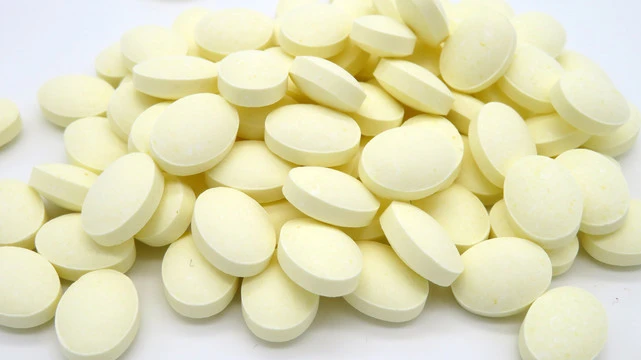
Appearance: White to off-white powder
Ref standard: USP43
Assay: 99.7%(HPLC)
Molecular formula: C13H16N2O2
Molecular weight: 232.28
MOQ: 1KG
Stock:in stock
Our Advantages: Scalable production capacity, strict quality control, cost efficiency from integrated factories, over 20 years of experience, advanced technology, and 24/7 after-sales support.
Certificaions: FSSC2000/ISO2000/HALAL/KOSHER/HACCP
Delivery terms: FedEx, DHL, EMS, UPS, TNT, all kinds of the airline, international shipping companies.
Payment: TT/DP/PAY PAL/VISA/DA/LC/MASTER CARD/ESCROW
Grade: Pharmaceutical Grade
Customized Service: Supports ODM/OEM
Free sample is available.
We do not sell retail quantities to individuals.
Introduction
Melatonin powder (N-acetyl-5-methoxytryptamine, CAS 73-31-4) has become an important raw ingredient in the nutritional supplement, nutraceutical, cosmetic and functional food markets. The worldwide demand for sleep-related goods is increasing. Pharmaceutical companies, supplement companies, and research organisations need bulk supplies with high purity and stringent quality standards.
Beyond unit pricing, B2B buyers have much more at risk. A incorrect purity grade might torpedo permission from the authorities. The supplier might cause significant delays in manufacturing without sufficient paperwork. Whether you’re procuring melatonin powder for the first time or streamlining an existing supply chain, this guide provides the technical parameters, regulatory needs, supplier assessment criteria, and buying techniques that procurement teams need.
Understanding Melatonin Powder: Essential Knowledge for Buyers
Chemical Profile and Synthesis Methods
Melatonin powder is a white to off-white crystalline solid . It has a chemical formula of C13H16N2O2 and a molecular weight of 232.28 Da. Currently, almost all pharmaceutical grade material available on the market is synthetically generated, usually beginning with 5-methoxyindole or similar precursors. The synthetic synthesis protects the supply chain from interruptions in biological sourcing, and eliminates the contamination hazards and batch-to-batch variability associated with animal-derived extraction.
Understanding the synthesis method allows customers to assess supplier claims of purity and consistency. Pharmaceutical grade standards are obtained by reputable producers using multi-stage purification techniques involving chromatographic separation. Typically, a well synthesised melatonin powder would have a purity of >99% as per HPLC (High-Performance Liquid Chromatography) analysis.
Regulatory Landscape and Compliance Requirements
Regulatory compliance is one of the most critical — and most commonly underestimated — aspects of bulk ingredient sourcing. In the United States, the FDA regulates melatonin as a dietary supplement ingredient, which means manufacturers must follow Current Good Manufacturing Practice (cGMP) requirements under 21 CFR Part 111. In European markets, the ingredient must comply with European Pharmacopoeia (EP) standards and new food laws (where applicable according to the intended application).
Your supplier should offer full documentation for every batch of melatonin powder including:
- Certificate of Analysis (CoA) with verified test results
- Allergen statements
- Non-GMO declarations
- Residual solvent testing data
- Heavy metals screening reports
Pharmaceutical applications will need compliance with the standards of USP monographs. Asking for and confirming these papers during supplier qualification—rather than post-purchase—eliminates expensive compliance gaps downstream.
Application Diversity Across Industries
- Melatonin powder serves a broader range of applications than many buyers realize:
- Dietary supplements: tablets, capsules, gummies, and liquids targeting sleep support
- Cosmetics: anti-aging and skin-protection formulations leveraging antioxidant properties
- Functional foods and beverages: fortified drinks and snack products
- Research: high-purity grades for circadian biology and metabolic studies
various applications need various purity grades. Pharmaceutical-grade material is more than 99% pure, while cosmetic-grade is usually 95% to 98% pure. The price difference between classes may be considerable. Matching your purchase specification to the end-use application avoids you from overpaying – or, worse, under-specifying and passing quality reviews.
How to Choose the Right Melatonin Powder for Your Business Needs
Purity Standards and Testing Protocols
Purity directly affects the effectiveness of products, their shelf stability and regulatory compliance. The purity should be specified by the producers as >99.5% confirmed by HPLC. For cosmetic purposes, 95-98% grades are often suitable and more economical. The price differential between classes may be significant, thus correct specification preserves both quality and profit.
When evaluating suppliers, request detailed information about their testing protocols:
- HPLC — the industry standard for purity verification
- GC-MS (Gas Chromatography-Mass Spectrometry) — detects residual solvent levels
- Near-infrared spectroscopy — enables real-time in-process monitoring
Suppliers that maintain dual quality control systems — combining online process monitoring with offline lab verification — tend to deliver more consistent results across batches.
Certification Landscape and Supplier Credentials
Third-party certifications provide independent verification that a manufacturer meets defined quality and safety standards. Key certifications to look for:
- GMP — pharmaceutical-grade manufacturing compliance
- ISO 9001 — quality management system maturity
- HACCP — food safety, relevant for supplement and functional food applications
- Halal and Kosher — important for specific market segments
Make sure your certificates are up to date and relevant for the markets you are targeting. European market standards are different from US regulations and paperwork that is acceptable in one location may not be acceptable in another. Requesting copies of certificates when qualifying suppliers, not after placing an order, avoids the risk of compliance surprises which might delay production.
Packaging Options and Shelf Life Considerations
Packaging affects storage efficiency, handling safety, and product shelf life. Common options for bulk melatonin powder include:
- Fiber drums with polyethylene liners (up to 25 kg) — the industry standard for bulk shipments
- Aluminum foil bags — suitable for smaller quantities or sample orders
- Specialized moisture-barrier containers — for applications requiring extra protection
Stability is closely related to moisture content. Typically, pharmaceutical-grade material will need moisture levels below 0.5%. Bulk orders that will be kept for long periods of time benefit from nitrogen filled packaging that prevents oxidation of the product and prolongs shelf life. A good provider would give stability test results with anticipated shelf life under specified storage circumstances, usually 24 to 36 months.
Bulk Purchasing Strategies: Maximizing Value and Minimizing Risk
Supplier Type Evaluation and Selection
The sort of provider you choose relies on your order volume, technical needs and risk tolerance. Direct manufacturers have the highest technical expertise, clear manufacturing methods and the best price for big volume orders. They can also handle bespoke specs. Trade businesses and distributors provide flexibility - lower minimum purchase quantities, local inventory, and speedier delivery - but at a charge that accounts for their markup.
Pricing Negotiations and Contract Structures
The easiest way to save money when purchasing bulk melatonin powder is via tiered pricing per volume. Suppliers often establish pricing breakpoints at specified quantities and knowing where these breakpoints occur might allow you to customise your order for optimal value.
But unit price is only one component of total cost. A well-structured contract should also address:
- Payment terms and currency exposure
- Delivery schedules and lead time guarantees
- Price adjustment mechanisms for raw material fluctuations
- Quality dispute resolution procedures
Long-term supply agreements can provide favourable pricing for volume commitments. These agreements help ensure budget stability and continuity of supply, which is especially useful when raw material markets are volatile.
Quality Verification and Risk Mitigation
Do not buy in bulk without evaluating samples beforehand. Ask for representative samples and put them through the same testing techniques you would use on production volumes. This testing should be done in your own lab or at a recognised third party facility – not only on the supplier’s CoA.
Establish incoming inspection procedures for every shipment, checking:
- Purity (HPLC)
- Moisture content
- Particle size distribution
- Microbial load
Statistical process control charts for monitoring these metrics show supplier consistency tendencies and identify quality drift prior to it affecting production. Documenting baseline data puts you in a stronger position if quality concerns develop.
Integrating Melatonin Powder into Your Product Line: Operational and Logistical Insights
Storage and Handling Best Practices
Proper storage preserves melatonin powder quality throughout its shelf life and protects your procurement investment. Store the material in a cool, dry environment, away from direct light. Recommended conditions:
- Temperature: 15°C to 25°C (59°F to 77°F)
- Humidity: below 60% relative humidity
Container integrity is important. Wherever feasible use nitrogen flushing and promptly re-seal items on opening to minimise oxidative exposure. utilise the first-in, first-out (FIFO) inventory rotation method, which is to utilise older inventory first before fresh inventory. Track lot numbers across your inventory so you can quickly trace items back if a quality problem arises.
Formulation Considerations and Compatibility
Melatonin powder has limited water solubility, which means formulation strategy depends heavily on the delivery format:
- Tablets: direct compression blends with appropriate flow agents and binders
- Capsules: simpler formulation, but particle size uniformity is critical for accurate dosing
- Liquids: requires carriers such as propylene glycol, ethanol, or specialized emulsification systems
- Gummies: growing consumer demand, but technically demanding — the ingredient must remain stable through high-temperature processing and distribute evenly throughout the matrix
Understanding these formulation challenges before finalizing your purchase specification helps align your raw material grade with your production process.
Market Positioning and Quality Messaging
Ingredient-savvy consumers increasingly value transparency. Brands that highlight pharmaceutical-grade purity, third-party testing, and source certifications build trust and differentiate themselves in a crowded market.
- Promoting third-party verified purity levels on product packaging
- Sharing supplier certification details in B2B sales materials
- Emphasizing sustainable synthetic production over animal-derived alternatives
B2B suppliers who provide marketing support — detailed data sheets, technical documentation, and co-branded materials — add downstream value that goes beyond the raw ingredient itself.
Conclusion
Sourcing melatonin powder in bulk requires navigating technical specifications, regulatory requirements, supplier evaluation, and contract strategy as interconnected decisions. Start with a clear understanding of your purity requirements and target market compliance standards. Build supplier relationships grounded in verified quality data, structured contracts, and ongoing quality monitoring. Finally, ensure your storage, formulation, and market positioning processes are aligned with the grade you purchase.
When organisations see procurement as a process, not a transaction, they will be able to grow their sleep-support product lines confidently, safeguarding profits and quality standards in a competitive market.
FAQ
1. What purity level should I specify when purchasing bulk melatonin powder?
Purity requirements depend on your end-use application. For pharmaceutical products and dietary supplements sold in strictly regulated markets, specify pharmaceutical-grade material — above 99% purity, confirmed by HPLC analysis. For cosmetic applications, 95–98% purity grades are typically sufficient and more cost-effective. Research applications may require the highest available purity to eliminate confounding variables. Always request a Certificate of Analysis to verify tested purity rather than relying on specification sheets alone.
2. How do synthetic and natural melatonin powder differ for commercial applications?
Synthetic production accounts for the vast majority of commercial melatonin powder supply. It offers superior batch-to-batch consistency, lower contamination risk, and more stable availability compared to biological extraction. The molecular structure is identical regardless of source, meaning biological activity and regulatory status are equivalent. Synthetic material also avoids the allergen risks associated with animal-derived sources and is more cost-effective for most commercial applications.
3. What certifications are essential when sourcing melatonin powder for US dietary supplement production?
For US dietary supplement production, prioritize suppliers with current GMP certification demonstrating compliance with FDA 21 CFR Part 111. ISO 9001 certification indicates a mature quality management system. Third-party verification from organizations such as NSF International or USP adds another layer of credibility. For pharmaceutical-grade material, request evidence of USP monograph compliance. Organic and non-GMO certifications support certain brand positioning strategies but are not regulatory requirements and will increase procurement costs.
Partner with a Trusted Melatonin Powder Supplier
Finding a reliable melatonin powder supplier should not mean choosing between quality and cost. Jiayuan Bio-Tech supplies pharmaceutical companies, nutraceutical brands, cosmetic manufacturers, and research institutions across North America and Europe with GMP-certified melatonin powder produced at our modern manufacturing facility.
Our specifications include:
- Pharmaceutical-grade purity above 99% (HPLC verified)
- Cosmetic-grade purity above 95%
- Full EP/USP compliance documentation
- Factory-direct pricing with flexible MOQs
- Small-batch customization for product development
- Customs clearance support for international orders
Request product specifications, CoA samples, or trial quantities by contacting our technical team at sales@jayuanbio.com or sales1@jayuanbio.com. Our application specialists can also discuss your specific formulation requirements and recommend the optimal grade for your production process.
References
1. Hardeland, R. (2019). "Aging, Melatonin, and the Pro- and Anti-Inflammatory Networks." International Journal of Molecular Sciences, examining regulatory frameworks for neurohormone ingredients in supplement manufacturing.
2. Auld, F., Maschauer, E.L., Morrison, I., Skene, D.J., and Riha, R.L. (2017). "Evidence for the efficacy of melatonin in the treatment of primary adult sleep disorders." Sleep Medicine Reviews, providing clinical context for ingredient applications.
3. Zawilska, J.B., Skene, D.J., and Arendt, J. (2009). "Physiology and pharmacology of melatonin in relation to biological rhythms." Pharmacological Reports, detailing physicochemical properties relevant to formulation science.
4. Pandi-Perumal, S.R., Trakht, I., Srinivasan, V., Spence, D.W., Maestroni, G.J., Zisapel, N., and Cardinali, D.P. (2008). "Physiological effects of melatonin: Role of melatonin receptors and signal transduction pathways." Progress in Neurobiology, examining mechanisms relevant to product development.
5. Buscemi, N., Vandermeer, B., Hooton, N., Pandya, R., Tjosvold, L., Hartling, L., Vohra, S., Klassen, T.P., and Baker, G. (2006). "Efficacy and safety of exogenous melatonin for secondary sleep disorders and sleep disorders accompanying sleep restriction." British Medical Journal, addressing safety profiles important for commercial applications.
6. Tordjman, S., Chokron, S., Delorme, R., Charrier, A., Bellissant, E., Jaafari, N., and Fougerou, C. (2017). "Melatonin: Pharmacology, Functions and Therapeutic Benefits." Current Neuropharmacology, discussing quality specifications for therapeutic-grade ingredients.