
Key Uses of Astaxanthin Powder in Wellness Products
As a high-end ingredient made from marine microalgae, astaxanthin powder stands out when talking about natural antioxidants in the production of wellness products. This potent carotenoid has many uses in the functional food, cosmeceutical, and nutraceutical sectors. In order to overcome the formulation issues with raw astaxanthin oleoresin and provide strong antioxidant effects, manufacturers are depending more and more on this stable, microencapsulated version. Because of its adaptability, it is essential for developing cutting-edge health goods. According to current market estimates, the demand for astaxanthin supplements is rising by 15.7% yearly, reflecting the amazing development in the use of natural ingredients in the worldwide wellness business. Product portfolios may be transformed and changing customer expectations can be met by knowing how to employ this marine-derived powerhouse efficiently.
Purity: 1%-10%
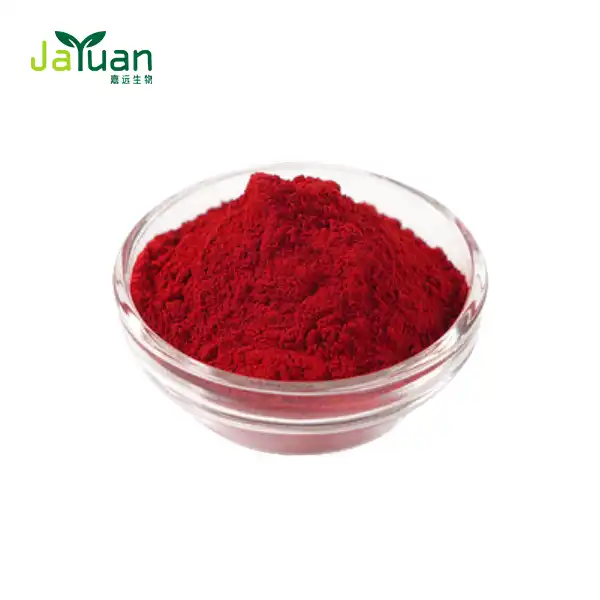
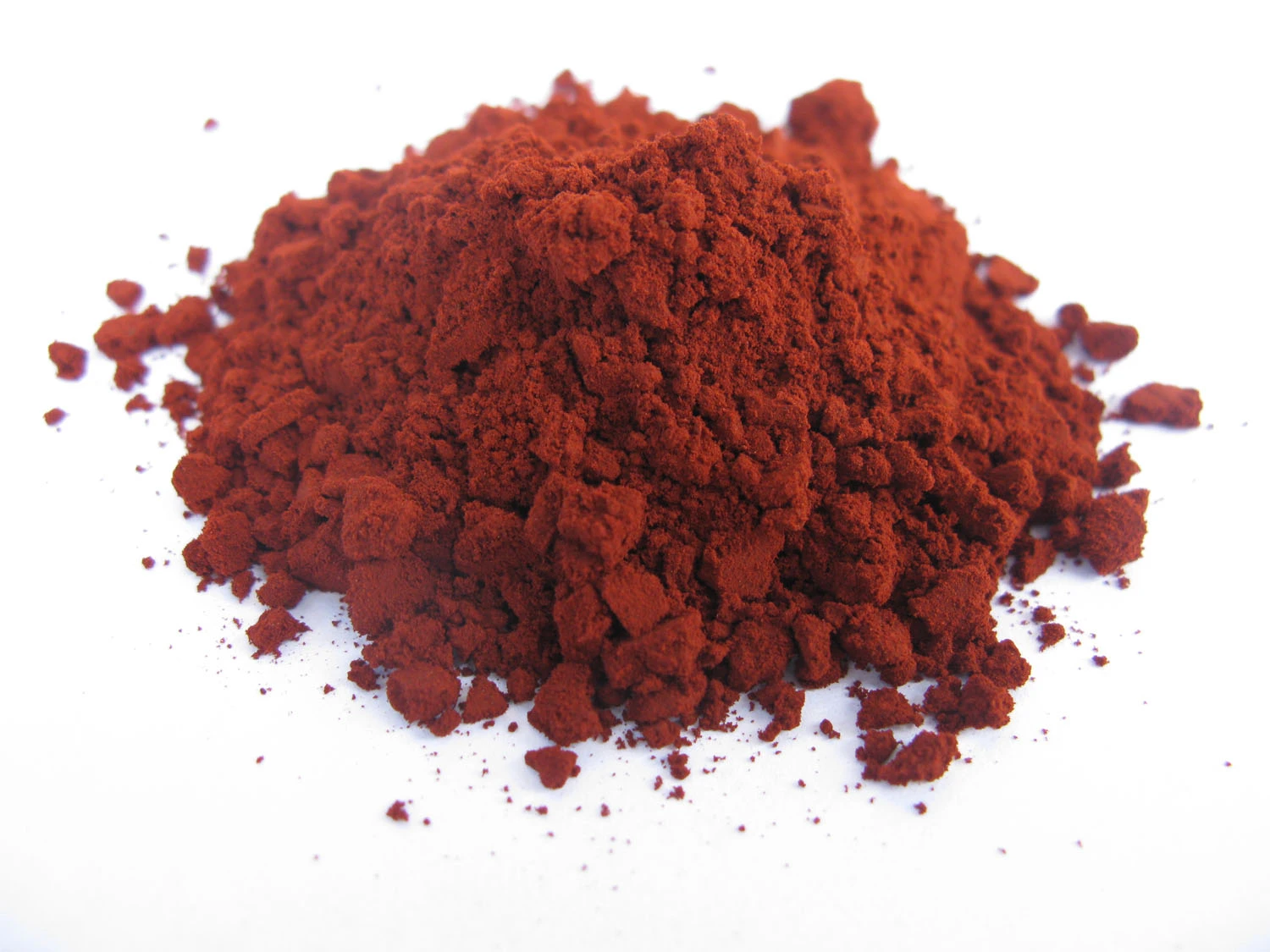
Appearance: Dark red powder
CAS NO.: 472-61-7
Molecular Weight: 596.85
Molecular Formula: C40H52O4
MOQ: 500G-1KG
Inventory: in stock
Our Advantages: Scalable production capacity, strict quality control, cost efficiency from integrated factories, over 20 years of experience, advanced technology, and 24/7 after-sales support.
Certificaions: FSSC2000/ISO2000/HALAL/KOSHER/HACCP
Delivery terms: FedEx, DHL, EMS, UPS, TNT, all kinds of the airline, international shipping companies.
Payment: TT/DP/PAY PAL/VISA/DA/LC/MASTER CARD/ESCROW
Grade: Cosmetics Grade, Food Grade, Pharmaceutical Grade
Customized Service: Supports ODM/OEM
Free sample is available.
We do not sell retail quantities to individuals.
Understanding the Science Behind Marine-Derived Antioxidant Power
With an antioxidant capacity up to 6,000 times greater than that of vitamin C, astaxanthin is nature's most powerful singlet oxygen quencher. Because of its unique chemical makeup, this keto-carotenoid may fully penetrate cellular membranes, offering total defence against oxidative stress. Astaxanthin Powder containing the 3S,3'S stereoisomer arrangement is mostly present in natural astaxanthin derived from Haematococcus pluvialis, in contrast to manufactured substitutes. Superior bioavailability and biological activity are provided by this particular chemical configuration in contrast to synthetic versions that include racemic mixes. Important stability issues with raw astaxanthin are addressed by the powder formulation. By using sophisticated microencapsulation methods with cyclodextrin complexes or modified starch matrices, producers are able to extend product shelf life while preserving potency over time.
Core Applications Transforming Wellness Product Development
Advanced Nutraceutical Formulations
Manufacturers make considerable use of astaxanthin powder in high-end supplement lines that aim to control oxidative stress. Without the leakage problems often seen in formulations based on oil, the microencapsulated beadlet technology enables smooth incorporation into hard capsules and tablets. When exercise-induced oxidative damage necessitates focused intervention, this application is especially advantageous for sports nutrition products. Supplementing with astaxanthin has been shown to improve recovery processes and drastically lower muscular tiredness signs. The powder form allows for accurate dosage, ranging from 4 to 12 mg per serving, guaranteeing steady therapeutic effects. The benefits of stability become apparent while producing at high speeds. While correctly prepared powder retains its integrity throughout manufacturing cycles, traditional astaxanthin oils often break down under compression pressures during tableting.
Revolutionary Skincare and Cosmeceutical Applications
Astaxanthin's antioxidant qualities are increasingly being included by cosmetic producers into anti-aging formulas. While avoiding colour bleeding or separation problems, the powder formulation makes uniform dispersion easier in cream bases and serum matrices. This product of marine algae has exceptional photoprotective properties, efficiently scavenging UV-induced free radicals that accelerate the ageing process of the skin. Astaxanthin Powder functions at the cellular level to stop oxidative damage from inside skin structures, in contrast to topical sunscreens that form barriers. The ingredient's capacity to promote collagen production while lowering inflammatory indicators is especially valued by high-end skincare companies. Clinical research shows that regular astaxanthin exposure significantly increases skin hydration and suppleness.
Functional Food and Beverage Innovation
Astaxanthin Powder's cold water dispersible (CWS) forms allow for innovative uses in functional drinks. The difficulties with natural lipophilicity that previously hindered the development of watery products are resolved by this unique formulation. Astaxanthin's capacity to lessen the buildup of lactic acid caused by exercise is a huge advantage for sports recovery beverages. In addition to providing strong antioxidant effects, the powder dissolves easily and doesn't leave behind sediment or oil rings. Along with its health advantages, astaxanthin's natural colouring qualities are also used by functional food makers. The vivid red-pink colour adds real nutritional value to goods like protein powders and energy bars while doing away with the need for artificial colouring.
Specialized Eye Health Formulations
One fast growing application area for natural astaxanthin molecules is ocular health. The carotenoid is particularly well-suited to treating age-related vision issues and digital eye strain because of its capacity to penetrate blood-retinal barriers. Manufacturers combine astaxanthin with supplementary nutrients such as lutein and zeaxanthin to create specialised eye health products. Astaxanthin Powder preserves bioavailability for the best absorption while guaranteeing stability during long storage. Regular use of astaxanthin has been shown to considerably increase accommodation capacity and lessen symptoms of eye tiredness. Products aimed toward screen-intensive lifestyles are becoming more and more popular as a result of this findings.
Cardiovascular Wellness Support
Astaxanthin Powder is becoming a more important active ingredient in heart health formulations. It is useful for holistic cardiovascular wellness strategies since it may lower inflammatory indicators and promote healthy cholesterol profiles. The component functions in concert with other heart-healthy substances such as omega-3 fatty acids and CoQ10. Manufacturers may construct multi-ingredient complexes using powder formulations without having to worry about compatibility issues that affect oil-based alternatives. According to clinical data, astaxanthin administration promotes healthy blood flow patterns and improves endothelial function. These advantages motivate its use in high-end cardiovascular support formulas aimed at active ageing populations.
Anti-Inflammatory Wellness Applications
The strong anti-inflammatory qualities of astaxanthin are acknowledged by manufacturers as a solution to a number of health issues. The powder form makes it possible to use it into joint health formulas that improve mobility and aid in the recovery after activity. In contrast to conventional anti-inflammatory drugs, astaxanthin powder naturally modulates inflammatory responses via a variety of routes. Without the negative effects of synthetic substitutes, this technique offers mild but efficient assistance. Applications in formulations for cognitive health are also made possible by the ingredient's capacity to pass across blood-brain barriers. Astaxanthin may help regulate neuroinflammation while enhancing attention and mental clarity, according to research.
Premium Beauty-From-Within Products
Astaxanthin Powder is embraced by the nutricosmetics industry due to its all-encompassing beauty advantages that may be obtained by oral supplementation. This method goes beyond surface treatments to target skin health at the cellular level. Manufacturers combine astaxanthin with vitamin complexes, collagen peptides, and hyaluronic acid to make complex beauty supplements. While preserving efficacy throughout the course of the shelf life, the stable powder structure guarantees ingredient compatibility. Innovation in this field is driven by consumer desire for natural beauty products, and astaxanthin offers advantages that have been scientifically shown to appeal to quality-conscious consumers.
Quality Considerations and Formulation Advantages
Manufacturers must give preference to vendors that have extensive quality control systems while purchasing astaxanthin powder. Microbial limits, solvent residue testing, and heavy metal contamination are important points of verification for guaranteeing product safety. Analysis of filter paper residue offers important information on extraction purity levels. Better goods leave less residues, which suggests a greater capacity for antioxidants and improved ability to scavenge free radicals. The effectiveness of the finished product is directly impacted by these quality indicators. The results of bioavailability are strongly influenced by the microencapsulation procedure involving Astaxanthin Powder. Protective matrices and sophisticated spray-drying methods maintain astaxanthin stability while allowing for regulated release patterns that maximise absorption timing.
The distribution of particle sizes influences the final product's dissolving properties as well as flowability during manufacture. For continuous performance characteristics and seamless processing, the ideal requirements usually fall between 40 and 100 mesh.
Market Trends Driving Astaxanthin Adoption
The advantages of astaxanthin are becoming more well known to consumers, especially among health-conscious groups looking for natural substitutes for artificial antioxidants. For producers using premium astaxanthin ingredients, this development creates chances for premium positioning. Given that athletes and fitness enthusiasts are aware of astaxanthin's ability to boost performance, the sports nutrition industry has significant development potential. Products with a recovery emphasis that employ this marine antioxidant are highly priced and attract devoted customers. The need for all-encompassing wellness solutions that treat many health issues at once is growing among ageing populations. With these multi-target strategies, astaxanthin's broad-spectrum advantages allow formulators to develop complex solutions that treat a range of age-related issues.
Conclusion
For producers of wellness products looking to provide naturally occurring benefits with scientific validation, astaxanthin powder is a game-changing ingredient. Its adaptability to applications in functional foods, cosmeceuticals, and nutraceuticals offers a wealth of chances for premium positioning and product differentiation. While preserving the strong antioxidant qualities that make astaxanthin so important, the stable powder form solves conventional formulation issues. Manufacturers that use premium astaxanthin components position themselves favourably in competitive marketplaces and provide their clients with real health advantages as the demand for natural wellness solutions from consumers continues to rise.
Frequently Asked Questions
1. What makes powder form superior to oil-based astaxanthin?
Astaxanthin Powder offers significant stability advantages over oil formulations. The microencapsulation process protects the active compound from oxidative degradation while enabling easy integration into solid dosage forms. This format eliminates leakage concerns and provides better shelf-life characteristics.
2. How does natural astaxanthin differ from synthetic versions?
Natural astaxanthin from Haematococcus pluvialis contains predominantly the 3S,3'S stereoisomer, which demonstrates superior bioavailability compared to synthetic alternatives. Natural sources also include beneficial esterified forms that enhance stability and absorption characteristics.
3. What concentration levels are optimal for different applications?
Standard concentrations range from 1-5% for most applications, with higher potencies available for specialized formulations. Sports nutrition products typically utilize 4-12mg dosing ranges, while cosmetic applications may require lower concentrations depending on specific formulation requirements.
Partner with Jiayuan Bio-Tech for Premium Astaxanthin Powder Solutions
Jiayuan Bio-Tech stands as your trusted Astaxanthin Powder supplier, delivering pharmaceutical-grade ingredients that meet stringent international quality standards. Our advanced production facilities and experienced technical team ensure consistent product quality while providing flexible customization options for your specific formulation requirements. Contact our expert team at sales@jayuanbio.com or sales1@jayuanbio.com to explore how our premium astaxanthin ingredients can enhance your wellness product portfolio.
References
1. Ambati, R.R., Phang, S.M., Ravi, S., & Aswathanarayana, R.G. (2014). Astaxanthin: sources, extraction, stability, biological activities and its commercial applications—a review. Marine Drugs, 12(1), 128-152.
2. Capelli, B., Bagchi, D., & Cysewski, G.R. (2013). Synthetic astaxanthin is significantly inferior to algal-based astaxanthin as an antioxidant and may not be suitable as a human nutraceutical supplement. Nutrafoods, 12(4), 145-152.
3. Fakhri, S., Aneva, I.Y., Farzaei, M.H., & Sobarzo-Sánchez, E. (2019). The neuroprotective effects of astaxanthin: therapeutic targets and clinical perspective. Molecules, 24(14), 2640.
4. Kidd, P. (2011). Astaxanthin, cell membrane nutrient with diverse clinical benefits and anti-aging potential. Alternative Medicine Review, 16(4), 355-364.
5. Park, J.S., Chyun, J.H., Kim, Y.K., Line, L.L., & Chew, B.P. (2010). Astaxanthin decreased oxidative stress and inflammation and enhanced immune response in humans. Nutrition & Metabolism, 7(1), 18.
6. Yuan, J.P., Peng, J., Yin, K., & Wang, J.H. (2011). Potential health-promoting effects of astaxanthin: a high-value carotenoid mostly from microalgae. Molecular Nutrition & Food Research, 55(1), 150-165.