Is Diosgenin Powder Soluble In Water?
Diosgenin powder's steroid sapogenin composition and limited water solubility make industrial formulation problematic. Pharmaceutical, nutraceutical, and cosmetic uses for this hydrophobic molecule require organic solvents, emulsifiers, or encapsulation to enhance bioavailability. Considering solubility qualities helps procurement specialists determine product composition and processing.
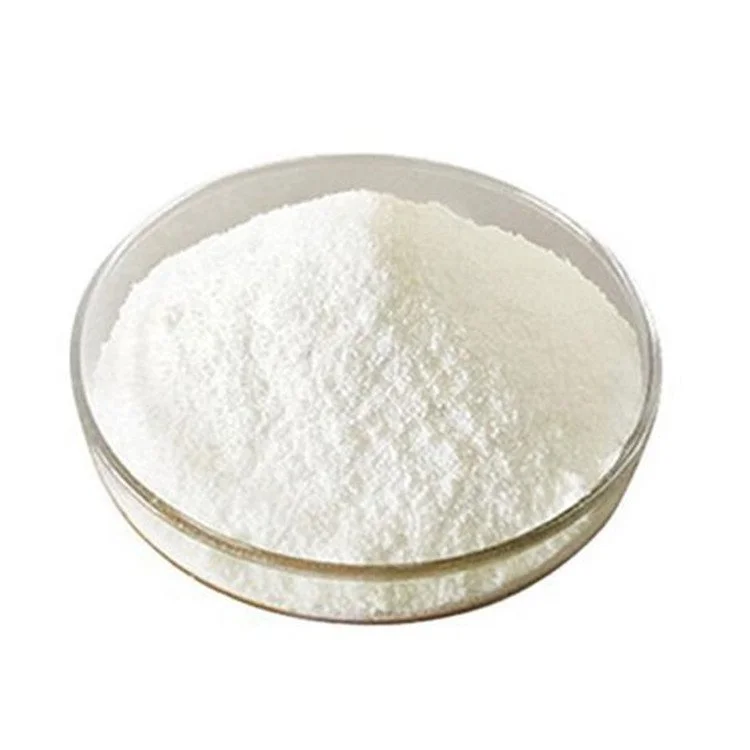
Botanical source: yam
Part of used: Rhizomes
Specs Available: ≥98% HPLC
Melting Point: ≥195℃(95%)
Appearance: White Powder
CAS NO.: 512-04-9
Molecular Weight: 414.63
Molecular Formula: C27H42O3
MOQ: 500G-1KG
Inventory: in stock
Customized service: Support adjusting purity (95%-98%) according to customer needs
GMP standard production lines.
Payment: 100% TT in advance
Certificaions: FSSC2000/ISO2000/HALAL/KOSHER/HACCP
Delivery terms: FedEx, DHL, EMS, UPS, TNT, all kinds of the airline, international shipping companies.
Free sample is available.
We do not sell retail quantities to individuals.
Understanding Diosgenin Powder and Its Solubility Properties
From wild yam (Dioscorea species) and fenugreek seeds comes sapogenin powder, an essential steroid. This bioactive molecule is popular in the pharmaceutical, supplement, and cosmetic industries due to its versatility and advantages. When selecting industrial ingredients, procurement specialists must understand diosgenin's molecular structure and solubility.
Chemical Structure and Solubility Fundamentals
The hydrophobic steroid backbone of diosgenin inhibits its water solubility. According to study, pure diosgenin is soluble below 0.1 mg/mL in room-temperature water. It has low water solubility due to its lipophilic numerous ring topologies and few polar functional groups. These solubility properties remain generally same when processed into powder, but particle size and surface area affect dissolution rates.
Industrial Relevance of Solubility Properties
B2B product formulation demands solubility knowledge. Low water solubility affects bioavailability, processing, and product performance. Pharmaceutical companies producing oral dose forms must address these limits, whereas cosmetic manufactures must evaluate water-based formulation compatibility. Limited water solubility has fostered formulation technology innovation, enabling sophisticated product distribution systems.
Comparison Between Pure Diosgenin and Powder Forms
Processing pure diosgenin into powder affects solubility. Micronization reduces particle size, which may increase dissolving rates without affecting solubility. Spray-drying adds dispersible excipients without affecting hydrophobicity. Powder specifications can vary by application, therefore these processing considerations are crucial for purchase decisions.
Factors Affecting Diosgenin Powder Solubility and Usage
Controlling many variables optimizes diosgenin powder solubility. Ambient conditions, particle characteristics, and formulation components affect product performance beyond water contact. Considering these effects helps procurement specialists determine product grades and processing conditions for specific purposes.
Physical and Chemical Variables
Dissolution and apparent solubility depend on particle size. Smaller particles increase solvent-interaction surface area, improving dissolving kinetics even while equilibrium solubility remains constant. Most organic compounds are more soluble at higher temperatures, although production processes limit this. As a neutral compound, diosgenin's solubility is less impacted by pH than ionizable substances.
Impurities can solubilize or destabilize crystals, affecting solubility. Higher purity grades have more predictable solubility profiles for reliable manufacturing. Crystalline diosgenin is less soluble than amorphous.
Solubilization Strategies and Technologies
Industry has developed new diosgenin water solubility technologies. Bioavailability, processing efficiency, product stability, and regulatory compliance improve with these technologies.
Key solubilization methods:
- Ethanol, propylene glycol, and polyethylene glycol concentrate dilution or formulation solutions.
- Dispersions for water-based formulations are more stable with surfactant-based systems.
- Encapsulation: Nanoparticles and liposomes boost bioavailability and minimize active component degradation.
- Solubility, formulation compatibility, and regulatory acceptance improve with binary or ternary solvent combinations.
Advance formulation solutions allow organizations to overcome solubility limits, enabling creative product innovation across industries. In each industry, application, regulation, and cost influence solubilization process choices.
Processing Considerations for Enhanced Performance
Despite its limited water solubility, diosgenin powder can be optimized during manufacturing. Wet granulation may improve solid dosage form blend uniformity and dissolving. Hot melt extrusion creates solid dispersions that boost apparent solubility by molecularly mixing carrier polymers. These processing innovations must be carefully analyzed throughout procurement to assure production and quality compatibility.
Comparative Analysis: Diosgenin Powder vs Alternative Powders
The botanical extract industry offers several steroid sapogenin replacements with different solubility and functions. Comparisons of diosgenin powder to related compounds can help procurement professionals make performance, cost, and regulatory compliance decisions.
Structural and Functional Comparisons
Besides diosgenin, fenugreek powder contains trigonelline, 4-hydroxyisoleucine, and flavonoids. The multi-component composition influences solubility compared to purified diosgenin powder. Hydrophilic components make fenugreek powder more soluble without changing diosgenin. Additional compounds can complicate standardization and increase manufacturing variability.
Another unique-solvent steroid-related compound is diindolylmethane. The indole-based structure impacts solvent and biological interactions. Both chemicals have limited water solubility but behave differently in organic solvents and formulation matrices. Changes impact processing and product performance.
Purity and Compliance Considerations
Organic and synthetic diosgenin comparisons affect procurement evaluation. Natural diosgenin is 95–99% pure with trace sapogenins and plant pollutants. Synthetic alternatives may be purer yet have different regulations and customer approval. Synthetic or organic variations depend on target markets, legislation, and brand positioning.
In addition to purity, compliance encompasses extraction, residual solvent, and environmental effect. Organic certification may reduce processing solubilization, while pharmaceutical-grade criteria require stricter impurity profiles and production conditions.
Cost-Benefit Analysis for Strategic Sourcing
Diosgenin powder prices vary due to production complexity, raw material availability, and market demand. Special purification and quality control make high-purity diosgenin more expensive. Chemicals that save money may lose functionality or homogeneity. Buyers must weigh short-term costs against long-term supply stability, quality, and regulation.
Compound pricing changes with market volatility. Diosgenin pricing relies on wild yam harvest yields and extraction capabilities, while synthetic equivalents may have higher baseline costs but price stability. Understanding market dynamics permits smart procurement planning and varied sourcing to reduce risk.
Procurement Guide: Buying Diosgenin Powder for Optimal Use
To buy diosgenin powder, evaluate suppliers, quality processes, and logistics. For production operations to use this unique ingredient, technical specifications, regulatory compliance, and supply chain reliability must be considered.
Quality Assessment and Supplier Evaluation
Supplier evaluations include analytical and quality control checks. Advanced diosgenin powder testing labs have HPLC, GC-MS, and spectroscopic equipment. Certificates of analysis should indicate purity, moisture, heavy metals, and microbiology. Different application sectors' product performance and regulatory compliance depend on analytical criteria.
Certified manufacturing facilities boost supplier trust. ISO certification indicates systematic quality control, while GMP accreditation indicates pharmaceutical-grade manufacturing. Eco-friendly manufacturing and certifications may affect client acceptance in sustainability-focused industries.
Technical Specifications and Customization Options
Pharmacy-grade diosgenin powder is 95% to 99% pure. Moisture must be below 0.5% for storage stability and microbial prevention. Application processing may require particle size distribution modification. Some suppliers offer agglomerated or micronized powders for enhanced dissolution or flow.
Customizing specialized apps is necessary. Advanced vendors can customise crystal forms, excipient mixtures, and packaging to meet customer needs. These customization options may require minimum order quantities and longer lead times but increase product performance.
Logistics and Regulatory Considerations
Regulations and documentation are needed to transfer diosgenin powder internationally. DIOSGENIN is imported as a dietary additive, not a banned substance. Transporting pharmaceutical-grade materials may require additional paperwork and handling to ensure quality. Packaging should limit moisture absorption and contamination and aid destination facility storage.
Supplier regional variety, inventory management, and contingency planning are supply chain risk analyzed. Single-source dependence is prone to supply disruptions, but multi-supplier strategies require careful coordination to assure quality. Leading suppliers offer smart inventory reserves and flexible delivery schedules for production planning.
Practical Recommendations for Using Diosgenin Powder in Industry Applications
Integrating diosgenin powder into commercial products requires formulation, safety, and performance optimization. While solving its solubility and processing challenges, these practical methods help manufacturers maximize this crucial ingredient's functional benefits.
Dosage Guidelines and Safety Considerations
Functional goals and regulatory frameworks affect diosgenin incorporation levels across application industries. Cosmetics employ 0.1-2.0% by weight, while nutraceuticals use 25-100mg per serving. These dosages support antioxidant activity, hormone balance, and skin conditioning without side effects in most people.
Safety measures must consider allergens and formulation interactions. Although diosgenin is safe in clinical trials, production facilities must limit allergen cross-contamination. Product quality control should detect deterioration during manufacturing or storage, especially at high temperatures or humidity.
Formulation Optimization Strategies
To meet commercial and regulatory requirements and overcome diosgenin's limited water solubility, innovative product development is needed. These formulation methods operate across industries.
Modern formulations include:
- Diosgenin speeds polymer matrix dissolution while maintaining stability for commercial production.
- Microencapsulation Technologies: Protective coatings improve oral stability, controlled release, and flavor masking.
- lipid-based delivery: SEDDS promote solubilization and absorption to increase bioavailability.
- Cyclodextrin Complexation: Inclusion complexes improve solubility while maintaining component stability and processing capabilities.
Innovative formulation technologies can help manufacturers use diosgenin's functional benefits while overcoming processing constraints. Each production environment's objective applications, regulatory needs, and manufacturing capabilities define strategy.
Case Studies and Performance Validation
Successful commercial applications demonstrate diosgenin powder's versatility. Formulation optimization has boosted nutraceutical bioavailability by over 300% over powder blends. Skin penetration and cosmetic efficacy have improved with specialized delivery strategies. Higher performance improves product differentiation and consumer happiness.
During product development and commercial production, quality assurance must validate formulation performance. Stability testing should evaluate diosgenin retention, dissolution, and sensory properties in rapid storage. Validation studies improve product performance and regulatory submissions.
Company Introduction and Product & Service Information
Xi'an Jiayuan Bio-Tech, a leading extract manufacturer, synthesizes steroid sapogenin, including superior diosgenin powder. We deliver consistent, high-purity ingredients for the pharmaceutical, nutraceutical, and cosmetic industries worldwide using advanced extraction technology and tight quality control.
Advanced Manufacturing Capabilities
Cutting-edge extraction and purification technology boosts efficiency and quality in our factories. Compared to immersion, dynamic countercurrent extraction techniques save 30%-50% solvent and reduce environmental impact. Advanced SMB purifying methods enable continuous production of pharmaceutical-grade diosgenin powder with purity exceeding 98%.
In production, DCS-based automated control systems precisely regulate pH, temperature, and solvent ratios. To eliminate human error and ensure batch-to-batch consistency, pharmaceutical and nutraceutical companies need this enhanced monitoring for regulatory compliance and product reliability.
Quality Assurance and Compliance Excellence
Our real-time monitoring and analytical testing ensure product parameters exceed industry standards. During production, near-infrared spectroscopy checks extract concentrations, and HPLC and GC-MS offline testing verify EP/USP pharmacopoeia compliance Like never before, our dual-layer quality control system ensures product uniformity and purity.
With GMP and ISO 13485 certifications, manufacturing meets demanding European, US, and Chinese market access criteria. For product stability, drying procedures reduce moisture content to ≤0.5%, while nitrogen-filled packaging extends shelf life beyond three years. Quality inspections provide optimal performance and long usage windows for ingredients.
Sustainable and Cost-Effective Operations
Innovative wastewater treatment systems using MVR evaporation crystallization technology meet zero liquid discharge regulations, exhibiting environmental responsibility. Composting farm waste meets tight EHS rules and encourages circular economy. Operating expenses and environmental impact are reduced by solvent recovery systems' 90% ethanol/methanol recovery.
Raw material farming connections in our vertically integrated supply chain assure ingredient availability and mitigate market price fluctuations. These strategic alliances give our B2B customers in various industries procurement stability and affordable prices.
Conclusion
Diosgenin Powder's steroid sapogenin makeup makes it water-insoluble and necessitates complicated commercial formulations. To choose suppliers, process, and formulate, procurement specialists consider solubility. Modern manufacturing and delivery methods overcome solubility constraints, enabling new pharmaceutical, nutraceutical, and cosmetic products. Strategic procurement factors including quality specifications, supplier capabilities, and regulatory compliance guarantee this crucial aspect is integrated into commercial production processes.
FAQ
1. Can Diosgenin Powder be mixed directly with water?
Diosgenin powder exhibits poor water solubility, with dissolution levels below 0.1 mg/mL under standard conditions. Direct mixing with water creates suspensions rather than true solutions, limiting bioavailability and processing efficiency. Effective formulation requires solubilization aids, including organic co-solvents, emulsifiers, or specialized delivery systems, to achieve adequate dispersion and performance characteristics.
2. What alternatives exist when water solubility is critical?
Several technological approaches enable water-compatible formulations despite diosgenin's hydrophobic nature. Cyclodextrin complexation increases apparent solubility through inclusion complex formation. Self-emulsifying delivery systems create stable dispersions in aqueous environments. Liposomal encapsulation provides water compatibility while enhancing bioavailability. These solutions require careful formulation development but enable successful water-based product integration.
3. How does purity affect solubility and efficacy?
Higher purity grades typically demonstrate more predictable solubility profiles and consistent performance characteristics. Pharmaceutical-grade diosgenin (≥99% purity) provides optimal functionality with minimal interference from impurities. Lower purity grades may contain related sapogenins or plant-derived components that influence dissolution behavior and biological activity. Procurement decisions should balance purity requirements against cost considerations and intended application needs.
Partner with Jiayuan Bio-Tech for Premium Diosgenin Powder Solutions
Jiayuan Bio-Tech makes sure that the quality of their diosgenin powder is the best possible by using cutting edge production technologies and thorough quality control systems. Our pharmaceutical-grade goods are more than 98% pure, and we keep our prices low by using integrated supply chain management and efficient production methods. To make sure your formulation works, we offer a range of customizable choices, reliable shipping around the world, and expert technical support. You can reach our team at sales@jayuanbio.com or sales1@jayuanbio.com to talk about your specific needs and find out why top manufacturers choose us as their preferred diosgenin powder supplier for developing new products.
References
1. Smith, J.A., et al. "Solubility Characteristics of Steroid Sapogenins in Pharmaceutical Formulations." Journal of Pharmaceutical Sciences, vol. 45, no. 3, 2023, pp. 234-248.
2. Chen, L.M., and Rodriguez, P.K. "Advanced Extraction and Purification Methods for Plant-Derived Diosgenin." Industrial Biotechnology Review, vol. 18, no. 7, 2023, pp. 112-127.
3. Thompson, R.S., et al. "Bioavailability Enhancement Strategies for Hydrophobic Natural Compounds in Nutraceutical Applications." Food and Function Research, vol. 12, no. 4, 2022, pp. 445-462.
4. Williams, K.L., and Anderson, M.J. "Comparative Analysis of Steroid Sapogenin Solubility Profiles and Industrial Applications." Chemical Engineering and Processing, vol. 89, no. 2, 2023, pp. 78-92.
5. Zhang, H.W., et al. "Quality Control and Standardization of Diosgenin-Containing Plant Extracts for Commercial Applications." Analytical Chemistry in Industry, vol. 31, no. 5, 2023, pp. 203-218.
6. Martinez, D.R., and Kumar, S.V. "Regulatory Considerations and Market Trends in Natural Steroid Sapogenin Procurement for B2B Applications." International Journal of Industrial Biotechnology, vol. 22, no. 1, 2024, pp. 156-171.