Is cytisine the silver bullet for quitting smoking?
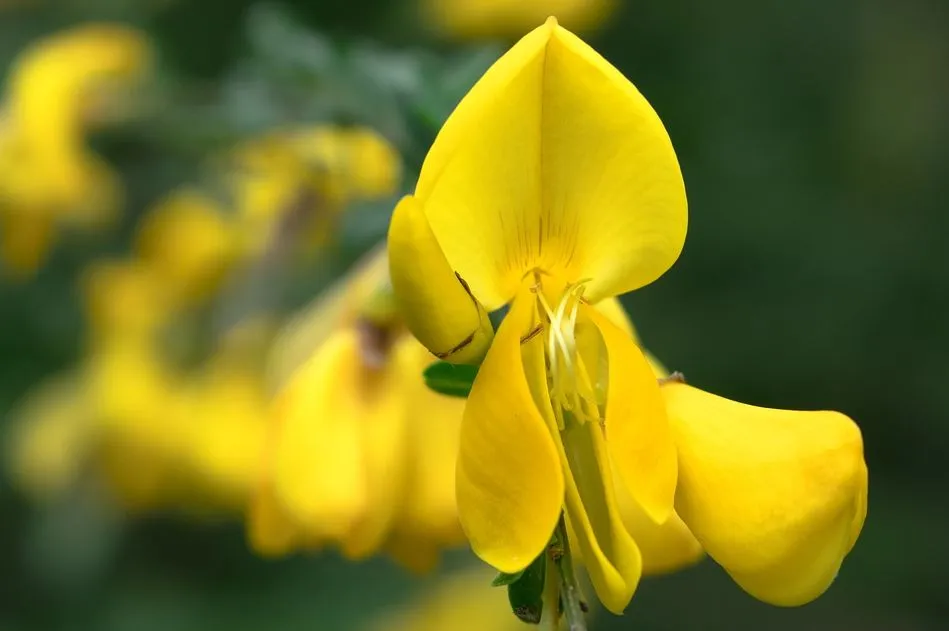
Cytisine powder has attracted serious attention from pharmaceutical researchers, API manufacturers, and smoking cessation product developers worldwide. As a naturally derived quinolizidine alkaloid extracted from Sophora alopecuroides or Laburnum anagyroides, this ingredient carries a chemical profile (C11H14N2O, CAS No. 485-35-8) that closely mirrors nicotine's molecular behavior. It functions as a partial agonist at alpha-4-beta-2 nicotinic acetylcholine receptors, reducing withdrawal discomfort while diminishing tobacco's reward signal. Whether cytisine powder is truly a "silver bullet" depends on clinical evidence, sourcing quality, and formulation context — all of which we explore in depth below.
Understanding Cytisine Powder and Its Role in Smoking Cessation
What Is Cytisine and How Does It Work?
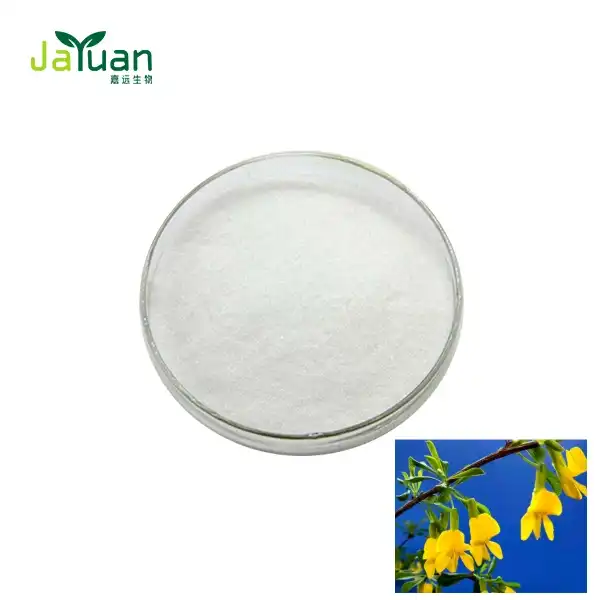
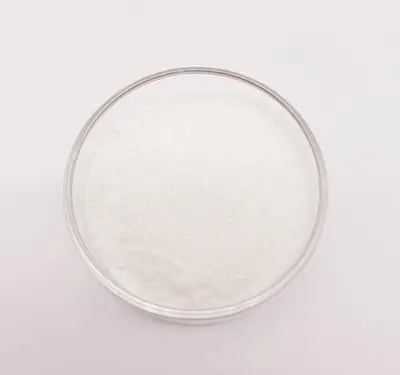
With a freezing point between 152°C and 156°C and a molecular weight of 190.24 g/mol, cytisine powder is a white to slightly yellowish crystalline material. Because it dissolves easily in water and ethanol, it can be used in a wide range of medicinal formulations, such as those that compress, encapsulate, or control the release of drugs. It specifically binds to nicotinic acetylcholine receptors in the brain, which changes the release of dopamine in the mesolimbic pathway and lowers desire.
Cytisine powder alkaloid works differently than nicotine replacement treatment (NRT) products like patches or gum. It works by changing the way receptors work instead of just replacing nicotine. This difference is important for formulators who are making the next generation of ingredients to help people stop smoking. The New England Journal of Medicine (2011) published clinical data that confirmed cytisine powder's statistically significant abstinence rates over a 25-week follow-up period. It worked better than a placebo and was easier to tolerate.
Cytisine powder is a cost-effective way for API manufacturers and research institutions to get raw materials. It has also been shown to work in the past in pharmacology, which makes it a good choice compared to both synthetic alternatives and botanical ones.
Comparing Cytisine Powder to Other Smoking Cessation Solutions
Cytisine vs. Varenicline, NRT, and Herbal Alternatives
For these kinds of purchases, clear measurement is needed to make choices. This is how cytisine powder stacks up against the most common types of ingredients used to help people quit:
- Versus Varenicline (Chantix/Champix): Compared to Varenicline (Chantix/Champix), cytisine powder is made from natural sources and is much cheaper. Both of them work on the same type of receptor. Varenicline is made in a complicated process with many steps, while cytisine powder is extracted from plant matter using vertically integrated farm sourcing. Cytisine powder has been approved in a number of Eastern European countries, but it is still being reviewed by regulators in North America and Western Europe.
- Versus Nicotine Replacement Therapy: Compared to nicotine replacement therapy, NRT goods need ongoing nicotine supply chains and must follow strict controlled drug rules in some places. The fact that cytisine powder comes from plants makes it easier to classify in many places, but buyers should still check local rules before buying. Most cytisine powder-based versions can be used for 25 to 40 days, which is shorter than many NRT programs.
- Versus Herbal and E-Cigarette Alternatives: Compared to herbal and e-cigarette alternatives, cytisine powder is better at binding specific receptors than herbal ingredients used for quitting smoking. Electronic cigarets are still a way to reduce harm, not a way to help people quit smoking. Cytisine powder has been shown to have higher levels of receptor activity than general plant blends, which makes it a better choice for formulation-grade sources.
These differences help purchasing managers at drug companies, contract makers, and research institutes choose ingredients that will help them reach their product goals based on proof.
Procurement Insights: How to Source Quality Cytisine Powder
Key Criteria Every Buyer Should Evaluate
To find pharmaceutical-grade cytisine powder alkaloid, you need to do more than just compare prices. A trustworthy and legal supplier relationship meets the following standards:
- Purity and analytical documentation: For pharmaceutical uses, purity must be at least 98%, which can be checked using HPLC-DAD. Checking for impurities (like caulophylline and related alkaloids), residual solvent analysis according to ICH Q3C guidelines, heavy metal screening with ICP-MS, and microbial limit testing for TAMC and TYMC should all be part of the full COA documentation.
- Pharmacopoeia alignment: To make sure that products sold in Europe and North America meet the standards set by the two main pharmacopeias, they need to be checked using EP and USP general methods. API intermediates that want to join controlled supply chains must have GMP approval and ISO compliance.
- Cold chain and packaging integrity: Cytisine powder should be kept below 25°C in containers that keep air out and keep moisture out. Putting food in sealed containers with nitrogen extends its shelf life to more than three years and stops it from going bad during transport.
- Minimum order flexibility: The minimum order size can be changed. Research schools and pilot-scale makers usually start with orders of 500g to 1kg. A trustworthy company that sells cytisine powder should be able to handle small orders without affecting the need for quality documentation.
Our production facilities at Jiayuan Bio-Tech directly meets these needs. For constant filtering, we use simulated moving bed (SMB) chromatography, which keeps the purity above 98% batch after batch. Our DCS automatic control system keeps pH, temperature, and solvent amounts in check all the time, which makes sure that the accuracy from lot to lot is excellent. With an annual production line that can handle 10 tons of solvent, we can offer unit costs that are 40% to 60% lower than small-scale workshop makers without losing the integrity of the paperwork.
With these skills, you can be sure that the buying process will go smoothly. Manufacturing infrastructure is just as important as price per kilogram when your supply chain depends on consistent analytical profiles and on-time deliveries.
Case Studies and Clinical Evidence Supporting Cytisine Use
What the Research Actually Shows
The most important clinical study for cytisine powder is still the randomized controlled trial by Walker et al. in 2011 that was published in the New England Journal of Medicine. It showed that cytisine powder was better than a placebo at a 1-year follow-up, with an 8.4% continuous abstinence rate compared to 2.4% for the placebo. In 2014, Walker et al. released a non-inferiority trial in NEJM that directly compared cytisine powder to nicotine replacement treatment. They found that cytisine powder led to higher rates of quitting smoking at a much lower cost.
These results show that there is a lot of business potential for B2B clients who are making wellness-focused formulations. For more than 30 years, several Eastern European drug companies have used cytisine powder alkaloid as a main active ingredient (API) in their brand-name quitting products. When distribution partners and OEM clients buy cytisine powder from verified manufacturers, they say that the ingredient works the same way in both tablets and capsules, and that the potency stays stable over the shelf life as long as the powder is stored in the right way.
Making an Informed Decision: Is Cytisine Right for Your Business?
Choosing cytisine powder as a top priority for buying will depend on the formulation goals, target market, and regulatory route of your company. Research institutions need smaller amounts of material that is very pure and has a lot of documentation. Pharmacopoeia-compliant supplies that are GMP-certified are needed by people who buy pharmaceutical APIs. European distributors can get better service from providers who have knowledge with cold chain logistics and customs clearance.
All three groups are served by Jiayuan Bio-Tech. We offer pharmaceutical-grade cytisine powder (≥99%) and standard-grade choices (≥95%) to meet a range of specification needs. We also offer small-batch customization for the creation of new compounds. Our supply chain is fully linked and is based near the Qinling Mountains, which is a main growing area for Sophora alopecuroides. This keeps material costs from changing too much. Our unique high-yield cytisine powder crystallization process ensures purity and stability that regular extraction methods can't always match.
Documentation for regulatory and compliance purposes is made ahead of time. There is a COA, an MSDS, and appropriate pharmacopeia test results in every shipment. FedEx, DHL, UPS, and EMS are our shipping partners that handle foreign delivery and help with customs clearance for both Europe and the US. This means that your team gets the materials directly, with no problems with how they work.
Conclusion
Cytisine powder is not a magic bullet; there is no one ingredient that can solve all clinical or manufacturing problems. What it does offer is a naturally produced ingredient that has real receptor-level pharmacological action that has been proven by science. Cytisine powder alkaloid is a strong and well-studied option for drug companies, neuroscience researchers, and ingredient distributors looking for a reliable raw material for helping people stop smoking. Getting it from a manufacturer that is GMP-certified and highly skilled is what turns promise into success.
FAQ
1.Is cytisine powder safe for use in pharmaceutical formulations?
Cytisine powder alkaloid has been used safely in Eastern Europe for decades and has a safety profile that has been written down. As a raw material, its safety depends on the quality grade and the way it is used in a recipe. For regulated API applications, material that is pharmaceutical-grade (≥99%) and has full impurity profiling and residual solvent analysis within ICH Q3C limits is thought to be suitable.
2.How does cytisine compare to nicotine gum as an ingredient?
Cytisine powder works by partially blocking receptors instead of replacing nicotine, which makes it pharmacologically different from NRT ingredients. Clinical data shows that faster treatment periods and lower substance costs can lead to the same or better abstinence results.
3.What certifications should I request when purchasing in bulk?
Ask for at least a full COA that includes HPLC test results, GMP certification, ISO paperwork, residual solvent testing, heavy metal screening, and microbial limit data. For markets with pharmacopoeia-based regulatory requirements, it is important that EP and USP testing be aligned.
4.What is the standard shelf life for bulk cytisine alkaloid?
If you store cytisine powder properly (below 25°C, in nitrogen-filled sealed containers, with no more than 0.5% wetness), it will stay pure and effective for 24 to 36 months.
Partner With Jiayuan Bio-Tech — Your Trusted Cytisine Powder Manufacturer
Jiayuan Bio-Tech sells cytisine powder that is GMP-certified and has a purity level of 98% or higher. They also offer full pharmacopeia paperwork and a range of order sizes starting at 500g. Our patented extraction and SMB purification method makes sure that each batch is the same and our prices are fair. Contact our expert team to get a price quote for a sample, a COA, or a large order. To start talking about buying something right away, email us at sales@jiayuanbio.com or sales1@jiayuanbio.com or go to jayuanbio.com.
References
1. Walker, N., et al. "Cytisine versus Nicotine for Smoking Cessation." New England Journal of Medicine, 2014.
2. West, R., et al. "Placebo-Controlled Trial of Cytisine for Smoking Cessation." New England Journal of Medicine, 2011.
3. Stead, L. F., et al. "Nicotine Replacement Therapy for Smoking Cessation." Cochrane Database of Systematic Reviews, 2012.
4. Cahill, K., et al. "Pharmacological Interventions for Smoking Cessation: An Overview and Network Meta-Analysis." Cochrane Database of Systematic Reviews, 2013.
5. Leaviss, J., et al. "A Systematic Review of Cytisine for Smoking Cessation." BMJ Open, 2014.
6. Prochaska, J. J., & Benowitz, N. L. "Current Advances in Research on Nicotine and Tobacco." Annual Review of Medicine, 2016.