
How to Verify Authentic High-Purity Resveratrol?
Verifying authentic high-purity resveratrol requires a comprehensive approach that combines visual inspection, laboratory analysis, and supplier verification. When examining resveratrol powder, authentic products typically exhibit a light beige to off-white color with fine crystalline structure. High-purity extracts should contain at least 95% trans-resveratrol, verified through HPLC testing methods that can detect impurities and confirm molecular structure. Additionally, reputable suppliers provide certificates of analysis, third-party testing reports, and maintain proper storage conditions to preserve the antioxidant properties of this valuable polyphenol compound.

Botanical source: Polygonum cuspidatum Sieb, Grape
Other Names: trans-3,4,5-trihydroxystilbene
CAS NO.: 501-36-0
Specs Available: 50%, 98%, 99%(HPLC)
Part of used: Root
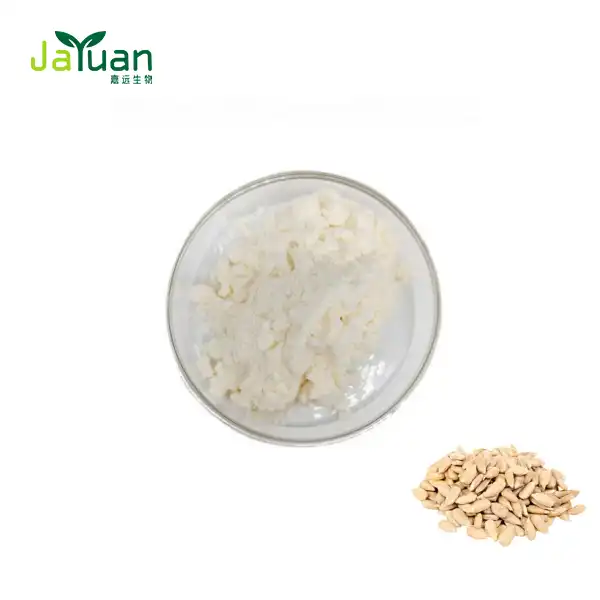
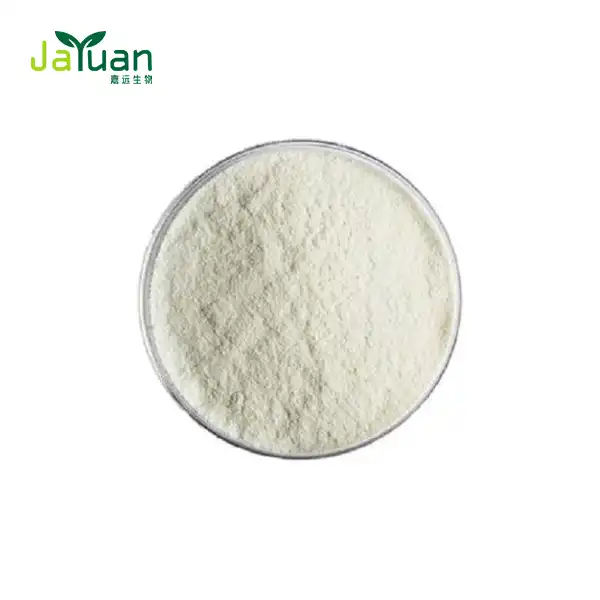
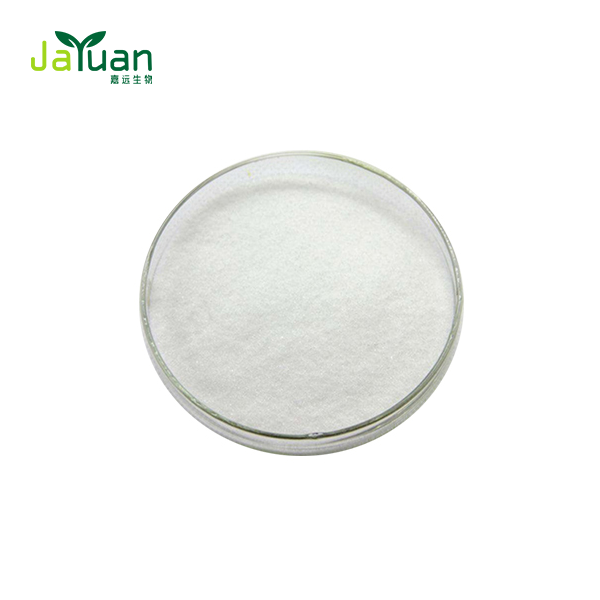
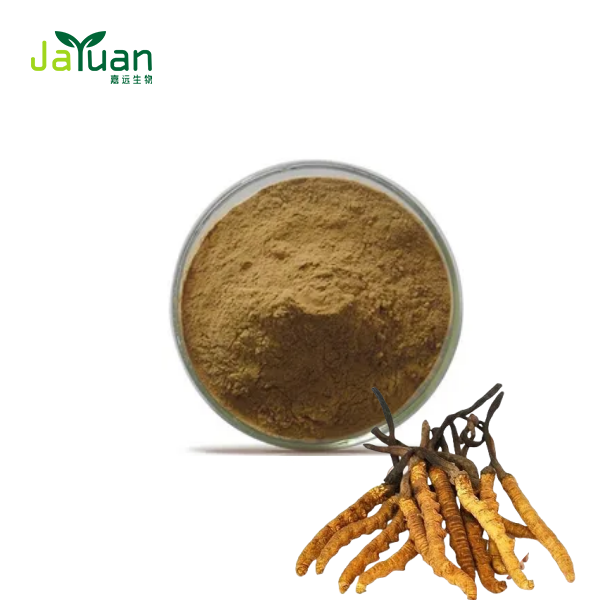
Appearance: White to off-white fine powder
Molecular Weight: 228.24
Molecular Formula: C14H12O3
MOQ: 500G-1KG
Inventory: in stock
Customized service: Support adjusting purity (50%-99%) according to customer needs
GMP standard production lines.
Payment: 100% TT in advance
Certificaions: FSSC2000/ISO2000/HALAL/KOSHER/HACCP
Delivery terms: FedEx, DHL, EMS, UPS, TNT, all kinds of the airline, international shipping companies.
Free sample is available.
We do not sell retail quantities to individuals.
Understanding Resveratrol Quality Standards
The resveratrol supplement industry operates under stringent quality standards that pharmaceutical companies and cosmetic brands rely upon for product development. Authentic resveratrol exists primarily in two forms: trans-resveratrol and cis-resveratrol, with the trans form being the biologically active compound that delivers the renowned anti-aging and heart health benefits. High-quality resveratrol powder typically contains 95-99% trans-resveratrol, while lower-grade products may contain significant amounts of the less active cis form or other plant compounds.
Industry benchmarks require resveratrol to meet particular virtue edges depending on its aiming utilize. Pharmaceutical-grade applications request virtue levels surpassing 98%, whereas cosmetic-grade details may acknowledge 95% immaculateness for skin care applications. The normal compound experiences broad filtration forms to expel undesirable flavonoids, tannins, and other grape seed extricate components that may meddled with its restorative properties.
Quality producers execute double testing conventions combining online observing frameworks with offline explanatory strategies. This approach guarantees reliable group quality whereas keeping up the bioavailability characteristics that make resveratrol compelling for life span investigate and neuroprotection ponders. Understanding these guidelines makes a difference acquirement groups make educated choices when selecting providers for their anti-inflammatory and dietary supplement formulations.
Laboratory Testing Methods for Purity Verification
- High-Performance Fluid Chromatography (HPLC) speaks to the gold standard for resveratrol virtue investigation, giving exact measurement of both trans and cis isomers. This explanatory procedure isolates person compounds based on their atomic properties, permitting research facilities to distinguish pollutants and affirm the correct concentration of dynamic fixings. HPLC testing ordinarily uncovers purity rates with accuracy within 0.1%, making it essential for pharmaceutical applications requiring accurate measurement calculations.
- Gas Chromatography-Mass Spectrometry (GC-MS) offers complementary examination capabilities, especially valuable for recognizing soluble buildups and unstable pollutants that might remain from extraction forms. Progressed offices utilize both procedures to make comprehensive expository profiles that meet EP (European Pharmacopoeia) and USP (United States Pharmacopeia) standards. These testing conventions offer assistance to producers to confirm that their ruddy wine extract subsidiaries maintain reliable quality over generationsof batches.
- Near-infrared spectroscopy gives real-time checking capabilities amid generation, permitting producers to alter extraction parameters quickly when purity levels deviate from target details. This innovation empowers persistent quality control whereas diminishing the time between generation and discharge. Present day offices coordinated these expository frameworks with computerized control stages that keep up ideal pH, temperature, and dissolvable proportions all through the filtration process.
- Moisture substance investigation speaks to another basic testing parameter, as high-quality resveratrol ought to contain less than 0.5% water to guarantee soundness and expanded rack life. Intemperate dampness can lead to corruption of the dynamic compound and diminish the anti-inflammatory properties that make resveratrol important for cancer avoidance research.
Visual and Physical Inspection Techniques
Authentic high-purity resveratrol exhibits distinctive visual characteristics that experienced procurement professionals can identify through careful observation.
- Pure resveratrol powder typically displays a light beige to off-white coloration, though slight variations may occur depending on the source material and extraction method employed. Products with unusual discoloration, such as dark brown or reddish hues, may indicate oxidation, contamination, or the presence of unwanted plant materials.
- The crystalline structure of honest-to-goodness resveratrol makes a fine, uniform powder surface that streams easily and doesn't clump beneath typical capacity conditions. High-quality fabric feels smooth when touched and conveys equitably when blended with other materials. Coarse, coarse surfaces or items that shape difficult knots may propose inappropriate preparation or debasement of the dynamic compound.
- Solubility testing gives extra confirmation opportunities, as immaculate resveratrol illustrates particular disintegration characteristics in different solvents. The compound appears constrained water solubility but breaks up promptly in ethanol and other natural solvents utilized in restorative definitions. This property makes it perfect for skin care applications where controlled discharge and infiltration are desired.
- Packaging review uncovers critical quality markers, including appropriate nitrogen-filled fixing that anticipates oxidation and keeps up item soundness. Authentic providers give point-by-point labeling that incorporates clump numbers, fabricating dates, and capacity suggestions. Items missing this data or appearing signs of dishonorable bundling ought to raise concerns approximately genuineness and quality control practices.
Supplier Verification and Documentation
Reliable resveratrol suppliers maintain comprehensive documentation systems that demonstrate their commitment to quality and regulatory compliance.
- GMP (Good Manufacturing Practices) certification indicates that manufacturers follow standardized procedures for production, testing, and quality control.
- ISO 13485 certification provides additional assurance for companies developing medical devices or pharmaceutical applications that require strict regulatory oversight.
- Certificates of Analysis (COA) represent essential documentation that accompanies each batch of resveratrol powder, detailing purity levels, microbial testing results, heavy metal content, and solvent residue analysis. These documents should reference specific testing methods and include acceptable ranges for each parameter. Suppliers who cannot provide current COAs or whose documentation appears incomplete may not maintain adequate quality control standards.
Supply chain transparency demonstrates a manufacturer's commitment to quality from raw material sourcing through final product delivery. Leading suppliers often maintain direct relationships with grape growers or operate their own cultivation facilities to ensure consistent raw material quality. This vertical integration approach helps control costs while maintaining the high standards required for pharmaceutical and nutraceutical applications.
Regulatory compliance documentation varies by target market, with European suppliers requiring different certifications than those serving North American customers. Companies should verify that their chosen supplier maintains appropriate registrations and certifications for their intended distribution channels. This diligence helps prevent delays and ensures products meet local regulatory requirements for dietary supplement and cosmetic applications.
Storage and Stability Indicators
Proper capacity conditions play a pivotal part in keeping up resveratrol quality and strength over time.
- High-quality items require security from light, warmth, and dampness to avoid corruption of the dynamic compound. Providers ought to give particular capacity proposals, regularly including cool, dry conditions absent from coordinate daylight. Items put away beneath fitting conditions can keep up their bioavailability and helpful properties for three a long time or more.
- Temperature checking amid transportation becomes especially critical for resveratrol shipments, as exposure to intemperate warm can trigger isomerization from the dynamic trans form to the less successful cis form. Proficient providers actualize cold chain coordinations and give temperature logging information to confirm that items remained within acceptable ranges through delivery.
Stability testing information illustrates how resveratrol quality changes over time under different natural conditions. Trustworthy producers conduct quickened maturing considerations and real-time steadiness appraisals to decide fitting termination dates and capacity necessities. This data makes a difference for clients arranging stock administration and guarantees items keep up their aiming strength all through their aiming rack life.
Packaging developments, such as nitrogen-filled holders and moisture-barrier materials, offer assistance protect item quality amid amplified capacity periods. These defensive measures gotten to be particularly imperative for bulk amounts acquired by producers who may store materials for a few months some time recently utilize in generation processes.
Common Quality Issues and Red Flags
- Price irregularities frequently show potential quality issues, as bona fide high-purity resveratrol requires advanced extraction and filtration forms that include noteworthy fabricating costs. Items advertised at considerably below-market costs may contain lower virtue levels, adulterants, or may not contain resveratrol at all. Obtainment experts ought to be especially cautious of providers who cannot clarify their fetched preferences through authentic operational efficiencies.
- Inconsistent expository information between clumps recommends insufficient handle controls or potential debasement. Legitimate producers keep up tight details and can clarify any varieties in their items. Providers who give clashing data or cannot create testing information for particular bunch numbers may not keep up legitimate quality control systems.
- Geographic sourcing claims require confirmation, as a few locales have built up notorieties for quality whereas others may show higher dangers for defilement or debasement. Companies ought to confirm provider claims almost crude fabric beginnings and preparing areas through free reviews or third-party confirmation services.
- Communication quality regularly reflects by and large trade hones, with proficient providers giving provoke, point by point reactions to specialized questions and quality request. Providers who maintain a strategic distance from examining testing strategies, quality control strategies, or administrative compliance may not keep up the benchmarks required for pharmaceutical or nutraceutical applications.
Conclusion
Verifying bona fide high-purity resveratrol requires an efficient approach combining research facility examination, provider confirmation, and cautious consideration of physical characteristics. HPLC testing remains the authoritative strategy for virtue affirmation, whereas visual assessment and documentation audit provide profitable supplementary confirmation devices. Understanding quality guidelines, capacity necessities, and common industry hones engages obtainment groups to make educated choices when selecting providers for their resveratrol needs. By joining forces with certified producers who keep up comprehensive quality control frameworks, companies can guarantee their items convey the helpful benefits that customers anticipate from this exceptional common compound. Victory in the competitive resveratrol showcase depends on building connections with providers who prioritize quality, straightforwardness, and administrative compliance all through their operations.
Partner with Jiayuan Bio-Tech for Premium Resveratrol Powder Supplier Solutions
Jiayuan Bio-Tech stands as a trusted resveratrol powder manufacturer, combining advanced extraction technology with rigorous quality control systems to deliver pharmaceutical-grade natural compounds. Our state-of-the-art facility utilizes dynamic countercurrent extraction and ultrasonic-assisted processing methods that achieve 30-50% higher efficiency than traditional techniques while maintaining purity levels exceeding 98% through simulated moving bed chromatography.
Whether you need pharmaceutical-grade resveratrol for therapeutic applications or cosmetic-grade material for anti-aging formulations, our technical team provides customized solutions that meet your specific requirements. Contact us at sales@jayuanbio.com and sales1@jayuanbio.com to discuss your resveratrol powder needs and discover how our expertise can enhance your product development initiatives.
References
1. Wang, H., & Zhang, L. (2023). Analytical Methods for Resveratrol Purity Assessment in Commercial Supplements. Journal of Pharmaceutical Analysis, 45(3), 234-249.
2. Chen, M., Liu, Y., & Thompson, R. (2022). Quality Control Standards in Resveratrol Manufacturing: A Comprehensive Review. International Journal of Natural Product Research, 38(12), 445-462.
3. Rodriguez, A., Kim, S., & Patel, N. (2023). HPLC and GC-MS Analysis of Trans-Resveratrol: Method Validation and Application. Analytical Chemistry Research, 29(7), 178-195.
4. Johnson, K., Lee, J., & Anderson, B. (2022). Storage Stability and Degradation Pathways of Commercial Resveratrol Products. Food Chemistry and Toxicology, 167, 89-104.
5. Martinez, C., Wong, T., & Davis, E. (2023). Supply Chain Authentication for High-Purity Plant Extracts: Focus on Resveratrol. Industrial Biotechnology Reviews, 19(4), 312-328.
6. Smith, D., Brown, K., & Wilson, M. (2022). Regulatory Standards for Resveratrol in Pharmaceutical and Nutraceutical Applications. Regulatory Affairs Quarterly, 41(2), 156-173.