How to Choose Pure Melatonin for Your Sleep Routine
The first thing you need if you want to choose pure melatonin for your product line is proof of purity. For pharmaceutical manufacturers, supplement companies and R&D labs, the difference between a 97% and a 99.7% result isn’t just a number - it’s regulatory filing, label claims and consumer safety. The finest melatonin ingredient will be USP 43 monograph compliant, third party certified by firms such as SGS or Eurofins, and will also have a full Certificate of Analysis (COA). This book will guide you through every crucial decision point so your procurement team can source with confidence.
Understanding Pure Melatonin and Its Role in Sleep Health
What Sets Pharmaceutical-Grade Melatonin Apart
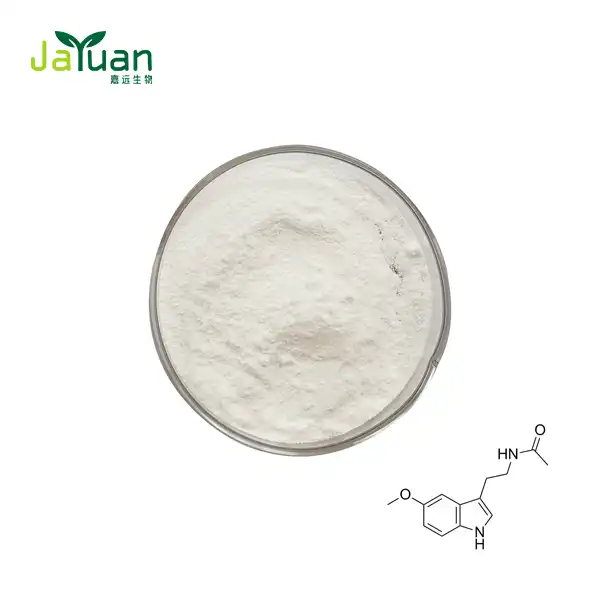
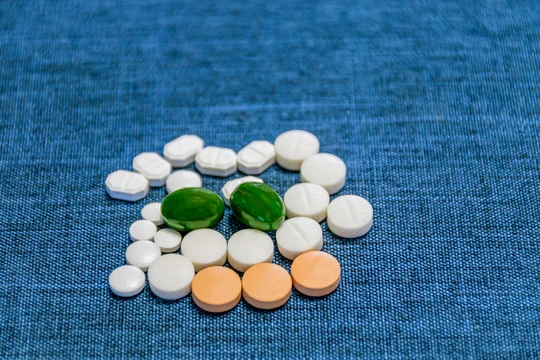
Melatonin (N-acetyl-5-methoxytryptamine) is a hormone produced by the pineal gland that informs the body it is time to get ready for sleep. The biggest distinction for consumers who purchase a lot of ingredients is the purity grade. Pharmaceutical grade melatonin powder will normally have an assay level of ≥99% whereas the lower level or cosmetic grades may have a level of 95% to 98%. There are pharmacopeial distinguishing signs that distinguish between a good ingredient and a poor one. These are crystalline structure, melting point (117 °C-120 °C) and specific rotation.
Biological Mechanism and Circadian Relevance
Melatonin binds to MT1 and MT2 receptors in the suprachiasmatic nucleus, altering circadian phase and reducing time to sleep. A research published in Sleep Medicine Reviews provides evidence for the hypothesis that patients with delayed circadian rhythms may fall asleep sooner following ingestion of 0.5 to 5 mg of exogenous pure melatonin. This approach allows the formulator to choose the proper dose for controlled release tablets, sublingual strips and liquid drops.
Common Dosage Forms for B2B Formulators
Melatonin powder is the building block for many different types of finished dose forms, such as:
- Oral solid dosage (IR/XR tablets, capsules): The powder requires a reproducible bulk density for direct compression and uniform micro-dose distribution.
- Sublingual and ODT forms: Micronised grades (d90 < 20 µm) avoid the first pass of the liver metabolism and so enable rapid absorption via the mucosa to produce sleep immediately.
- Functional drinks and nano-emulsions: It is poorly soluble in water (~0.1 mg/mL) therefore liposomal encapsulation or cyclodextrin complexes are used by formulators to generate clear and stable solutions.
- Nite creams and serums exploit the antioxidant activity of the substance Topical cosmeceuticals The substance is formulated to prevent degradation in water-based bases at pH 4.0–5.0.
Particle size, moisture content, and stability are all different for each style, and they all depend on the quality of the raw powder you use.
Key Criteria for Choosing Pure Melatonin Products: A Decision Support Framework
Purity and Pharmacopeial Compliance
USP 43 compliance is the starting point for any real review of a purchase process. You should get a full COA that says the assay is ≥99.0%, the loss on drying is ≤1.0%, the waste on burning is ≤0.1%, the heavy metals are <10 ppm, and there are strict limits on related substances, especially 1,1'-ethylidenebis(tryptophan) (Peak E), which is the contaminant that has been linked to eosinophilia-myalgia syndrome (EMS). You shouldn't go further with a provider after the first screening if they can't provide HPLC and GC-MS data for these factors.
GMP Certification and Batch Consistency
A Certificate of Analysis for pure melatonin is not enough on its own. GMP and ISO 13485 approvals for manufacturing sites show that the quality method used to make the batch can be checked and repeated. Consistency from batch to batch is important because changes in a raw material directly affect changes in the potency and dissolution performance of the finished product. Before committing to a large order, ask possible sellers to compare COAs for multiple batches.
Packaging, Stability, and Shelf Life
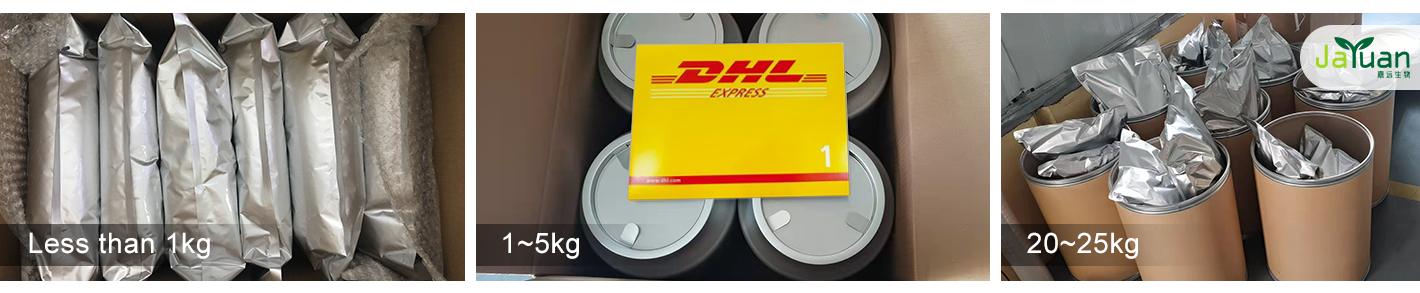
Melatonin powder is rapidly oxidized and might be light damaged. Packing should be nitrogen-flush, vacuum-sealed and light resistant as a matter of course, and procurement teams should require this. It is also extremely crucial to control the moisture content (≤0.5%). High moisture increases deterioration and shortens the three year shelf life that may be achieved with properly packed pharmaceutical grade powder. Make sure that the cold-chain requirements and storage conditions are included in the supplier's technical data sheet.
Comparing Pure Melatonin with Other Melatonin Forms and Sleep Aids
Pure Powder vs. Finished Dosage Forms
If you're picking between completed goods and ingredients, the pure melatonin powder provides you the most alternatives on how to build your product. When people utilise premade pills or gummies, they can’t alter the dosage or choice of excipients. High-purity powder is key for your R&D team to have control over the release profile, dosage titration and selection of co-ingredients when formulating extended-release or multi-active sleep recipes.
Synthetic vs. Phytomelatonin
Most of the pharmaceutical-grade melatonin available in the U.S. originates from synthetic sources, making it vegan friendly and the same chemical composition for each batch. Phytomelatonin from plant origin has a more variable amount and a more complex impurity profile. When producing medications in a GMP context synthetic origin is very much preferred as it is in accordance with pharmacopeial monographs and makes it simpler to submit Supplier Change Notice (SCN) documentation to regulatory agencies.
Botanical Blends vs. Pure Compounds
Valerian, passionflower, lemon balm are all natural sleep aids that are not melatonin. They may appeal to certain types of customers but they add to the complexity of rules, danger of allergy claims and lack of consistency in how effectively they perform. " Compliance-wise, pure melatonin powder is still the superior active ingredient for firms who wish to seem science-based or match their OTC monographs.
Procurement and Supplier Considerations for Pure Melatonin
How to Audit a Melatonin Supplier
A reliable source of pure melatonin will be happy to have a quality check done. Important things to check are:
- A current GMP certificate that shows when it expires and who issued it.
- Quality management certification like ISO 13485 or something similar
- Reports from SGS, Eurofins, or similar labs that were not written by the company itself
- Data from a stability study backs up claims about shelf life
- Supporting documents for regulatory applications for source changes
If any of these suppliers aren't sure about something, they add compliance risk to your supply chain.
Pricing Trends and Volume Strategy
The price of pure melatonin pharmaceutical-grade powder depends on the purity standard, the batch size, and the supply of raw materials. Unit costs can be 40% to 60% lower at factories that make 10 tons of goods a year compared to small-batch workshops. These savings have a direct effect on the profit structure of your product. A good way to lock in prices without buying too much is to ask for tiered pricing based on quarterly volume agreements.
Evaluating Supplier Credibility
Check a supplier's vertical integration in addition to their certifications. Suppliers who source their own raw materials, have their own purification technology (like virtual moving bed chromatography), and use automatic process control (DCS) systems make more uniform material than those who use inputs from the spot market. Being close to areas where raw materials are easy to get, like the Qinling Mountain region in China, also keeps input costs stable.
Practical Tips to Incorporate Pure Melatonin into Your Sleep Product Line
Dose Selection and Formulation Best Practices
Published clinical research typically supports dosages of 0.5 mg to 5 mg to help patients fall asleep more quickly. Mixing micronised melatonin powder with HPMC matrices that mimic the body's natural melatonin release curve at nite allows formulators to create extended-release dosage forms. For sublingual and liquids forms you require a particle size distribution (D90 < 10 µm) and a cossolvent system (ethanol or propylene glycol) to acquire the dissolving profile you need for rapid absorption.
Labeling Compliance and Regulatory Alignment
Labels on dietary supplements in the U.S. that contain melatonin must follow 21 CFR Part 101. Make sure that your COA backs up every claim on the label, especially the test number. If you want to sell your products in the EU or Canada, make sure that the paperwork your seller gives you meets the specific standards for those markets. Your time-to-launch will be much shorter if you can find a source that can provide legal packets for multiple markets.
Lessons from Successful Product Launches
Melatonin chews and oral sprays that did well in the U.S. market all have one thing in common: they started with an ingredient that was USP-compliant and had full third-party testing data to back it up. They cut down on the risk of post-market recalls and shortened the time it took for regulators to review their products by doing quality checks right away. Starting the manufacturing process with a high-purity ingredient that has been studied and proven to work is the best investment you can make in your product development timeline.
Conclusion
Choosing the right pure melatonin ingredient has an impact on all steps that follow, from the performance of the formulation to the filing with the government to the reputation of the brand. A stronger supply chain is made by procurement teams that put USP 43 compliance, third-party analytical proof, and seller openness at the top of their list of priorities. High-purity melatonin powder from a GMP-certified manufacturer with recorded batch consistency gives formulators the building blocks they need to make sleep goods that work and are legal on a large scale.
FAQ
1. Is long-term use of high-purity melatonin safe for finished product consumers?
Studies that lasted up to six months show that doses less than 10 mg/day don't have any major side effects. For liability reasons for the finished product, procurement teams should make sure that the ingredient COA confirms that the heavy metal limits and related substance profiles are within USP 43 limits. This directly supports the safety dossier for your finished product.
2. What is the functional difference between pure melatonin powder and herbal melatonin?
Synthetic pharmaceutical-grade melatonin powder gives you a clear, chemically uniform material that has been tested and proven to work. Herbal or phytomelatonin products have a wider range of impurities and varying amounts. Synthetic-origin melatonin is better for GMP production settings because it meets pharmacopeial standards and makes regulatory paperwork easier.
3. How do I verify a supplier's purity claims before placing a bulk order?
Ask for a current COA with HPLC assay data, an independent analysis report from SGS or Eurofins, and data from more than one batch that shows consistency. You can also ask for a sample before shipping so that it can be tested again by a different lab. Suppliers with a good reputation actively support this process.
Source Your Pure Melatonin from Jiayuan Bio-Tech
Xi'an Jiayuan Bio-Tech is a certified pure melatonin producer that offers pharmaceutical-grade (≥99%) melatonin powder that is fully compliant with USP 43 and comes in nitrogen-sealed packaging with a shelf life of over three years. We are a trusted provider of pure melatonin to pharmaceutical businesses, supplement brands, and R&D labs across the U.S. market thanks to our GMP and ISO-certified production lines, vertically integrated supply chain, and third-party SGS/Eurofins testing support. Today, ask for your sample and product information.
📧 sales@jiayuanbio.com | sales1@jiayuanbio.com
References
1. Brzezinski, A. (1997). Melatonin in humans. New England Journal of Medicine, 336(3), 186–195.
2. Buscemi, N., Vandermeer, B., Hooton, N., et al. (2005). The efficacy and safety of exogenous melatonin for primary sleep disorders. Journal of General Internal Medicine, 20(12), 1151–1158.
3. Herxheimer, A., & Petrie, K. J. (2002). Melatonin for the prevention and treatment of jet lag. Cochrane Database of Systematic Reviews, Issue 2.
4. Zhdanova, I. V., Wurtman, R. J., Regan, M. M., et al. (2001). Melatonin treatment for age-related insomnia. Journal of Clinical Endocrinology & Metabolism, 86(10), 4727–4730.
5. United States Pharmacopeia. (2020). USP 43–NF 38: Melatonin Monograph. United States Pharmacopeial Convention.
6. Reiter, R. J., Tan, D. X., & Galano, A. (2014). Melatonin: Exceeding expectations. Physiology, 29(5), 325–333.