How Diosgenin Powder Is Made From Wild Yam
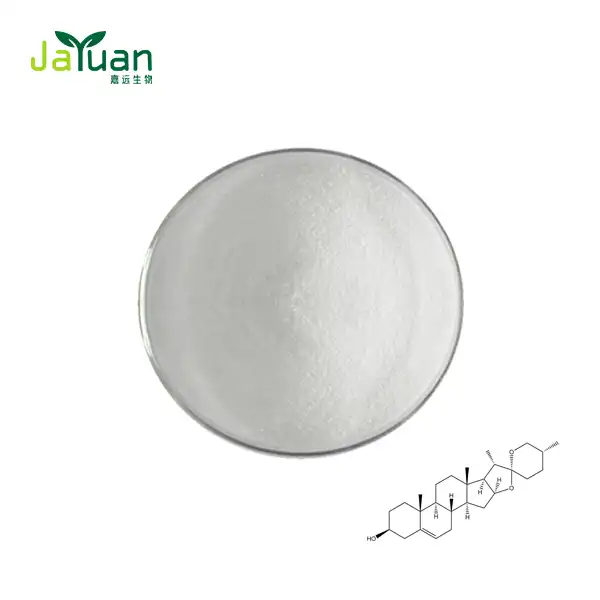
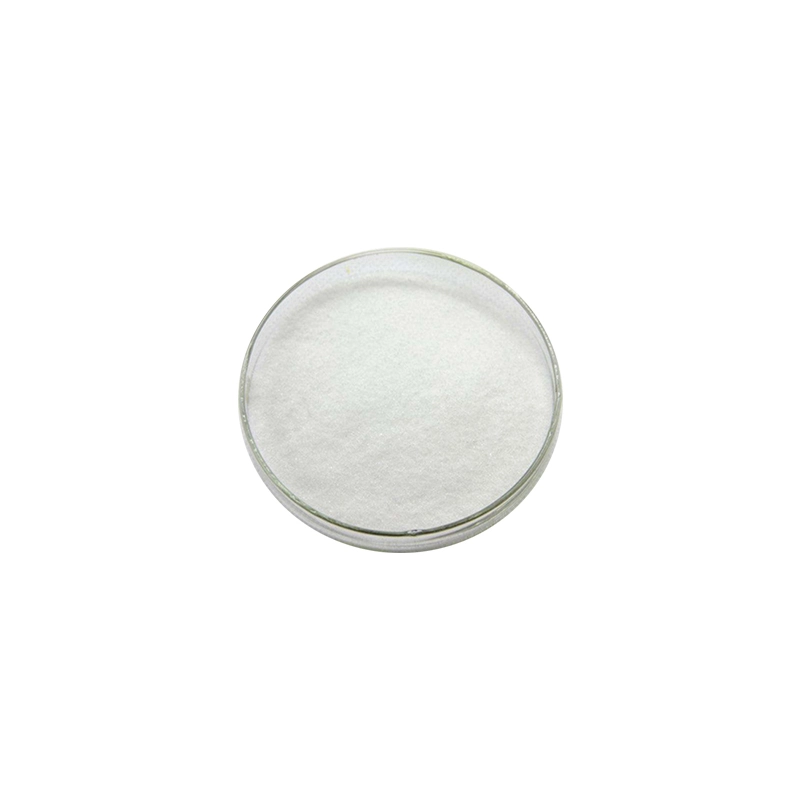
Diosgenin powder (CAS 512-04-9) is a steroidal sapogenin obtained from the rhizomes of Dioscorea species, most often Dioscorea zingiberensis and Dioscorea villosa. The technique includes acid hydrolysis of raw saponins of wild yam tubers, solvent extraction, chromatography purification and controlled drying. It is a white to off-white crystalline powder with purity of ≥95% and the key pharmacological intermediary for semi-synthesis of steroid hormones including progesterone and corticosteroids. This method is something each B2B buyer assessing supplier quality and consistency must understand.
Understanding Diosgenin and Wild Yam: Foundations for Quality Powder
What Is Diosgenin?
Diosgenin (C27H42O3) is a steroidal sapogenin that occurs naturally. It has a melting point between 205°C and 208°C, which means it is a very pure crystal. It likes fats and doesn't dissolve well in water. However, it does dissolve in chloroform, ethanol, and hot petroleum ether. As the aglycone that comes from dioscin saponins, it is the basic building block for the Marker Degradation process. This process makes it possible to commercially semi-synthesize more than 60% of the world's steroid hormone ingredients, such as corticosteroids, progesterone, and testosterone derivatives.
Wild Yam as the Primary Source
The species Dioscorea zingiberensis (Turmeric Yam) and Dioscorea villosa are the most useful for industrial extraction. D. zingiberensis, which is mostly grown in China's Qinling Mountain area, has much higher natural saponin levels than most other plant sources, which makes it both cost-effective and easy to use on a large scale. The rhizomes of the plant store diosgenin-bound saponins in amounts that can reach 6–8% dry weight in the best growing conditions.
Alternative Sources and Species Comparison
Fenugreek (Trigonella foenum-graecum) also produces diosgenin, but not as much, which makes it less useful for large-scale production of pharmaceutical-grade chemicals. Another small source is sisal (Agave sisalana). For commercial buyers, choosing the right species has a direct effect on the yield of extraction, the purity of the final product, and the unit cost. D. zingiberensis always has the best ratio of saponin to cost of all the industrial sources that are known to exist.
Step-by-Step Process: How Diosgenin Powder Is Extracted From Wild Yam
Harvesting and Raw Material Selection
The best time to harvest wild yam rhizomes is after three to four years of growth, when the amount of saponin is highest. The total saponin content of good raw materials must be above 3.5% (dry base) and the wetness level must be below 12%. Rinse the roots, cut them into pieces, and dry them in the sun or with a machine. Xi'an Jiayuan Bio-Tech gets its rhizomes from near the Qinling Mountains through vertically integrated supply agreements. This helps keep prices and quality of inputs stable all year.
Extraction: From Traditional to Advanced Methods
With traditional means like hot water or static immersion for diosgenin powder, the yield is low and the purity isn't always uniform. Jiayuan Bio-Tech uses dynamic countercurrent extraction and ultrasonic-assisted extraction, which increases productivity by 30% to 50% while lowering the amount of liquid used. The process has two main steps. The first acid hydrolysis releases free diosgenin by breaking the glycosidic linkages of raw saponins. The hydrolysate is then treated with an organic solvent (typically ethanol) to extract the aglycone. A Distributed Control System (DCS) monitors pH, temperature and fluid ratios and changes these parameters in real-time to minimize batch variances.
Purification, Drying, and Final Powder Production
After being extracted, the crude diosgenin fraction goes through simulated moving bed (SMB) chromatography, which is a continuous cleaning method that always gets material that is above 98% pure for pharmaceutical use. The solvent recovery system recovers more than 90% of the ethanol and methanol, which cuts production costs by a large amount. After the product is cleaned, it is controlled-air-dried by spray-drying or vacuum-drying until the wetness level is ≤0.5%. The final diosgenin powder is stored in fiber drums that are sealed in nitrogen-filled, double-lined plastic bags. This keeps the powder fresh for more than three years.
Quality Control and Compliance
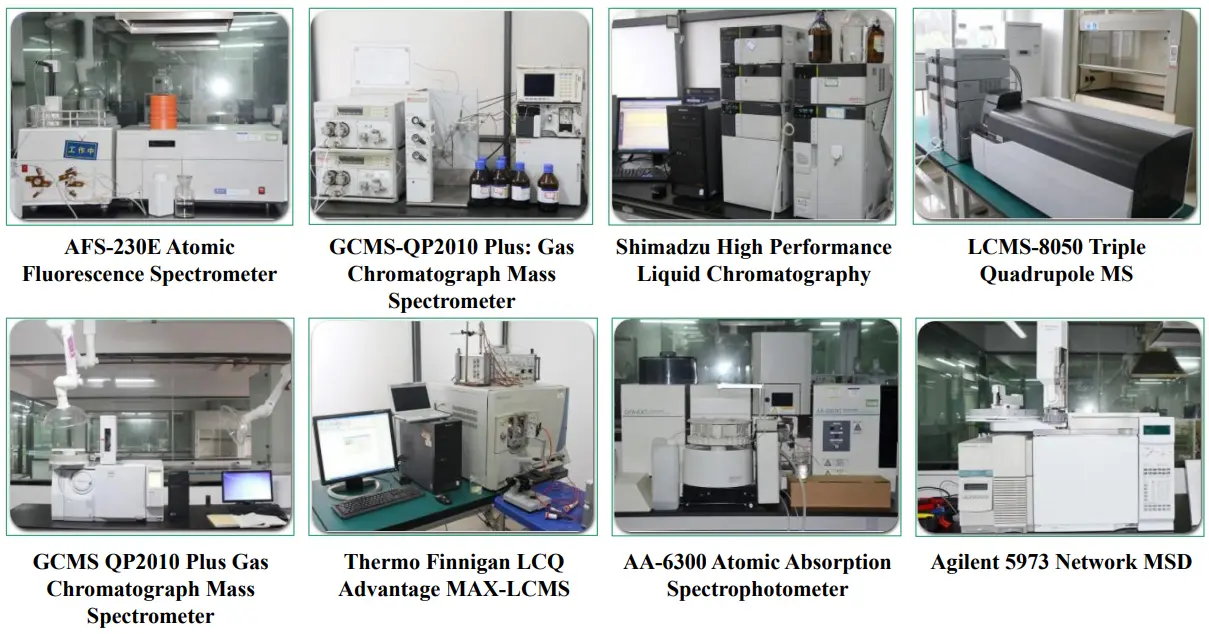
At each stage, two forms of quality control are implemented: near infrared (NIR) spectroscopy measures the NIR concentration of the extract on-line during preparation and HPLC and GC-MS tests are performed off-line to evaluate the final sample values. Pharmaceutical-grade diosgenin powder conforms to EP/USP pharmacopeia specifications. The level of heavy metals is controlled at less than 10 parts per million. Jiayuan Bio-Tech has GMP and ISO permits, and may market its goods in China, the US and Europe.
Comparing Diosgenin Powder to Other Natural Hormone Precursors: Market Insights
Diosgenin Powder vs. Wild Yam Extract
Wild yam extract is usually measured by a percentage of total saponins, like 6% or 16%. It is used as a supplement in general. Diosgenin powder, on the other hand, is the pure aglycone molecule, with a purity of 95% or 98%. This means it can be used as a pharmaceutical intermediate or in high-potency functional ingredient formulas. The two goods are not interchangeable because they are made for different types of buyers.
Diosgenin vs. Fenugreek and Other Steroid Precursors
Diosgenin is found in fenugreek extract, but it is in lower amounts and in a more complex saponin matrix, which adds more variables to the next steps in the process. Phytosterols from soy or pine tall oil can be used as building blocks for steroids, but they need to go through more steps of synthesis before they can be used as hormone precursors. Diosgenin powder provides a structurally straight route to 16-DPA (16-Dehydropregnenolone Acetate), which is the main step in making hormonal APIs. Under ideal industrial conditions, it can support a weight-to-weight conversion rate of 45% to 50%.
Organic vs. Synthetic Diosgenin Options
Diosgenin powder that comes from plants is naturally vegan and non-GMO, and Jiayuan Bio-Tech confirms that no GMO carriers or catalysts that come from animals are used in the isolation process. There are fully manufactured methods, but they cost more to make and are closely regulated. When it comes to markets like the US, plant-derived diosgenin powder has a lot of benefits for companies that want to make clean-label supplement formulas.
Procurement Considerations for Diosgenin Powder: What Buyers Need to Know
Evaluating Supplier Credentials
Making sure that the supplier's credentials are checked is the first step in getting diosgenin powder you can trust. Documentation from GMP, ISO 13485, and SGS are the bare minimum for pharmaceutical-grade sources. Certificates of Analysis (CoA) should include HPLC assay values, residual solvent levels, heavy metal reports, and microbial testing when being bought. Audits by a third party add another level of proof. Jiayuan Bio-Tech offers complete documentation packages that are in line with both USP and EP standards. These packages can be used for multi-departmental procurement approvals, which are common in pharmaceutical companies.
Pricing, MOQ, and Supply Stability
Seasonal raw material supply and wild yam harvesting conditions have an impact on the price of diosgenin powder. When buyers sign long-term framework agreements or annual contracts, prices tend to stay stable. Jiayuan Bio-Tech's farming network is vertically linked and is close to the Qinling Mountains. This helps the company deal with changes in the spot market. The monthly production capacity is 150–200 metric tons, which ensures a steady supply for companies that buy a lot of pharmaceuticals. On request, small-batch sampling and custom specifications, such as particle size and grade, can be made.
Logistics and Delivery to the US Market
Jiayuan Bio-Tech partners with international freight firms such as FedEx, DHL, UPS, EMS, and directly delivers to consumers in the United States. The staff assists with the documentation required for customs clearance, which makes it simpler for first time importers. Diosgenin powder is provided in sealed container pressurized with Nitrogen to protect its purity during transport. Warehouse stocking alternatives enable purchasers to shorten lead times and keep their production plans running without overstocking.
Best Practices for Using Diosgenin Powder in Various Applications
Formulation Guidance for Supplement Manufacturers
Diosgenin powder is an active ingredient in nutritional supplements for women, hormone-supporting formulas, and wellness products for women going through menopause. To make capsules or tablets that mix better, formulators should mix diosgenin with oil-soluble carriers or use micronized grades. This is because diosgenin attracts fat. Always check that the concentration of the ingredients matches the intended strength of the finished formula, and make sure you follow the rules for dietary supplements in the market you want to reach.
Handling, Storage, and Shelf Life
The ingredient's long-term safety is directly affected by how it is stored. Here are the most important rules that buyers and formulators should follow when handling:
- Store in double-lined polyethylene bags inside fiber drums, in a cool, dry environment (recommended below 25°C).
- Keep away from strong oxidizing agents to prevent ring oxidation.
- Avoid prolonged exposure to humidity; target storage humidity below 50% RH.
- Maintain sealed, nitrogen-purged packaging until point of use.
Put them away in a cool, dry place (below 25°C) in double-lined polyethylene bags inside fiber drums.
Safety Considerations for Industrial Use
These steps keep the chemical stability and assay values the same for the full three years that Jiayuan Bio-Tech's packaging method guaranties. This helps makers keep track of their stock without losing quality.
Conclusion
Finding the raw materials, breaking them down with acid, advanced extraction, SMB chromatographic purification, and controlled drying are all steps in the structured, science-based process of making diosgenin powder from wild yam. Each step affects the end purity, the uniformity of the batch, and the performance of the next steps in the synthesis process. Supply quality is very important for companies that make pharmaceutical APIs, buy supplement ingredients, and make products for women's health. In order to meet the strict needs of global B2B procurement teams, Xi'an Jiayuan Bio-Tech uses GMP-certified production, vertically integrated raw material sources, and full pharmacopoeia-grade paperwork.
FAQ
1. What is the difference between wild yam extract and diosgenin powder?
The amount of total saponins in wild yam extract is fixed to a certain percentage. Diosgenin powder is the isolated aglycone with a purity of 95%, and it is only meant to be used for pharmaceutical intermediate uses or high-potency functional ingredients, not as a supplement.
2. What conversion yield can diosgenin powder support for 16-DPA synthesis?
Under ideal factory conditions, high-purity diosgenin powder can usually convert between 45% and 50% of its own weight to 16-DPA, which is the main chemical building block for hormone drugs.
3. Is diosgenin powder vegan and non-GMO?
Yes. As a phytosteroid ingredient that comes from plants, it is naturally vegan. Jiayuan Bio-Tech's process doesn't use any GMO carriers or triggers that come from animals.
Partner With Jiayuan Bio-Tech for Your Diosgenin Powder Supply
With GMP-certified production lines, a monthly capacity of 150–200 metric tons, and full EP/USP pharmacopoeia-grade documentation, Xi'an Jiayuan Bio-Tech is a reliable company that makes diosgenin powder. Our stable supply, low factory-direct prices, and door-to-door delivery across the United States make us the best choice whether you need pharmaceutical-grade (≥99%) or industrial-grade (≥95%) material. Get in touch with our team right away to ask for samples, a COA package, or prices on bulk orders.
Please send your resume to sales@jayuanbio.com or sales1@jayuanbio.com.
References
1. Marker, R. E., & Rohrmann, E. (1940). Steroidal sapogenins. Journal of the American Chemical Society, 62(3), 518–520.
2. Zheng, X., et al. (2012). Extraction and purification of diosgenin from Dioscorea zingiberensis using simulated moving bed chromatography. Industrial Crops and Products, 36(1), 303–308.
3. Cuervo-Pérez, E., et al. (2018). Diosgenin: Chemistry, bioactivity, and production from Dioscorea species. Phytochemistry Reviews, 17(4), 749–769.
4. United States Pharmacopoeia (USP). (2023). General Chapter <1086>: Impurities in Drug Substances and Drug Products. USP–NF.
5. Chinese Pharmacopoeia Commission. (2020). Pharmacopoeia of the People's Republic of China, Volume IV. China Medical Science Press.
6. Singh, S., et al. (2017). Diosgenin: A steroidal saponin with wide industrial applications and pharmacological properties. Journal of Natural Products, 80(5), 1335–1355.