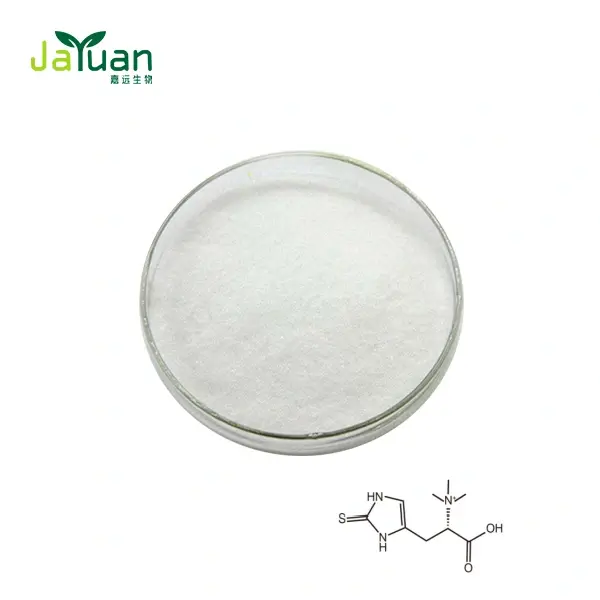

Ergothioneine Supplement Benefits: Evidence for B2B Buyers
As procurement professionals in the pharmaceutical, nutraceutical, and cosmetic industries navigate evolving market demands, ergothioneine supplement ingredients have emerged as a compelling choice for product innovation. This naturally occurring amino acid derivative, primarily sourced from mushrooms through precision fermentation, offers documented antioxidant properties backed by rigorous clinical research. Unlike conventional antioxidants, ergothioneine accumulates selectively in tissues via a dedicated transporter protein (OCTN1), delivering targeted cellular protection against oxidative stress. Understanding the science, sourcing strategies, and market positioning of this bioactive compound enables B2B buyers to make informed decisions that align with consumer trends in anti-aging, cognitive support, and skin health formulations.
Understanding Ergothioneine and Its Core Benefits
The Biochemical Uniqueness of Ergothioneine
Ergothioneine is different from other antioxidants because of the way it enters cells. Biomedical journals have released research that shows human cells have OCTN1 transporters that are meant to concentrate ergothioneine in organs that are subject to high oxidative stress, like the skin, eyes, and liver. Because of this biological selection, when you add ergothioneine supplement ingredients to products, you're giving people an antioxidant that works by bioaccumulating where it's needed most instead of spreading out all over the body. The molecule stays in its thione tautomeric form in water, which makes it much more stable than vitamin C or glutathione, which break down quickly in the same conditions.
Documented Health Benefits for Product Development
Several health benefits that are relevant to B2B product formulation strategies have been proven by clinical studies. A rising market area is cognitive support. Studies show that ergothioneine's neuroprotective qualities may help the brain age in a healthy way by protecting mitochondria. Ergothioneine can be found in both products that you take orally and cosmetics that you put on your skin. It can slow down oxidative damage to skin cells that are exposed to UV light and outdoor pollutants.
Improving skin health holds a lot of promise for beauty brands. Researchers have found that ergothioneine helps keep the skin healthy by removing divalent metal ions like copper. This stops Fenton reactions that create harmful free radicals. Studies that tested the anti-inflammatory properties of certain ingredients back up formulation strategies that aim for systemic wellness products or skin care lines that treat sensitive skin conditions. For people who make nutraceuticals, these proven benefits give them a solid base for making claims about their products that health-conscious people in the US and EU will believe.
Comparing Ergothioneine to Conventional Antioxidants
When comparing the ingredients in ergothioneine supplements to well-known options, a number of scientific benefits become clear. Even though glutathione is very strong inside cells, it is not easily absorbed by the body and breaks down quickly in the digestive system. N-acetylcysteine (NAC) needs to be changed metabolically before it can work as an antioxidant, which makes its effectiveness variable. Ergothioneine gets around these problems by directly absorbing and preferentially uptaking by cells. It keeps working even when the body is under stress, which makes other chemicals inactive. This security means that finished goods will last longer on the shelf, which is very important for companies that manage their inventory and shipping.
Evaluating Ergothioneine Supplement Quality and Safety for B2B Buyers
Purity Standards and Manufacturing Excellence
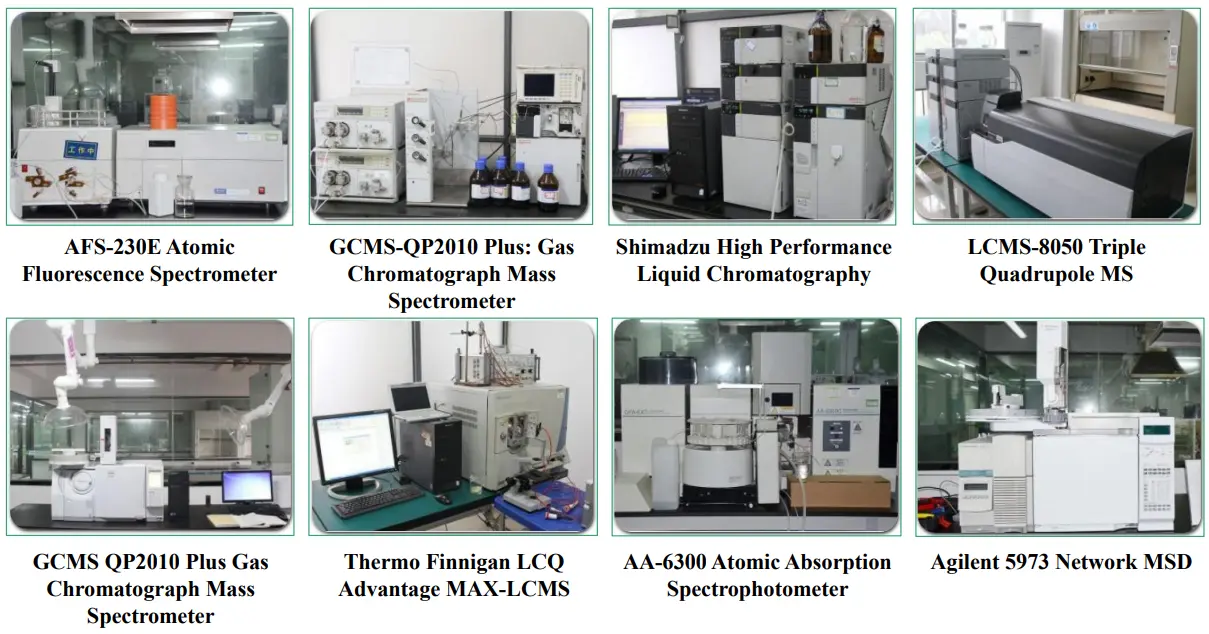
Differentiating quality starts with knowing how things are made. At Jiayuan Bio-Tech, we use precision microbial fermentation along with simulated moving bed chromatography (SMB) to make formulations that are more than 95% pure for cosmetic use and more than 99% pure for pharmaceutical use. Our two-tier quality control system uses near-infrared spectroscopy to watch over production in real time and offline HPLC and GC-MS to check that every batch meets EP/USP standards. This strict method solves a common problem in the industry: inconsistent purity levels that make it harder to keep formulations stable and follow regulations.
Dosage Recommendations and Safety Profiles
When it comes to B2B buying, the chemical details are very important. Good ergothioneine supplement ingredients should be a white to off-white crystalline powder that is specific to the L-isomer (optical rotation between +122° and +128°), dissolves in water more than 100 mg/mL, and stays stable at temperatures between 257°C and 275°C. These factors make sure that the ingredient can be easily added to a wide range of formulations, from watery drinks to food supplements in capsules.
Organic Versus Fermentation-Derived Sources
As of now, clinical data supports daily doses between 5 mg and 30 mg as a dietary supplement. No major side effects have been reported in published studies. This broad treatment window gives formulators a lot of freedom while still keeping patients safe, which is something that regulatory bodies in both the US and Europe carefully look at. People who are healthy don't have any major problems with the compound, but responsible manufacturers always suggest that vulnerable groups talk to their doctors first.
Critical Certifications for Market Access
Business-to-business buyers often have to choose between ergothioneine that comes from mushrooms and ergothioneine that is made in a lab. Fermentation-derived sources have a lot of benefits when it comes to buying them, including a steady supply all year that isn't affected by changes in agriculture, higher chiral purity that guarantees only the bioactive L-isomer, and compatibility with vegan and allergen-free clean label trends that are popular with American consumers. Concerns about animal origin are taken care of by Jiayuan Bio-Tech's fermentation method, which also provides batch-to-batch uniformity that mushroom extraction can't match. The market appeals especially to brands that want to attract health-conscious customers who carefully look at how ingredients are sourced.
Comparison of Ergothioneine with Other Antioxidants
Stability and Bioavailability Advantages
Technical comparisons show why major brands are choosing ergothioneine supplement ingredients over more common ones. To be bioavailable, glutathione needs to be put into special liposomes or delivered under the tongue, which makes the formulation more complicated and costs more. Light, air, or metal ions quickly break down vitamin C, so expensive stabilization methods are needed. Ergothioneine stays effective at pH levels from 3.0 to 9.0 and doesn't oxidize on its own because of its unique chemical structure. This makes it easier to make new formulations and, when properly packed, extends the shelf life of products beyond three years.
Synergistic Formulation Opportunities
Progressive product designers know that mixing antioxidants often makes them work better together than when they are used alone. When combined with CoQ10 for metabolic support, hyaluronic acid for anti-aging skin care, and resveratrol for all-around health supplements, ergothioneine works really well. This compatibility lets purchasing managers set their product lines apart by using new, multi-ingredient formulas that meet the needs of consumers who want complete health solutions. At Jiayuan Bio-Tech, our technical team helps buyers find the best combinations of ingredients for different market uses through formulation consulting.
Market Positioning and Consumer Perception
Consumers are becoming more aware of ergothioneine thanks to scientific research and the support of wellness influencers. This newfound popularity opens up new market possibilities for early users who can build a brand around cutting-edge ingredients. Ergothioneine supplement products occupy a premium positioning that justifies higher price points and attracts health-conscious consumers willing to invest in advanced nutritional science, in contrast to the saturated markets for vitamin C and E supplements.
Procurement Insights: Where and How to Source Ergothioneine Supplements
Supplier Selection Criteria for Risk Mitigation
Tough review of suppliers is the first step in making buying strategies that work. In addition to licenses and quality requirements, experienced buyers look at how much the product can be made, how stable the supply chain is, and how well it can provide technical support. We know that cosmetic brands want quick turnarounds for seasonal product launches and that pharmaceutical businesses need proven processes with written batch records. Jiayuan Bio-Tech can produce 10 tons of goods every year, which is a mix of industrial scale and batch sizes that can be changed to fit orders ranging from research-grade kilograms to commercial metric tons for your ergothioneine supplement needs.
Pricing Structures and Volume Economics
Transparency sets trustworthy providers apart from generic ones. When looking at companies that make ergothioneine supplements, make sure you ask for a lot of paperwork, like a Certificate of Analysis (CoA), stability studies, leftover solvent testing, and reports on microbe contamination. Our fully connected supply chain, which starts with deals to grow raw materials near the Qinling Mountains and ends with the packaging of the finished product, makes it possible to fully track everything and meets the strictest reporting requirements.
Logistics and Lead Time Management
Knowing what causes costs helps buyers get better deals while still maintaining quality standards. There are big fixed costs for fermentation infrastructure and purification equipment in biosynthetic production, but when commercial volumes are reached, economies of scale make the price per unit much lower. Our solvent recovery system can recover more than 90% of the ethanol and methanol that is used. This lowers the cost of consumables, which we pass on to our clients as low prices. Ordering multiple plant extracts at the same time saves buyers 15–25% on total landing costs compared to buying a single ingredient. This is because the shipping is combined and customs clearance is sped up.
Practical Guide for B2B Buyers: Integrating Ergothioneine into Your Product Line
Assessing Market Demand and Consumer Trends
Market research shows that people are becoming more and more interested in pills that help you live longer and beauty ingredients that are backed by science. The cognitive health market has grown quickly as older people look for proactive ways to keep their brains healthy. This has created opportunities for ergothioneine supplement formulations that focus on brain protection and mental clarity. Anti-aging product sales in the US continue to grow by double digits every year. This is because customers are learning more about how ingredients work and looking for alternatives to retinol and peptides.
Regulatory Frameworks and Compliance Requirements
Demographic analysis helps make strategies for positioning products better. Millennials and Gen Zers strongly prefer clean label goods that contain well-known, naturally-derived ingredients that have been shown to have health benefits. This group likes the fact that ergothioneine comes from mushrooms and is taken up by cells specifically. These are the kinds of details that make a product stand out on a store shelf full of other products. Professional beauty stores are stocking more products that have been proven to work, which makes ergothioneine a good choice for brands that want to sell to dermatologists and medical spas.
Strategic Positioning with Supplier Partnerships
For B2B buyers adding new ingredients, figuring out the regulatory situation is a big worry. Ergothioneine is generally thought to be safe (GRAS) for use in food supplements in the United States. This makes the approval process faster. Novel Foods rules apply to European markets, but ergothioneine can be found in foods like mushrooms, which supports its use in food additives. Our regulatory affairs specialists keep up-to-date documentation packages that meet the needs of all of your submissions.
Conclusion
Pharmaceutical companies, nutraceutical brands, cosmetics makers, and research institutions can use the strategic addition of ergothioneine supplement ingredients to make their products stand out in crowded markets. This method has been proven by science. Procurement experts can make smart choices about where to get things by knowing how the compound enters cells, how stable it is, and what health benefits it has been shown to have. Quality factors, such as purity requirements, manufacturing certificates, and the dependability of the seller, have a direct effect on both following the rules and making customers happy. As people learn more about the market, brands that are quick to adopt new ideas can become leaders in innovation and meet the growing demand from customers for advanced, effective formulas that are backed by strong science.
FAQ
1. What makes ergothioneine different from other antioxidants in supplement formulations?
In contrast to passive antioxidants, ergothioneine has a specific transporter (OCTN1) that actively concentrates it in tissues that are suffering oxidative stress. This tailored transport, along with its high chemical stability and resistance to auto-oxidation, gives long-lasting protection that water-based forms of vitamin C or glutathione can't match in an ergothioneine supplement formulation.
2. How should B2B buyers evaluate organic versus fermentation-derived ergothioneine sources?
Fermentation-derived ergothioneine supplement ingredients have higher chiral purity (100% L-isomer), are available all year, and are in line with trends in vegan clean label products. While mushroom extraction gives products a "organic" label, fermentation methods give pharmaceutical-grade uniformity and get rid of supply chain variability, both of which are important for large-scale production.
3. What certifications should procurement managers prioritize when sourcing ergothioneine?
GMP and ISO 13485 certifications show that the quality management of the manufacturing process meets pharmaceutical standards. This is necessary to get into the U.S. and European markets. Getting more NSF, organic, or HALA certifications helps your brand's place in high-end markets. Full testing records, such as HPLC purity confirmation, residual solvent analysis, and microbial screens, are needed for regulation applications in all areas.
Partner with Jiayuan Bio-Tech for Premium Ergothioneine Solutions
Finding pharmaceutical-grade ergothioneine supplement materials requires a company that is good at technology, follows the rules, and works well with others. Through our advanced SMB chromatography purification and precision fermentation processes, Jiayuan Bio-Tech provides ergothioneine that is good enough for use in medicine and cosmetics. Its purity is higher than 99%. Our fully automated DCS production systems make sure that each batch is exactly the same, and our extensive quality standards make it easier for you to follow the rules in both the American and European markets.
We know that getting the right ingredients is only one part of making a good product. Our technical team can help you with formulation, custom standard development, and the whole supply chain, from finding raw materials near our plant in the Qinling Mountains to delivering them to your production site after they have been cleared by customs. Our production and storage services are flexible enough to fit your project's schedule, whether you need small amounts for study or large amounts for business use.
Connect with our team to discuss your ergothioneine supplement manufacturer requirements and to ask for full product specs and free samples to try. Reach us at sales@jayuanbio.com or sales1@jayuanbio.com to explore how our unique purification technologies, fully integrated supply chain, and dedication to quality can help you stand out from the competition.
References
1. Cheah, I.K., and Halliwell, B. (2020). Ergothioneine: Antioxidant Potential, Physiological Function and Role in Disease. Biochimica et Biophysica Acta - Molecular Basis of Disease, 1822(5), 784-793.
2. Borodina, I., Kenny, L.C., and McCarthy, C.M. (2020). The Biology of Ergothioneine, an Antioxidant Nutraceutical. Nutrition Research Reviews, 33(2), 190-217.
3. Halliwell, B., Cheah, I.K., and Tang, R.M.Y. (2018). Ergothioneine: A Diet-Derived Antioxidant with Therapeutic Potential. FEBS Letters, 592(20), 3357-3366.
4. Ey, J., Schomig, E., and Taubert, D. (2007). Dietary Sources and Antioxidant Effects of Ergothioneine. Journal of Agricultural and Food Chemistry, 55(16), 6466-6474.
5. Paul, B.D., and Snyder, S.H. (2010). The Unusual Amino Acid L-Ergothioneine is a Physiologic Cytoprotectant. Cell Death and Differentiation, 17(7), 1134-1140.
6. Kalaras, M.D., Richie, J.P., Calcagnotto, A., and Beelman, R.B. (2017). Mushrooms: A Rich Source of the Antioxidants Ergothioneine and Glutathione. Food Chemistry, 233, 429-433.