
Ergothioneine Powder vs. Glutathione: Which Is Better?
When it comes to choosing between ergothioneine powder and glutathione for your formulations, the answer depends on your specific application requirements. Both compounds serve as powerful antioxidants, yet ergothioneine powder offers distinct advantages in stability, cellular uptake efficiency, and heat resistance during manufacturing processes. While glutathione excels in detoxification pathways, ergothioneine's unique OCTN1 transporter mechanism provides superior intracellular penetration, making it particularly valuable for cosmetic and nutraceutical formulations requiring long-term stability and consistent bioavailability across diverse production environments.
Introduction
The need for antioxidants is significant on a global scale, with ergothioneine and glutathione leading the way for product development in the pharmaceutical, cosmetics and nutraceutical industries. To be able to make sensible judgments about where to obtain them, buying managers and research and development teams must study these substances, and know about their distinct biological patterns. The antioxidant industry continues to rise as more consumers seek for products that combat oxidative stress, cellular aging and environmental damage. This deep-dive comparison is intended to provide B2B professionals the scientific facts and practical insights they need to choose the right ingredient for their production demands, regulatory environments and market positioning plans.
Understanding Ergothioneine Powder and Glutathione
Biochemical Profiles and Natural Origins
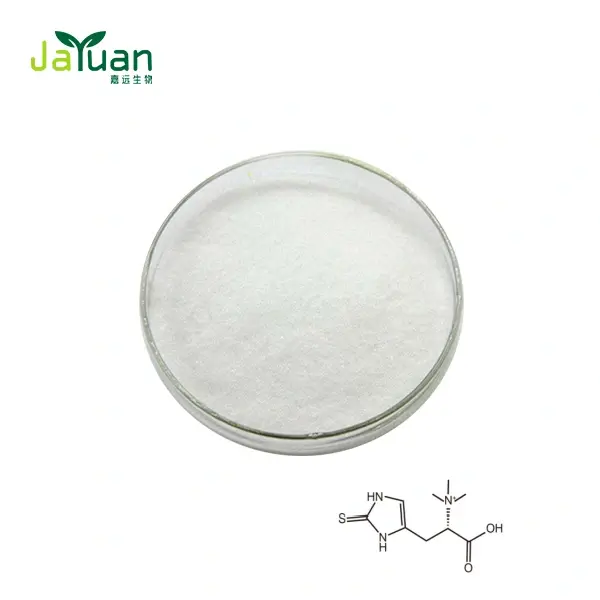
Ergothioneine powder is the crystalline form of L-Ergothioneine (EGT), an amino acid derivative containing sulphur with chemical formula C9H15N3O2S and CAS number 497-30-3. Previously it was found in mushrooms and certain microorganisms. Today, precise fermentation technology is employed most of the time to achieve purity levels above 98% required for medical application. This naturally occurring compound possesses a unique thiol-thione tautomerism that favours the thione form at physiological pH. This prevents the molecule from autoxidizing and renders it exceedingly stable throughout its storage and processing.
Glutathione while standard is a combination of three components; glutamic acid, cysteine and glycine. This antioxidant is a highly significant detoxifier and is naturally produced in human cells. Glutathione exists in two forms: GSH and GSSG. Most glutathione supplements include either reduced glutathione or a precursor called N-acetylcysteine, which helps the body produce its own. This chemical has a thiol group which makes it exceedingly reactive. This reactivity allows it to operate as an anti-oxidant, but may make it difficult to maintain stability in formulation settings.
Cellular Uptake Mechanisms
The most fundamental distinctions between these antioxidants are their varied methods of entering into cells. An exceptional membrane protein transporter, OCTN1, transports ergothioneine into cells, mitochondria and nuclei. This tailored delivery strategy allows for high bioavailability of the medicine and accumulation in tissues where antioxidant protection is needed. Glutathione is incredibly potent, but has a hard time getting via cellular barriers in its whole. It normally has to be broken down by enzymes and then put back together within cells to complete its job.
Comparing Antioxidant Properties and Health Benefits
Antioxidant Mechanisms and Stability
Understanding how these chemicals fight oxidative stress can help with the development of new products. Ergothioneine powder is very good at getting rid of hydroxyl radicals, hypochlorous acid, and peroxynitrite, which are all free radicals. You can use it in hot-process production because it stays stable at pH levels from 3.0 to 9.0 and can handle temperatures up to 120°C during processing. The product keeps its shape when exposed to UV light, which solves a major problem in makeup formulations where photostability is very important.
The major mechanism of action of glutathione is direct neutralization of reactive oxygen species. It helps glutathione peroxidase enzymes to work. Reduced glutathione is a highly effective agent in cells but is readily destroyed by heat, light and oxidative conditions. Such instability may complicate the process of development and the product may require specific storage settings or safe encapsulation technologies to be useful for as long as it lasts.
Application-Specific Benefits
When looking at the health and skin benefits, both compounds have useful qualities that help with different formulation goals:
Ergothioneine Applications: Ergothioneine is a strong ingredient that protects cells from damage caused by UV light, which makes it perfect for sun care and anti-aging skin care products. Because it can build up in skin tissue, it provides long-lasting defense. Studies show that ergothioneine's cytoprotective effects go beyond protecting cells from damage. They also help cells make energy and hide the effects of environmental stress. Because the substance is compatible with other antioxidants, they work together to make the mixture more effective.
Glutathione Applications: This three-peptide has become popular in skin-brightening products because it affects the processes that make melanin. Because it helps the body get rid of toxins, it is often found in health supplements that focus on liver function and metabolic health. Because it helps the immune system and protein production, glutathione is a good ingredient for a wide range of health supplements.
Safety and Tolerability Profiles
Both ingredients have great safety records in a wide range of situations. The GRAS (Generally Recognized as Safe) label means that ergothioneine powder is safe for use in food and drinks because it doesn't harm epidermal cells and doesn't irritate the skin. It doesn't combine with anything normally, so it doesn't contact much with other ingredients in the formulation.
Glutathione also has a good safety profile, but problems with how bioavailable it is when taken by mouth have led to the creation of other delivery methods, such as liposomal and sublingual formulations. In clinical studies at the suggested dosage levels, neither substance has shown any major side effects.
Practical Considerations for Procurement and Application
Quality Parameters and Certification Standards
When looking for these antioxidant ingredients, B2B procurement teams need to look at a number of important quality factors. Quality evaluation starts with purity standards. Pharmaceutical-grade ergothioneine powder is usually more than 99% pure, as shown by HPLC analysis. The exact optical rotation should be between +122° and +130°, which proves the right L-isomer chirality that is needed for biological action.
The factories that make these chemicals should keep their GMP certification and follow the ISO standards that apply to their target markets. Following the rules set by the European Pharmacopoeia (EP) and the United States Pharmacopoeia (USP) makes sure that materials meet high quality standards for medicinal uses. For cosmetics, getting COSMOS or Ecocert approval may give you more market benefits.
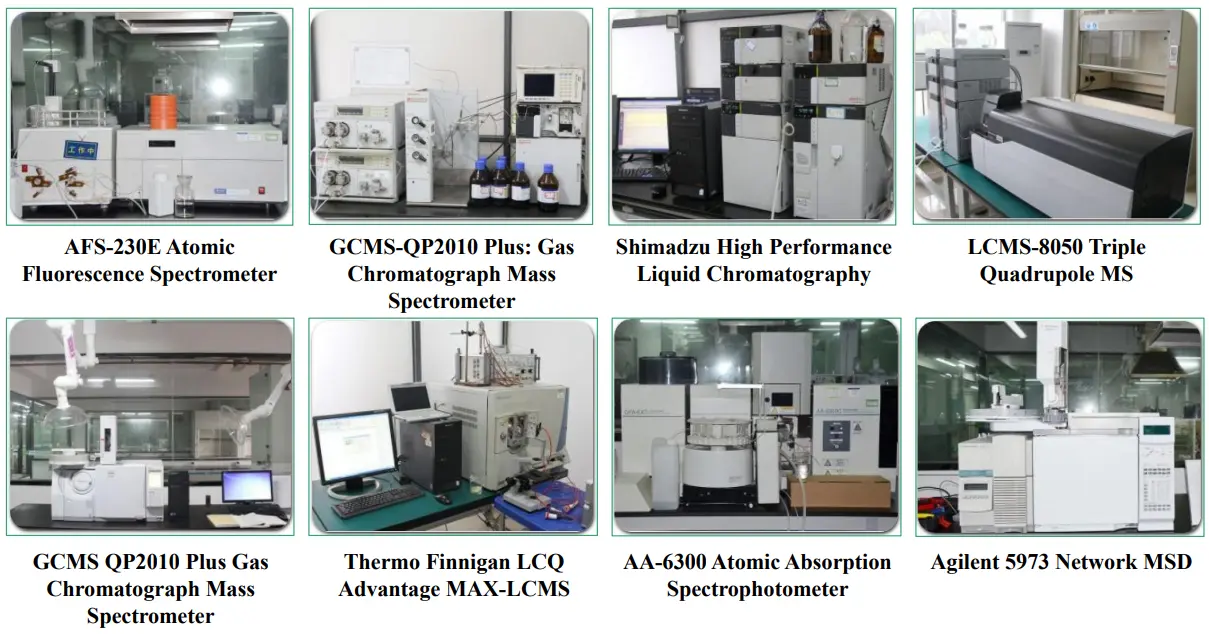
Modern factories use two types of quality control systems: one that checks the quality live with near-infrared spectroscopy and another that tests the quality offline with HPLC and GC-MS analysis. This method guarantees stability from batch to batch, which is important for keeping product performance high across production runs.
Formulation Compatibility
The physical features of ergothioneine powder facilitate its incorporation into a wide range of formulations. It is very soluble in water (above 100 mg/ml at 25°C) hence it may be utilized in water-based systems, hydrogels and beverages without fear of precipitation. In products that are pasteurized or otherwise heat-treated, the powder may be utilized since it does not alter when heated.
The reduced form of glutathione must be treated more carefully in formulation. It is rapidly destroyed by oxygen and when produced may need to be covered in nitrogen or combined with stabilizing chemicals. Encapsulation techniques may prevent glutathione degradation but make the manufacturing process more difficult and costly.
Sourcing Strategy Considerations
When evaluating a global provider, more than just price should be taken into account. The manufacturing capabilities of suppliers show if they can meet volume needs while keeping quality standards. Our plant is close to the Qinling Mountains, which gives us direct access to sources of raw materials. This makes our supply chain less vulnerable and helps us keep our prices reasonable.
Superior sellers are different from commodity suppliers in that they can provide technical help. Customized specs, like cosmetic-grade formulations with a purity level of 95% or pharmaceutical-grade products with a purity level of over 99%, can meet a wide range of application needs. With OEM and private label services, brands can make their own formulas without having to spend money on manufacturing equipment.
As businesses are put under more pressure to show they care about the environment, sustainability practices become more important in their purchasing decisions. Production methods that use liquid recovery systems with recovery rates of 90% or more have a much smaller effect on the environment and keep costs down. Composting plant trash and treating wastewater with zero liquid discharge (ZLD) show that a company is committed to green production principles.
Cost, Availability, and Market Analysis
Pricing Structures and Economic Considerations
The high prices of ergothioneine powder's raw materials are a reflection of the complex fermentation and filtration technologies that are needed to make it. Compared to mushroom extraction, modern biosynthesis methods have greatly lowered the cost of production. However, prices are still higher than some other antioxidants because of lower production volumes and unique manufacturing needs. People who buy a lot of things usually have access to tiered pricing structures that give them big discounts when they buy more.
The price of glutathione depends on how pure it is and how it is made. Due to better bioavailability profiles, fermentation-derived glutathione usually costs more than synthetic alternatives. The smallest amount that can be ordered is usually between 1 and 25 kilos, but this depends on the supplier's skills and where the market stands.
In addition to the price of raw materials, economic research should look at the total cost of ownership. Costs go up when you have to store ingredients in special ways, cover them with packing, or handle them in complicated ways. Because ergothioneine powder is so stable, it can last longer than three years if stored properly. This lowers the risk of running out of stock and the waste that comes from using old materials.
Supply Chain Dynamics
Reliable supply lines are necessary to keep up with production plans and keep promises to customers. Vertically integrated providers that offer controlled cultivation of raw materials lower their risk to changes in the market and make sure that the quality of their ingredients stays the same. Our relationships with farmers give us steady supplies and help local farming communities.
Logistics skills have a big effect on overall landed prices and the dependability of delivery. Flexible shipping choices are made possible by long-term partnerships with foreign carriers such as FedEx, DHL, and big ocean freight providers. Help with clearing customs is offered by some suppliers, which makes doing business across borders easier. This is especially helpful for people who have never imported anything before.
Market Trends and Demand Drivers
More and more businesses need ergothioneine and glutathione because of a number of trends that are coming together. The global nutritional market keeps growing as older people look for better ways to take care of their health. People who know about oxidative stress and how it affects cell aging are more likely to buy antioxidant supplements that have been proven to work by science.
The "clean beauty" movement in cosmetics promotes ingredients that come from nature and have good safety records. Ergothioneine fits well with this trend because it comes from fungi and has been in human food for a long time. The fact that the ingredient is used in high-end skin care products from well-known brands proves that it works and is popular in the market.
Long-term growth chances exist in pharmaceutical study that looks into how antioxidants help keep cells healthy. We are learning more about how oxidative stress works, which means that these compounds can be used for more than just supplements and beauty products.
Making the Right Choice for Your Business Needs
Aligning Ingredient Selection with Product Goals
Before choosing strategic ingredients, it's important to be clear on how the product fits into the market and what the target audience expects. The stability, cellular uptake rate, and photostability of ergothioneine powder help high-end anti-aging skin care lines make promises about long-lasting protection. Because it works well with other active ingredients, complex mixtures with many parts can be made without worrying about stability.
Glutathione may be a better fit for wellness products that focus on cleansing support based on what customers want and how the market is currently positioned. People who care about their health and want all-around support are interested in this chemical because of its known role in liver function and metabolic processes.
Ergothioneine powder is well suited for beverage applications that require heat processing during production. It doesn't break down when heated, so it stays effective throughout production and can be used in clean label formulas without the need for extra protection.
Regulatory Compliance Considerations
To get into international markets, you need to pay close attention to the rules that apply in each region. Both compounds are generally accepted by regulators, but the exact status of their approval depends on the jurisdiction and the type of use. In the US, ergothioneine powder is considered GRAS for use in food, and it is also on good lists in other big markets, such as the EU and China.
When it comes to pharmaceutical, cosmetic, and food applications, the documentation needs are very different. Formulators don't have to deal with as many regulations when suppliers provide full technical paperwork like certificates of analysis, stable studies, and safety data. Our quality systems make the paperwork that is needed to support regulatory entries in a number of different areas.
Long-Term Partnership Value
Successful business-to-business ties include more than just buying things. They also include working together on technology and growing together. When suppliers put money into research and development, they can help with product development by testing the stability of formulations and finding the best ways to make them work. Our patented cleaning methods are examples of how we're always coming up with new ideas to give our customers better products.
Businesses at different stages of growth can use flexible production methods that can handle both large-scale commercial orders and small batches of custom formulas. In competitive markets, being able to change specs for derivative growth helps products stand out.
Clear information about production capacity, wait times, and possible supply problems helps build trust, which is important for long-term planning. Our automated DCS control systems keep batch differences to a minimum and make sure that the quality of your products stays consistent, which is good for your brand's reputation.
Conclusion
However, ergothioneine powder and glutathione both play important roles as antioxidants, but they are used in different ways and for different reasons in the market. Ergothioneine powder is very stable, easily absorbed by cells through OCTN1 transporters, and doesn't react badly to heat or UV light. These qualities make it perfect for use in cosmetics, drinks, and other products that need to be made in tough circumstances. Glutathione is still useful even though it can be hard to make because it is known to help with cleansing and make skin brighter. When making a purchase decision, you should think about the total cost of ownership, the technical performance requirements, and the expectations of your target market. Your goods will do well on the market if you work with experienced suppliers who offer full technical support, open customization options, and reliable quality systems.
FAQ
1. How does bioavailability differ between ergothioneine and glutathione?
Ergothioneine powder is more bioavailable because it has a special transporter mechanism called OCTN1 that actively concentrates the molecule in cells and tissues. Glutathione taken by mouth is broken down in the digestive system, but new delivery methods like liposomal encapsulation make absorption rates better.
2. Can these ingredients be combined in a single formulation?
Both compounds can be mixed together and may work together to help the body in different ways by using different antioxidant systems. Stability tests should prove that the formulation matrices are compatible, but because ergothioneine is stable, these mixtures can usually work without any extra care.
3. What purity levels are appropriate for different applications?
For pharmaceutical uses, purity levels need to be higher than 99%, but 95% purity grades work well for makeup formulas. Our manufacturing skills cover this range, so we can match specifications to the needs of the application and the budget.
4. Are customized specifications and OEM services available?
We offer a lot of customization options, such as changing the purity levels, improving the particle size, and creating new derivatives. Our OEM services help private label brands that want their own formulas but don't want to spend a lot of money on production equipment.
Partner with Jiayuan Bio-Tech for Premium Antioxidant Ingredients
Choosing the right ergothioneine powder provider has a direct effect on the quality of your products, how efficiently you can make them, and how competitive you are in the market. Jiayuan Bio-Tech uses advanced fermentation technology and strict quality control systems to make ergothioneine powder that is more than 95% pure and is used in medicine and cosmetics. Our GMP-approved factory uses simulated moving bed chromatography to achieve stable purity levels above 98% and constant purification. Our liquid recovery systems, which reach 90% efficiency, keep costs down without lowering environmental standards.
Because we are strategically located near major sources of raw materials, we can offer competitive prices thanks to economies of scale and supply chains that are vertically integrated. To help you get your product to market faster, our expert team offers full formulation support, stable testing, and regulatory paperwork. Our production capacity is flexible enough to handle orders ranging from small study amounts to large commercial numbers. This is true whether you need big pharmaceutical-grade material for making supplements or custom cosmetic formulations.
Get in touch with our supply experts at sales@jayuanbio.com or sales1@jayuanbio.com to talk about your specific needs. Through established logistics relationships, we can send straight to your facility and help with customs clearance so that foreign purchasing goes smoothly. You can look at our full list of ingredients at jayuanbio.com and find out how our ergothioneine powder manufacturer services can improve your formulations.
References
1. Cheah, I.K. and Halliwell, B. (2012). Ergothioneine; antioxidant potential, physiological function and role in disease. Biochimica et Biophysica Acta - Molecular Basis of Disease, 1822(5), 784-793.
2. Kawano, H., Higuchi, M., and Takeda, K. (2015). Chemistry and biochemistry of ergothioneine: recent advances. Current Organic Chemistry, 19(9), 830-841.
3. Forman, H.J., Zhang, H., and Rinna, A. (2009). Glutathione: overview of its protective roles, measurement, and biosynthesis. Molecular Aspects of Medicine, 30(1-2), 1-12.
4. Paul, B.D. and Snyder, S.H. (2010). The unusual amino acid L-ergothioneine is a physiologic cytoprotectant. Cell Death & Differentiation, 17(7), 1134-1140.
5. Ey, J., Schömig, E., and Taubert, D. (2007). Dietary sources and antioxidant effects of ergothioneine. Journal of Agricultural and Food Chemistry, 55(16), 6466-6474.
6. Tepel, M. (2013). Ergothioneine: a multifunctional cytoprotectant and novel therapeutic target. Experimental and Clinical Endocrinology & Diabetes, 121(09), 537-542.