Diosgenin Powder in Research: Key Applications Explained
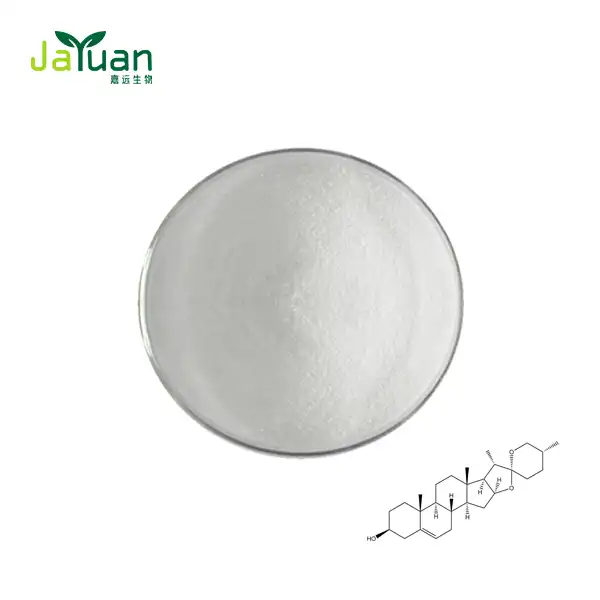
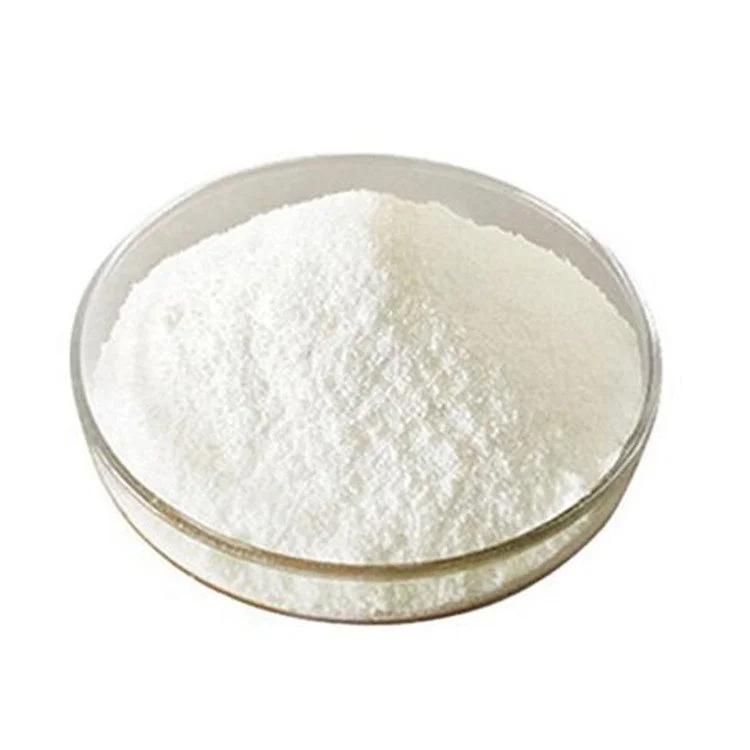
Diosgenin powder (CAS No. 512-04-9) is a steroidal sapogenin aglycone obtained from Dioscorea species (commonly known as wild yam) and fenugreek. Its chemical formula is C 27 H 42 O 3 and it melts at 205-208°C. It is a white crystalline compound and is one of the most researched phytosteroid precursors in contemporary day biochemistry. High purity diosgenin powder is used as a raw material for the production of steroid hormones and the preparation of functional supplements by pharmaceutical producers and nutritional brands. Any B2B buyer assessing this ingredient should be aware of its qualities, verified uses and procurement criteria.
Understanding Diosgenin Powder – Properties and Health Benefits
Chemical Identity and Physical Form
Diosgenin powder is a steroidal sapogenin of the spirostane type. Its HPLC test may reach as high as 98% for pharmaceutical grades and often as high as 95% for industrial grades. It is not readily soluble in water but will dissolve in chloroform, ethanol and hot petroleum ether. This solubility profile is a direct check of the product's compatibility with capsules, tablets and softgels. The crystal is highly pure with a melting point of 205°C to 208°C. The residual fluid must be within USP/EP criteria for regulated markets.
Biological Activity and Functional Benefits
Researchers have found that diosgenin interacts with estrogen receptor pathways. This means that it can be used in formulas that help women's hormones. Studies show that it may help change how lipids are used and keep inflammation in check at the cellular level. It is often used as a structural scaffold in semi-synthesis because its molecular structure is very similar to that of endogenous steroid hormones. Nutraceutical formulators can use this ingredient instead of manufactured hormone precursors because it comes from plants. This makes it appealing to brands that want to help with menopause symptoms and hormonal health in general.
Safety Profile and Dosage Considerations
When added in the right amounts, diosgenin powder has a long history of being safe in ingredient uses. Heavy metal levels should stay below 10 parts per million, and moisture levels should be kept to ≤0.5% to keep the material stable over time. When adding this ingredient to finished vitamins, manufacturers should make sure it stays stable in the conditions that it will be packed in. Top-tier suppliers always use nitrogen-filled, sealed packaging, which keeps the compound's potency throughout the product's lifecycle and extends its shelf life beyond three years.
Research-Backed Applications of Diosgenin Powder
Hormonal Health and Menopause Support
Diosgenin powder is an important part of the Marker Degradation process because it helps make progesterone, cortisone, and other important steroid hormones. It is used in about 60% of all steroid drugs made in the world. Besides pharmaceutical synthesis, functional food and supplement brands use studies that show diosgenin's phytoestrogenic properties to support their health messages for women going through menopause. For users of ingredients for business-to-business use, this dual market relevance—pharmaceutical intermediate and nutritional bioactive—opens up a lot of product application options.
Anti-Inflammatory and Cardiovascular Research
Research that has been published in reputable journals shows that diosgenin can change NF-κB-related inflammation pathways and help keep lipid levels healthy. Phytomedicine published a study in 2019 that found steroidal sapogenins from Dioscorea products were linked to lower levels of oxidative stress in models before they were used in humans. Based on these results, ingredients containing diosgenin could be used in products that promote heart health. In the U.S. market, where DSHEA rules apply, buyers of ingredients for heart-health supplements will find more and more scientific evidence to back up structure-function claims.
Sports Nutrition and Muscle Recovery
Several sports nutrition brands have added diosgenin-derived extracts after studying how it interacts with androgen-related metabolic pathways. It's not a hormone itself, but because it has a structure similar to anabolic precursors, formulators who are making goods for muscle recovery and efficiency are interested in it. Diosgenin powder with confirmed purity levels gives formulators a standard, consistent ingredient that supports repeatable batch quality. This is a must for brands making claims in the regulated sports nutrition space.
Comparative Insights: Choosing the Right Diosgenin Product
Diosgenin Powder vs. Wild Yam Extract
Most of the time, wild yam extract is standardized to a certain amount of total saponins, like 6% or 16%. The aglycone molecule is isolated in diosgenin powder, in comparison. The main difference is the concentration and purpose of use: wild yam extract is good for general health supplements, while high-purity diosgenin powder (at ≥95% or ≥98% purity) is best for pharmaceutical synthesis or high-potency functional applications where precise dosing and low impurities directly affect the yield further down the line. For API makers, the purity of the material is not a choice; it is a production variable that affects how well the crystallization goes.
Botanical Source and Extraction Method Matter
Turmeric Yam (Dioscorea zingiberensis) is better for industrial extraction because it has more native saponin, which lowers the cost of making the final diosgenin powder. Modern manufacturers use dynamic countercurrent extraction and ultrasonic-assisted extraction, which are 30–50% more effective than traditional immersion methods. Simulated moving bed chromatography (SMB) then keeps the purity above 98% during all production cycles. These process variables have a direct effect on consistency from lot to lot, which is the quality factor that procurement teams check the most carefully.
Formulation Format and Grade Selection
Before making a big order, buyers should look at these main grade and format choices:
- Pharmaceutical-grade diosgenin powder (≥99% HPLC): This is for API makers and steroid synthesis pathways; it needs full pharmacopeia paperwork, such as a COA, MSDS, and data on the residual solvent.
- Industrial/nutraceutical-grade (≥95% HPLC): Good for functional supplement mixes, items that help with menopause, and sports nutrition ingredients.
- Micronized particle options: Available for situations where better dispersion or bioavailability is important for the mixture.
By choosing the right grade up front, you can avoid costly rounds of reformulation and document resubmission. Before taking a sample, you should always ask for batch-specific HPLC data and make sure the seller is GMP certified.
Procuring High-Quality Diosgenin Powder: Best Practices for B2B Clients
Supplier Evaluation and Certification Standards
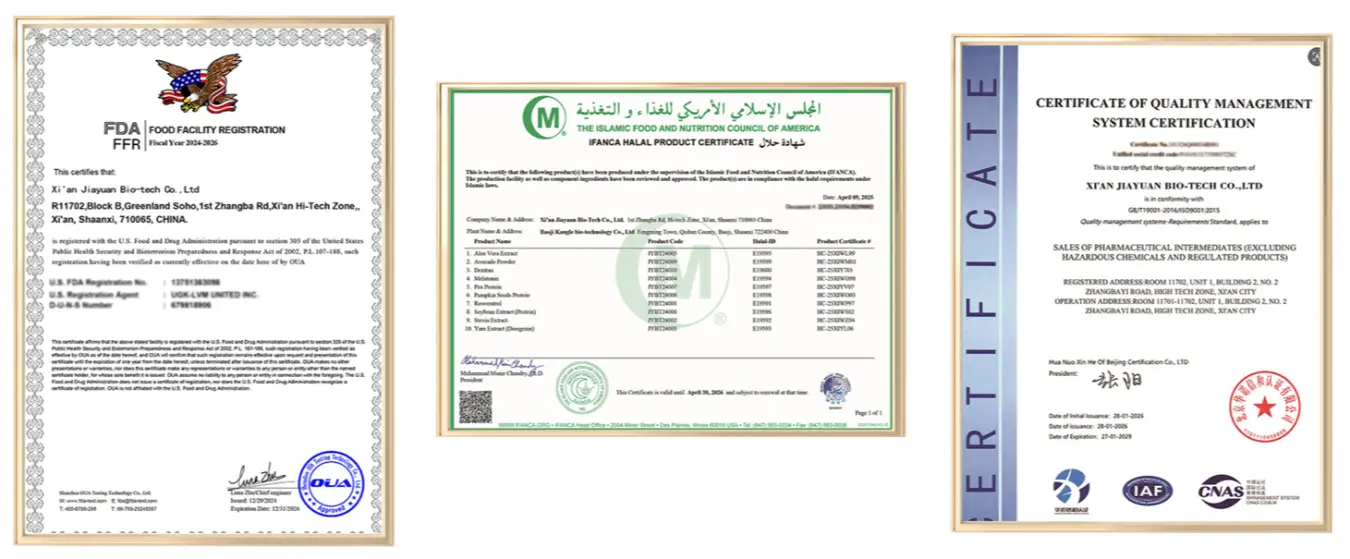
Before accepting a new raw material provider, pharmaceutical companies' procurement teams make sure that registration, quality, and purchasing all agree with the choice. This means that a company that sells diosgenin powder needs to have manufacturing records that are GMP-certified, ISO-certified, and in line with EP/USP standards. For serious buyers, the technical minimum they expect is two quality control systems: online near-infrared spectroscopy for real-time tracking and offline HPLC and GC-MS tests. Suppliers who don't have clear quality systems and batch records that can be checked rarely make it past the qualification round.
Pricing, Bulk Negotiation, and Supply Stability
The price of diosgenin powder's raw materials changes with the harvest cycles of Dioscorea rhizomes. When buyers sign long-term framework agreements with vertically integrated suppliers—those that grow their own crops—prices stay stable in a meaningful way. Unit costs are 40–60% lower for manufacturers with production lines that make 10 tons or more per year than for small-batch workshops. This is because of economies of scale and liquid recovery rates of 90% or more. When negotiating bulk contracts, make sure to ask for a monthly capacity statement. Reliable suppliers should be able to prove that they can consistently produce 150–200 metric tons per month for large-volume projects.
Sampling, Audit, and Long-Term Partnership
Before committing to a big buy order, you should ask for a sample that has been checked and comes with full COA paperwork. You should also have a third party do an independent analysis. Factory checks, whether done in person or from afar, should make sure that clean-room standards are being met, that waste management rules are being followed (zero liquid discharge technology is now a best practice standard), and that change-control processes are being followed. Suppliers who take part in trade shows like CPHI and China API usually have the export experience and paperwork systems to help international buyers with their regulatory submissions. Long-term, re-qualification costs go down when relationships are stable and open.
Future Trends and Opportunities in Diosgenin Powder Research and Market
Emerging Therapeutic Research Directions
Scientists are interested in diosgenin powder in ways other than the well-known ways that steroids are made. New studies are looking into its possible uses in metabolic health, such as improving insulin sensitivity and changing the process of adipogenesis. To fix the compound's low solubility in water and make finished dosage forms more bioavailable, new drug delivery methods are being looked into. These include nanoparticle coating and lipid-based carriers. Over the next five years, these directions show that there will be a greater need for specialized grades and particle size variations among ingredient suppliers and OEM formulators.
Market Growth and Regulatory Adaptation
As the need for birth control, corticosteroids, and hormone replacement products grows, so does the world market for steroid drugs, which are mostly made from diosgenin. At the same time, consumers in the U.S. nutritional market are becoming more interested in endocrine support ingredients that come from plants. In both the U.S. (FDA DSHEA) and EU, regulatory agencies are making it easier to understand claims about phytosteroid ingredients. This makes the product development process more predictable. Buyers who set up supply chains that are in line with the rules now will be ahead of rivals when new product categories come out.
Private Label and OEM Opportunities
OEM partners can help brands get diosgenin-based formulas if they want to get into the female health or sports nutrition market without building their own factories. When suppliers offer flexible production, like small-batch customization along with standard bulk runs, brand owners can test how they position themselves in the market before going big. Jiayuan Bio-Tech, for instance, offers specifications from cosmetic-grade (≥95%) to pharmaceutical-grade (≥99%), and their patented purification processes help with the development of derivatives. This makes it easier to get new products to market faster and with less risk to the company's cash.
Conclusion
Diosgenin powder is a key ingredient in both the pharmaceutical synthesis market and the functional ingredient market. It is well known that it is the main ingredient in making more than 60% of the world's steroid hormones, and more and more study is being done on how it can be used in nutrition. For business-to-business buyers, the most important factors are still purity, supply consistency, documentation quality, and supplier openness, whether they are looking for ingredients to make APIs or supplements. Product quality and supply chain continuity are protected when you choose a maker with certified GMP credentials, strong capacity, and a vertically integrated supply chain.
FAQ
1. What is the difference between wild yam extract and diosgenin powder?
The amount of total saponins in wild yam extract is fixed to a certain level, like 6% or 16%. Diosgenin powder is the pure aglycone that has been separated, with a purity of at least 95%. It is used to make medicines or for high-potency functional applications, not as a general supplement.
2. What conversion yield can I expect from diosgenin powder to 16-DPA?
Under ideal factory conditions, high-purity diosgenin powder can usually convert 45–50% of its weight to 16-Dehydropregnenolone Acetate (16-DPA), which is the main building block for making hormonal APIs.
3. Does the plant source affect powder quality?
Source changes the amount of extract that is made, but not the end shape of the molecules. Dioscorea zingiberensis is used in industry because it has a higher native saponin content, which lowers the cost of production.
Partner with Jiayuan Bio-Tech – Your Trusted Diosgenin Powder Supplier
Jiayuan Bio-Tech sells diosgenin powder that is suitable for pharmaceutical and commercial use. Their products are HPLC pure (≥95%–99%), they are certified by GMP and ISO, and they have full EP/USP paperwork. Our plant is close to the Qinling Mountains, so we can get raw materials directly, and our SMB cleaning technology makes sure that each batch is the same. We ship all over the world with FedEx, DHL, UPS, and EMS, and we handle clearing customs in the US and Europe. Get in touch with our team right away to get samples, prices, or audit paperwork.
📧 sales@jiayuanbio.com | sales1@jiayuanbio.com
References
1. Marker, R. E., & Wagner, R. B. (1947). Steroidal sapogenins. Journal of the American Chemical Society.
2. Raju, J., & Mehta, R. (2009). Cancer chemopreventive and therapeutic effects of diosgenin. Cancer Letters, 259(2), 95–105.
3. Moalic, S., Liagre, B., Corbière, C., & Beneytout, J. L. (2001). A plant steroid, diosgenin, induces apoptosis, cell cycle arrest and COX-2 expression in human osteosarcoma cells. FEBS Letters, 506(3), 225–230.
4. Yamada, T., Hoshino, M., Hayakawa, T., & Ohhara, H. (1997). Dietary diosgenin attenuates subacute intestinal inflammation associated with indomethacin in rats. American Journal of Physiology, 273(2), G355–G364.
5. Sautour, M., Mitaine-Offer, A. C., & Lacaille-Dubois, M. A. (2007). The Dioscorea genus: A review of bioactive steroid saponins. Journal of Natural Medicines, 61(2), 91–101.
6. Chinese Pharmacopoeia Commission. (2020). Pharmacopoeia of the People's Republic of China, Volume IV. China Medical Science and Technology Press.