
Diosgenin Powder: How to Use in Herbal Formulations
Diosgenin powder serves as a versatile steroid saponin derived primarily from wild yam and fenugreek, offering pharmaceutical companies, cosmetic manufacturers, and nutraceutical suppliers a potent bioactive compound for diverse herbal formulations. This natural phytochemical acts as a hormone precursor while delivering anti-inflammatory and antioxidant properties, making it an essential ingredient for therapeutic applications ranging from metabolic support to cardiovascular health enhancement.
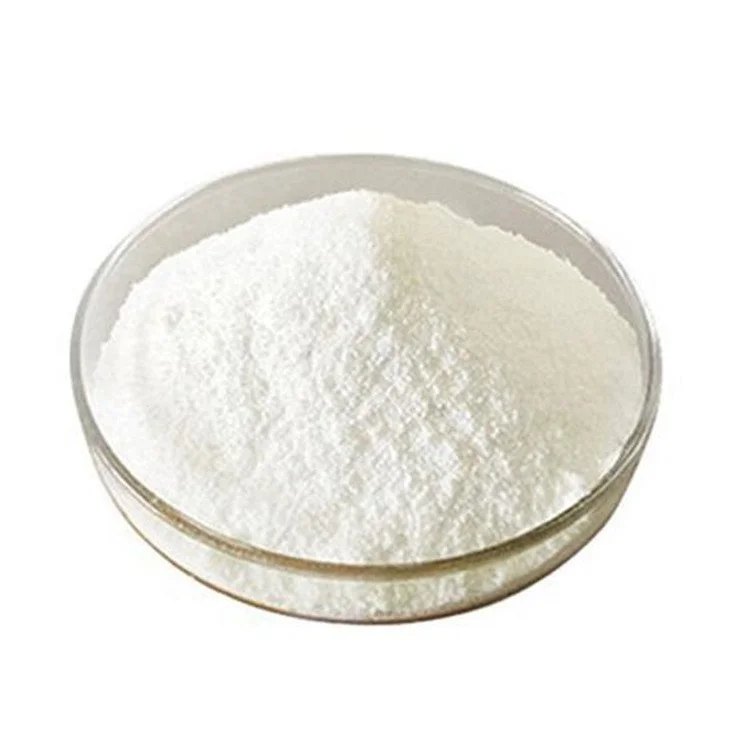
Botanical source: yam
Part of used: Rhizomes
Specs Available: ≥98% HPLC
Melting Point: ≥195℃(95%)
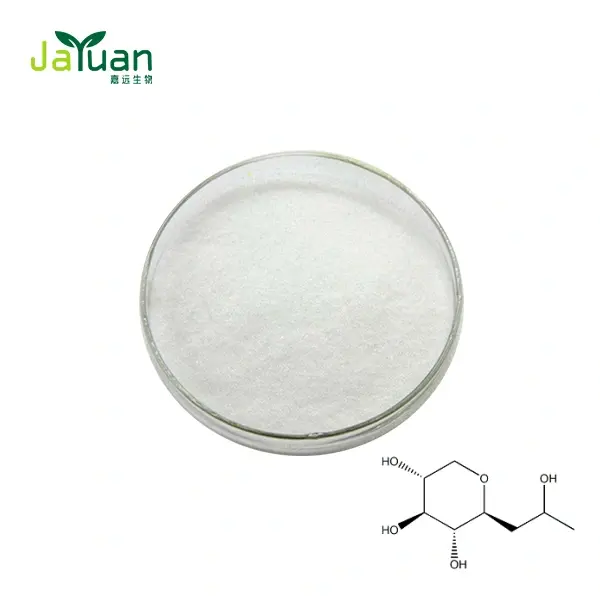
Appearance: White Powder
CAS NO.: 512-04-9
Molecular Weight: 414.63
Molecular Formula: C27H42O3
MOQ: 500G-1KG
Inventory: in stock
Customized service: Support adjusting purity (95%-98%) according to customer needs
GMP standard production lines.
Payment: 100% TT in advance
Certificaions: FSSC2000/ISO2000/HALAL/KOSHER/HACCP
Delivery terms: FedEx, DHL, EMS, UPS, TNT, all kinds of the airline, international shipping companies.
Free sample is available.
We do not sell retail quantities to individuals.
Understanding Diosgenin as a Pharmaceutical Ingredient
Diosgenin speaks to one of nature's most important steroidal saponins, transcendently extricated from Dioscorea species and fenugreek seeds. This bioactive compound has captured the consideration of pharmaceutical analysts due to its special atomic structure that closely takes after human steroid hormones. Not at all like engineered choices, this plant-based steroid offers prevalent biocompatibility while keeping up uncommon steadiness in different definition matrices.
The compound's atomic weight of 414.6 g/mol and its lipophilic nature make it especially appropriate for both topical and verbal arrangements. Inquire about tea around the world; it has recorded its momentous capacity to balance the cholesterol digestion system, back cardiovascular work, and display neuroprotective impacts. These properties position diosgenin as a foundational fix for companies creating next-generation helpful products.
Modern extraction methods have revolutionized diosgenin accessibility, empowering reliable immaculateness levels surpassing 98%. Progressed chromatographic decontamination forms guarantee pharmaceutical-grade quality that meets rigid EP/USP pharmacopoeia measures, pivotal for administrative compliance over worldwide markets.
Formulation Strategies for Pharmaceutical Applications
Pharmaceutical companies joining diosgenin into their item lines must consider a few basic detailing parameters. The compound's solvency profile requires cautious determination of excipients and conveyance frameworks to optimize bioavailability. Lipid-based details, including liposomes and strong lipid nanoparticles, have illustrated upgraded assimilation rates compared to conventional tablet formulations.
Stability testing uncovers that diosgenin keeps up its restorative power when the dampness substance remains underneath 0.5%. This characteristic makes it perfect for strong measurement shapes and counting capsules and tablets, where reliable medication discharge profiles are fundamental. Pharmaceutical formulators frequently combine diosgenin with cyclodextrins to improve water solvency while protecting the compound's natural activity.
Temperature-controlled preparing gets to be basic amid fabricating, as over-the-top warmth can corrupt the steroidal structure. Pharmaceutical-grade diosgenin powder requires capacity beneath a nitrogen environment to anticipate oxidation, guaranteeing rack life amplifies past three years. These contemplations straightforwardly affect fabricating conventions and quality control strategies for commercial production.
The compound's compatibility with common pharmaceutical excipients, including microcrystalline cellulose, lactose, and magnesium stearate, disentangles definition advancement. Be that as it may, formulators must dodge antacid conditions that might possibly hydrolyze the saponin structure, compromising helpful efficacy.
Applications in Cosmetic and Skincare Formulations
Cosmetic producers progressively recognize diosgenin's potential for anti-aging and skin restoration items. The compound's antioxidant properties offer assistance in neutralizing free radicals that contribute to untimely skin maturing, whereas its hormone-like structure may bolster normal collagen blends. These instruments make it especially important for premium skincare details to focus on developing skin concerns.
Incorporation into restorative items requires distinctive contemplations compared to pharmaceutical applications. The normal utilization concentration ranges from 0.1% to 1.0% in wrapped-up items, depending on the wanted restorative impact and item situation. Cosmetic-grade diosgenin, keeping up immaculateness levels over 95%, gives cost-effective arrangements for magnificence brands looking for common dynamic ingredients.
Emulsion soundness speaks to a basic figure when defining with diosgenin. The compound coordinates well into both oil-in-water and water-in-oil frameworks, in spite of the fact that legitimate emulsification procedures guarantee uniform dissemination all through the item lattice. Corrective chemists regularly utilize specialized solubilizers to accomplish straightforward definitions, which are especially critical for serum and substance products.
The ingredient's characteristic root adjusts superbly with current clean excellence patterns, permitting brands to advertise items with plant-derived actives. This situation appeals to ecologically cognizant shoppers, whereas the assembly requests scientifically backed normal ingredients.
Nutraceutical and Dietary Supplement Integration
Nutraceutical providers confront special challenges when joining diosgenin powder into dietary supplements. The compound's severe taste requires veiling methods or epitome innovations to guarantee shopper acknowledgment. Enteric coating frameworks ensure the dynamic fixing from stomach corrosion while guaranteeing discharge in the little digestive tract for ideal absorption.
Standardization gets to be significant for supplement producers looking for steady helpful impacts. Each bunch requires explanatory confirmation utilizing HPLC or GC-MS procedures to affirm diosgenin substance and immaculateness. This quality control approach guarantees items convey guaranteed well-being benefits while keeping up administrative compliance.
Combination definitions frequently upgrade diosgenin's restorative potential. Synergistic fixings like vitamin D3, magnesium, and other phytosterols make comprehensive equations tending to different wellbeing concerns at the same time. These multi-ingredient approaches appeal to shoppers looking for all-encompassing wellness solutions.
Capsule definitions stay the most prevalent conveyance strategy for diosgenin supplements. The compound's steadiness permits both prompt and sustained-release details, giving producers adaptability in item situating and dosing regimens.
Food and Beverage Manufacturing Considerations
Food manufacturers exploring diosgenin integration face distinct regulatory and formulation challenges. The compound's Generally Recognized as Safe (GRAS) status in many jurisdictions enables its use in functional foods and beverages, though specific regulations vary by region. Manufacturers must navigate these requirements while maintaining product safety and efficacy.
Thermal processing conditions significantly impact diosgenin retention in food products. The compound demonstrates good stability at pasteurization temperatures but may degrade during high-temperature sterilization processes. This limitation influences product development strategies and processing method selection.
Flavor masking becomes essential when incorporating diosgenin into beverages and food products. The compound's inherent bitterness requires careful formulation with natural flavors and sweeteners to achieve consumer acceptance. Microencapsulation technologies offer solutions for taste masking while protecting the active ingredient during processing and storage.
Functional beverage applications show particular promise, with diosgenin contributing to products targeting metabolic health and energy support. The compound's water solubility can be enhanced through complexation with natural solubilizers, enabling clear beverage formulations.
Quality Control and Analytical Testing Protocols
Research, education, and commercial research facilities require standardized testing conventions for diosgenin examination. High-Performance Liquid Chromatography (HPLC) remains the gold standard for immaculateness assurance, whereas Gas Chromatography-Mass Spectrometry (GC-MS) gives auxiliary affirmation. These expository strategies guarantee compliance with pharmaceutical and nourishment security standards.
Moisture substance investigation utilizing Karl Fischer titration approves capacity, solidness, and rack life expectations. The relationship between dampness levels and corruption rates specifically impacts bundling choice and capacity proposals. Items keeping up dampness underneath 0.5% illustrate predominant long-term stability.
Heavy metal testing conventions confirm crude fabric security, especially imperative given the agrarian beginning of diosgenin sources. Lead, cadmium, mercury, and arsenic levels must meet strict pharmaceutical and nourishment review determinations. Progressed testing gear empowers discovery at parts-per-billion levels, guaranteeing buyer safety.
Microbiological testing affirms item sterility and rack soundness. Add up to high-impact microbial numbers, yeast and mold counts, and pathogen screening to secure end-users, whereas assembly administrative prerequisites are over worldwide markets.
Manufacturing Excellence and Process Optimization
Advanced manufacturing processes significantly impact diosgenin powder quality and cost-effectiveness. Dynamic countercurrent extraction and ultrasonic-assisted techniques achieve 30-50% higher efficiency compared to traditional methods while reducing solvent consumption. These improvements translate directly into cost savings and environmental benefits.
Simulated moving bed chromatography (SMB) enables continuous purification processes, maintaining consistent purity levels above 98% while optimizing production throughput. This technology represents a significant advancement over batch processing methods, reducing manufacturing costs and improving product consistency.
Distributed Control Systems (DCS) provide precise regulation of critical process parameters including pH, temperature, and solvent ratios. Automated monitoring minimizes human error while ensuring exceptional batch-to-batch consistency. These systems prove essential for pharmaceutical manufacturing where quality standards demand zero tolerance for variation.
Solvent recovery systems incorporating multi-effect evaporation achieve ethanol and methanol recovery rates exceeding 90%. This capability dramatically reduces consumable costs while supporting environmental sustainability goals. The recovered solvents meet quality standards for reuse in subsequent extraction cycles.
Conclusion
Jiayuan Bio-Tech is your trusted partner for premium diosgenin powder, providing pharmaceutical-grade materials with purity levels exceeding 98%, surpassing industry standards. Our GMP-certified facility is equipped with state-of-the-art extraction technologies and strict quality control measures, ensuring the highest consistency and reliability in every batch. Whether you're developing herbal formulations or other nutraceutical products, our dedicated approach guarantees a steady and trustworthy supply, meeting all your specific needs with precision and excellence. Contact our expert team at sales@jayuanbio.com or sales1@jayuanbio.com to discuss your specific requirements and experience the Jiayuan Bio-Tech advantage in natural compound manufacturing.
References
1. Raju, Jagan, and Rao Mehta. "Cancer chemopreventive and therapeutic effects of diosgenin, a food saponin." Nutrition and Cancer 61.1 (2009): 27-35.
2. Liagre, Bertrand, et al. "Diosgenin, a plant steroid, induces apoptosis, cell cycle arrest and COX activity in osteosarcoma cells." FEBS letters 506.3 (2001): 225-230.
3. Tada, Yasuhiro, et al. "Diosgenin and other steroidal saponins of Dioscorea tokoro." Chemical and Pharmaceutical Bulletin 57.10 (2009): 1167-1170.
4. Higdon, Jane V., et al. "Cruciferous vegetables and human cancer risk: epidemiologic evidence and mechanistic basis." Pharmacological Research 55.3 (2007): 224-236.
5. Araghiniknam, Mansour, et al. "Antioxidant activity of dioscorea and dehydroepiandrosterone (DHEA) in older humans." Life Sciences 59.11 (1996): 147-157.
6. Ghosh, Somnath, et al. "Diosgenin from Dioscorea bulbifera: novel hit for treatment of type II diabetes mellitus with inhibitory activity against α-amylase and α-glucosidase." PLoS One 9.9 (2014): e106039.