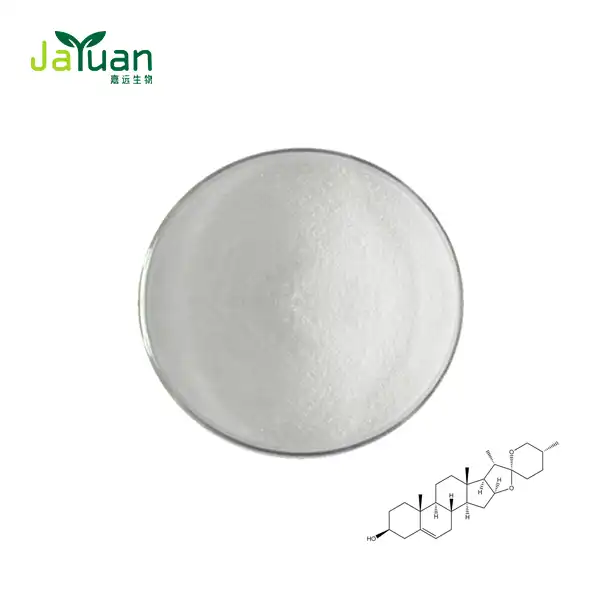

Diosgenin Powder Applications in Nutraceutical Industry
Bioactive compounds from plants are becoming increasingly useful in the nutraceutical industry, and Diosgenin Powder is leading the way. Most wild yam (Dioscorea species) and fenugreek contain sapogenin, a solid phytosteroid. Many health products, functional meals, and dietary supplements include it. Companies utilise this chemical to regulate hormones, maintain muscles, and boost the immune system since its molecular structure (C27H42O3) has natural steroidal characteristics. As the demand for clean-label, plant-based nutraceuticals develops worldwide, product, supplement, and research institutions must know how to access this bioactive molecule and its applications to remain ahead of the competition.
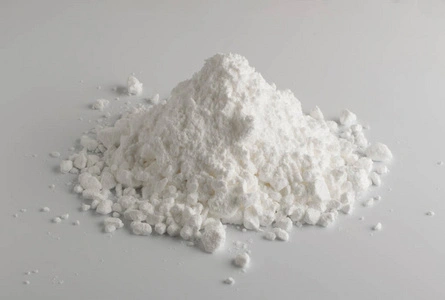
Understanding Diosgenin Powder and Its Nutraceutical Benefits
Understanding the chemical make-up and biological potential of core ingredients is the first step in making effective nutraceutical formulations. This botanical substance has specific functional qualities that meet modern health concerns. It is made through controlled extraction and purification processes.
Chemical Characteristics and Extraction Process
Dynamic countercurrent extraction and ultrasonic-assisted techniques are used in our production method, which is 30% to 50% more efficient than traditional immersion methods. This method cuts down on the use of solvents while getting the most out of the source materials. The substance that has been cleaned up looks like a white to off-white crystalline powder and has a melting point between 204°C and 208°C, which means it is pure enough for medicinal use. The molecular weight of 414.62 g/mol and the fact that [α]D25 can rotate between -129° and -135° show that the chemical structure is correct, which is necessary for cellular action. Using simulated moving bed chromatography (SMB) for chromatographic processing keeps purity levels above 98%, which meets EP/USP pharmacopoeia requirements.
There's more to Diosgenin Powder quality than pureness. Maintaining a moisture content of ≤0.5% prevents spoilage and extends shelf life to almost three years when kept under nitrogen. It dissolves effectively in organic solvents like ethanol and chloroform but not water. This characteristic helps scientists develop innovative drug delivery methods.
Health Benefits Driving Market Demand
The scientific literature supports a number of wellness applications that are relevant to today's consumers. According to research, the compound may help with menopause comfort because its structure is similar to that of some hormones and may help keep hormones in balance during hormonal changes. Athletic nutritionists use this ingredient to help muscles recover and improve performance, taking advantage of its popularity in the bodybuilding community. Supporting the immune system is another area where it could be used. Studies have shown that it can change the way cells defend themselves.
Multiple clinical studies that looked at safety profiles show that tolerance is good when used within suggested limits. Dietary supplements usually come in doses between 50 mg and 400 mg per serving, but this can change depending on the product's intended use and how it was made. Because of this long history of safety, manufacturers can safely make goods for a wide range of customers.
Standardization for Manufacturing Consistency
Supplement makers who follow GMP guidelines have to worry a lot about batch-to-batch uniformity. Our automated DCS (Distributed Control System) precisely controls extraction parameters such as pH levels, temperature curves, and solvent ratios. This keeps human error to a minimum and ensures quality that can be repeated. Near-infrared spectroscopy testing done online allows for real-time tracking during production, and offline HPLC and GC-MS testing adds to the picture. This two-step quality control process makes sure that every shipment meets the stated requirements. This lowers the variation in formulations and helps international markets follow the rules.
Comparing Diosgenin Powder with Related Ingredients for Optimal Procurement
To make good purchasing choices, you need to know a lot about the different kinds of ingredients and how they affect the performance of the end product. The standard levels of different processing methods and source materials are different, which affects the ability to make things in different ways and where they are placed in the market.
Powder Versus Extract Forms
The words "powder" and "extract" can be hard to understand when talking about procurement. Both types are made from plants, but the levels of processing and concentration are different. Standard extracts may have different amounts of active compounds mixed in with the plant material. High-purity crystalline powder goes through extra steps of purification to separate the target molecule. This difference affects the formulas for formulations; pure powder forms offer consistent strength, which makes standardising dosages easier. Pharmaceutical-grade Diosgenin Powder (≥98% purity) is usually what companies that make clinical-strength supplements choose so that the active ingredients get to the right places.
Relationship with Saponins and Other Phytochemicals
Wild yam and fenugreek naturally have a lot of different phytochemicals in them, such as saponins. In nature, the chemical of interest is found in these saponin structures as a glycoside, which means it is linked to sugar molecules. During extraction, acid breakdown breaks these sugar links, letting the free sapogenin escape. Some companies sell whole plant products that focus on the total amount of saponin they contain. However, isolated chemicals with standardised activity are better for specific uses. This specificity is especially helpful for nutraceutical brands that want to make sure their products always work the way they say they do on the label.
Organic and Purity Considerations
Source materials' organic approval status affects how a product is positioned, especially for brands that want to appeal to people who care about their health. Our supply chain is fully linked, and it includes leased cultivation bases near the Qinling Mountains. These bases use controlled farming methods to keep pesticide exposure to a minimum. Because of its location, this area has easy access to high-quality raw materials and encourages environmentally friendly harvesting methods. There are different purity grades, such as pharmaceutical-grade (≥99%), nutraceutical-grade (≥98%), and cosmetic-grade (≥95%). Each one meets different legal needs and application needs.
When procurement teams understand the link between price and quality, they can make the most of their funds without lowering standards. Even though higher purity grades cost more, they have benefits like lower minimum effective amounts, clearer label statements, and easier regulatory entries. Our 10-ton annual production capacity lets us lower unit costs by 40% to 60% compared to small-batch producers. This lets us offer competitive prices even for pharmaceutical-grade requirements.
Certification Factors Influencing Selection
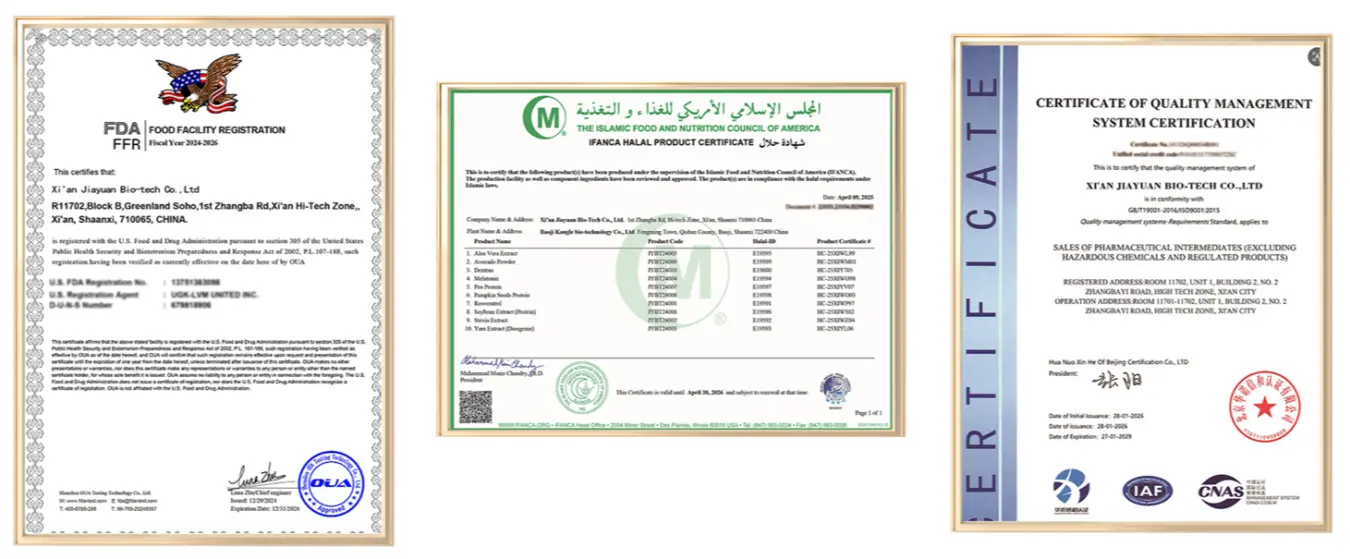
Getting into global markets depends on having the right quality certifications. Our ISO, GMP, and HALAL certifications make it easier for us to sell our products in markets in the Middle East, Europe, and the United States. Packs of paperwork that include Certificates of Analysis, allergen statements, and heavy metal testing reports help customers do their research and meet regulatory filing requirements. This complete compliance framework lowers the risk of procurement and speeds up the time it takes for finished goods to reach the market.
Procurement Strategies for Diosgenin Powder in the Nutraceutical Industry
Finding the right ingredients requires more than just negotiating prices. It also involves making sure the supply chain is reliable, checking the quality of the ingredients, and coordinating transportation. Strategic purchasing practices keep manufacturing schedules safe and make sure that the quality of the product stays the same all the way through the distribution chain.
Evaluating Supplier Capabilities
The factors used to choose a supplier should take into account a number of practical aspects. Verifying the manufacturer's production capacity makes sure that they can keep up with rising demand without lowering the quality of their products. Our two GMP production lines give us the freedom to handle both big orders and specific small-batch needs. Technical skills, such as advanced extraction equipment and in-house labs for analysis, show a dedication to quality control. Ask for proof of process validations, stability studies, and batch records that show consistent performance over time.
The site of the factory affects how well the supply chain works. Being close to sources of raw materials lowers the cost of buying them and the damage they do to the earth. Because our factory is close to major botanical growing regions, we have easy access to high-quality raw materials. Also, our solvent recovery systems (which recover >90% of the ethanol and methanol) help the environment and save money.
Minimum Order Quantities and Packaging Standards
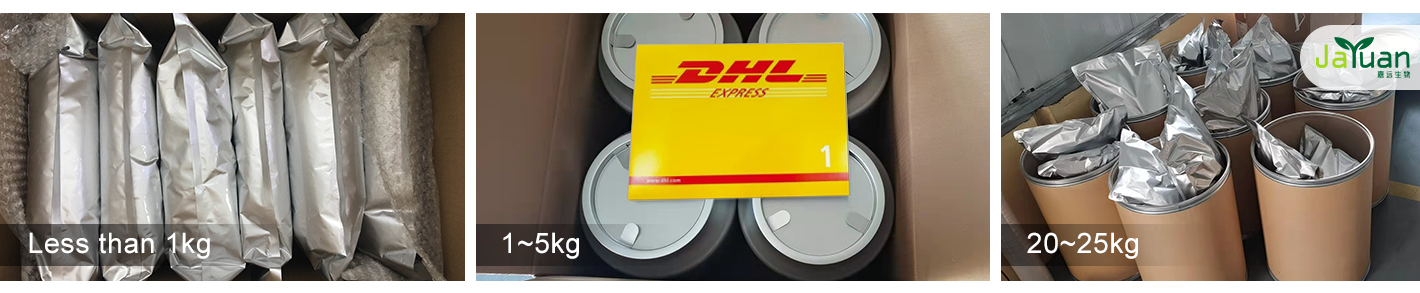
Knowing the MOQ requirements helps make sure that purchasing and inventory control methods work together. Large manufacturers may order metric tonnes per shipment, but providers that let smaller names and research institutions choose their own order amounts are better for them. We can handle both types of shipments: large amounts for high-volume production and smaller amounts for the development stages of a product. Fibre bins with polyethylene liners, aluminium foil bags flushed with nitrogen, and containers chosen by the user that meet specific handling needs are all choices for packaging.
The stability of Diosgenin Powder during foreign shipping is maintained by proper packing. When sealed and packed with nitrogen, packing keeps out moisture and oxidative degradation, so the product stays pure even after long shipping times. Labels that are easy to read and include batch numbers, production dates, and retest dates help with inventory rotation and meeting the standards for tracking in quality management systems.
International Logistics and Payment Terms
Coordinating goods delivery, customs paperwork, and payment plans is part of cross-border buying. We keep working with FedEx, DHL, EMS, UPS, TNT, and other big shipping companies to give you a range of delivery choices. Our knowledge of how to clear customs in both Europe and the US makes the import process easier for clients who don't know much about foreign trade. Full support for paperwork, like business invoices, packing lists, certificates of origin, and phytosanitary certificates, makes customs processes go more smoothly.
Payment terms usually include a range of options, from upfront payments for new partnerships to letter of credit agreements for long-term ones. Customers can better plan their production schedules when they know exactly how long lead times are (usually two to three weeks for normal specs). Samples make it possible to test formulations before making full-scale purchases, which lowers technical risk.

Practical Applications and Formulation Insights for Market-Ready Products
Translating ingredient lists into successful commercial goods, you need to know how to formulate, what consumers want, and how to place your products in the market. Knowing how to use something in real life helps connect the decisions made about buying with how well the market performs.
Capsule and Tablet Formulations
Standardised supplementation is most often given in the form of encapsulated delivery systems. The Diosgenin Powder's good flow properties and chemical stability make it easier to press directly into tablets or fill vegetarian or gelatin capsules. In most cases, the active ingredient is mixed with fillers like microcrystalline cellulose, magnesium stearate, and silicon dioxide to make the manufacturing process as efficient as possible. Enteric coating technologies keep the compound from breaking down too quickly in stomachs that are acidic, which increases bioavailability.
The choice of dosage type affects how the customer feels and how convenient it is for them. People who want focused supplements like capsules with only one ingredient, while people with bigger health goals can use formulas with many plant extracts. When making specifications, product developers take into account how much the ingredients cost, the size limits of the capsules, and the recommended daily serving sizes.
Functional Food and Beverage Integration
In addition to traditional supplements, smart companies are adding bioactives that come from plants to functional foods and drinks. For this use, there are special manufacturing problems with solubility, taste, and stability during processing. Because the compound doesn't dissolve in water, it needs to be solubilised using cyclodextrin complexation, liposomal encapsulation, or emulsification methods for good beverage uses. These technologies make it easier for products to spread out while hiding any flavours that might make them taste bad.
Fortified drinks, protein powders, and nutrition bars are all growth areas where plant ingredients can add useful difference. Market research shows that people are very interested in plant-based wellness solutions. This means that there are possibilities for goods that claim to support muscles and have clean ingredient profiles. Testing a product's stability at different temperatures and levels of humidity makes sure that it stays intact for as long as it's supposed to.
Powder Blends for Direct Consumption
Powders that are mixed with water or drinks are popular in the sports nutrition and health markets. It's important to make sure that the ingredients in these uses don't react badly with each other so that they don't clump or separate during storage. Co-processing with ingredients that work well together, like protein sources, fibre, and other botanical extracts, makes formulations that work better together and help with a wider range of health goals. Flavouring systems and sugar balance how good something tastes with how clean the label wants it to be, and testing proves how it dissolves and how it feels in the mouth.
Being able to offer unique formulas gives you an edge over your competitors. Some clients need certain amounts of potency, certain grade requirements, or certain mixtures of ingredients. Our production infrastructure allows small-batch customisation, which lets brands come up with their own formulas that set them apart in the market.
Market Trends Shaping Future Applications
Consumer tastes are always changing because of new research, changes in the population, and changes in how people live their lives. Trends right now favour openness about where products come from, environmentally friendly production, and scientific proof for health claims. Products that say they come from plants, have standardised potency, and have been tested by a third party are liked by educated customers who want to be sure of the quality.
People are buying more goods that help keep hormones balanced and boost energy because the population is getting older. People who are athletes are looking for natural alternatives to synthetic performance enhancers. These changes in population mean that there are more chances for products that target different stages of life and health goals. Keeping up with changes in regulations makes sure that product claims stay legal and that benefits are communicated clearly to the right people.
Conclusion
Plant-based bioactives are becoming more well known, which makes high-quality Diosgenin Powder an important ingredient for nutrition companies that want to make health products with a wide range of uses. This compound can be used in a lot of different ways, from helping with hormonal balance to improving physical performance. It has normal functions and is safe to use. To do a good job of procuring things, you need to look at more than just prices when comparing suppliers' technical skills, quality certifications, and the stability of their supply chains. Pharmaceutical businesses, supplement brands, and research institutions looking for reliable ingredient partners can find what they need in our advanced extraction technologies, thorough quality systems, and flexible production capacity. As the market for botanical solutions based on evidence grows, smart choices made today about strategic sources give tomorrow's new products a competitive edge.
FAQ
1. Is Diosgenin Powder Safe for Long-Term Supplementation?
When taken in the suggested dose ranges (usually 50–400 mg per day), clinical studies show positive safety ratings for Diosgenin Powder. The chemical has been used in dietary supplements for many years with almost no reports of harm. Manufacturers of any bioactive ingredient should tell customers to talk to their doctors before starting a supplement, especially if they are pregnant or nursing.
2. How Does Purity Level Affect Product Performance?
Higher purity grades (≥98%) make it easier to follow regulations and do calculations for formulations because they make the labels cleaner and the potency more predictable. Pharmaceutical-grade standards try to keep impurities to a minimum so they don't affect storage or absorption. Lower-quality materials might be cheaper, but premium purity gives you consistency that's useful for clinical-strength formulas and brands that put a lot of emphasis on quality.
3. What Are Typical Minimum Order Quantities for Bulk Purchases?
The MOQ varies by source and standard. We can handle orders of all sizes, from 1 kg samples for study to shipments of several tonnes for mass production. Flexible ordering works for both the development stages of a product and set production schedules. This makes it easier for new brands to get started and more efficiently serves large clients.
Partner with a Trusted Diosgenin Powder Manufacturer
Xi'an Jiayuan Bio-Tech uses cutting edge extraction technology and strict quality control to provide pharmaceutical-grade Diosgenin Powder meeting international standards. Our fully connected supply chain, which includes outsourced growing areas near top growing areas and GMP-certified production sites, makes sure that the quality is always the same and the prices are fair. Whether you're making a new line of supplements, increasing the quantity of current goods, or using them in research, our expert team can help you with everything. They can give you formulation advice, regulatory paperwork, and custom specs.
We know how hard it can be to get ingredients from other countries. Our relationships with major carriers and knowledge of how to clear customs make cross-border transactions easier, and we can send goods straight to your site. Full certification packages with ISO, GMP, and Halal marks help meet market entry needs in Europe, North America, and other places. Strict testing protocols that use HPLC and GC-MS verification make sure that every batch meets the stated specifications. This protects the reputation of your brand and ensures that production is consistent.
Check out how our solutions can help your business. You can email our procurement specialists at sales@jayuanbio.com or sales1@jayuanbio.com to get samples, technical data sheets, and price quotes that are tailored to your needs. We are a dependable provider dedicated to quality excellence and customer success. We can help you reach your goals for nutritional innovation with quick service and steady supply.
References
1. Raghavan S, et al. "Phytosteroid Sapogenins in Functional Foods: Extraction Technologies and Biological Activities." Journal of Functional Foods, 2021, 78: 104365.
2. Martinez-Gonzalez AI, Díaz-Sánchez AG. "Plant-Derived Steroidal Compounds in Nutraceutical Applications: A Comprehensive Review." Critical Reviews in Food Science and Nutrition, 2020, 60(15): 2556-2575.
3. Chen Y, Tang YM, Yu SL. "Advanced Extraction and Purification Methods for Botanical Sapogenins." Industrial Crops and Products, 2022, 176: 114384.
4. Thompson LU, Ward WE. "Botanical Bioactives in Women's Health: Clinical Evidence and Formulation Strategies." Nutrition Research Reviews, 2019, 32(2): 194-210.
5. Patel S, Sharma V, Chauhan NS. "Dioscorea Species: Phytochemistry, Pharmacology and Quality Standardization." Journal of Ethnopharmacology, 2020, 251: 112544.
6. Kumar A, Singh R. "Sustainable Supply Chain Management in Botanical Extraction Industries." Journal of Cleaner Production, 2021, 298: 126755.