Cytisine to Quit Smoking: Does This Plant Power Work?
If you've been researching smoking cessation ingredients for pharmaceutical formulation or neurological research, cytisine powder has almost certainly appeared on your radar. Derived from the seeds of Sophora alopecuroides and Laburnum anagyroides, this naturally occurring quinolizidine alkaloid (CAS No. 485-35-8) has been used across Eastern Europe for decades as a smoking cessation aid. With purity grades now reaching ≥99% and pharmacopoeia-compliant documentation available from qualified manufacturers, cytisine powder is increasingly attracting serious procurement attention from drug developers, API traders, and neuroscience research teams worldwide.
Understanding Cytisine Powder and Its Role in Smoking Cessation
Botanical Origin and Chemical Identity
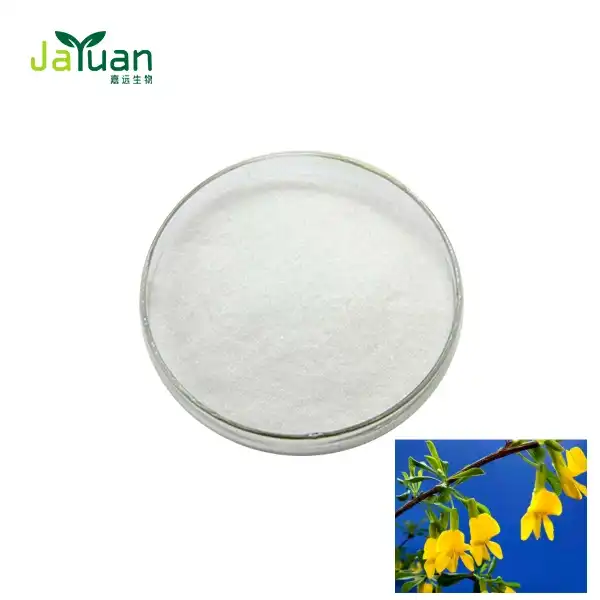
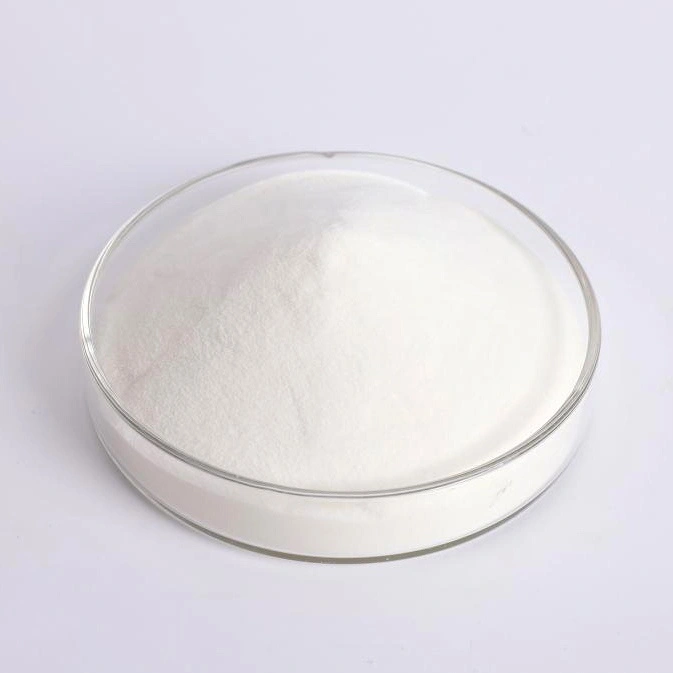
There are 190.24 g/mol of cytosine in a powder form, and its freezing point is between 152°C and 156°C. It is a white to slightly brownish crystalline alkaloid. It is mostly taken from Sophora alopecuroides and Laburnum anagyroides, two plants that grow well in China's Qinling Mountain region. Its chemical formula is C₁₁H₁₄N₂O, and it dissolves easily in water, ethanol, and chloroform. These qualities make it useful for many ways of making medicines, such as tablets, capsules, and transdermal delivery systems.
Mechanism of Action on Nicotine Receptors
Cytisine powder functions as a high-affinity partial agonist at alpha-4-beta-2 nicotinic acetylcholine receptors because it has a structure that is similar to nicotine. It binds to these receptors and causes mild dopaminergic stimulation while also decreasing nicotine's pleasurable benefits. This does two things: it eases withdrawal effects and makes you less likely to want to smoke. Researchers who are interested in nicotinic receptor pharmacology can use cytisine powder as a useful reference chemical for mapping receptors in brain models.
Clinical Efficacy and Safety Profile
A major randomized controlled trial published in The New England Journal of Medicine (Walker et al., 2014) confirmed that cytisine worked, showing that it was much more effective than nicotine replacement therapy over a period of 25 weeks. Side effects reported are usually mild, and include feeling sick and having trouble sleeping. This good description helps API writers submit to regulatory bodies in European and North American markets, where cytisine powder is becoming more popular as a nicotinic receptor modulator ingredient based on science.
Comparative Analysis: Cytisine Powder vs. Other Smoking Cessation Solutions
Cytisine Powder vs. Varenicline and Bupropion
Varenicline (Chantix) works on the same type of receptors as cytisine powder, but the FDA has issued a black-box warning about its possible neurological effects. For bupropion, you need a prescription and a more complicated safety monitoring plan. Cytisine powder, on the other hand, has a naturally occurring profile and has decades of data from Eastern European markets after the fact. For drug companies making cessation products for price-conscious customers, cytisine powder offers a great science-to-cost ratio without the liability that comes with fully synthetic agonists.
Cytisine Powder vs. Nicotine Replacement Therapies
Nicotine replacement therapies (NRTs) like gum, patches, and lozenges replace nicotine with nicotine. This stops dependence without breaking the receptor cycle. As a partial agonist, cytisine powder works in a different way. It binds to the receptor and gives less activation, making a physiological route that leads to stopping rather than switching. In a study published in the New England Journal of Medicine in 2011, West et al. found that cytisine was more effective than NRT at keeping people from smoking after 12 months. This made it a good alternative API for projects that want to make products to help people quit.
Cost-Efficiency for Procurement Teams
From a purchasing point of view, the price of cytisine powder is always less than the price of varenicline API per kilogram. Its natural plant origin supports a better regulatory story in markets that focus on health. Traders looking for ingredients to send to Southeast Asia, Latin America, or Eastern Europe should look at cytisine powder as a high-margin, scientifically proven ingredient that has a track record. Small batches (from 500g to 1 kg) are available, which makes initial qualification orders for new buying agreements low-risk.
Procurement Insights: How to Source Quality Cytisine Powder for Your Business
Supplier Qualification Criteria
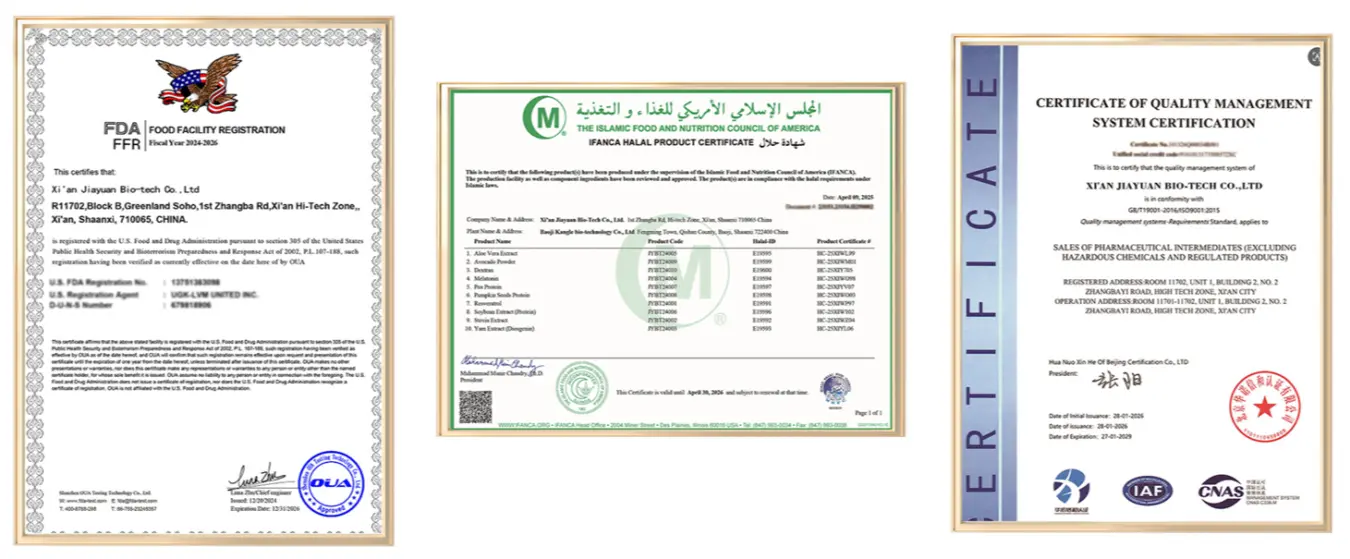
Some companies that sell cytisine powder don't have the right paperwork that pharmacy buying teams need. Look for production lines that are GMP-certified, ISO-certified, and a Certificate of Analysis (COA) that lists EP/USP pharmacopeia methods when evaluating a supplier. Purity checks with HPLC of at least 98%, testing for residual solvents according to ICH Q3C, and heavy metal screening with ICP-MS for lead, cadmium, mercury, and arsenic should all be standard. It is just as important for API-grade material to do impurity analysis, especially for related alkaloids like caulophylline.
Logistics, Packaging, and Cold Chain Requirements
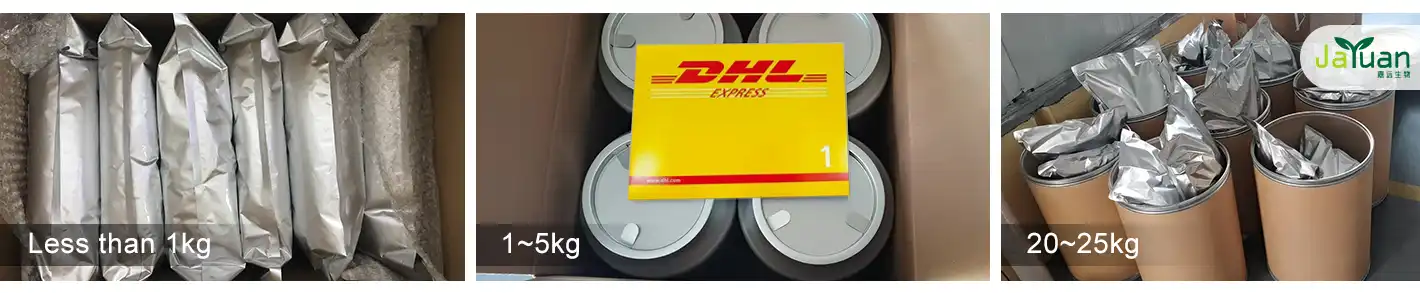
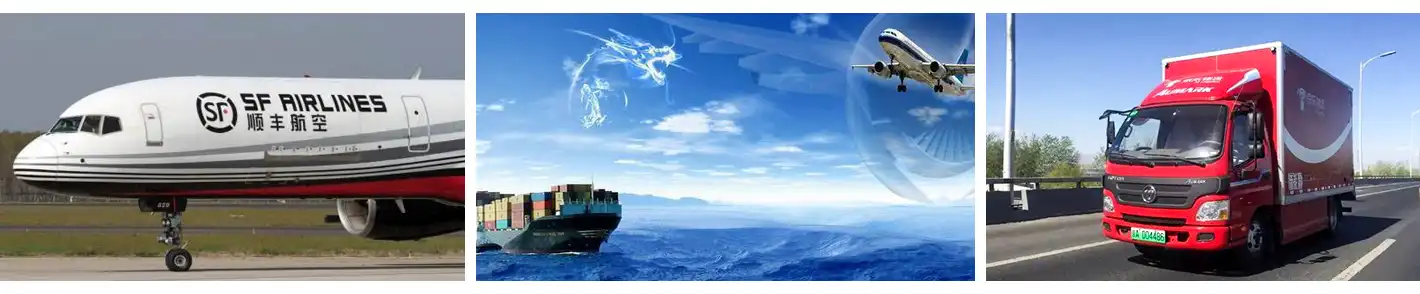
To keep cytosine powder from breaking down, it should be kept below 25°C in containers that don't let air in. Qualified providers offer sealed nitrogen-filled containers with moisture levels kept below 0.5%, which extends the shelf life past 36 months. For foreign packages, tracking is made possible by working with courier networks like FedEx, DHL, UPS, and EMS. When buying from China, buyers should make sure that the seller can handle customs clearance directly. This service cuts down on delays and paperwork mistakes, especially when it comes to pharmaceutical ingredients that are controlled.
Order Flexibility and Lead Times
Researchers and small drug companies usually start their buying processes at 500g to 1kg. Genuine GMP capability is shown by a provider who can handle these trial amounts with the same quality paperwork as large orders. Make sure the manufacturer offers a range of batch sizes, consistent turnaround times, and stable prices that are tied to sourcing raw materials in a way that is controlled from the top down, rather than fluctuations in the spot market.
Making Informed Decisions: Choosing the Best Cytisine Powder Brand
Manufacturing Credentials and Certifications
When choosing a company to make cytisine powder, GMP certification and ISO 13485 compliance are basic needs for getting into the pharmaceutical markets in China, the US, and Europe. Suppliers who have rights on their own purification processes, like high-yield crystallization methods, add an extra layer of quality guarantee that regular workshop makers can't match. Online near-infrared spectroscopy and offline HPLC and GC-MS analysis are both used in dual quality control systems to make sure that batch-to-batch uniformity is maintained, which is important in API production.
OEM Capability and Specification Flexibility
Suppliers who are flexible with specifications are good for procurement teams that work with a wide range of market groups. Different types of cytisine powder, like pharmaceutical-grade (≥99%) and research-grade (≥95%), are used for different things. Pharmaceutical companies and academic research groups can both work with the same supplier if they can do their own derivative development and handle small-batch OEM orders. This makes it easier to do quality audits and cuts down on the number of different vendors.
Price-to-Value Ratio for Long-Term Sourcing
A low unit price doesn't mean much if a lot of batches are rejected or if paperwork needs to be corrected all the time. The most reliable cytisine powder providers have production lines that can make 10 tons of powder every year. This lowers their fixed costs and lets them offer unit prices that are 40–60% lower than small workshop producers, without lowering the quality. Manufacturing costs are low because the plant is used for more than one product and solvent collection rates are above 90%. The savings are passed on directly to approved buyers through stable long-term pricing.
Future Trends and Strategic Considerations for Cytisine Powder in Smoking Cessation
Expanding Research Applications
Neuropharmacology researchers are becoming more and more interested in cytisine powder for reasons other than helping people stop smoking. Because it only binds to nicotinic acetylcholine receptors, it is a useful compound for studying how these receptors work in neurological conditions, such as Parkinson's disease models in their early stages. As research programs at universities and other institutions around the world grow, there will likely be a greater need for research-grade cytisine with confirmed alkaloid profiles and a clear chain of custody. This will likely create a separate market from the demand for medicinal APIs.
Regulatory Shifts in Europe and North America
The rules that govern chemicals that help people quit smoking are changing. The European Medicines Agency has shown that they are still interested in APIs that come from plants and have a history of being used in patients. In North America, manmade drugs used to help people quit smoking are getting more attention, which is making room for natural options like cytisine powder. It will be easier for suppliers to help buyers with market authorization forms if they keep pharmacopeia alignment up to date by changing COAs and testing processes as EP/USP methods change.
Strategic Sourcing as a Competitive Advantage
Locking in a stable supply relationship with a vertically integrated cytisine powder supplier is a risk-management choice for companies that make medicines and trade APIs. Spot-market sourcing can't guaranty a steady supply of goods; suppliers with in-house cultivation deals, controlled raw material bases near the Qinling Mountains, and green production infrastructure (such as wastewater systems with zero liquid release) can. When procurement teams put supply chain depth ahead of short-term price wins, quality problems are less likely to happen and regulatory approvals happen faster.
Conclusion
For smoking cessation formulas and nicotinic receptor studies, cytisine powder is one of the most scientifically sound and cost-effective plant alkaloids that can be used. Because it comes from nature, works at the receptor level, has good safety data, and is being studied in more and more clinical studies, it is a good choice for teams buying pharmaceutical APIs, neuroscience researchers, and ingredient traders. The difference between a quality risk and a reliable supply chain is choosing a manufacturer that is GMP-certified, ISO-compliant, has patented purification processes, and has supply chains that are vertically integrated. As important as the science is the choice about what to buy.
FAQ
1. Is cytisine powder safe for use as a pharmaceutical ingredient?
Cytisine powder has been used after the market closed for decades in Eastern Europe, and this is backed up by a number of randomized controlled trials. It has fewer neuropsychiatric side effects than fully synthetic alternatives because it works as a partial agonist. As a pharmaceutical ingredient, it needs to be treated according to GMP rules, which include testing for all impurities and residual solvents as well as following ICH Q3C standards. Any approved seller should be able to give buyers a full COA and safety data sheet.
2. How does cytisine powder compare in cost to nicotine patches as an ingredient source?
During production, cytisine powder is a lot cheaper per medicinal dose than nicotine patch formulation systems, which need extra polymer structures, adhesive layers, and controlled release technology. For API buying teams, cytisine powder from a large manufacturer is 40–60% cheaper than options made in small workshops, and HPLC tests consistently show that it is more than 98% pure.
3. What quality certifications should I require from a cytisine powder supplier?
As a minimum, you should demand GMP certification, ISO compliance, a pharmacopoeia-referenced COA (EP/USP methods), proof of HPLC purity (≥98%), heavy metal screening with ICP-MS, residual solvent analysis with GC, and microbial limit testing.
Source Your Cytisine Powder Through Jiayuan Bio-Tech
Jiayuan Bio-Tech makes pharmaceutical-grade cytisine powder that is ≥98–99% pure. Their production lines are GMP-certified, they're ISO-certified, and they have all the paperwork that the pharmaceutical industry needs. We make and sell direct cytisine powder and are based near China's Qinling Mountains. We can handle trial orders starting at 500g and have flexible specifications for both research and API uses. Through FedEx, DHL, UPS, and EMS, our team handles international logistics. We also help with customs clearance in both the US and Europe.
Get in touch with our purchasing team:Please email sales@jiayuanbio.com, sales1@jiayuanbio.com, or jayuanbio.com.
References
1. Walker, N., et al. "Cytisine versus Nicotine for Smoking Cessation." New England Journal of Medicine, 2014.
2. West, R., et al. "Placebo-Controlled Trial of Cytisine for Smoking Cessation." New England Journal of Medicine, 2011.
3. Hajek, P., et al. "Varenicline in Smoking Cessation: A Review of Clinical Evidence." Addiction, 2013.
4. Cahill, K., Stevens, S., & Lancaster, T. "Pharmacological Treatments for Smoking Cessation." Cochrane Database of Systematic Reviews, 2014.
5. Etter, J.F. "Cytisine for Smoking Cessation: A Literature Review and a Meta-Analysis." Archives of Internal Medicine, 2006.
6. Tutka, P., & Zatoński, W. "Cytisine for the Treatment of Nicotine Addiction: From a Molecule to Therapeutic Use." Pharmacological Reports, 2006.