
Cytisine Supplement vs Nicotine Replacement: Which Is Better?
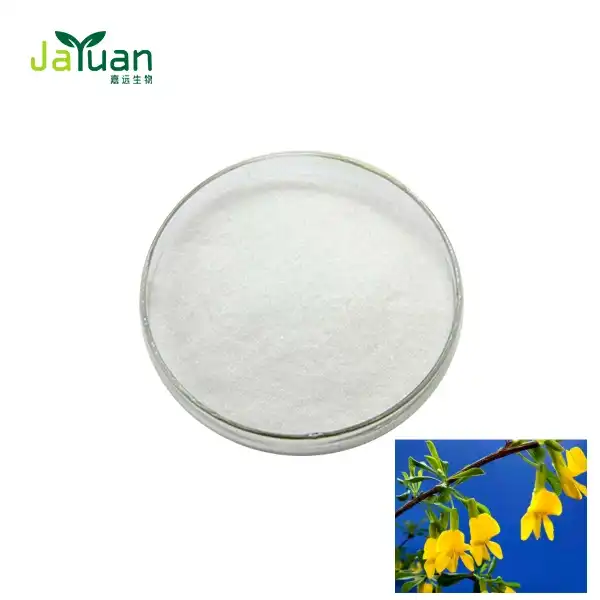
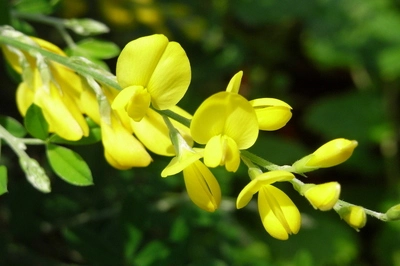
Which smoking cessation pill line performs best depends on your target market, regulatory climate, and product positioning, according to brand developers. Cytisine, a plant-based supplement, partially binds to α4β2 nicotinic acetylcholine receptors, reducing nicotine cravings. Cytisine comes from Thermopsis lanceolata or Cytisus laburnum. Nicotine replacement treatment (NRT) provides measured dosages of nicotine to help relieve withdrawal. For OEM brands seeking a “botanical cessation” aspect, a cytisine supplement ingredient provides cost, shelf-life and natural-positioning benefits that NRT just cannot match at scale.
Understanding Smoking Cessation: Cytisine Supplement and Nicotine Replacement Overview
What Is a Cytisine Supplement?
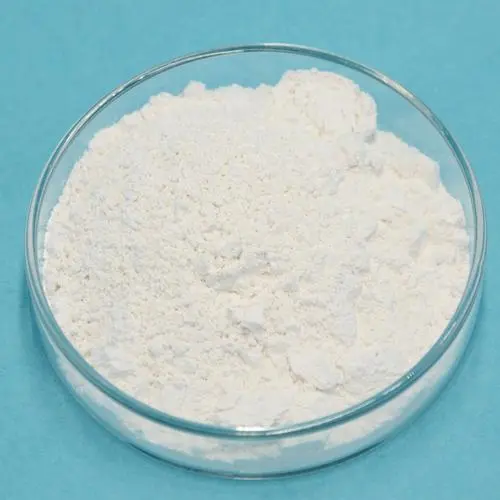
Quinolizidine alkaloid extracted from leguminous plants is used as an ingredient in cytisine supplements. In B2B formulation it is a very pure powder (≥98% by HPLC) incorporated into Capsules, Tablets or Controlled Release forms. It has a very identical chemical makeup (C₁₁H₁₄N▂O, CAS 485-35-8) to nicotine and so binds with the same receptor sites. This natural source has a credible ‘plant-based’ narrative to tell health-conscious buyers today, for OEM brands.
What Is Nicotine Replacement Therapy?
NRT products, like patches, gum, inhalers, and lozenges, give you controlled amounts of nicotine to ease the pain of withdrawal without burning your mouth. It is easy to find them in shops, and countries like the US and the EU have strong compensation systems. But they still have nicotine in them, which makes them less appealing in the growing market for "clean label" supplements.
How Their Mechanisms Differ
Cytisine is a partial agonist at the nicotinic acetylcholine receptor, meaning it binds to the receptor and creates a lesser dopamine response than complete nicotine exposure. This reduces reliance slowly. NRT inhibits withdrawal symptoms by saturating the same receptors with a constant stream of nicotine. One ingredient is plant-based and nicotine-free. The other is a nicotine delivery mechanism. The functional difference is a significant selling point for the product.
Effectiveness and Safety: Cytisine Supplement vs Nicotine Replacement
Clinical Evidence for Cytisine
Walker et al.'s 2014 New England Journal of Medicine randomised experiment demonstrated cytisine to be superior than a placebo and comparable to NRT for 12-month abstinence. A 2019 Cochrane review of cytisine revealed 8–10% sustained abstinence at six months compared to 5–6% for the placebo. This demonstrates that cytisine aids quitting.
Clinical Evidence for NRT
NRT has been supported by meta-analyses for decades. The 2018 Cochrane NRT study by Hartmann-Boyce et al. looked at more than 130 studies and found that all NRT forms had about twice as many chances of helping people stop as placebo, though a cytisine supplement offers a different mechanism of action. In both retail and hospital settings, patches, gums, and combination treatments always work well.
Safety Profiles Compared
The main side effects of cytisine that comes from plants are mild digestive problems like sickness, dry mouth, and sometimes trouble sleeping. NRT can irritate the skin in certain places (patches), make the jaw hurt (gum), and irritate the throat (inhaler). Neither of the ingredients is thought to be a straight replacement for professional therapy to help you quit. For OEM brands, the fact that a plant-based quitting ingredient has fewer side effects can be a big selling point in marketing copy, as long as claims don't break supplement laws.
Practical Procurement Considerations for B2B Buyers
It takes more than looking at a price list to find the right item. The success of your downstream product is affected by quality standards, certification status, and regulatory positioning.
Before you place a large order, here are the main things you should look at when buying something:
- To ensure quality, request HPLC-confirmed purity of ≥98% and Certificates of Analysis (CoA) citing EP or USP pharmacopoeia standards. Jiayuan Bio-Tech's dual quality control system ensures batch consistency with near-infrared real-time monitoring and offline HPLC and GC-MS testing.
- Entry into US and EU markets requires GMP and ISO certifications. ISO 13485-certified suppliers have health-product ingredient process controls.
- Minimal order quantity and trial flexibility: Small-batch sampling decreases new product launch risk. Cytisine supplement suppliers with 10-ton yearly manufacturing lines may customise tiny batches without raising unit pricing.
- Product moisture ≤0.5% and nitrogen-sealed packaging improve shelf life beyond three years, reducing waste and simplifying inventory rotation.
In the long run, these factors help buying managers avoid having to pay a lot of money to redo formulas or get rejected by regulators. Once technical compliance is confirmed, compare the total landed cost, not just the price per kilogram, to get a clear picture of how much it really costs.
Comparative Advantages and Limitations for Business Buyers
Where Cytisine Supplement Ingredients Win
When bought in bulk, cytisine powder made from plants is cheaper overall. Vertically integrated sourcing deals keep prices fixed in places like China's Qinling Mountains, where the raw material grows. This means that makers with their own cultivation bases can offer unit costs that are 40–60% lower than small-scale workshops. The longer shelf life (>3 years), lack of nicotine in the formula, and fit with the "botanical wellness" market positioning give OEM brands real business power.
Where NRT Holds Ground
NRT products have been used by doctors for decades, have well-established pharmacy reimbursement channels, and are regulated in the US in a clear way (FDA-approved OTC status). In many places, NRT ingredients are less likely to be regulated if the buyer is aiming for clinical marketing rather than direct-to-consumer health, unlike a cytisine supplement.
Limitations to Acknowledge
Different countries have different rules about cytisine. In some places, it is considered a drug instead of an ingredient in a supplement, so it is important to do your research on compliance before going into a new area. One problem with NRT is that it still contains nicotine, which can make it harder to advertize on certain platforms and may go against claims that the product is "nicotine-free."
Making the Right Choice: Recommendations for Procurement Managers
There are three things that determine whether to use a cytisine supplement ingredient or a NRT component: the target consumer, the distribution channel, and the brand narrative.
Cross-border e-commerce businesses and health OEM owners selling plant-based goods in the US or Southeast Asia should use high-purity cytisine powder. The chemical works well in tablets and capsules, is simple to sell as a dietary supplement, and is gaining popularity among nicotine-free smokers.
A hybrid portfolio of cytisine-based and NRT-category goods allows businesses who engage with drugstore chains or clinical accounts with NRT reimbursement support reach more buyers and become less category-dependent.
Clear ingredient sourcing documentation like full supply chain traceability and third-party COA records promotes brand confidence that repeat B2B customers want.
Conclusion
There is proof that both plant-based cytisine and NRT can help people quit smoking. A cytisine supplement ingredient is a cheap, nicotine-free, and expandable base for OEM and private-label brands that want to present themselves as herbal. Launch risk is greatly reduced when you choose a cytisine supplement maker with GMP approval, proven purification technology, and the ability to do small-batch trials. The right ingredient partner doesn't just give you powder; they also help you get ready for regulations, plan your formulations, and make sure you have a steady supply over the long term.
FAQ
1. Is cytisine supplement ingredient safe for general supplement formulations?
Cytisine has a well-documented safety record in clinical settings. At standard ingredient concentrations, mild gastrointestinal effects are the most commonly reported responses. For supplement formulation, working with a supplier who provides pharmacopoeia-compliant CoA data and purity ≥98% significantly reduces formulation risk.
2. How long does a typical cytisine-based cessation supplement program last?
Most clinical protocols studied cytisine over a 25-day course. For dietary supplement products, duration claims must align with your jurisdiction's labeling regulations. Consult your regulatory team before finalizing any program-length language on packaging.
3. Can a cytisine supplement ingredient be combined with NRT in a product line?
Nicotine replacement treatment (NRT) using cytisine supplements needs safety testing. Combining them may worsen nicotine withdrawal management. Before producing combination goods, manufacturers should seek clinical evidence and regulatory experts.
Partner With Jiayuan Bio-Tech for Your Cytisine Supplement Ingredient Needs
Jiayuan Bio-Tech is a reliable company that makes cytisine supplements. They sell pharmaceutical-grade (≥99%) and supplement-grade (≥95%) cytisine supplement to health product owners, cross-border e-commerce operators, and OEM brands all over the world. Every time we do a lot of our SMB chromatographic purification process, the purity stays above 98%. Plus, our solvent recovery method keeps production costs 40–60% lower than competitors who work on a workshop scale. You can place small-batch trial orders. You can reach our team at sales@jiayuanbio.com, sales1@jiayuanbio.com, or jayuanbio.com to ask for a CoA, a sample, or help with a special recipe.
References
1. Walker, N., et al. "Cytisine versus Nicotine for Smoking Cessation." New England Journal of Medicine, 2014.
2. Hartmann-Boyce, J., et al. "Nicotine Replacement Therapy versus Control for Smoking Cessation." Cochrane Database of Systematic Reviews, 2018.
3. Cahill, K., et al. "Pharmacological Interventions for Smoking Cessation: An Overview and Network Meta-Analysis." Cochrane Database of Systematic Reviews, 2013.
4. Hajek, P., et al. "A Randomized Trial of E-Cigarettes versus Nicotine-Replacement Therapy." New England Journal of Medicine, 2019.
5. Tutka, P., & Zatoński, W. "Cytisine for the Treatment of Nicotine Addiction: From a Molecule to Therapeutic Efficacy." Pharmacological Reports, 2006.
6. Stead, L.F., et al. "Combined Pharmacotherapy and Behavioural Interventions for Smoking Cessation." Cochrane Database of Systematic Reviews, 2016.