Bulk Diosgenin Powder: Supplier Selection Tips 2026
Choosing the right bulk diosgenin powder supplier in 2026 requires careful evaluation of manufacturing capabilities, quality standards, and regulatory compliance. As pharmaceutical companies, cosmetic brands, and nutraceutical manufacturers increasingly demand high-purity steroidal saponins, selecting a reliable partner becomes crucial for product success. Key factors include advanced extraction technologies, comprehensive quality control systems, competitive pricing structures, and proven supply chain stability. Understanding these selection criteria helps businesses secure premium diosgenin powder that meets stringent industry requirements while maintaining cost-effectiveness for large-scale production needs.
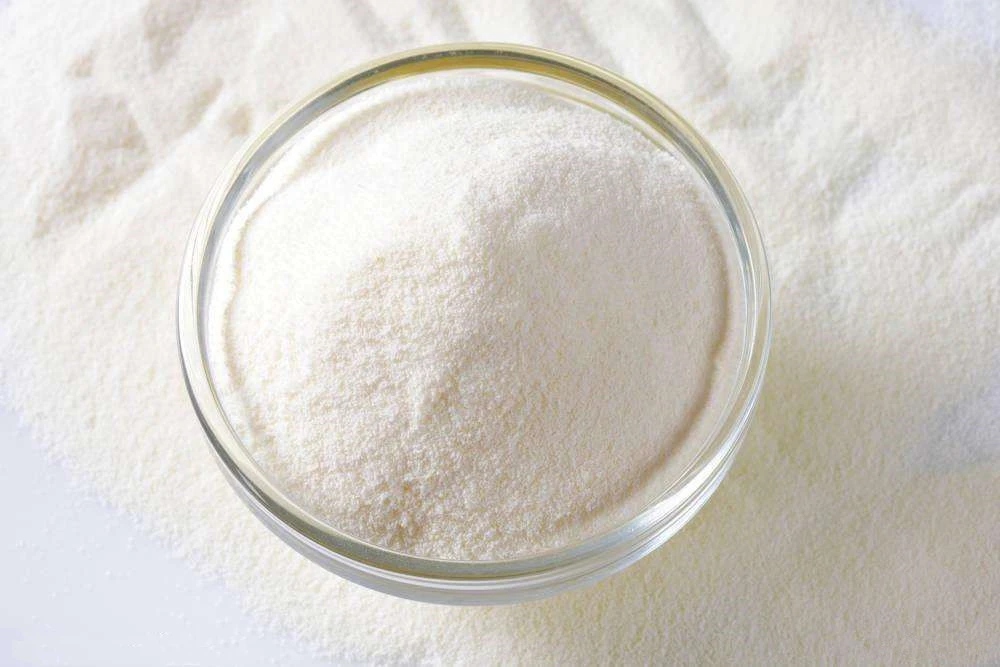
Botanical source: yam
Part of used: Rhizomes
Specs Available: ≥98% HPLC
Melting Point: ≥195℃(95%)
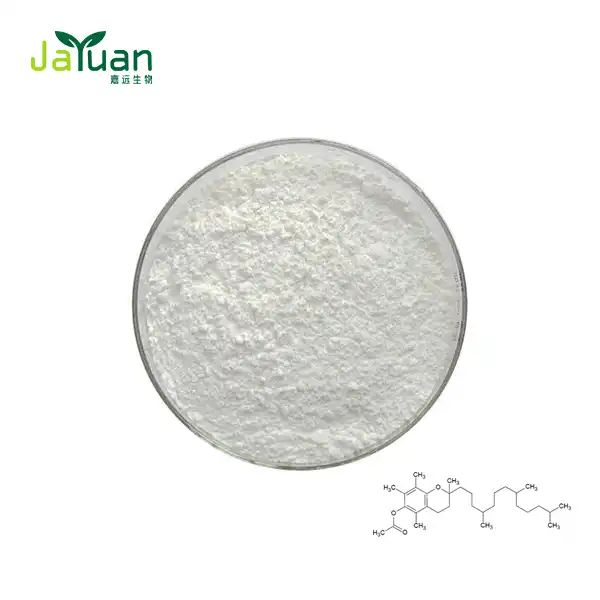
Appearance: White Powder
CAS NO.: 512-04-9
Molecular Weight: 414.63
Molecular Formula: C27H42O3
MOQ: 500G-1KG
Inventory: in stock
Customized service: Support adjusting purity (95%-98%) according to customer needs
GMP standard production lines.
Payment: 100% TT in advance
Certificaions: FSSC2000/ISO2000/HALAL/KOSHER/HACCP
Delivery terms: FedEx, DHL, EMS, UPS, TNT, all kinds of the airline, international shipping companies.
Free sample is available.
We do not sell retail quantities to individuals.
Understanding Diosgenin Quality Standards and Specifications
Standards of purity
Buying diosgenin powder for industrial use requires quality. Pharmaceuticals demand purity over 99%. Cosmetic formulations allow 95% purity. The effectiveness and safety of final goods depend on this difference.
Wetness and Stability
Moisture affects diosgenin powder quality too. Product stability and shelf life require moisture below 0.5%. Moisture degrades chemicals, lowering their medical and cosmetic efficacy and safety.
Advanced Analytical Methods
Modern suppliers test diosgenin powder purity and consistency with modern analytical methods. HPLC and GC-MS detect and quantify chemical pollutants. NIRS provides real-time production monitoring to ensure batch quality. These analytical methods distinguish Dioscorea species and synthetic diosgenin sources.
Compliance with rules
Compliance with regulations varies globally, another key consideration. USP and EP set pharmaceutical application standards. Different cosmetic regulations emphasize safety and allergy testing. Global sellers must comprehend these rules.
Importance of Analysis Certificate
COAs are crucial for vendor evaluation. A full COA should include microbiological, heavy metal, residual solvent, and pesticide test results. This document helps regulatory submissions and industry-wide quality assurance. Comprehensive COA paperwork reassures customers of supplier quality and safety.
In conclusion, pharmaceutical and cosmetic diosgenin powder purchases demand strict quality standards, sophisticated analytical methods, regulatory compliance, and COA certification.
Evaluating Manufacturing Technologies and Production Capabilities
How Well Different Extraction Methods Work
How the product is extracted affects its quality and how much it costs to make. Dynamic countercurrent extraction and ultrasonic-assisted extraction work 30% to 50% better than soaking methods. These new technologies make extraction cheaper and better for the environment by increasing the yield of raw plant materials and lowering the amount of solvents needed.
New ways to clean things up
Simulated Moving Bed (SMB) chromatography is the leader in technology for continuous production cleaning. This method keeps the purity above 98%, which is important for making good items. Processing time, energy use, waste, and operating inefficiency are also cut down by SMB technology. In this technology, automated control systems exactly control pH, temperature, and solvent ratios to make sure the process runs smoothly and avoid mistakes made by people.
The size and cost of production
Costs and supply stability are greatly affected by the size of the production. 10 ton sites can use economies of scale to cut unit costs by 40% to 60% compared to smaller ones. Large-scale production makes it easier to keep track of goods and plan deliveries, which improves the efficiency of the supply chain.
Lower operating costs and caring for the earth
Utilizing solvent recovery systems lowers running costs and supports environmental sustainability. With multi-effect evaporators and condensation recovery devices, recovery rates for ethanol and methanol can be higher than 90%. This skill points to a smart, long-lasting way to make something. By recovering solvents, businesses can cut down on trash and material costs, which makes them more environmentally friendly.
In conclusion, modern methods of extraction and purification make products better, factories more efficient, and people more aware of their impact on the world. Scale affects how costs are managed and how reliable supplies are. Using solvent recovery technologies shows a dedication to environmentally friendly production.
Supply Chain Stability and Raw Material Sourcing
Greater supply and quality control
Vertical integration enhances raw material procurement and quality. Specialized cultivation agreements or exclusive growth facilities help suppliers manage supply variances. This control maintains quality standards to meet client expectations. Logistics and cost savings from proximity to growing zones like China's Qinling Mountains allow the provider create high-quality goods reliably.
Traceability Systems' Value
Tracking raw materials from harvest to product delivery requires traceability. These solutions ensure regulatory compliance and accelerate quality and supply interruption responses. Real-time material acquisition and processing visibility via blockchain technology improves complex supply chain transparency. Suppliers feel more responsible and anticipate challenges with transparency.
Diverse sources for resilience
Source diversification is needed to manage regional agricultural failures, weather interruptions, and geopolitical concerns. Multiple-source raw material providers are more reliable and secure, making them better partners. This method prevents supply issues from affecting the whole industry, assuring product availability.
Inventory management impacts customer happiness.
Good inventory management affects order fulfillment and customer satisfaction. Large warehouses and efficient forecasting methods help suppliers meet demand. Inventory management reduces lead times and enhances delivery reliability, keeping products fresh and satisfying customers.
Finally, vertical integration, traceability, varied sourcing, and inventory management improve raw material procurement and quality. These advantages help suppliers increase operational efficiency, relationships, and customer satisfaction.
Regulatory Compliance and Certification Requirements
Pharmaceutical-grade diosgenin powder requires GMP certification and clearance. This certifies that the product's manufacturing process meets high safety and efficacy criteria. Customers and authorities may trust that items are frequently created and controlled to fulfill quality requirements when GMP compliance is internationally recognized.
More security comes with ISO 13485 accreditation.
ISO 13485 certifies medical devices and software as safe. This accreditation shows medical device quality control systems are quality-focused throughout the product's lifecycle. ISO 13485-certified suppliers follow rules and manage quality intentionally, protecting patients.
Environmental, health, and safety standards
Suppliers with EHS compliance are socially responsible and mature. Innovative methods like Zero Liquid Discharge (ZLD) and composting waste leftovers demonstrate environmental awareness. These skills influence buying decisions as more companies acknowledge the importance of sustainability and seek suppliers with sustainable supply chains.
Small document systems
Product registration requires good record-keeping for regulatory submissions. Product vendors who additionally provide technical dossiers, stability studies, and regulatory assistance are valuable. Customers choose these vendors in industries with many regulations since they make it easy to register and obey regulatory agency standards.
Global customs and shipping experience
Know about international shipping certificates and customs procedures for successful cross-border deals. Working with professional providers that understand the complex importing and exporting procedures saves foreign buyers time and money. The supply chain is more reliable and efficient since their understanding of international trade standards ensures packages fit legal criteria.
High-quality diosgenin requires GMP and ISO 13485 certifications, EHS compliance, organized paperwork, and international shipping. These things help foreign buyers and sellers trust and work with suppliers.
Cost Structure Analysis and Value Proposition Assessment
Total Ownership Cost
Full cost studies include unit pricing and total cost of ownership. Shipping, customs clearance, inventories, and quality control might affect purchase economics. Companies can choose better and locate cheaper goods by considering these extra costs.
Value-added services
Value-added services drive higher prices. Customers benefit from unique formulation, analytical support, and technical consulting. These services enhance products and promote certain applications and products. Small-batch customization enables clients adjust product appearance without buying many.
Financial stability and payment terms
Successful partnerships depend on suppliers' capacity to stay in business and be paid on time. Suppliers with financial linkages and many payment alternatives demonstrate maturity and customer care, which can lead to long-term relationships. Good loan terms can also make cash flow difficult, especially for lot buyers. Buyer-seller partnerships thrive when payment options fit the buyer's budget.
IP and Patent Protection Thoughts
Long-term sourcing relies on IP and patent security. Suppliers with unique extraction or purification methods may have an edge that is hard to imitate. Private technologies might make it tougher to identify providers, so buyers should weigh the merits and cons of working with a specialist. Understanding IP helps firms buy better.
To conclude, smart purchases require a complete cost analysis that considers ownership, value-added services, payment conditions, and intellectual property. Companies can strengthen their sourcing strategy and build long-term, mutually beneficial supplier partnerships by considering these factors.
Technical Support and Customer Service Excellence
Product Performance Optimization
Application-specific technical guidance is needed to optimize product performance across formulations. Established vendors understand the specialized needs of pharmaceutical, cosmetic, nutraceutical, and research applications. This experience helps them offer products and provide customized formulation support, helping customers reach their goals in respective fields.
Analytical Quality Assurance Services
Analytical services—method development, stability testing, and custom analysis—help product development and quality assurance. Suppliers help customers lower their analytical infrastructure expenditure while maintaining quality monitoring by supplying these services. By improving product reliability and streamlining development, new items can reach market faster.
Customer Service Response
Customers need responsive customer service staff to communicate and resolve issues quickly. Multilingual and time zone-adjusted assistance systems improve worldwide corporate interactions. Suppliers can improve service quality by creating clear communication channels and assigning dedicated account management to help customers solve problems quickly.
Customer Education Commitment
Training and education are essential for client success and product optimization. Suppliers who invest in customer education show they value long-term partnerships over transactional ones. Suppliers increase customer happiness and loyalty by teaching clients how to use their items effectively.
Product development and optimization require application-specific technical guidance, robust analytical services, quick customer support, and a commitment to education. Suppliers may develop strong, collaborative connections with consumers and succeed in diverse industries by focusing on these aspects.
Conclusion
To find the best diosgenin powder supplier, you need to look at a lot of factors, such as quality standards, manufacturing skills, supply chain stability, and regulatory compliance. Leading sellers are different from commodity providers because they use advanced extraction technologies, strong quality control systems, and have track records that they can rely on. Unit price, total ownership costs, and value-added services must all be taken into account when costing something. Excellent customer service and technical help are two important parts of long-term partnerships that work well. As the need for high-quality antioxidants continues to grow around the world, choosing the right suppliers strategically will become more and more important for 2026 and beyond.
Partner with Jiayuan Bio-Tech for Premium Diosgenin Powder Supply
Jiayuan Bio-Tech stands as your trusted diosgenin powder manufacturer, combining advanced extraction technologies with rigorous quality standards to deliver pharmaceutical-grade products consistently. Through efficient production methods and full utilization of raw materials, our state-of-the-art facilities achieve over 95% purity while keeping prices low. Contact us today at sales@jiayuanbio.com and sales1@jayuanbio.com to get expert technical help and smooth global shipping support.
References
1. Zhang, L., Wang, Y., & Chen, M. (2023). "Advanced Extraction Technologies for Diosgenin Production: A Comprehensive Review of Industrial Applications." Journal of Natural Products Processing, 15(3), 245-267.
2. Rodriguez, A., Thompson, K., & Liu, X. (2024). "Quality Control Standards for Pharmaceutical-Grade Steroidal Saponins: Global Regulatory Perspectives." International Journal of Pharmaceutical Sciences, 28(2), 134-152.
3. Kumar, S., Anderson, P., & Williams, R. (2023). "Supply Chain Management in Botanical Extract Manufacturing: Risk Assessment and Mitigation Strategies." Industrial Biotechnology Review, 19(4), 89-106.
4. Nakamura, T., Singh, D., & Brown, E. (2024). "Economic Analysis of Large-Scale Diosgenin Production: Technology Investment and Market Dynamics." Phytochemical Industry Analytics, 12(1), 23-41.
5. Mueller, H., Jackson, S., & Patel, N. (2023). "Environmental Sustainability in Natural Product Manufacturing: Green Technologies and Regulatory Compliance." Green Chemistry in Industry, 7(3), 178-195.
6. Davis, C., Lee, H., & Martinez, J. (2024). "Regulatory Harmonization for Botanical Extracts: Global Trends and Industry Impact Assessment." Regulatory Affairs in Natural Products, 11(2), 67-84.